If you live in Florida or plan to start a garden there, choosing the right plants and flowers can make all the difference. Florida’s warm climate and strong sun can be tough on many plants, but with the right choices, your garden can thrive and look stunning all year round.
Imagine vibrant blooms that attract butterflies, lush greenery that stays healthy in the heat, and easy-care plants that free up your time. In this guide, you’ll discover the best plants and flowers perfectly suited for Florida’s unique environment. Whether you want colorful flowers, hardy shrubs, or beautiful ground covers, you’ll find options that work for your space and lifestyle.
Keep reading to find out how to create a flourishing Florida garden that you’ll love coming home to.
Heat-tolerant Flowers
Florida’s heat can be intense, but many flowers thrive under the sun. Heat-tolerant flowers add color and life without much fuss. They survive hot days and bright sunlight. These plants are perfect for Florida gardens and landscapes.
Lantana Varieties
Lantanas are tough and bloom all summer long. They attract butterflies and hummingbirds. Colors range from yellow to red and purple. Lantanas can grow as shrubs or trailing vines. They need little water once established.
Firebush Benefits
Firebush is a native Florida plant. It resists heat and drought well. Its red-orange flowers attract pollinators. Firebush grows as a shrub, adding height to gardens. It requires minimal care and thrives in full sun.
Hibiscus Colors
Hibiscus plants offer large, vibrant blooms. They come in red, pink, orange, and yellow. These flowers brighten patios and containers. Hibiscus loves warm weather and full sun. Regular watering helps maintain their beauty.
Beach Sunflower Features
Beach sunflower is a native perennial. It flourishes in sandy, sunny spots. Bright yellow flowers bloom in clusters. The plant tolerates heat and poor soil. It attracts bees and butterflies to the garden.
Pentas Clusters
Pentas produce star-shaped flowers in clusters. Colors include pink, red, white, and purple. They thrive in Florida’s heat and humidity. Pentas attract butterflies and hummingbirds. These plants work well in beds and containers.
Marigolds And Zinnias
Marigolds and zinnias add bright, cheerful colors. They grow well in full sun and heat. Both flowers are easy to grow from seed. They bloom continuously through warm seasons. Great for borders, beds, and pots.

Credit: www.countryliving.com
Native Florida Plants
Native Florida plants thrive in the state’s unique climate and soil. They require less water and care than non-native species. Choosing native plants supports local wildlife and promotes biodiversity. These plants also resist pests and diseases better, reducing the need for chemicals. Florida’s native plants offer beautiful colors and textures for any garden.
Advantages Of Native Wildflowers
Native wildflowers grow well with minimal effort. They attract bees, butterflies, and birds, helping pollination. These flowers bloom in vibrant colors, creating natural beauty. They adapt to Florida’s heat and occasional droughts. Wildflowers also improve soil health and prevent erosion.
Pineland Heliotrope
Pineland heliotrope is a small shrub with purple flowers. It blooms most of the year and smells sweet. This plant thrives in sandy, well-drained soil found in Florida’s pinelands. It provides food for butterflies and other pollinators. Pineland heliotrope fits well in sunny garden spots.
Palms For Structure
Palms add height and texture to Florida gardens. They create a tropical look and provide shade. Native palms like the sabal palm grow tall and strong. These palms tolerate salt, wind, and drought. Use palms to frame walkways or as focal points in landscape design.
Blanket Flower Appeal
Blanket flower is a hardy native with bright red and yellow petals. It blooms from spring through fall, attracting butterflies. This drought-tolerant flower prefers full sun and well-drained soil. Blanket flowers add cheerful color to borders and wildflower gardens. Their long-lasting blooms brighten any space.
Ornamental Choices
Ornamental plants add beauty and texture to Florida gardens. They bring vibrant colors and interesting shapes. These plants thrive in Florida’s warm climate. They need low maintenance and tolerate heat well. Choosing the right ornamentals can transform any outdoor space into a lush retreat.
Pink Muhly Grass
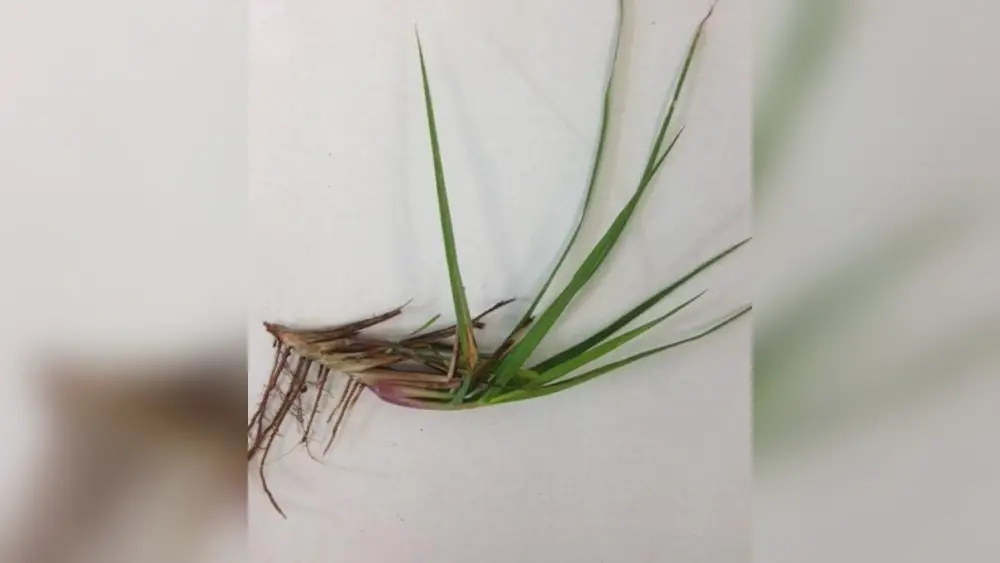
Pink Muhly Grass creates a soft, airy look. Its pinkish-purple plumes bloom in fall. This grass grows well in full sun. It is drought-tolerant and needs little care. Perfect for borders or mass planting, it adds color and movement.
Asiatic Jasmine Ground Cover
Asiatic Jasmine spreads quickly to cover soil. It is evergreen and stays green year-round. This ground cover handles heat and humidity well. It grows dense, helping to control weeds. Ideal for slopes, pathways, or under trees.
Copperleaf Foliage
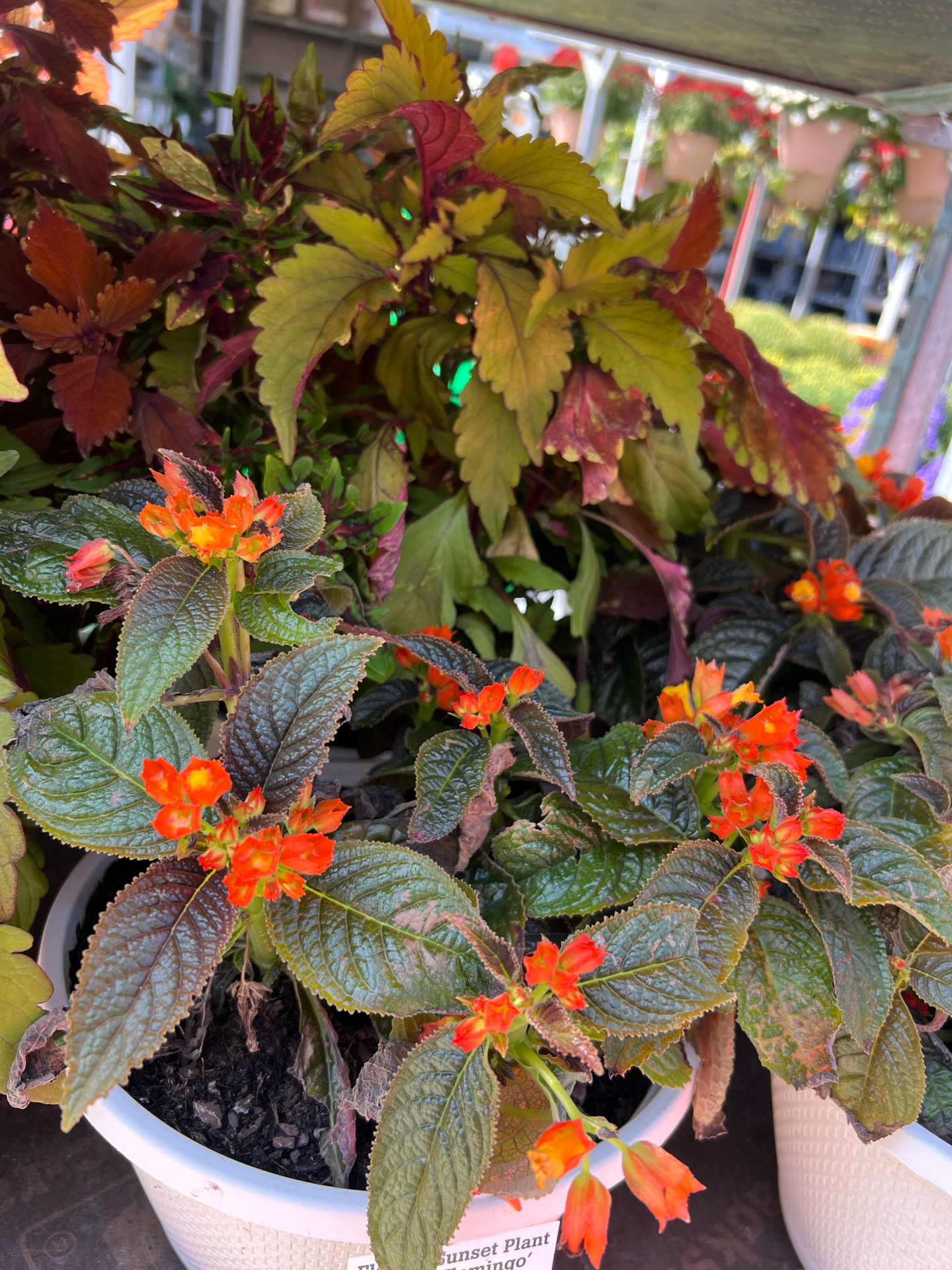
Copperleaf shows off bright, copper-colored leaves. It adds striking contrast to any garden bed. This shrub thrives in full sun to partial shade. It is heat-tolerant and easy to care for. Use Copperleaf to create bold foliage accents.
Credit: beach-landscaping.com
Low-maintenance Options
Choosing low-maintenance plants and flowers is smart for Florida gardens. These plants save time and effort. They thrive in Florida’s heat and humidity with little care. This section highlights easy-care options that keep your garden beautiful without daily work.
Perennials For Easy Care
Perennials return each year, reducing the need to replant. Florida-friendly choices include lantana, firebush, and beach sunflower. These plants tolerate heat and dry spells well. Hibiscus also blooms brightly and grows easily in containers. Pentas attract butterflies and handle Florida’s summer heat. These perennials require little watering once established. They add color and texture year after year.
Mulch And Ground Cover
Mulch helps retain soil moisture and control weeds. It also keeps roots cool during hot weather. Organic mulch like pine bark or wood chips works best. Ground covers such as Asiatic jasmine or mondo grass spread quickly. They reduce bare soil and limit weed growth. Using mulch and ground covers lowers garden maintenance tasks. These options improve soil health and garden appearance.
Container Gardening Ideas
Containers offer flexible gardening for small spaces. Choose drought-tolerant plants like succulents, lantana, or hibiscus. Use pots with good drainage to prevent root rot. Group plants with similar water needs together. Containers can be moved to avoid intense afternoon sun. Adding colorful blooms in pots brightens patios and porches easily. Container gardening keeps your garden neat and manageable.
Sun-loving Vegetables And Fruits
Florida’s warm climate and abundant sunshine create perfect conditions for growing sun-loving vegetables and fruits. These plants thrive in full sun and heat. They reward gardeners with vibrant colors and tasty harvests. Choosing the right varieties can boost your garden’s success.
Okra And Roselle
Okra loves hot weather and full sun. It grows quickly and produces edible pods. These pods are great for soups and stews. Roselle, also known as hibiscus sabdariffa, thrives in Florida’s sun. Its calyces make tart teas and jams. Both plants are drought tolerant once established. They add unique flavors to your kitchen garden.
Sugarcane Growth Tips
Sugarcane grows tall under Florida’s sun. It needs rich, well-drained soil and plenty of water. Plant cane stalks in spring after the last frost. Keep soil moist until shoots appear. Fertilize regularly with nitrogen-rich feed. Sugarcane requires space to spread. Harvest takes several months. Its sweet juice offers a natural treat.
Tropical Fruit Varieties
Florida’s sunshine supports many tropical fruits. Pineapples, mangoes, and papayas flourish here. These fruits need full sun and warm nights. Plant them in well-drained soil. Protect young plants from strong winds. Regular watering helps fruit develop. Tropical fruits add exotic taste and color. They bring a tropical vibe to any garden.

Credit: www.youtube.com
Design Tips For Florida Gardens
Designing a garden in Florida requires smart planning. The state’s warm climate, sandy soils, and seasonal rains shape the choices. Gardens must handle heat and occasional heavy storms. Choosing the right design helps plants thrive and keeps your garden beautiful year-round.
Simple techniques make your garden stronger and more attractive. Using native plants, managing water well, and adding hardscape features create balance. These tips suit Florida’s unique conditions and make gardening easier.
Rain Garden Concepts
Rain gardens capture and absorb stormwater. They reduce runoff and protect local waterways. Pick plants that like wet feet but can also dry out. Native species like swamp milkweed and blue flag iris work well. Place your rain garden where water naturally flows during rains. This helps prevent erosion and keeps your soil healthy.
Hardscaping Integration
Hardscaping adds structure and function to Florida gardens. Paths, patios, and retaining walls create usable spaces. Use materials like stone, brick, or pavers that suit the climate. Hardscape elements help control water flow and reduce soil loss. They also provide contrast to lush plants, making colors and shapes stand out. Plan for shade and wind protection using pergolas or screens.
Year-round Bloom Planning
Choose plants with staggered bloom times for constant color. Combine heat-tolerant flowers like lantana and hibiscus with seasonal favorites. Add perennials for steady growth and annuals for bursts of color. Plan for blooms in every season, especially spring and fall. Use containers for flexibility and to brighten small spaces. This strategy keeps your garden lively and inviting all year.
Frequently Asked Questions
What Is The Best Flower To Plant In Florida?
The best flower to plant in Florida is lantana. It thrives in heat, attracts butterflies, and blooms continuously. Other great options include hibiscus, firebush, beach sunflower, and pentas, all suited for Florida’s sunny, warm climate and low maintenance.
What Is The Best Low-maintenance Landscape In Florida?
The best low-maintenance landscape in Florida features native plants like firebush, lantana, and beach sunflower. Use mulch, ground cover, and hardscaping to reduce upkeep. These choices thrive in heat, require less water, and attract pollinators, making gardening easier and eco-friendly.
What Grows Well In Florida Heat?
Heat-tolerant plants like lantana, hibiscus, firebush, beach sunflower, pentas, and pink muhly grass thrive in Florida’s hot sun. Tropical fruits, okra, and sugarcane also grow well. Native wildflowers and palms adapt easily, requiring less care in Florida’s heat.
What Plants Can Take Full Florida Sun?
Plants thriving in full Florida sun include lantana, firebush, hibiscus, beach sunflower, pentas, pink muhly grass, marigolds, and zinnias. Native options like pineland heliotrope and West Indian jasmine bloom year-round. Palms and copperleaf also tolerate intense sun and heat well.
Conclusion
Choosing the right plants and flowers makes Florida gardening rewarding. Native species like lantana and firebush thrive in the heat. They need less water and care, saving time and effort. Bright blooms from hibiscus or pentas add color all year.
Using heat-tolerant plants helps your garden stay healthy and beautiful. Small steps create a lush, vibrant outdoor space. Enjoy nature’s beauty with plants suited to Florida’s climate. Your garden will flourish with simple, smart choices.