Looking to create a beautiful, green hedge that thrives in South Florida’s unique climate? Choosing the right plants is key to having a lush, healthy hedge that adds privacy and charm to your outdoor space.
But with so many options, it can be overwhelming to pick the best ones for your yard. That’s where this guide comes in. You’ll discover the top plants that flourish in South Florida’s heat, humidity, and sandy soils—plants that are low maintenance yet offer stunning results.
Whether you want a fast-growing screen or a flowering barrier, this article will help you make the perfect choice for your home. Keep reading to find out which plants will make your hedge the envy of the neighborhood!
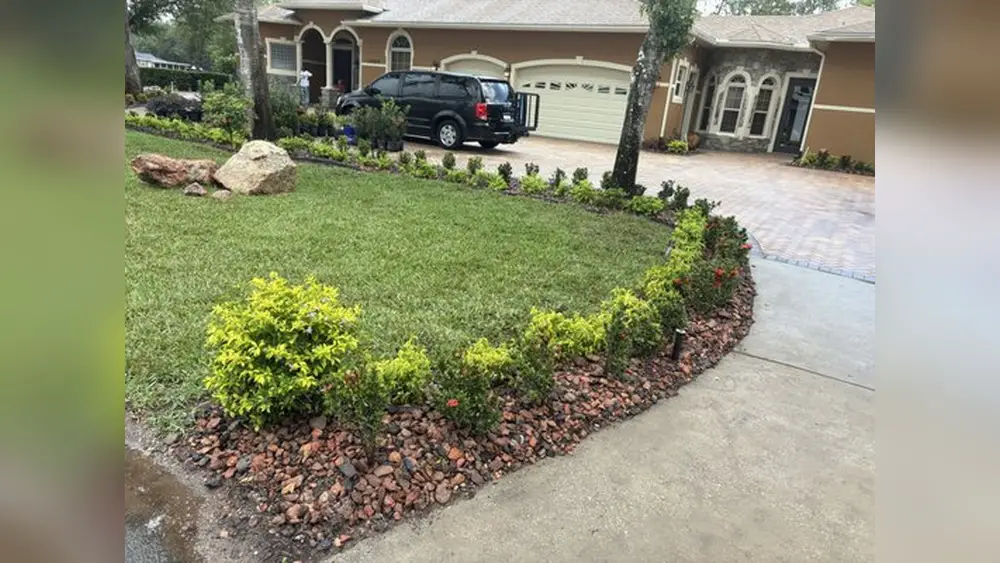
Credit: sherlocktree.com
Top Hedge Plants For South Florida
Choosing the right plants for a hedge in South Florida means considering the climate and soil. Plants must handle heat, humidity, and occasional storms. The best hedge plants stay green year-round and grow well in this environment. This guide highlights top options to create a beautiful, functional hedge.
Evergreen Shrubs
Evergreen shrubs keep their leaves all year. They provide privacy and block wind. In South Florida, plants like the Wax Myrtle and Clusia work well. These shrubs tolerate heat and salt spray. They grow thick, making a strong natural fence. Low maintenance and drought tolerant, they suit busy gardeners.
Fast-growing Trees
Fast-growing trees create tall, dense hedges quickly. Areca Palm and Nellie Stevens Holly are popular choices. These trees add height and lush green foliage. They adapt well to South Florida’s sandy soil. Fast growth means you get privacy sooner. They also attract birds and enhance your yard’s beauty.
Native Plants
Native plants thrive naturally in South Florida. They need less water and care. Examples include Simpson Stopper and Red Cedar. These plants support local wildlife and resist pests. Native hedges blend well with the natural landscape. They help keep your garden eco-friendly and healthy.

Credit: jungleplants.com
Plant Characteristics For Privacy
Choosing the right plants for a privacy hedge in South Florida means understanding key plant traits. These traits ensure your hedge blocks views effectively and suits the local climate. Focus on density, height, growth rate, and maintenance to pick the best hedge plants. Healthy growth and thick foliage create a natural barrier and add beauty to your garden.
Density And Height
Dense foliage is essential for a privacy hedge. Plants with thick leaves and branches block sightlines well. Tall plants offer better coverage from neighbors or streets. In South Florida, select species that grow tall yet stay dense all year. This combination provides a solid screen and reduces gaps.
Growth Rate
Growth speed affects how quickly your hedge forms. Fast-growing plants fill gaps sooner and deliver privacy faster. Choose species that thrive in South Florida’s warm, humid weather. Some plants grow fast but may need more care. Balance growth rate with your time for maintenance.
Maintenance Needs
Low-maintenance plants save effort and keep your hedge neat. Some species need regular trimming to stay dense and shaped. Others grow well with little pruning. Pick plants suited to South Florida’s conditions to avoid pests and diseases. Easy-care plants keep your hedge healthy and looking good year-round.
Popular Choices In South Florida
South Florida’s warm climate supports many plants that make excellent hedges. These plants grow well and provide privacy, beauty, and shade. Choosing the right hedge depends on your space and style. Popular hedge plants in South Florida include evergreen and flowering varieties. They adapt to heat, humidity, and occasional storms. Below are some favorite hedge plants in the region.
Arborvitae
Arborvitae is a tall, narrow evergreen. It grows quickly and forms a dense screen. This plant stays green all year, perfect for privacy. It tolerates heat and humidity well. Arborvitae needs regular watering to thrive in South Florida. It also handles pruning, shaping easily to fit your garden. This plant is ideal for formal hedges or natural borders.
Bay Laurel
Bay Laurel offers thick, dark green leaves with a spicy aroma. It grows as a bush or small tree. This plant works well for tall, dense hedges. Bay Laurel attracts birds and beneficial insects. It prefers full sun and well-drained soil. Bay leaves can be harvested for cooking, adding extra value. This hedge adds beauty and function to any yard.
Clusia
Clusia is a tough, low-maintenance plant with thick, glossy leaves. It grows dense and wide, making it perfect for privacy hedges. This plant handles salt spray and drought better than many others. Clusia also produces small white flowers that attract pollinators. It adapts well to different soil types. Clusia hedges require little pruning and stay green year-round.
Waxleaf Privet
Waxleaf Privet is a fast-growing evergreen shrub. It has shiny, dark green leaves that create a thick hedge. This plant tolerates heat, humidity, and occasional dry spells. Waxleaf Privet responds well to trimming and shaping. It is often used in formal or informal hedge designs. This plant also helps reduce noise and wind in your garden.
Palms And Tropical Options
Palms and tropical plants bring a lush, vibrant feel to South Florida hedges. They thrive in warm climates and add unique textures and colors. These plants create natural privacy screens and enhance garden beauty. Their fast growth and dense foliage make them ideal for hedges.
Below are some excellent palm and tropical options suited for South Florida hedges.
Areca Palm
The Areca Palm is a popular choice for South Florida hedges. It grows quickly and forms a thick, bushy barrier. Its feathery fronds provide excellent privacy and a tropical look. This palm prefers full sun to partial shade and well-drained soil. Areca Palms are low maintenance and resist pests well.
Hawaiian Hibiscus
Hawaiian Hibiscus adds bright, colorful blooms to any hedge. It thrives in the South Florida heat and humidity. This plant grows dense and tall, perfect for privacy. It needs full sun and regular watering. The large flowers attract butterflies and hummingbirds, adding life to your garden.
Orange Jasmine
Orange Jasmine is a fragrant, evergreen shrub ideal for hedges. It produces small white flowers with a sweet scent. This plant grows fast and forms a dense screen. It tolerates heat and drought once established. Orange Jasmine prefers full sun and well-drained soil for best growth.
Planting And Care Tips
Planting and caring for hedges in South Florida requires attention to local climate and soil conditions. Proper steps ensure healthy growth and long-lasting beauty. Follow simple guidelines to prepare soil, water correctly, and prune effectively. These tips help your hedge thrive in warm, humid weather.
Soil Preparation
Test soil to check pH and nutrients. Most hedge plants prefer slightly acidic to neutral soil. Remove weeds and debris before planting. Loosen soil to improve root growth and drainage. Mix organic compost to enrich the soil. Avoid heavy clay soil or improve it with sand and organic matter. Proper soil helps plants establish strong roots quickly.
Watering Guidelines
Water hedges deeply after planting to settle roots. Keep soil moist but not waterlogged. South Florida’s heat means frequent watering may be needed. Check soil moisture regularly by feeling it. Water in early morning or late evening to reduce evaporation. Use drip irrigation or soaker hoses for efficient watering. Proper watering prevents stress and supports steady growth.
Pruning Techniques
Prune hedges to maintain shape and encourage dense growth. Use clean, sharp tools to avoid damage. Trim new growth lightly during the growing season. Remove dead or diseased branches promptly. Shape hedges after flowering if the plant blooms. Regular pruning improves air circulation and sunlight penetration. Well-pruned hedges look neat and healthy.
Dealing With Pests And Diseases
Choosing the best plants for a hedge in South Florida requires care beyond planting. Pests and diseases often affect hedge plants in this region. Understanding how to deal with these problems keeps your hedge healthy and attractive. This section covers common issues, preventive steps, and natural remedies.
Common Issues
Many pests attack hedges in South Florida. Aphids, whiteflies, and spider mites are frequent visitors. These insects suck plant juices, causing leaves to yellow and drop.
Diseases like leaf spot, powdery mildew, and root rot also harm hedges. Warm and humid weather encourages these fungal problems. Spotting early signs helps stop spread and damage.
Preventive Measures
Good care reduces pest and disease risks. Plant hedges in well-drained soil to avoid root rot. Water plants early in the day to let leaves dry fast.
Prune your hedge regularly. Removing dead or crowded branches improves air flow. Healthy plants resist pests and diseases better.
Inspect your hedge often. Early detection allows quick action before problems worsen.
Natural Remedies
Natural solutions protect your hedge without chemicals. Neem oil sprays control many pests effectively. Mix neem oil with water and spray on affected leaves.
Introduce beneficial insects like ladybugs. They eat harmful pests such as aphids. Use insecticidal soap for soft-bodied insects. It works well without harming plants.
For fungal diseases, apply baking soda solutions. Mix baking soda with water and spray on leaves. This helps stop mildew and leaf spots.
Where To Buy Quality Plants
Choosing the right place to buy plants for your South Florida hedge is crucial. Quality plants grow well and last longer. Finding healthy plants can save time and money. This section guides you to reliable sources and tips on picking the best specimens.
Local Nurseries
Local nurseries offer plants suited for South Florida’s climate. They often carry native and heat-tolerant species. Visiting a nursery lets you see plants before buying. Experts there can answer questions and give advice. Local nurseries usually provide fresh, well-cared-for plants. Supporting local businesses helps the community too.
Online Suppliers
Online suppliers provide a wide selection of hedge plants. They offer convenience with home delivery options. Many specialize in plants for South Florida gardens. Check reviews and ratings before ordering. Some online stores guarantee plant health on arrival. Compare prices and shipping fees carefully.
Choosing Healthy Specimens
Pick plants with strong stems and vibrant leaves. Avoid those with yellowing, spots, or pests. Look for well-watered soil and firm roots. Healthy plants show new growth and no wilting. Ask for planting and care instructions. Proper selection ensures your hedge will thrive and look great.
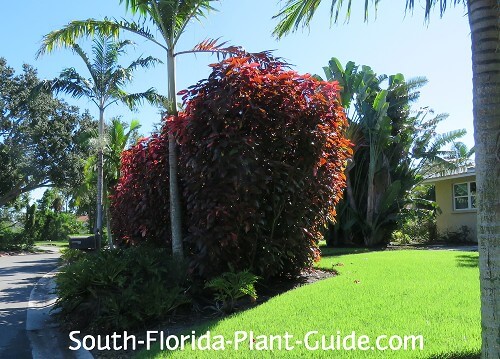
Credit: www.south-florida-plant-guide.com
Frequently Asked Questions
What Are The Best Hedge Plants For South Florida?
Top hedge plants for South Florida include Clusia, Bay Laurel, Areca Palm, and Arborvitae. These thrive in warm, humid climates and provide dense privacy.
Which Hedge Plants Require Low Maintenance In South Florida?
Low-maintenance hedges like Waxleaf Privet, Dwarf Burning Bush, and Southern Wax Myrtle flourish with minimal care. They tolerate heat and occasional drought well.
How Fast Do South Florida Hedge Plants Grow?
Growth rates vary; Waxleaf Privet and Areca Palm grow quickly, reaching privacy height in 1-3 years. Others like Bay Laurel grow moderately slower but are long-lasting.
Can Native Plants Be Used For Hedges In South Florida?
Yes, native shrubs like Southern Wax Myrtle and Indian Laurel adapt well. They support local wildlife and require less water and fertilizers.
Conclusion
Choosing the right hedge plants helps create a beautiful South Florida garden. Select species that thrive in warm, humid climates. Consider growth speed, maintenance, and privacy needs. Native plants often resist pests and need less water. Proper care keeps your hedge healthy and attractive.
Enjoy a lush, green border that suits your outdoor space perfectly. Start planting today for lasting beauty and shade.