Are you ready to bring a touch of green into your Florida home but worried about keeping plants alive? You’re not alone.
Starting with the right indoor plants can make all the difference between a thriving green space and a collection of wilted leaves. Luckily, there are some fantastic plants that are perfect for beginners living in Florida’s unique climate. These plants don’t demand much attention, tolerate low light, and bounce back even if you forget to water them now and then.
In this guide, you’ll discover the best easy-care indoor plants that will brighten your space and boost your confidence as a new plant parent. Keep reading to find out which plants will turn your home into a lush, inviting oasis without the hassle.
Top Easy Indoor Plants
Choosing the right indoor plants makes a big difference for beginners. Easy plants bring green life without much effort. These plants survive well in Florida’s indoor conditions. They tolerate low light and need little water. Perfect for new plant owners starting their green journey.
Pothos
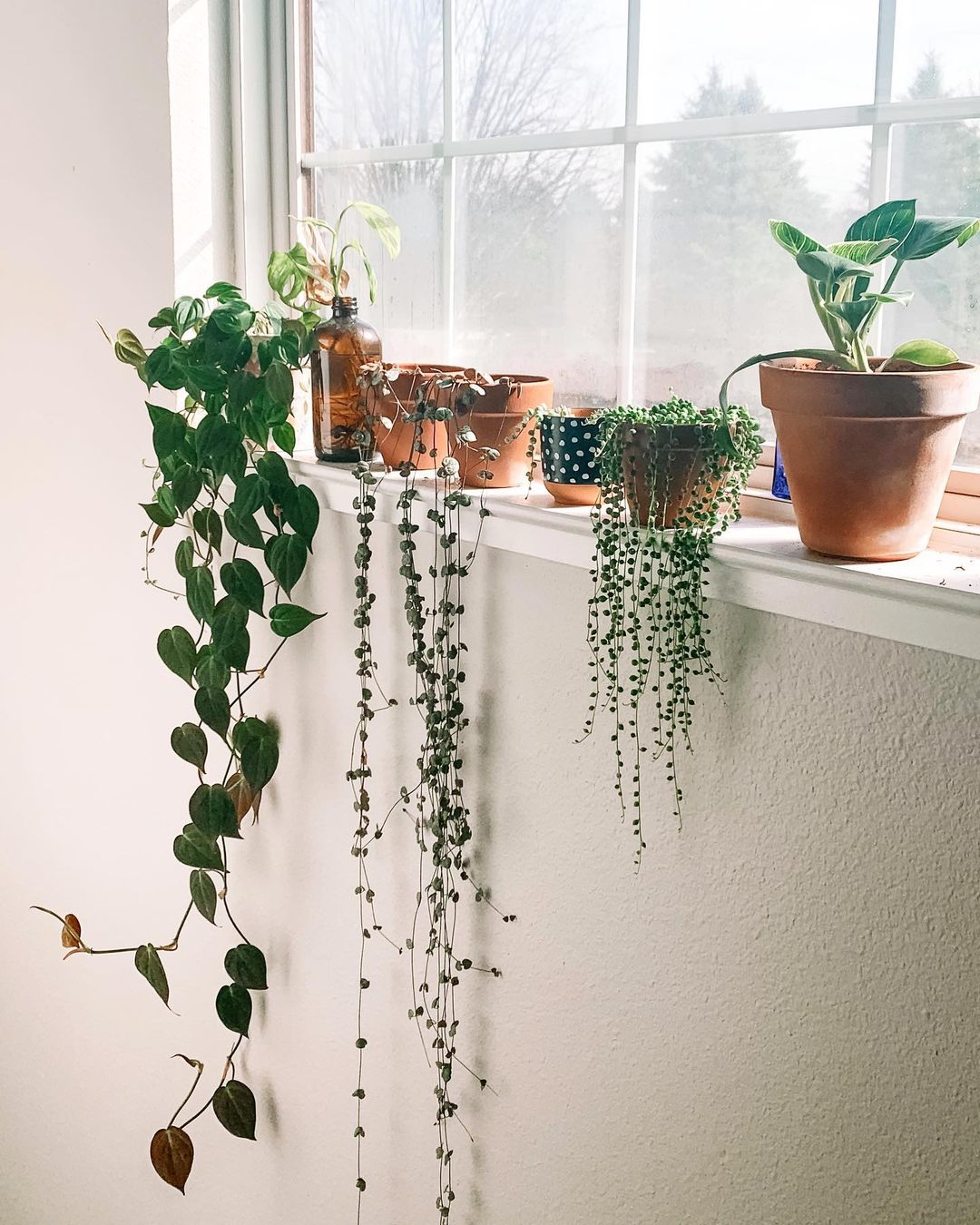
Pothos is a popular indoor plant for beginners. It grows quickly and adapts to many light levels. Its heart-shaped leaves add beauty to any room. Pothos needs watering only when the soil feels dry. It cleans air and lifts mood effortlessly.
Snake Plant
Snake Plant is tough and almost unkillable. It survives in low light and rare watering. Its upright leaves have striking patterns. Snake Plant helps improve air quality at night. It fits well in small spaces and offices.
Zz Plant
ZZ Plant has shiny, waxy leaves that look fresh. It tolerates very low light and dry soil. Water ZZ Plant only once every two to three weeks. It grows slowly but remains healthy with little care. Ideal for busy people or beginners.
Spider Plant
Spider Plant is known for its easy care and fast growth. It produces small plantlets that hang down like spiders. This plant prefers bright, indirect light but adapts to lower light. Water it moderately and watch it thrive.
Philodendron
Philodendron is a classic indoor plant for beginners. It has large, green leaves that brighten rooms. This plant grows well in low to medium light. It needs watering only when the top soil dries. Philodendron is forgiving and fast-growing.
Credit: www.extraspace.com
Plants Suited For Florida Indoor Conditions
Choosing the right plants for indoor spaces in Florida can be simple. The climate indoors often differs from outdoors. Florida homes tend to have warm temperatures and high humidity. These factors affect plant health and growth.
Some plants thrive better under these conditions. They need less light and can handle the humidity well. Temperature changes in Florida homes are usually small but important to consider. Picking plants suited for these indoor conditions helps them grow strong and stay healthy.
Low Light Tolerance
Many Florida homes have rooms with limited natural light. Plants that tolerate low light are perfect for these spaces. Snake plants and pothos are popular choices. They grow well without direct sunlight. These plants do not need constant bright light to stay green.
Low light tolerance means plants can survive in shaded corners or rooms with small windows. This trait is helpful for beginners who may not have ideal lighting. Choose plants with this feature for easier indoor gardening.
Humidity Adaptability
Florida’s indoor humidity is usually high due to the climate. Plants that adapt well to humidity avoid problems like dry leaves or pests. Ferns and peace lilies thrive in moist air. They enjoy the natural humidity without extra care.
Humidity adaptability also reduces the need for frequent misting or special care. Plants that handle humidity changes stay healthy longer. This makes them good options for indoor spaces in Florida homes.
Temperature Preferences
Indoor temperatures in Florida often stay warm and stable. Most tropical plants prefer temperatures between 65°F and 80°F. Plants like philodendrons and rubber plants enjoy these mild indoor climates.
Avoid plants that need cold temperatures or extreme temperature changes. Stable warmth helps plants grow well without stress. Understanding temperature preferences can guide your plant choices for indoor spaces.
Care Tips For Beginners
Starting with indoor plants in Florida is exciting but requires some basic care knowledge. Good care helps plants grow strong and healthy. Beginners should focus on simple routines. This section offers easy care tips to keep your indoor plants happy and thriving.
Watering Basics
Water is essential for plants, but too much can harm them. Check the soil before watering. If the top inch feels dry, it’s time to water. Use room temperature water. Water slowly to let it soak into the soil. Avoid letting water sit in the pot’s saucer. Empty extra water to prevent root rot. Different plants need different water amounts. Learn each plant’s needs to avoid overwatering or underwatering.
Light Requirements
Light helps plants make food through photosynthesis. Most indoor plants in Florida like bright, indirect light. Place plants near windows but out of direct sun rays. Some plants tolerate low light but grow slower. Rotate plants every week for even light exposure. If light is weak, consider using a grow light. Avoid sudden changes in light to prevent stress. Observing leaf color and growth helps adjust light conditions.
Soil And Potting
Good soil drains well and holds nutrients. Use potting mix designed for indoor plants. Avoid garden soil, which can be heavy and hold too much water. Pick pots with drainage holes to stop water buildup. Repot plants every year or when roots fill the pot. Gently loosen roots during repotting. Fresh soil boosts plant growth and health. Keep pots clean to prevent pests and diseases.
Fertilizing Made Simple
Plants need nutrients to grow strong. Use a balanced, water-soluble fertilizer every 4-6 weeks during growing months. Dilute fertilizer to half strength to avoid burning roots. Stop fertilizing in winter when plants rest. Follow instructions on fertilizer packaging carefully. Organic options like compost tea or fish emulsion work well too. Fertilizing supports vibrant leaves and flowers without extra effort.
Benefits Of Indoor Plants
Indoor plants bring many benefits that improve your home and well-being. They create a healthier and more inviting space. Even beginners in Florida can enjoy these rewards with easy-care plants.
Plants help clean the air, boost your mood, and add beauty to your rooms. These benefits make them perfect for indoor living in Florida’s unique climate.
Air Purification
Indoor plants absorb toxins and release fresh oxygen. They reduce pollutants like formaldehyde and benzene. This process improves air quality inside your home. Cleaner air helps reduce allergies and respiratory issues. Plants like snake plants and peace lilies are known for this benefit.
Mood Enhancement
Plants create a calming and relaxing environment. Their green color soothes the eyes and mind. Caring for plants reduces stress and increases happiness. Studies show plants can boost focus and productivity. Even a small plant can brighten your mood every day.
Decorative Appeal
Indoor plants add natural beauty to any space. They come in many shapes, sizes, and colors. Plants enhance room style and fill empty corners. They complement furniture and brighten dull areas. Using plants as decor creates a fresh, lively atmosphere in your home.
Common Mistakes To Avoid
Starting with indoor plants in Florida can be exciting. Avoiding common mistakes helps plants thrive. Many beginners face issues that can be easily prevented. Understanding basic care is the first step to success.
Overwatering
Overwatering is a common error that harms plants. Florida’s humidity means soil stays moist longer. Water only when the top inch of soil feels dry. Too much water causes root rot and yellow leaves. Use pots with drainage holes to avoid water buildup.
Poor Lighting
Many indoor plants need bright, indirect light. Placing plants in dark corners slows growth. South or east-facing windows offer ideal light for most plants. Rotate plants regularly to ensure even light exposure. Avoid direct sunlight that can scorch leaves.
Ignoring Pest Issues
Pests like spider mites and aphids can damage plants quickly. Check leaves and stems often for tiny bugs or webs. Treat infestations early with mild soap or neem oil. Keeping plants clean reduces pest risks. Healthy plants resist pests better than weak ones.

Credit: costafarms.com
Where To Buy Indoor Plants In Florida
Finding the right place to buy indoor plants in Florida makes starting your plant journey easier. Florida’s climate supports a wide variety of plants, so many sellers offer species perfect for indoor growth. Choosing where to buy depends on your needs, budget, and how much help you want from staff.
Local Nurseries
Local nurseries often have a great selection of indoor plants. These places offer expert advice and personalized service. You can see the plants up close before buying. Many nurseries grow plants suited for Florida’s indoor conditions. Visiting local nurseries supports small businesses in your community.
Big Box Stores
Big box stores carry a variety of plants at affordable prices. They often stock popular beginner plants like pothos and snake plants. These stores provide convenience with multiple locations and extended hours. You can find everything from pots to soil in one trip. The staff may offer basic care tips for new plant owners.
Online Options
Online stores offer a wide range of indoor plants delivered to your door. This option provides access to rare or hard-to-find plants. Many websites include detailed care instructions and customer reviews. Buying online saves time and lets you shop from home. Watch for shipping policies to ensure your plants arrive healthy.
Easy Propagation Methods
Propagating indoor plants in Florida is simple and rewarding. Easy propagation methods let beginners multiply plants quickly. These techniques use parts of the plant to grow new ones. They require minimal tools and little experience. Learning these methods helps expand your indoor garden without extra cost.
Stem Cuttings
Stem cuttings are a popular way to propagate many indoor plants. Cut a healthy stem about 4-6 inches long. Remove the lower leaves to prevent rotting. Place the cutting in water or moist soil. Keep it in a warm spot with indirect light. Roots will start to form in a few weeks. Once roots grow strong, plant the cutting in a pot. Plants like pothos, philodendron, and spider plants root well this way.
Division
Division works best for plants that grow in clumps or have multiple stems. Gently remove the plant from its pot. Separate the roots into smaller sections by hand or with a clean knife. Each section should have roots and leaves. Plant each division into its own pot with fresh soil. Water lightly and place in indirect sunlight. Peace lilies and snake plants often propagate well by division. This method creates new plants fast and keeps the parent healthy.
Leaf Propagation
Leaf propagation is another easy method for beginners. Some plants grow new roots and shoots from leaf cuttings. Cut a healthy leaf close to the base. Let the cut end dry for a day or two to prevent rot. Insert the leaf into moist soil or lay it flat on the surface. Keep the soil damp and place it in bright, indirect light. New plantlets will appear at the leaf base after several weeks. African violets and begonias respond well to leaf propagation.

Credit: www.housebeautiful.com
Frequently Asked Questions
What Are Good Indoor Plants In Florida?
Good indoor plants for Florida include Pothos, Snake Plant, ZZ Plant, Spider Plant, Philodendron, Dieffenbachia, Peace Lily, and Monstera. These plants tolerate low light, humidity, and require minimal care, making them ideal for Florida homes.
What Is The Easiest Plant To Grow In Florida?
Pentas is the easiest plant to grow in Florida. It requires low maintenance and blooms vibrant flowers nonstop.
What Are Good Indoor Plants For Beginners?
Good indoor plants for beginners include Pothos, Snake Plant, ZZ Plant, Spider Plant, and Philodendron. They tolerate low light and need minimal care.
What Plants Can Survive In The Heat In Florida?
Heat-tolerant plants in Florida include Bougainvillea, Hibiscus, Lantana, Palms, and Agave. These thrive in hot, sunny conditions with minimal water.
Conclusion
Choosing the right indoor plants can brighten any Florida home. Easy-care plants like Pothos and Snake Plant fit beginner needs well. They survive with little water and low light. Watch for signs like drooping leaves to know when to water.
Start small and enjoy watching your plants grow. Indoor gardening brings calm and fresh air to your space. With patience, anyone can succeed at growing these simple plants. Give your home a green touch today.