
If you want your Florida yard to stand out with vibrant colors and lush greenery, choosing the right plants is key. But with Florida’s unique climate—hot sun, high humidity, and occasional heavy rains—it can be tricky to know which plants will truly thrive without constant care.
What if you could pick plants that not only survive but flourish, making your yard a beautiful, low-maintenance haven? You’ll discover the best plants perfectly suited for Florida yards. These selections will help you create a stunning outdoor space that’s both easy to care for and full of life.
Ready to transform your yard into a Florida paradise? Keep reading to find out which plants deserve a spot in your garden.

Credit: www.all-trustedlawncare.com
Florida-friendly Native Plants
Florida-friendly native plants thrive in the Sunshine State’s unique climate. These plants are adapted to Florida’s heat, humidity, and soil conditions. They reduce water use and help protect local wildlife. Choosing native plants supports a healthy and sustainable yard.
Drought-tolerant Options
Many native Florida plants survive with little water. These drought-tolerant species save water and lower yard maintenance. Examples include coontie, black-eyed Susan, and muhly grass. These plants stay green through dry spells and need minimal care. Using drought-tolerant natives helps conserve Florida’s precious water resources.
Wildlife-attracting Species
Native plants attract birds, butterflies, and bees to your yard. Milkweed, firebush, and saw palmetto provide food and shelter for wildlife. These plants support pollinators and local ecosystems. A yard filled with native plants becomes a lively habitat for many species. Wildlife-attracting plants add beauty and life to any Florida garden.
Low-maintenance Choices
Florida-friendly natives often require less pruning and fertilizing. Plants like beautyberry, yaupon holly, and coontie grow well with little effort. They resist pests and diseases common in Florida. Choosing low-maintenance natives saves time and money. Your yard stays healthy and attractive without constant work.
Credit: www.stanleyhomesinc.com
Colorful Flowering Plants
Colorful flowering plants bring life and charm to Florida yards. They brighten spaces and attract wildlife. Choosing the right flowers ensures vibrant colors all year. Florida’s climate supports many beautiful blooms that thrive with little care.
Bright Perennials
Bright perennials return each year with vivid flowers. They save time and money by lasting through seasons. Examples include Blanket Flower and Coreopsis. These plants handle Florida’s heat and humidity well. Their strong colors create eye-catching garden spots. Plant perennials in groups of three for a natural look.
Seasonal Blooms
Seasonal blooms offer fresh colors as the year changes. Choose plants like Hibiscus for summer and Pansies for winter. They provide variety and keep your yard interesting. Change seasonal flowers to match holidays or moods. These blooms enjoy Florida’s warm weather and add charm quickly.
Pollinator-friendly Flowers
Pollinator-friendly flowers support bees, butterflies, and birds. Milkweed and Lantana attract many helpful pollinators. These plants improve garden health by encouraging pollination. Bright colors and sweet scents draw wildlife near. Including these flowers helps the environment and your garden’s beauty.
Lush Shrubs And Bushes
Shrubs and bushes bring life and texture to Florida yards. Their dense foliage creates a lush, green backdrop that complements any garden style. These plants thrive in Florida’s warm climate and add year-round beauty. They also offer shade, color, and habitat for birds and butterflies.
Evergreen Varieties
Evergreen shrubs keep their leaves all year. They provide constant greenery and structure to the yard. Popular choices include the Southern Magnolia and the Indian Hawthorn. These plants tolerate Florida’s heat and occasional drought well. Their thick leaves help block wind and reduce noise.
Flowering Shrubs
Flowering shrubs add bursts of color and fragrance. Hibiscus and Gardenias are favorites in Florida gardens. They bloom in vibrant reds, pinks, and whites. These shrubs attract pollinators and brighten outdoor spaces. Regular pruning encourages more flowers and keeps them healthy.
Privacy And Screening Plants
Privacy shrubs create natural fences and block unwanted views. The Viburnum and Podocarpus are excellent screening options. They grow tall and dense, providing a green barrier. These plants enhance privacy without needing fences. They also improve the yard’s overall look and feel.
Trees For Shade And Structure
Trees create essential shade and structure in Florida yards. They provide cool spots during hot days and add beauty to landscapes. Choosing the right trees helps define outdoor spaces and supports local wildlife.
Florida’s climate suits many tree types. Some grow quickly to offer shade fast. Others bring color and texture. Fruit trees add food and charm to your yard.
Fast-growing Shade Trees
Fast-growing trees give shade quickly, perfect for new yards. The Southern Live Oak spreads wide branches and lives long. The Bald Cypress grows tall and handles wet soil well. The Slash Pine grows fast and fits many yard sizes. These trees cool your home and create inviting outdoor spaces.
Ornamental Trees
Ornamental trees add color and shape to yards. The Crepe Myrtle blooms with bright pink or white flowers. The Mexican Plum offers fragrant blossoms in early spring. The Redbud tree shows lovely pink flowers and heart-shaped leaves. These trees bring beauty and interest year-round.
Fruit-bearing Trees
Fruit trees give fresh fruit and attract birds. The Florida Orange tree produces sweet, juicy oranges. The Avocado tree grows well in warm areas and bears creamy fruit. The Loquat tree offers small, tasty yellow fruits. These trees create a lively and productive yard.
Grasses And Groundcovers
Grasses and groundcovers play a vital role in Florida yards. They protect soil, reduce weeds, and add texture to your landscape. Choosing the right varieties helps your yard stay green and healthy all year. Many options thrive in Florida’s warm, humid climate. They require little water and care once established. Below are some excellent choices for grasses and groundcovers to enhance your yard’s beauty and function.
Erosion Control Options
Florida’s sandy soil can erode quickly during heavy rains. Plants with strong roots hold soil in place and prevent erosion. Bahia grass is a popular choice for erosion control. It grows fast and spreads widely. Another good option is St. Augustine grass. Its dense growth forms a thick mat that stabilizes soil. Native groundcovers like creeping rosemary also protect slopes. These plants keep soil firm and reduce runoff damage.
Decorative Grasses
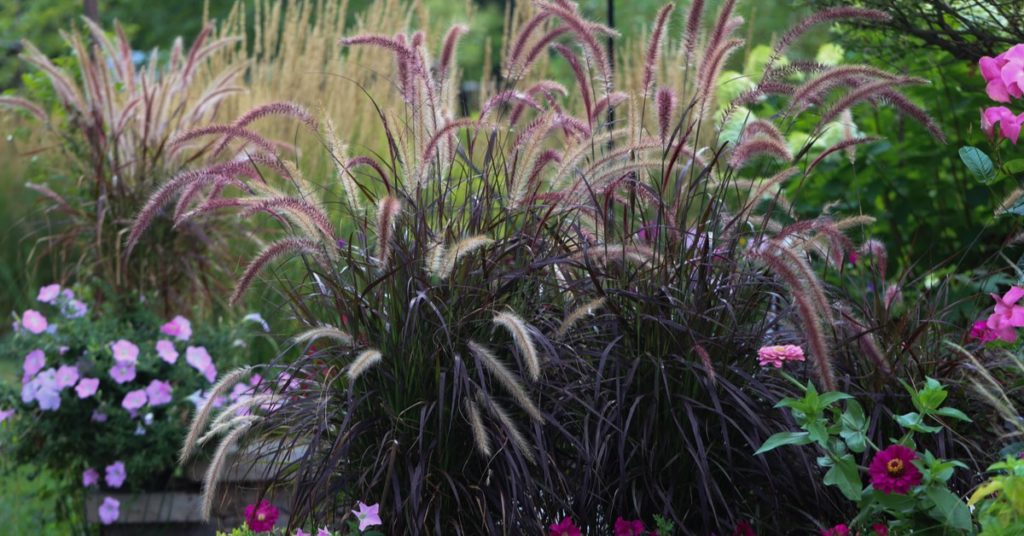
Decorative grasses add movement and color to any yard. Muhly grass features airy pink or purple blooms in fall. It grows well in sunny spots with little water. Pink pampas grass is another showy choice that thrives in Florida. It adds height and texture near walkways or fences. Blue fescue has a soft blue-green color and compact form. These grasses bring beauty and interest without much upkeep.
Low-growing Groundcovers
Low-growing groundcovers fill empty spaces and fight weeds. Dwarf mondo grass has small, dark green leaves and spreads slowly. It works well under trees or along borders. Asiatic jasmine is a tough groundcover that tolerates heat and shade. It forms a dense carpet and requires little mowing. Frogfruit is a native plant that attracts butterflies and stays low. These groundcovers keep your yard neat and lively.
Design Tips For Florida Gardens
Designing a garden in Florida requires smart planning. The climate, soil, and native plants shape your choices. Simple design tips can help create a beautiful, thriving yard. Focus on balance, color, and texture. These elements bring life to your garden and make it inviting year-round.
Applying The Rule Of Three
The rule of three is a key design trick. Group plants or features in sets of three, five, or seven. For example, plant three similar shrubs together or place three garden pots in a row. Odd numbers feel more natural and less stiff than even numbers.
This rule works for plants, hardscaping, and colors. It helps guide the eye smoothly through your garden. The result is a balanced and interesting yard that feels alive. Try using three main colors or three types of textures to create harmony.
Creating Focal Points
Focal points draw attention and add character. Use unique plants, a sculpture, or a water feature as a centerpiece. Position it where guests naturally look, such as near a patio or along a pathway.
Combine different elements to make the focal point stronger. For example, place a colorful flowering plant next to a stone bench. This contrast adds depth and interest. Focal points help organize your garden and make it memorable.
Combining Textures And Colors
Mixing textures and colors keeps your garden lively. Use broad leaves alongside fine grasses. Pair smooth stones with rough bark mulch. This variety creates a rich visual experience.
Choose colors that complement each other. Warm colors like red, orange, and yellow bring energy. Cool colors like blue and green calm the space. Use bright blooms to add pops of color against green foliage.
Combining different textures and colors gives your garden a natural, inviting look. This approach works well in Florida’s diverse climate and plant life.
Rain Gardens And Water Management
Rain gardens play a vital role in managing water in Florida yards. These gardens collect and absorb rainwater, reducing runoff and flooding. They use plants that tolerate wet soil and help clean the water naturally. Rain gardens blend beauty with function, making yards healthier and more attractive.
Choosing Water-tolerant Plants
Select plants that thrive in wet conditions and occasional dry spells. Native species work best as they adapt well to Florida’s climate. Examples include swamp sunflower, goldenrod, and muhly grass. These plants help soak up excess water and prevent soil erosion. Their deep roots improve soil structure and water absorption.
Designing For Natural Drainage
Shape the garden to guide rainwater toward low spots. Use gentle slopes and shallow basins to hold water temporarily. This design slows runoff and allows water to seep into the ground. Avoid compacted soil that blocks drainage. Adding mulch helps retain moisture and reduce weeds. Proper placement prevents water from pooling near buildings.
Benefits Of Rain Gardens
Rain gardens reduce flooding by absorbing stormwater. They filter pollutants, improving water quality in nearby lakes and rivers. These gardens create habitats for birds, butterflies, and beneficial insects. They lower irrigation needs by capturing rainwater naturally. Rain gardens also add color and texture, enhancing yard aesthetics.
Maintenance Tips For Florida Yards
Maintaining a healthy yard in Florida requires attention to specific care practices. The warm climate and unique soil types influence plant growth and health. Simple maintenance can keep your plants thriving and your yard looking great year-round.
Watering Best Practices
Water plants early in the morning or late in the evening. This reduces evaporation and helps water reach the roots. Use drip irrigation or soaker hoses to deliver water directly to the soil. Avoid overwatering as it can cause root rot and waste water. Check soil moisture before watering to ensure plants need it.
Soil Preparation And Mulching
Prepare soil by adding organic matter like compost to improve drainage and nutrients. Florida soils can be sandy and lose moisture quickly. Mulch around plants to keep soil cool and reduce water loss. Mulch also helps prevent weeds from growing. Replace mulch regularly to maintain its effectiveness and appearance.
Pest And Disease Management
Inspect plants regularly for signs of pests or disease. Early detection helps control problems before they spread. Use natural remedies or insecticidal soaps to manage pests safely. Remove affected leaves or branches to prevent disease spread. Encourage beneficial insects like ladybugs to help control harmful pests naturally.
Credit: coxpools.com
Frequently Asked Questions
What Is The Best Low-maintenance Landscape In Florida?
The best low-maintenance landscape in Florida features native plants like goldenrod, swamp sunflower, muhly grass, and milkweed. Rain gardens with these plants control water naturally and require minimal care. This approach suits Florida’s climate and conserves resources effectively.
What Is The Rule Of 3 In Landscaping?
The rule of 3 in landscaping groups plants or elements in threes to create balance and natural flow. This odd-numbered design feels dynamic and visually appealing. It enhances cohesion and guides the eye smoothly across outdoor spaces, making gardens more engaging and harmonious.
What Is Your Favorite Plant Commonly Found In Florida Yards?
My favorite Florida yard plant is the American beautyberry. It offers vibrant purple berries and attracts wildlife naturally.
What Outdoor Plants Are Good For Florida?
Florida outdoor plants thrive with native species like American beautyberry, azaleas, black-eyed Susan, blazing star, and Carolina jessamine. These plants resist heat, humidity, and pests while requiring low maintenance. Group them in odd numbers for balanced, natural landscaping that enhances Florida yards.
Conclusion
Choosing the best plants for Florida yards brings beauty and ease to your garden. Native and low-maintenance plants thrive well in Florida’s climate. Grouping plants in odd numbers, like three or five, adds natural balance. These choices save water and reduce upkeep time.
Your yard will look vibrant and inviting all year. Enjoy a colorful, healthy garden with simple, smart planting. Start planting today to create a lasting outdoor space you love.