Looking to transform your outdoor space into a vibrant, thriving garden that stands up to Florida’s unique climate? Choosing the right landscaping plants is key to creating a beautiful yard without endless maintenance or frustration.
You want plants that not only survive but flourish in Florida’s heat, humidity, and occasional droughts. In this guide, you’ll discover the best landscaping plants perfectly suited for your Florida garden—plants that bring color, texture, and life while making your landscaping easier to care for.
Keep reading to find out which plants will make your garden the envy of the neighborhood and how to create a stunning outdoor space that works with nature, not against it.
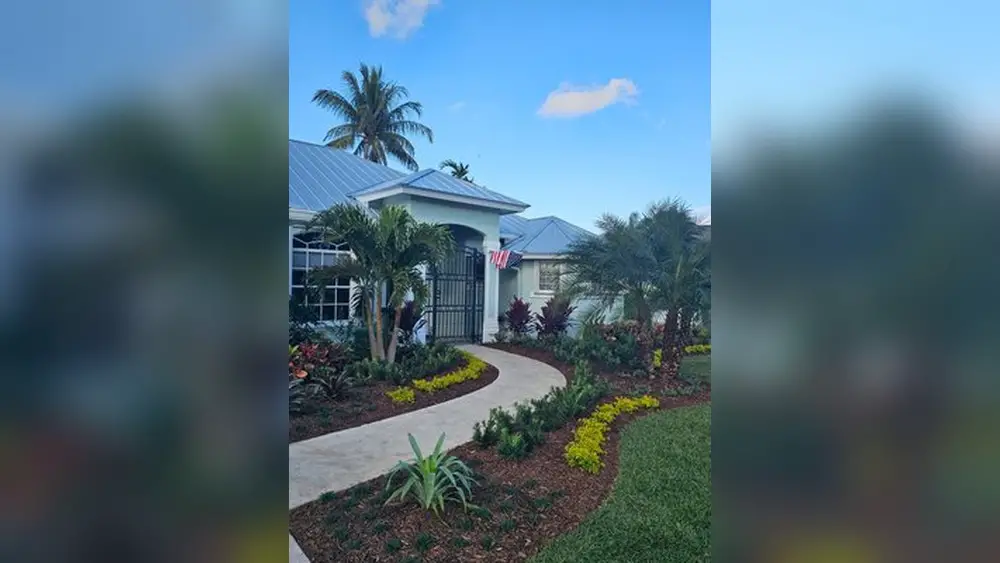
Credit: www.stanleyhomesinc.com
Florida-friendly Landscaping
Florida-Friendly Landscaping focuses on using plants and practices that suit Florida’s climate. It promotes healthy gardens that save water and protect the environment. This approach supports native plants and smart gardening techniques for lasting beauty.
Choosing the right plants helps your garden thrive with less effort. It also reduces the need for extra water and chemicals. Florida-Friendly Landscaping creates spaces that are both attractive and sustainable.
Native Plants Benefits
Native plants grow naturally in Florida’s climate. They need less water and fewer fertilizers. These plants support local wildlife like birds and butterflies. Using natives keeps your garden healthy and balanced. They adapt well to Florida’s soil and weather conditions.
Water Conservation Tips
Water wisely by watering early in the morning or late in the evening. Use mulch around plants to keep soil moist. Choose plants that require less water. Group plants with similar water needs together. Collect rainwater to reduce tap water use. These steps save water and keep plants healthy.
Low-maintenance Choices
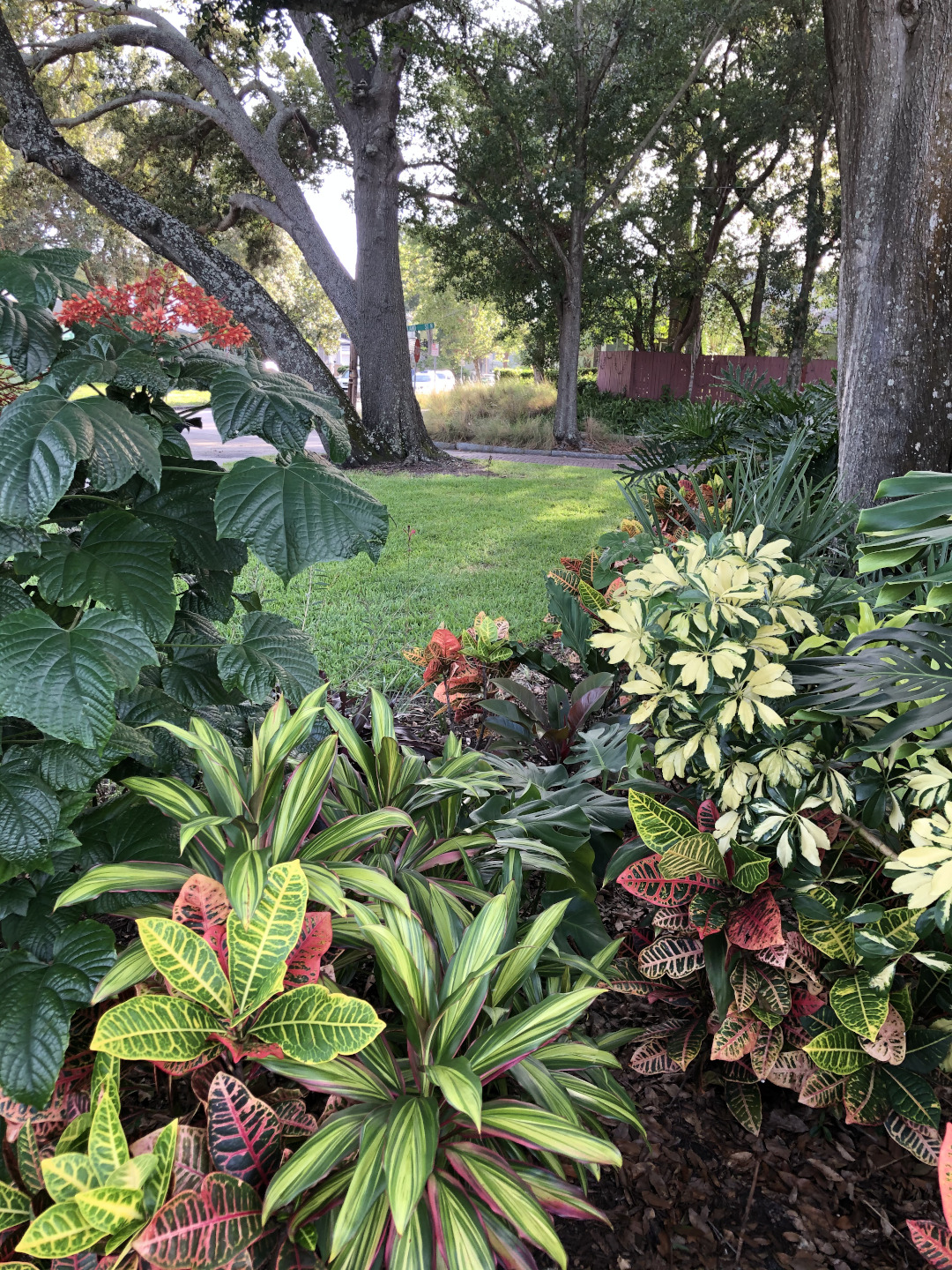
Select plants that do not need much care or trimming. Palms, muhly grass, and firebush are good examples. They resist pests and diseases naturally. Low-maintenance plants save time and money. They keep your garden looking good year-round with little effort.
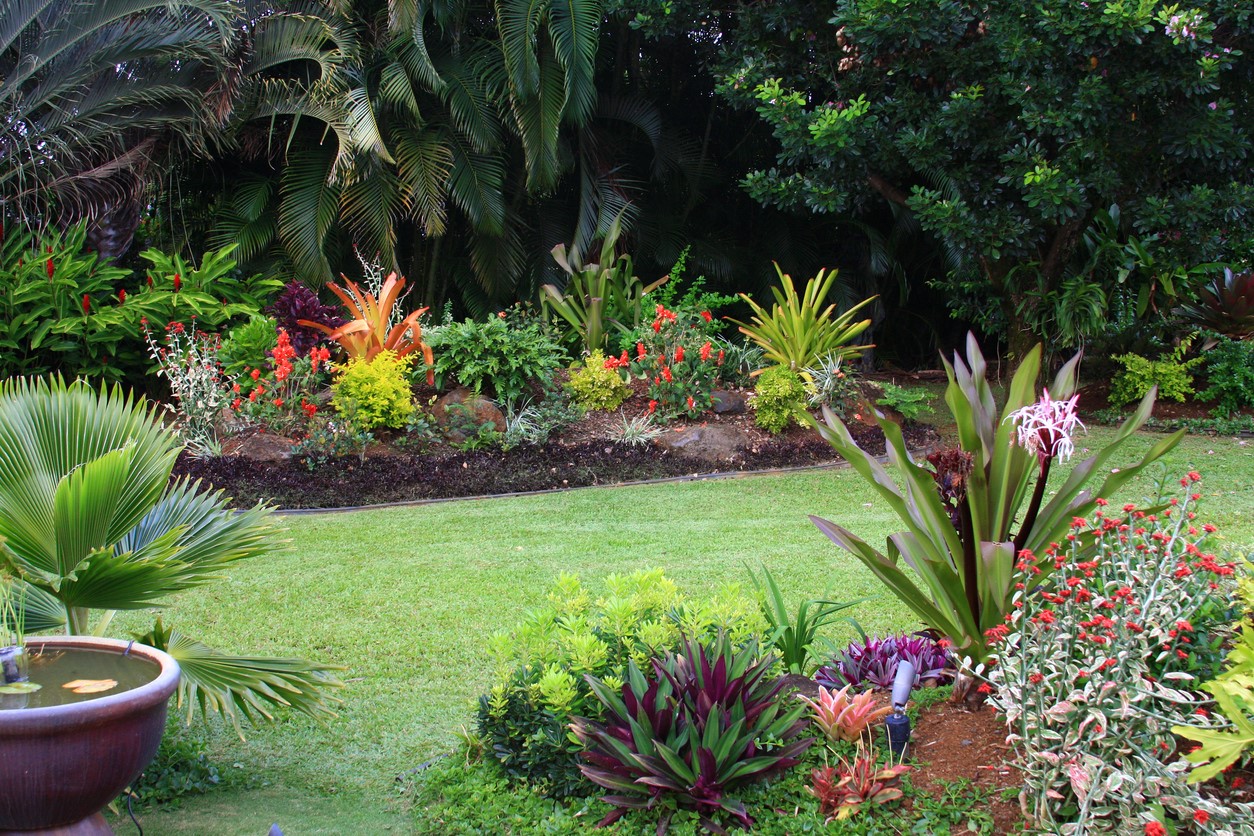
Credit: www.finegardening.com
Top Plants For Florida Gardens
Florida gardens thrive with plants that suit the warm climate and sandy soils. Choosing the right plants helps create beautiful, low-maintenance landscapes. Native and adapted species save water and resist pests well. Here are top plant choices for Florida gardens that combine beauty and durability.
Drought-tolerant Species
Drought-tolerant plants survive dry spells and need less watering. Examples include agave, yucca, and lantana. These plants store water and have tough leaves. They reduce garden upkeep and protect soil from erosion. Their unique shapes add texture and interest to any garden.
Colorful Flowering Plants
Bright flowers bring life and color to outdoor spaces. Hibiscus, bougainvillea, and pentas bloom in vibrant reds, pinks, and purples. These plants attract butterflies and hummingbirds. They brighten patios and flower beds with long-lasting blossoms. Choose varieties that thrive in full sun for best results.
Evergreens And Shrubs
Evergreens provide year-round greenery and structure. Viburnum, yaupon holly, and gardenia are popular choices. These shrubs offer privacy and wind protection. Their dense foliage creates a lush garden backdrop. Many evergreens produce berries that feed birds through winter.
Trees For Shade And Structure
Trees add height and cool shade to Florida yards. Live oak, southern magnolia, and bald cypress are excellent options. These trees have wide canopies that reduce heat. They form focal points and support wildlife habitats. Planting trees improves air quality and softens hardscape areas.
Design Tips For Vibrant Gardens
Managing pests and maintaining landscaping plants in Florida is key for a healthy garden. Florida’s warm climate can encourage many insects and diseases. Proper pest and maintenance management helps plants grow strong and reduces damage. It also lowers the need for chemicals, which benefits the environment and your family’s health.
Choosing Pest-resistant Plants
Select plants naturally strong against pests. Native Florida plants often resist local bugs and diseases well. Examples include coontie, firebush, and beautyberry. These plants need less spraying and stay healthier. Pest-resistant plants save time and money on treatments. They keep your garden looking good with less effort.
Minimal Fertilizer Use
Use fertilizers sparingly to avoid plant stress and pest problems. Too much fertilizer can attract unwanted insects. Choose slow-release fertilizers that feed plants slowly. Organic options improve soil health and reduce chemical use. Healthy soil supports strong plants that resist pests naturally. Less fertilizer means fewer maintenance tasks and safer gardens.
Sustainable Garden Practices
Practice sustainable gardening to keep your landscape thriving. Mulch helps retain moisture and prevent weeds, reducing pest hiding spots. Water plants early in the day to limit fungal growth. Encourage beneficial insects like ladybugs and lacewings to control pests naturally. Rotate plants and remove dead leaves to stop pest cycles. These steps create a balanced, low-maintenance garden.
Credit: www.youtube.com
Frequently Asked Questions
What Is The Best Low-maintenance Landscape In Florida?
The best low-maintenance landscape in Florida features native plants like goldenrod, swamp sunflower, muhly grass, and milkweed. Rain gardens naturally control water and require minimal care. Group plants in odd numbers for balance and a cohesive, easy-to-manage design.
What Is The Rule Of 3 In Landscaping?
The rule of three in landscaping groups plants or elements in threes for balance and visual appeal. It creates natural flow, depth, and cohesion in outdoor spaces. Using odd numbers like three avoids rigidity and enhances design harmony in planting, hardscaping, and color schemes.
What Outdoor Plants Are Good For Florida?
Florida outdoor plants thrive with native species like Butterfly Milkweed, Gumbo Limbo, Muhly Grass, Goldenrod, and Swamp Sunflower. These plants tolerate heat, humidity, and drought, making them ideal for low-maintenance, vibrant Florida gardens. Choose groupings of three for balanced, natural landscaping designs.
What Is Considered Florida Friendly Landscaping?
Florida friendly landscaping uses native, drought-tolerant plants that conserve water, reduce maintenance, and support local wildlife. It focuses on efficient irrigation, soil health, and sustainable practices to create eco-friendly, beautiful outdoor spaces suited to Florida’s climate.
Conclusion
Choosing the best landscaping plants in Florida adds beauty and ease to your garden. Native plants thrive well and need less water and care. Grouping plants in threes creates a natural and pleasing look. Use colors and textures wisely for a balanced space.
Healthy plants invite birds and butterflies, making your yard lively. Simple choices lead to a garden you can enjoy all year. Start small, watch your garden grow, and feel proud every day.