If you want a beautiful garden that saves water and thrives in Florida’s heat, xeriscaping is your best bet. Choosing the right plants is key to creating a landscape that looks great without needing constant watering or care.
Imagine having vibrant colors, interesting textures, and lush greenery—all while cutting down on your water bill and helping the environment. You’ll discover the best plants perfectly suited for xeriscaping in Florida. These tough, drought-resistant plants will transform your outdoor space into a stunning, low-maintenance oasis you’ll love all year round.
Keep reading to find out which plants will make your xeriscape garden a success.
Drought-tolerant Succulents
Drought-tolerant succulents are perfect for xeriscaping in Florida. These plants store water in their leaves, stems, or roots. This feature helps them survive long dry periods with minimal care. Succulents come in many shapes and sizes, adding texture and color to your garden.
They require little water and thrive in full sun, making them ideal for hot climates. Their low maintenance nature saves time and resources. Choosing the right succulents ensures a beautiful, sustainable landscape.
Agave Varieties
Agave plants have thick, fleshy leaves that hold water well. They are known for their sharp, pointed leaves and dramatic rosette shapes. Many agave types tolerate heat and drought, perfect for Florida gardens. Some popular varieties include Agave americana and Agave parryi. These plants need well-draining soil and full sunlight to thrive. Agaves grow slowly but last for many years.
Cacti Types
Cacti are classic drought-tolerant succulents with unique shapes and spines. They store water in their thick stems, allowing survival in dry conditions. Florida’s warm climate supports many cacti types like prickly pear and barrel cactus. Cacti bloom with colorful flowers, adding charm to any xeriscape. They prefer sandy, well-drained soil and bright sunlight. Cacti need little watering once established, making them easy to care for.
Sedum Species
Sedums, also known as stonecrops, are low-growing succulents with tiny, water-storing leaves. These plants spread easily and cover ground, preventing weeds. Sedums come in many varieties, such as Sedum acre and Sedum spectabile. They tolerate heat and drought well and thrive in poor soil. Sedums produce small star-shaped flowers that attract pollinators. Their low water needs and hardiness make them a great choice for Florida xeriscaping.
Credit: www.tampabaypond.com
Colorful Perennials
Colorful perennials bring life and vibrancy to xeriscape gardens in Florida. These plants use little water but offer bright, lasting blooms. They attract pollinators like bees and butterflies. Their strong roots help reduce soil erosion and keep the garden healthy.
Choosing the right perennials can create a beautiful, low-maintenance landscape. These plants bloom year after year with minimal care. They thrive in Florida’s hot, dry climate. Their colors range from soft pastels to vivid reds and purples.
Coneflower Options
Coneflowers, or Echinacea, stand out in any xeriscape garden. They handle heat and drought well. Their daisy-like flowers come in pink, purple, white, and orange. These perennials attract butterflies and bees, adding life to your garden.
They grow tall and strong, with deep roots that need little water. Coneflowers bloom from early summer to fall. They can tolerate poor soil and full sun. Some varieties include the Purple Coneflower and the White Swan.
Sage Varieties
Sage, or Salvia, offers rich colors and scents for xeriscaping. It thrives in dry, sunny spots with little water. Sage flowers appear in blue, purple, red, and pink shades. They attract hummingbirds and butterflies, enhancing garden activity.
Popular types include Germander Sage and Texas Sage. These plants have aromatic leaves that help repel pests. Sage requires well-draining soil and can handle Florida’s heat. Their long blooming season makes them a garden favorite.
Heat-resistant Shrubs
Heat-resistant shrubs are essential for xeriscaping in Florida’s hot climate. These plants survive intense sun and dry spells without much water. They keep your garden green and vibrant all year. Shrubs also add texture and structure to xeriscape designs. Choose varieties that handle heat well and need little care. This saves water and time while creating a beautiful landscape.
Lantana Choices
Lantanas are colorful shrubs that bloom in many shades. They attract butterflies and bees, adding life to your garden. Lantanas thrive in full sun and tolerate drought easily. Their tough leaves reduce water loss, making them perfect for xeriscaping. Try varieties like Texas lantana or Miss Huff for bright flowers and compact growth.
Yucca Selections
Yuccas are spiky, dramatic shrubs that handle heat without stress. They store water in thick leaves, helping them survive dry times. Yucca plants need well-drained soil and full sun to grow best. Red yucca is a popular choice with tall flower spikes that attract hummingbirds. Their bold shapes add interest to any xeriscape garden.
Juniper Ground Covers
Junipers make excellent ground covers for hot, dry areas. They spread low and wide, controlling soil erosion and suppressing weeds. Junipers are evergreen, keeping gardens green year-round. Shore juniper is a great heat-tolerant option for Florida xeriscapes. These shrubs require minimal water once established and tolerate poor soil well.
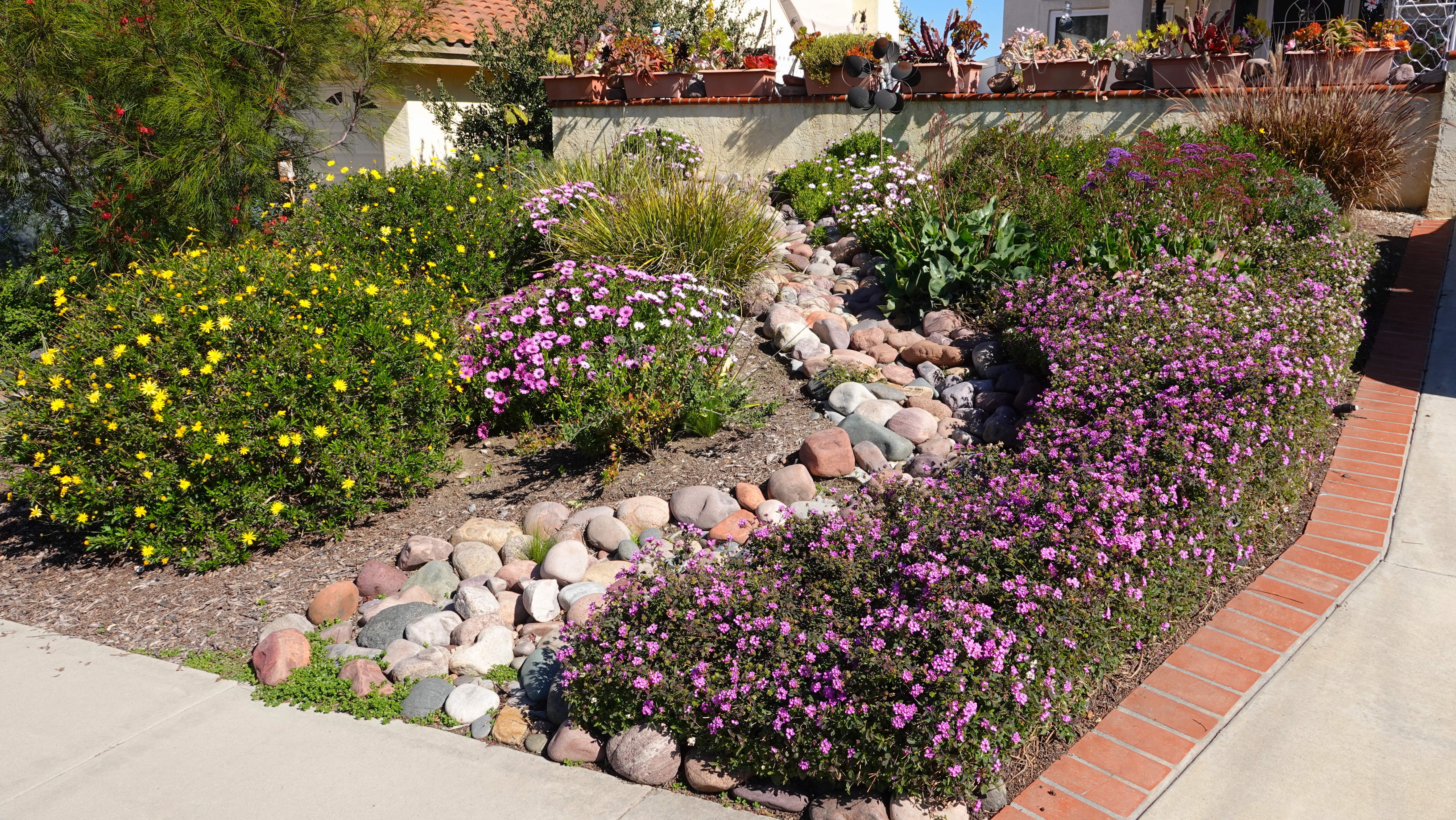
Credit: www.elitelandscapeconcepts.com
Planting Tips For Florida Xeriscapes
Planting xeriscape gardens in Florida requires smart planning and attention to local conditions. Choosing the right plants is just the start. Proper planting techniques help your garden thrive with less water and care. Follow these key tips to create a healthy and beautiful xeriscape.
Matching Plants To Climate
Florida’s climate is warm and humid with occasional dry spells. Choose plants that tolerate heat and drought well. Native species often perform best because they are adapted to local weather. Avoid plants that need constant moisture or cold winters to survive. This match reduces watering needs and keeps plants healthy.
Sun Exposure Needs
Most xeriscape plants prefer full sun to grow strong. Check each plant’s sun requirements before planting. Place sun-loving plants in open, bright spots. Some plants do better in partial shade, especially in the hot afternoon sun. Proper sun exposure boosts growth and reduces disease risks.
Soil Drainage Importance
Well-draining soil is essential for xeriscape success. Many drought-tolerant plants suffer in soggy or clay soils. Improve drainage by adding sand or organic matter to heavy soil. Raised beds or mounds also help water drain quickly. Good drainage prevents root rot and keeps plants thriving.
Designing With Xeriscape Plants
Designing with xeriscape plants creates beautiful, water-smart landscapes. These plants suit Florida’s warm, dry climate perfectly. They reduce water use while adding color and life to gardens. Thoughtful design brings out their best features and ensures a lasting garden.
Choosing the right plants and arranging them well helps create balance. Xeriscape designs focus on drought-tolerant plants that need little care. Combining different textures and colors adds interest and charm to outdoor spaces.
Combining Textures And Colors
Mix plants with varied leaf shapes and sizes for texture. Use spiky agaves, soft sedums, and broad-leaf lantanas together. This contrast makes the garden visually appealing.
Colors matter too. Purple sage, yellow lantana, and green junipers brighten the scene. Planting vibrant flowers near muted greens creates focal points. This draws attention without overwhelming the space.
Creating Low-maintenance Beds
Group plants with similar water needs to save time and water. Using mulch helps retain soil moisture and reduces weeds. It keeps plants healthy and soil cool.
Choose native or well-adapted xeriscape plants for easier care. These plants resist pests and tolerate Florida’s heat well. Low-maintenance beds give you more free time and a thriving garden.

Credit: www.arkaenergy.com
Frequently Asked Questions
What Are The Best Plants For Xeriscaping?
Best xeriscaping plants include agave, cactus, lavender, sedum, coneflower, sage, lantana, yucca, and juniper. They thrive in dry, sunny conditions and need minimal water. Choose species suited to your local climate and soil for optimal growth and drought resistance.
What Are The Low-maintenance Drought Resistant Plants In Florida?
Low-maintenance, drought-resistant plants in Florida include agave, cactus, lavender, sedum, coneflower, sage, lantana, yucca, and juniper. These plants thrive in full sun and require minimal watering. Choose species suited to local climate and soil for best results.
What Is The Downside Of Xeriscape?
Xeriscaping can limit plant variety due to drought-tolerant species. Initial setup may cost more. Some designs appear sparse. It requires proper planning to avoid soil erosion. Maintenance differs from traditional gardens, needing specific knowledge.
What Is The Best Low-maintenance Landscape In Florida?
The best low-maintenance landscape in Florida uses drought-tolerant plants like agave, lantana, sedum, coneflower, and yucca. These thrive in heat, require little water, and suit Florida’s climate, reducing upkeep while enhancing garden beauty.
Conclusion
Choosing the right plants makes xeriscaping in Florida easier and more successful. Drought-tolerant plants like agave, cactus, and lavender save water and add beauty. These plants thrive in sunny, dry conditions common in Florida. They require less care, helping you maintain a healthy garden with less effort.
Remember to match plants to your local climate and soil type. With the best plants, your xeriscape will stay vibrant year-round. Enjoy a sustainable, water-wise garden that looks great and supports the environment. Xeriscaping can transform your outdoor space simply and naturally.