If you’re looking to add vibrant color and unique charm to your Florida garden, poppies are an excellent choice. But with Florida’s warm climate and unique soil conditions, not every poppy variety will thrive here.
You might wonder, which poppies will flourish in your garden and bring that splash of beauty you’re hoping for? You’ll discover the best poppies to grow in Florida, along with simple tips to help you plant and care for them successfully.
Keep reading to find the perfect poppies that will brighten your outdoor space and make your garden the envy of your neighborhood.
Credit: www.reddit.com
Top Poppy Varieties For Florida
Florida’s warm climate and sandy soil create a great environment for growing poppies. Many poppy varieties thrive here, adding bright colors and delicate shapes to gardens. Choosing the right poppy type helps ensure success and vibrant blooms. Below are some top poppy varieties suited for Florida’s unique conditions.
California Poppy
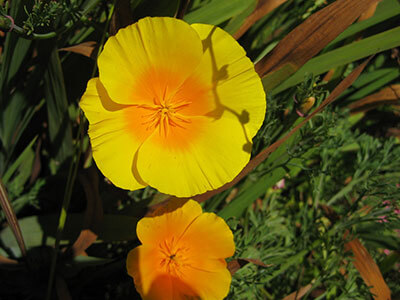
California poppies show bright orange and yellow flowers. They prefer full sun and well-drained soil. These poppies are drought-tolerant and bloom from spring to early summer. Their soft, fern-like leaves add texture to any garden bed. They reseed easily, filling spaces with new plants each year.
Woodland Poppymallow
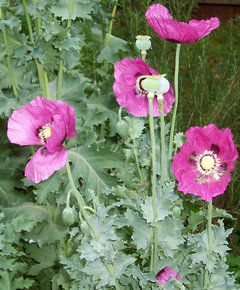
Woodland poppymallow is a rare native wildflower in Florida. It produces large, magenta cup-shaped flowers. This poppy grows best in upland mixed forests and dry hammocks. It thrives in part shade and well-drained soil. It supports local wildlife and adds a natural look to native gardens.
Mexican Prickly Poppy
Mexican prickly poppies have striking white flowers with dark centers. Their prickly stems and leaves add unique texture. They grow well in sunny spots with dry to medium moisture soil. This poppy attracts bees and butterflies, boosting garden pollination. It is heat tolerant and blooms in late spring.
Iceland Poppy
Iceland poppies bring soft pastel colors like pink, yellow, and white. They prefer cooler weather but can grow in Florida’s mild winters. These poppies like full sun and moist, well-drained soil. Their delicate petals create a gentle, dreamy garden effect. They bloom best in early spring and fall.
Shirley Poppy
Shirley poppies show bright red, pink, or white petals with dark centers. They grow well in sunny areas with moderate water. These poppies have a long blooming period from spring to fall. They are easy to grow from seed and self-sow naturally. Their charming blooms brighten up any garden space.
Breadseed Poppy
Breadseed poppies have large, showy flowers in shades of red, white, or pink. They prefer full sun and well-drained soil. These poppies grow quickly and produce many seeds. They add bold color and height to garden beds. Breadseed poppies thrive in Florida’s warm, sunny climate.
Planting Tips For Florida Gardens
Growing poppies in Florida gardens requires some care to ensure healthy plants and vibrant blooms. Understanding the right conditions and methods helps poppies thrive in the Florida climate. Follow these planting tips to create a flourishing poppy patch that brightens your garden with colorful flowers.
Best Planting Time
Plant poppy seeds in late winter or early spring. The cooler soil helps seeds sprout well. Avoid planting during hot summer months to prevent seed failure. Early planting gives poppies time to grow before Florida’s heat arrives.
Seed Sowing Techniques
Sprinkle poppy seeds lightly on the soil surface. Do not cover seeds with soil. Poppy seeds need light to germinate. Press seeds gently into the soil to keep them in place. Water softly to avoid washing seeds away. Thin seedlings after they grow to avoid overcrowding.
Soil And Light Requirements
Use well-draining soil to prevent root rot. Sandy or loamy soil works best. Poppies need full sun for at least six hours daily. Choose a sunny spot in your garden. Avoid shaded areas, as they reduce flower production.
Watering Guidelines
Water poppies moderately after planting. Keep soil moist but not soggy. Once established, water weekly during dry spells. Overwatering can cause root problems. Let soil dry slightly between waterings to keep plants healthy.
Growing Challenges In Florida
Growing poppies in Florida presents unique challenges. The state’s warm climate and moist air can affect poppy health. Gardeners must understand these factors to succeed. Knowing the hurdles helps in choosing the right varieties and care methods. Below are key challenges to consider when growing poppies in Florida.
Heat And Humidity Effects
Florida’s heat can stress poppy plants quickly. High temperatures cause leaves to wilt and flowers to fade. Humidity encourages fungal growth on stems and leaves. These conditions shorten the blooming period. Choosing heat-tolerant poppy types helps. Watering early in the day reduces moisture on leaves at night.
Dealing With Transplant Shock
Transplant shock is common in Florida’s climate. Poppies may droop or stop growing after moving. The hot sun can dry roots before they settle. Plant seedlings in shaded spots first. Water gently but regularly for the first week. Avoid deep planting to keep roots healthy.
Pest And Disease Management
Florida’s warm weather invites many pests like aphids and spider mites. These insects damage poppy leaves and flowers. Fungal diseases spread fast in moist conditions. Inspect plants often for signs of pests or mold. Use natural pest controls or fungicides as needed. Clean garden tools to prevent disease spread.
Credit: ffl.ifas.ufl.edu
Native Vs Non-native Poppies
Choosing between native and non-native poppies affects your garden’s health and beauty. Native poppies have adapted to Florida’s climate and soil. Non-native poppies may bring unique colors and shapes. Both types offer different advantages and require special care. Knowing these differences helps you select the best poppies to grow in Florida.
Benefits Of Native Species
Native poppies thrive in Florida’s hot and humid weather. They need less water and fertilizer. These poppies support local wildlife like bees and butterflies. They are more resistant to pests and diseases common in Florida. Native poppies help preserve the natural ecosystem. They bloom reliably and fit well in natural garden designs.
Considerations For Exotic Varieties
Non-native poppies add color variety and unique flower shapes. Some exotic poppies may need extra care like shade or more water. They can struggle with Florida’s heat or wet season. Exotic types may attract different pollinators but might not support local wildlife fully. Watch for invasive behavior; some non-native plants spread too fast. Growing these poppies can be rewarding with proper care and attention.
Poppy Care Throughout The Seasons
Caring for poppies in Florida requires attention through all seasons. Each season brings different challenges. Proper care ensures healthy plants and vibrant blooms year-round.
Winter Protection
Florida winters are mild but can get chilly. Cover poppies with light mulch to protect roots. Avoid heavy frost exposure by planting near walls or fences. Water plants less often to prevent root rot. Remove mulch in early spring to allow new growth.
Summer Maintenance
Summer heat can stress poppies in Florida. Provide partial shade during the hottest part of the day. Water deeply but less frequently to encourage strong roots. Remove dead flowers to promote more blooms. Watch for pests like aphids and treat promptly.
Preparing For Bloom
Prepare poppies for blooming by feeding them with balanced fertilizer. Thin seedlings to avoid overcrowding and improve airflow. Keep soil moist but not soggy to support flower development. Regularly remove weeds that compete for nutrients. Early spring is the best time to start these steps.
Credit: www.houzz.com
Legal And Ethical Growing Notes
Growing poppies in Florida requires awareness of legal and ethical issues. These plants can be beautiful additions to gardens but also have regulations. Understanding the rules protects growers and preserves nature. Ethical practices ensure that native species and environments remain safe. Always check local laws before planting any poppy variety.
Legality Of Growing Poppies
Poppies include many species, some legal to grow, others restricted. The opium poppy is illegal in many areas due to its use in drug production. In Florida, growing opium poppies without a license is prohibited. Other ornamental poppies like California poppies are legal and safe. Confirm the type of poppy before planting to avoid legal trouble.
Sourcing Seeds Responsibly
Buy poppy seeds from reputable sellers who follow laws. Avoid collecting seeds from protected wild plants. Wild poppies in Florida, such as the Woodland poppymallow, are rare and protected. Planting native poppies helps local ecosystems but only if seeds come from ethical sources. Responsible sourcing supports conservation and maintains biodiversity.
Creative Uses For Poppies
Poppies are more than bright flowers in Florida gardens. Their vivid colors and delicate shapes inspire many creative uses. From garden layouts to attracting helpful insects, poppies offer unique benefits. Understanding these uses helps gardeners enjoy poppies in many ways.
Garden Design Ideas
Poppies fit well in sunny Florida gardens. Plant them in clusters for a splash of color. They work great along pathways or garden edges. Mix poppies with other wildflowers for a natural look. Their bright petals contrast nicely with green leaves. Use different poppy types for varied heights and colors. This adds depth and interest to your garden space.
Cut Flower Arrangements
Poppies make lovely cut flowers for home decor. Their slender stems and bold blooms brighten any room. Cut them early in the morning for longer vase life. Combine poppies with greenery or soft flowers for balance. Use clear vases to highlight their vibrant colors. Change water often to keep flowers fresh. Fresh poppy bouquets bring nature’s beauty indoors.
Attracting Pollinators
Poppies attract bees and butterflies that pollinate plants. Their open flowers provide easy access to nectar. This helps increase fruit and vegetable yields nearby. Plant poppies near vegetable beds or fruit trees. They support local wildlife and improve garden health. Pollinators also help maintain Florida’s natural ecosystems. Growing poppies creates a lively, buzzing garden environment.
Conclusion
Choosing the best poppies for Florida ensures colorful, vibrant gardens year-round. These poppies thrive in warm climates and add charm with minimal care. Plant seeds gently on soil surface and water lightly for best growth. Regular watering supports blooming but avoid overwatering to prevent root issues.
With proper care, poppies brighten any Florida garden space easily. Enjoy the simple beauty and natural elegance poppies bring to your yard. Start planting today and watch your garden flourish with these lovely flowers.