Gardening in Orlando, Florida, offers unique opportunities and challenges due to the region’s subtropical climate. With warm temperatures, high humidity, and distinct wet and dry seasons, determining the best time to plant a garden in Orlando requires careful planning. This guide explores the optimal planting times for various crops, seasonal considerations, and expert tips to help you create a thriving garden in Central Florida. Whether you’re growing vegetables, herbs, flowers, or fruit trees, understanding Orlando’s climate and planting calendar is key to success.
Understanding Orlando’s Climate for Gardening
Orlando, located in USDA Hardiness Zone 9b, experiences mild winters, hot summers, and a long growing season. The average annual temperature ranges from 60°F to 85°F, with occasional frosts in winter and intense heat in summer. The region’s climate is classified as humid subtropical, with a wet season from May to October and a dry season from November to April. These conditions influence the best times to plant and the types of plants that thrive.
Key Climate Factors for Orlando Gardeners
- Temperature: Winter lows rarely dip below 30°F, while summer highs often exceed 90°F.
- Rainfall: The wet season brings heavy rains, while the dry season requires supplemental irrigation.
- Frost Dates: The average last frost date is mid-February, and the first frost date is mid-December, providing a long frost-free period.
- Humidity: High humidity can promote fungal diseases, so plant spacing and air circulation are critical.
By aligning your planting schedule with these factors, you can maximize your garden’s productivity and health.
Best Times to Plant a Garden in Orlando
Orlando’s extended growing season allows for year-round gardening, but specific crops have ideal planting windows based on temperature, rainfall, and daylight. Below is a breakdown of the best times to plant various types of gardens in Orlando, optimized for success.
1. Vegetable Gardening
Vegetables can be grown nearly year-round in Orlando, but timing depends on whether the crop prefers warm or cool weather. Florida’s Cooperative Extension Service and local gardening experts recommend a two-season approach for vegetables: a warm-season planting in spring and late summer, and a cool-season planting in fall and winter.
Spring Planting (February to April)
- Best for: Warm-season crops that thrive in rising temperatures.
- Vegetables to Plant:
- Tomatoes: Plant in March for a summer harvest. Varieties like ‘Solar Fire’ and ‘Florida 91’ are heat-tolerant.
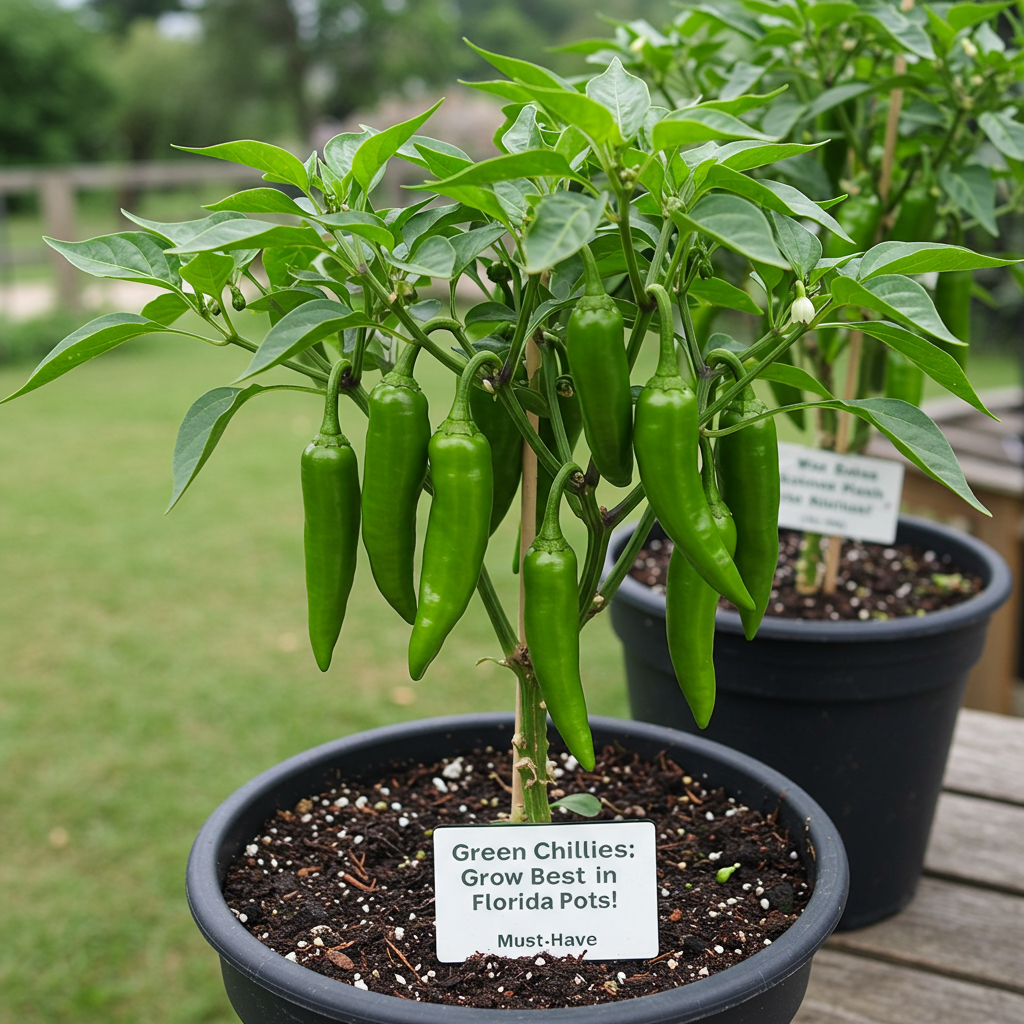
- Peppers: Bell and chili peppers do well when planted in March or early April.
- Cucumbers: Plant in late February to March for a May harvest.
- Okra: Thrives in Orlando’s heat; plant in March or April.
- Eggplant: Plant in March for a summer yield.
- Tips: Start seeds indoors in January for transplants, or use seedlings from local nurseries like Lukas Nursery in Oviedo. Ensure well-drained soil and mulch to retain moisture.
Late Summer Planting (August to September)
- Best for: Warm-season crops for a fall harvest.
- Vegetables to Plant:
- Squash: Plant summer squash in August for a September harvest.
- Beans: Bush and pole beans grow well when planted in late summer.
- Corn: Plant in August for a fall crop, ensuring full sun and fertile soil.
- Tips: Watch for heavy rains during the wet season. Raised beds or containers can prevent waterlogging.
Fall and Winter Planting (October to December)
- Best for: Cool-season crops that tolerate mild winters.
- Vegetables to Plant:
- Lettuce: Plant in October for a winter harvest. Try varieties like ‘Black-Seeded Simpson.’
- Broccoli: Plant in October or November for a January harvest.
- Kale: Thrives in Orlando’s mild winters; plant in November.
- Carrots: Plant in October for a sweet winter crop.
- Collards: A Southern favorite, plant in fall for harvests through winter.
- Tips: Protect young plants from occasional frosts with row covers. Use compost to enrich sandy soils common in Orlando.
2. Herb Gardening
Herbs are versatile and can be planted year-round in Orlando, but certain herbs perform better in specific seasons.
- Spring and Summer (March to August):
- Basil: Plant in spring for a summer harvest. Genovese and Thai basil thrive in Orlando’s heat.
- Oregano: Plant in spring for year-round growth.
- Mint: Grows well in partial shade; plant in spring to avoid winter slowdown.
- Fall and Winter (September to February):
- Parsley: Plant in fall for a winter harvest.
- Cilantro: Thrives in cooler months; plant in October to avoid bolting.
- Rosemary: A hardy perennial, plant in fall for year-round use.
- Tips: Herbs prefer well-drained soil. Use containers for easy management and to protect tender herbs like basil from cold snaps.
3. Flower Gardening
Flowers add beauty to Orlando gardens and attract pollinators. Timing depends on whether the flowers are annuals or perennials.
- Spring Planting (March to April):
- Zinnias: Heat-tolerant annuals that bloom through summer.
- Marigolds: Plant in spring for vibrant summer color.
- Sunflowers: Plant in March for summer blooms.
- Fall Planting (October to November):
- Petunias: Thrive in Orlando’s mild winters.
- Pansies: Add color to winter gardens; plant in November.
- Snapdragons: Plant in fall for winter and spring blooms.
- Perennials:
- Blanket Flower (Gaillardia): Plant in spring or fall for year-round blooms.
- Salvia: Heat-tolerant and blooms year-round; plant in spring.
- Tips: Deadhead spent blooms to encourage continuous flowering. Use native or Florida-friendly plants to reduce water and maintenance needs.
4. Fruit Trees and Shrubs
Fruit trees are a long-term investment for Orlando gardeners. The best planting time is during the cooler, drier months to allow roots to establish.
- Fall and Winter (November to February):
- Citrus: Oranges, lemons, and limes are Orlando staples. Plant in winter to avoid summer heat stress.
- Peaches: Low-chill varieties like ‘Flordaprince’ do well; plant in winter.
- Blueberries: Plant highbush varieties in fall or winter.
- Avocados: Plant cold-tolerant varieties like ‘Brogdon’ in winter.
- Tips: Choose low-chill fruit varieties suited for Central Florida. Provide afternoon shade for young trees and ensure proper irrigation during establishment.
Seasonal Gardening Tips for Orlando
Spring (March to May)
- Prepare soil with compost or organic matter to improve drainage and fertility.
- Start warm-season crops early to avoid peak summer heat.
- Install drip irrigation to manage water needs during the transition to the wet season.
Summer (June to August)
- Monitor for pests like aphids and whiteflies, common in Orlando’s humid summers.
- Mulch heavily to retain moisture and reduce weed growth.
- Provide shade for heat-sensitive plants like lettuce.
Fall (September to November)
- Transition to cool-season crops as temperatures drop.
- Clear summer debris to prevent fungal diseases.
- Plant cover crops like clover to enrich soil during the off-season.
Winter (December to February)
- Protect tender plants from occasional frosts with blankets or row covers.
- Reduce watering during the dry season, but monitor soil moisture.
- Prune fruit trees and perennials to encourage healthy growth.
Soil and Water Considerations
Orlando’s sandy soils require amendments to retain nutrients and moisture. Add compost, aged manure, or peat moss to improve soil structure. Test soil pH to ensure it’s suitable for your crops (most vegetables prefer a pH of 6.0–7.0). During the wet season, ensure proper drainage to prevent root rot. In the dry season, use drip irrigation or soaker hoses to conserve water while keeping plants hydrated.
Pest and Disease Management
Common pests in Orlando include aphids, caterpillars, and nematodes. Use organic controls like neem oil or introduce beneficial insects like ladybugs. Fungal diseases like powdery mildew are common in humid conditions, so ensure good air circulation and avoid overhead watering. Regular monitoring and early intervention are key to a healthy garden.
Local Resources for Orlando Gardeners
- University of Florida IFAS Extension: Offers planting calendars and workshops for Central Florida gardeners.
- Orange County Extension Office: Provides soil testing and gardening advice.
- Local Nurseries: Lukas Nursery and Palmer’s Garden & Goods offer Florida-friendly plants and expert guidance.
- Community Gardens: Join groups like Fleet Farming to connect with local gardeners.
Conclusion
The best time to plant a garden in Orlando, Florida, depends on the type of plants and the season. Spring and late summer are ideal for warm-season vegetables, while fall and winter suit cool-season crops and fruit trees. Flowers and herbs can be planted year-round with proper care. By understanding Orlando’s climate, preparing the soil, and following a seasonal planting schedule, you can enjoy a productive and beautiful garden. Start planning today, and take advantage of Orlando’s long growing season to create your own backyard oasis.