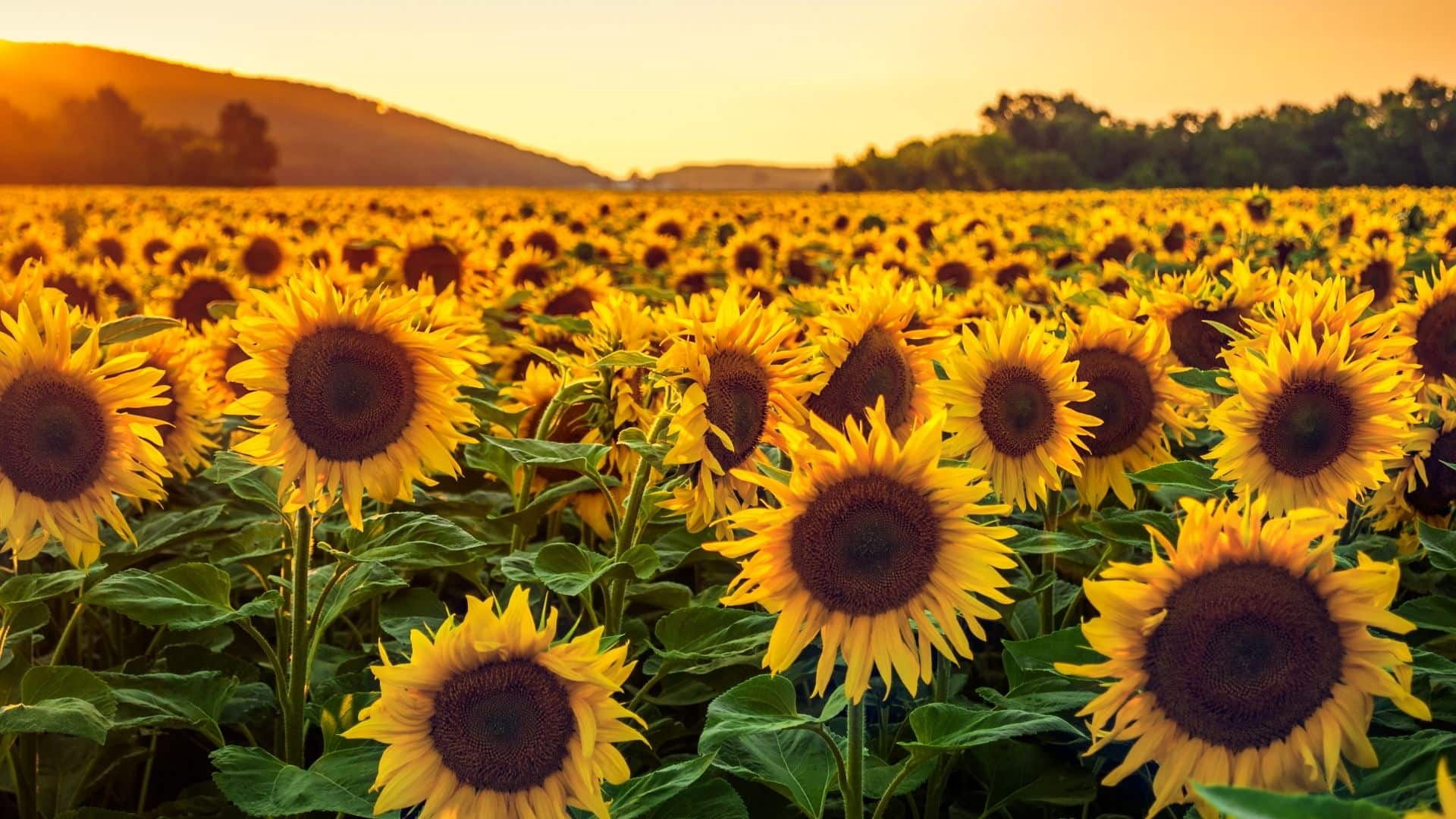
If you’re eager to brighten your garden with tall, cheerful sunflowers, knowing the best time to plant sunflower seeds in Florida is key to success. You want your seeds to sprout strong and grow healthy, soaking up the warm Florida sun without risking frost or heat stress.
Planting at just the right moment ensures vibrant blooms that can lift your spirits and add natural beauty to your space. You’ll discover exactly when and how to plant your sunflower seeds in Florida, so you can enjoy a stunning sunflower garden all season long.
Keep reading to find out how to get your sunflowers off to the best possible start!
Credit: neroliblume.com
Planting Seasons In Florida
Florida’s warm climate allows for multiple planting seasons for sunflowers. Understanding these seasons helps gardeners get the best blooms. Each season has its own benefits and challenges. Timing planting right ensures strong growth and vibrant flowers. Below are the key planting times for sunflowers in Florida.
Spring Planting Window
Spring is the most popular time to plant sunflower seeds in Florida. Plant after the last frost date, usually late February to early March. Soil temperatures above 50°F help seeds germinate quickly. Sunflowers planted in spring grow tall and bloom by early summer. The long days and warm weather support healthy growth. Water regularly to keep the soil moist but not soggy.
Summer Planting Tips
Planting sunflowers in summer requires some care. Florida’s heat can stress young seedlings. Choose heat-tolerant sunflower varieties for summer planting. Plant in partial shade during the hottest part of the day. Water deeply and frequently to prevent drying out. Mulch around plants to retain soil moisture and control weeds. Summer planting can extend your blooming season into fall.
September Planting Guidelines
September is a good month for a late planting of sunflowers. The soil remains warm, helping seeds sprout quickly. This planting grows flowers in late fall. Choose fast-maturing sunflower types for best results. Watch for reduced daylight as the season changes. Keep soil moist and watch for any early cold snaps. September planting provides a beautiful late-season display.
Fall Frost Considerations
Frost can harm sunflowers in fall and winter. Florida’s frost dates vary by region. Plant sunflowers at least 8 weeks before the first expected frost. This timing allows flowers to mature before cold weather arrives. Use frost cloths or cover plants if frost threatens. In southern Florida, frost is rare, so fall planting is easier. Always monitor weather forecasts to protect your garden.
Choosing Sunflower Varieties
Choosing the right sunflower variety is key for a successful garden in Florida. Different types suit different needs and growing conditions. Selecting a variety that matches your garden space and goals ensures better growth and blooms. Consider factors like maturity time, size, and purpose before planting.
Fast-maturing Varieties
Fast-maturing sunflowers grow quickly and bloom sooner. These types are great for Florida’s shorter growing seasons. They often mature within 60 to 70 days. Planting fast varieties helps you enjoy flowers before the hot summer peaks. They also work well if you want multiple planting rounds in one year.
Dwarf Sunflower Options
Dwarf sunflowers stay small, usually under three feet tall. They fit well in small gardens or containers. These compact plants need less space but still provide bright blooms. Dwarf varieties are easier to manage and less likely to fall over in strong winds. Ideal for patios and balconies.
Ornamental Vs. Edible Types
Ornamental sunflowers grow for their bright petals and height. They add color and charm to any garden. Edible types produce seeds that you can harvest for snacks or birdfeeders. Some varieties combine both features but choose based on your main goal. Edible sunflowers tend to have smaller, tougher petals.
Preparing Your Garden Bed
Preparing your garden bed is the first step to grow healthy sunflowers in Florida. A well-prepared bed ensures strong roots and vibrant blooms. Spend time clearing and improving the soil before planting seeds.
Clearing Weeds And Debris
Remove all weeds, grass, and stones from your garden bed. Weeds compete with sunflowers for nutrients and water. Clear debris to create a clean space for seeds to grow. This helps seedlings get sunlight and air easily.
Soil Loosening Techniques
Loosen the soil with a garden fork or rake up to 6 inches deep. Soft soil allows roots to spread and grow well. Break clumps to create a fine texture. This improves drainage and air flow for the seeds.
Soil Quality And Fertilization
Test your soil to check its pH and nutrient levels. Sunflowers prefer slightly acidic to neutral soil, around 6.0 to 7.5 pH. Add compost or well-rotted manure to enrich the soil. Use a balanced fertilizer to provide nitrogen, phosphorus, and potassium. This supports strong growth and bright flowers.
Credit: gardeningsolutions.ifas.ufl.edu
Planting Techniques
Planting sunflower seeds in Florida requires simple but effective techniques. Proper planting ensures strong growth and bright blooms. Using the right methods helps seeds sprout faster and plants stay healthy. Follow these easy steps for the best sunflower garden.
Direct Seeding Methods
Plant sunflower seeds directly into the soil outdoors. Choose a sunny spot with well-drained soil. Dig small holes about 1 inch deep. Place one or two seeds in each hole. Cover the seeds lightly with soil. Water gently to keep the soil moist. Seeds will sprout in about 7 to 10 days. This method gives sunflowers space to grow tall and strong.
Scattering Seeds For Natural Look
Scatter seeds by hand over a prepared garden bed. Clear the area of weeds and debris first. Loosen the top soil with a rake to help seeds settle. Mix seeds with dry sand or rice hulls for even spread. Scatter seeds evenly for a natural, wildflower look. Lightly rake the soil to cover seeds about 0.5 to 1 inch deep. Water gently to avoid washing seeds away. Keep soil moist until sprouts appear.
Proper Seed Spacing
Space sunflower seeds 6 to 12 inches apart. Smaller varieties need closer spacing. Larger types require more room to grow. Proper spacing allows air circulation and reduces disease risk. Crowded plants compete for nutrients and light. Mark rows or use a grid for even spacing. This helps sunflowers develop strong stems and large flowers.
Seed Covering And Watering
Cover seeds with 0.5 to 1 inch of soil. Too deep planting delays sprouting. Too shallow leaves seeds exposed to birds or drying. After planting, water the soil gently but thoroughly. Keep the soil moist, not soaked, during germination. Use a fine spray to avoid seed displacement. Water daily if the weather is dry and hot. Proper moisture helps roots grow deep and healthy.
Sunflower Care In Florida
Sunflowers thrive well in Florida’s warm climate with proper care. Growing healthy sunflowers requires attention to water, spacing, and pest control. These bright blooms bring joy and attract pollinators to your garden. Follow these simple tips to keep your sunflowers strong and vibrant throughout the season.
Watering And Moisture Needs
Sunflowers need regular watering, especially after planting. Keep the soil moist but not soggy. Water deeply once or twice a week during dry spells. Avoid overhead watering to reduce disease risk. Mulch around the base to retain moisture and cool the roots.
Thinning Seedlings
Thin seedlings when they reach 4 to 6 inches tall. Space plants about 12 to 18 inches apart for good airflow. Remove weaker plants by cutting at soil level to avoid disturbing roots. Proper thinning helps sunflowers grow strong and reduces competition for nutrients.
Managing Drought Conditions
Sunflowers tolerate some drought but need extra care in Florida’s heat. Water deeply during extended dry periods. Use mulch to keep soil moist longer. Avoid planting in full sun without shade during extreme heat. Choose drought-tolerant sunflower varieties for tougher conditions.
Pest And Disease Control
Watch for pests like aphids, caterpillars, and beetles. Handpick pests or use insecticidal soap if needed. Remove diseased leaves promptly to stop spread. Plant sunflowers in well-drained soil to prevent root rot. Rotate planting locations each year to reduce disease buildup.
Harvesting And Maintenance
Harvesting and maintaining sunflowers in Florida requires attention to timing and care. Proper harvesting ensures healthy seeds and vibrant blooms. Regular maintenance keeps plants strong and extends their beauty. Below are key tips to help you get the best results from your sunflower garden.
When To Harvest
Harvest sunflowers when the backs turn yellow and dry. The petals will have mostly fallen off by then. Check the seeds; they should be plump and firm. Harvest on a dry day to avoid mold. Cut the flower heads with about a foot of stem attached. Hang them upside down in a cool, dry place for further drying.
Seed Drying And Storage
Allow seeds to dry completely before storage. Spread them out on a screen or paper towel in a dry area. Avoid direct sunlight to prevent damage. Once fully dry, store seeds in an airtight container. Keep containers in a cool, dark place. Proper storage keeps seeds viable for planting next season or for snacks.
Extending Bloom Period
Pinch off spent flowers to encourage new blooms. Water sunflowers deeply but less often to promote strong roots. Mulch around plants to keep soil moist and cool. Fertilize every few weeks with balanced nutrients. Planting sunflowers in staggered intervals also helps keep blooms coming longer. These steps ensure a bright, long-lasting sunflower display.
Common Challenges
Planting sunflowers in Florida presents unique challenges. Gardeners must understand these obstacles to ensure healthy growth and vibrant blooms. Common issues include smaller blooms late in the season, shorter daylight affecting growth, and frost risks. Knowing how to handle these problems helps you enjoy your sunflower garden fully.
Dealing With Smaller Late-season Blooms
Sunflowers planted late often produce smaller flowers. This happens because they have less time to grow before cooler weather arrives. To avoid this, plant seeds early in the season. Choosing fast-growing sunflower varieties also helps. Smaller blooms still add charm but expect less dramatic size.
Impact Of Shorter Daylight Hours
Sunflowers need plenty of sunlight to thrive. Shorter days reduce the energy they receive. This limits their height and flower size. Planting during longer daylight periods supports better growth. Avoid planting too late in the year when days grow short. Proper sunlight exposure leads to stronger plants and larger flowers.
Frost Damage Prevention
Frost can harm sunflower seedlings and buds. Florida’s winter sometimes brings unexpected cold snaps. Protect young plants by covering them with cloth or plastic during cold nights. Planting after the last frost date reduces risk. Monitoring weather forecasts helps you act quickly to shield your sunflowers.
Credit: www.flawildflowers.org
Frequently Asked Questions
What Month Do You Plant Sunflowers In Florida?
Plant sunflower seeds in Florida from February to April for best growth. Early spring planting ensures strong blooms before heat intensifies. Choose fast-maturing varieties for late plantings. Keep soil moist and weed-free for optimal germination and healthy sunflowers.
Can I Just Scatter Sunflower Seeds?
Yes, you can scatter sunflower seeds by hand. Lightly rake them into loose, weed-free soil. Keep soil moist until germination.
Can I Plant Sunflower Seeds In September?
Yes, plant sunflower seeds in early September for late blooms. Choose fast-maturing varieties and plant in warm climates to avoid frost damage.
How To Plant Sunflower Seeds In Florida?
Plant sunflower seeds in Florida from February to April for best growth. Choose a sunny spot with well-drained soil. Plant seeds 1 inch deep, 6-12 inches apart. Water regularly to keep soil moist until germination. Thin seedlings to avoid overcrowding and promote healthy growth.
Conclusion
Planting sunflower seeds at the right time in Florida helps them grow strong. Early spring or late summer offers the best conditions for healthy blooms. Warm soil and consistent moisture boost seed germination. Avoid planting during extreme heat to protect seedlings.
Proper timing makes your sunflower garden vibrant and long-lasting. Start your planting with care, and enjoy bright sunflowers all season.