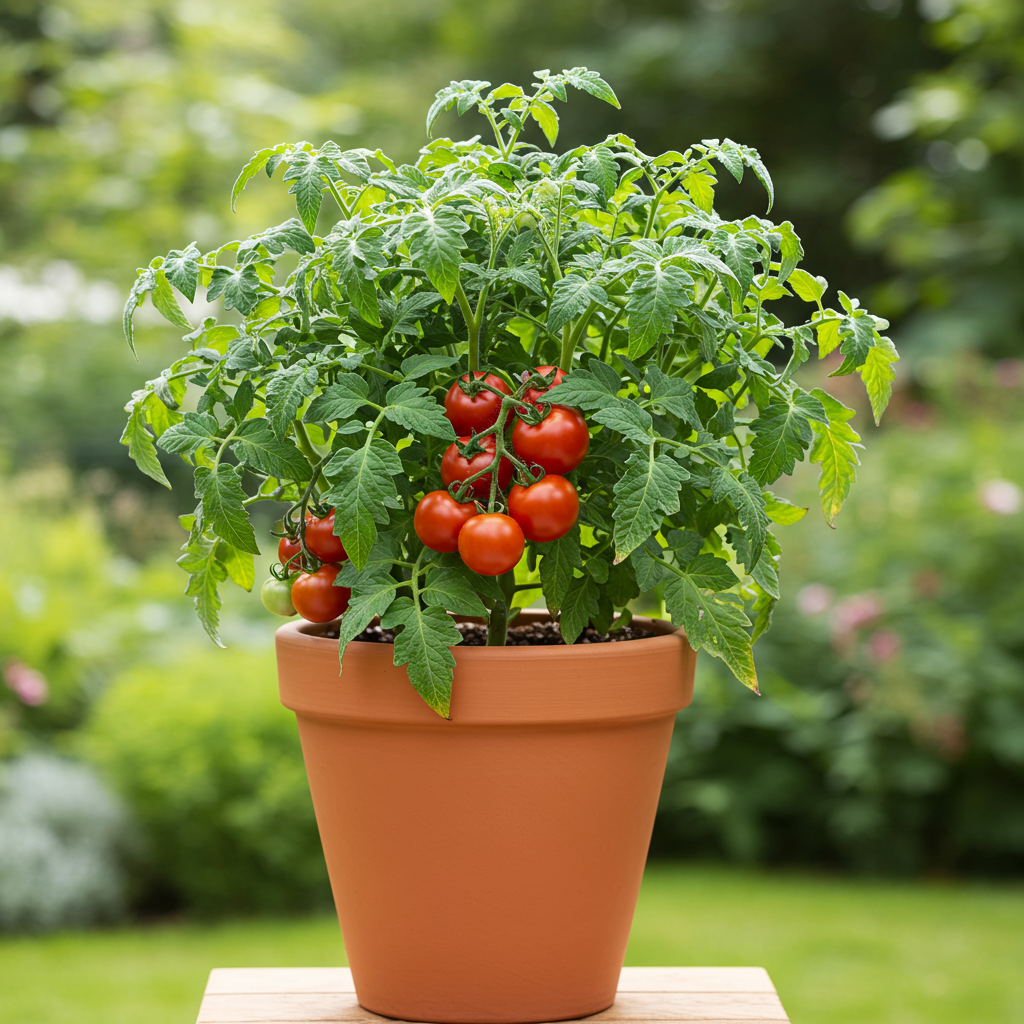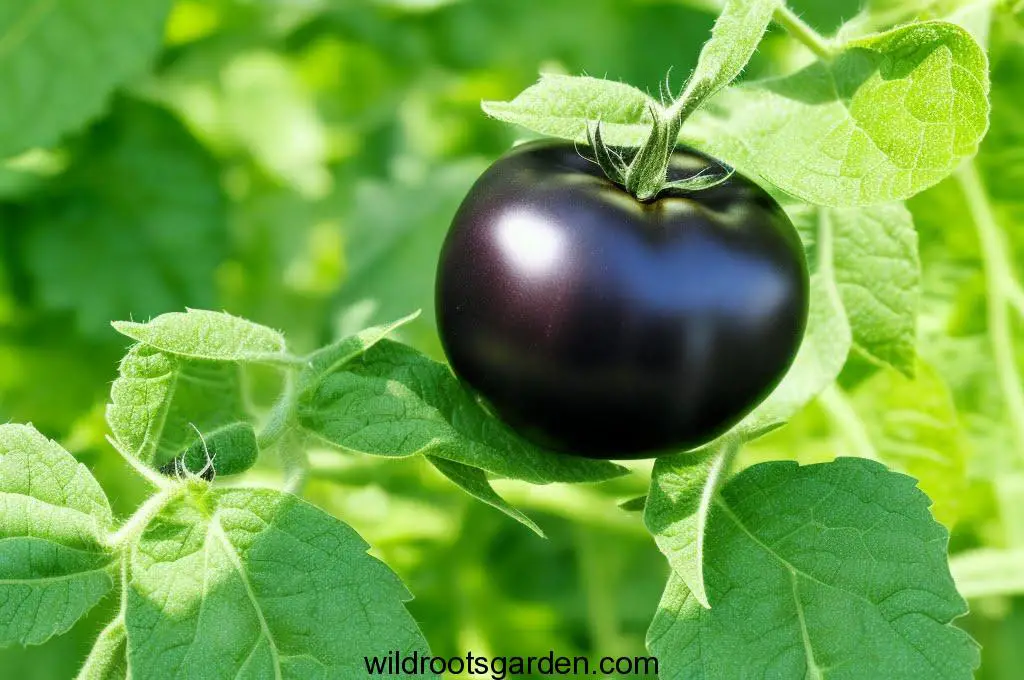
Black Edges on Tomato Leaves. One of the most well-liked and commonly cultivated plants in backyard gardens and industrial farms are tomatoes. They give flavor and are a rich source of nutrients to a variety of gourmet preparations. Nonetheless, it can be disappointing to see tomato leaf margins turn black. In order to restore the health of your tomato plants, we will examine prevention strategies, look into the reasons for this problem, and offer efficient solutions.
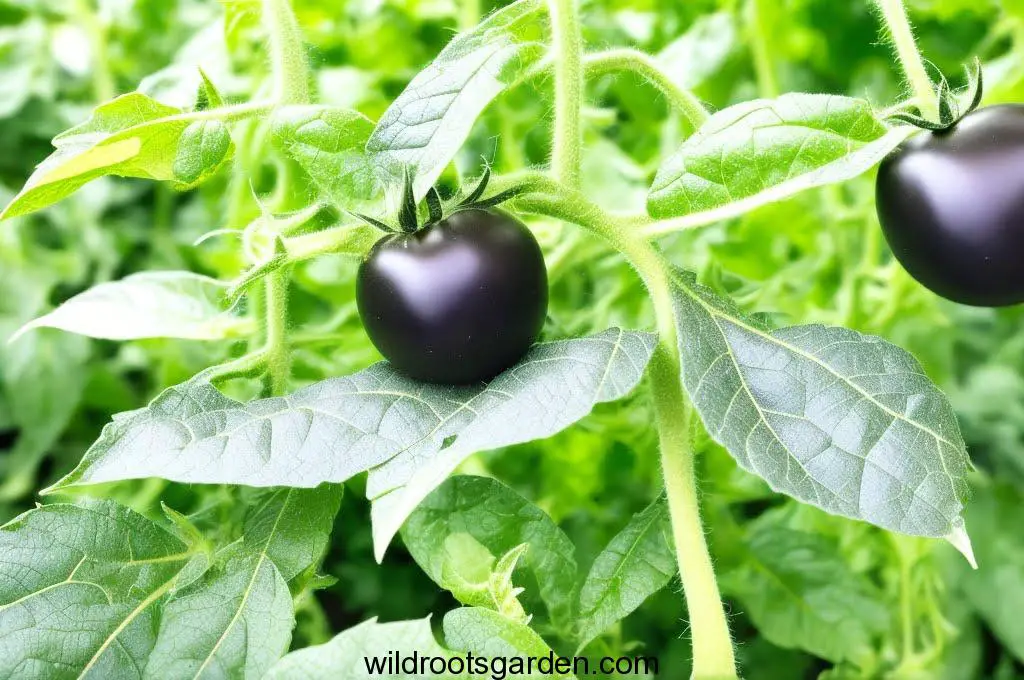
Understanding Black Edges on Tomato Leaves
Black Edges on Tomato Leaves. There are a number of illnesses and environmental variables that can cause tomato plants to acquire black edges on their leaves. These black margins are frequently a sign of a deeper problem that must be resolved right once to stop further harm to the plant.
Common Causes of Black Edges
- Fungal Diseases: Fungal infections, such as early blight and late blight, are common culprits behind black edges on tomato leaves. These diseases thrive in humid conditions and can spread rapidly if not controlled.
- Bacterial Infections: Bacterial infections, such as bacterial spot and bacterial canker, can cause black edges on tomato leaves. These infections often enter the plant through wounds or openings, leading to the development of blackened areas.
- Environmental Stress: Environmental factors, such as extreme heat, cold, or fluctuations in moisture levels, can contribute to the appearance of black edges on tomato leaves. When plants are exposed to unfavorable conditions, they may struggle to absorb nutrients properly, resulting in leaf discoloration.
- Nutrient Deficiencies: Imbalances in essential nutrients, particularly calcium, and magnesium, can lead to black edges on tomato leaves. These deficiencies hinder proper leaf development and can cause necrosis or blackening of leaf margins.
Preventing Black Edges
- Proper Watering: Black Edges on Tomato Leaves. Maintain a consistent watering schedule to prevent stress on tomato plants. Avoid overwatering or underwatering, as both can contribute to the development of black edges. Water the plants at the base to keep the foliage dry and minimize the risk of fungal infections.
- Good Air Circulation: Ensure adequate spacing between tomato plants to promote air circulation. This reduces humidity levels and prevents the growth and spread of fungal diseases.
- Mulching: Apply a layer of organic mulch around the base of the tomato plants to regulate soil temperature, conserve moisture, and prevent soil-borne pathogens from splashing onto the leaves.
- Proper Nutrition: Provide your tomato plants with a balanced fertilizer that contains essential nutrients, including calcium and magnesium. Regularly monitor the pH levels of the soil to ensure optimal nutrient uptake.
Treating Black Edges
- Pruning and Sanitization: Black Edges on Tomato Leaves. Remove affected leaves and dispose of them properly to prevent the spread of diseases. Remember to sanitize your pruning tools between cuts to avoid transferring pathogens.
- Fungicidal Sprays: If fungal infections are the cause of black edges, apply an appropriate fungicide following the manufacturer’s instructions. Ensure thorough coverage of the foliage and repeat the treatment as recommended.
- Bacterial Control: For bacterial infections, there are limited treatment options available. Remove and destroy infected plants to prevent the spread of bacteria to healthy ones. Disinfect any tools or equipment that come into contact with the infected plants.
- Nutrient Correction: If nutrient deficiencies are the underlying cause, foliar sprays or soil amendments containing the deficient nutrients can help correct the imbalance. Consult with a local extension service or gardening expert for guidance on appropriate products and application methods.
Conclusion
Black Edges on Tomato Leaves. Although black edges on tomato leaves can be concerning, you can restore the health and vitality of your tomato plants with the right knowledge, precautions, and treatments. To properly prevent and cure this problem, regular monitoring, prompt action, and the creation of ideal growing conditions are essential.
FAQs
- Q: Can black edges on tomato leaves be harmful if consumed?
- A: No, the black edges on tomato leaves are primarily a cosmetic issue and do not affect the edibility or safety of the tomatoes.
- Q: How often should I apply a fungicide for treating fungal infections?
- A: Follow the instructions provided by the fungicide manufacturer, as the frequency of application may vary depending on the specific product.
- Q: Can I use homemade remedies to treat black edges on tomato leaves?
- A: While some homemade remedies may offer temporary relief, it is recommended to use approved fungicides or bactericides for effective control of diseases.
- Q: Are there any tomato varieties that are more resistant to black edges?
- A: Yes, certain tomato varieties are bred to be more resistant to diseases, including those causing black edges. Consult with local nurseries or gardening experts to identify suitable varieties for your region.
- Q: Can I prevent black edges by applying excessive amounts of fertilizer?
- A: No, excessive fertilizer application can lead to nutrient imbalances and may actually worsen the problem. It is important to follow recommended fertilizer guidelines for optimal plant health.