
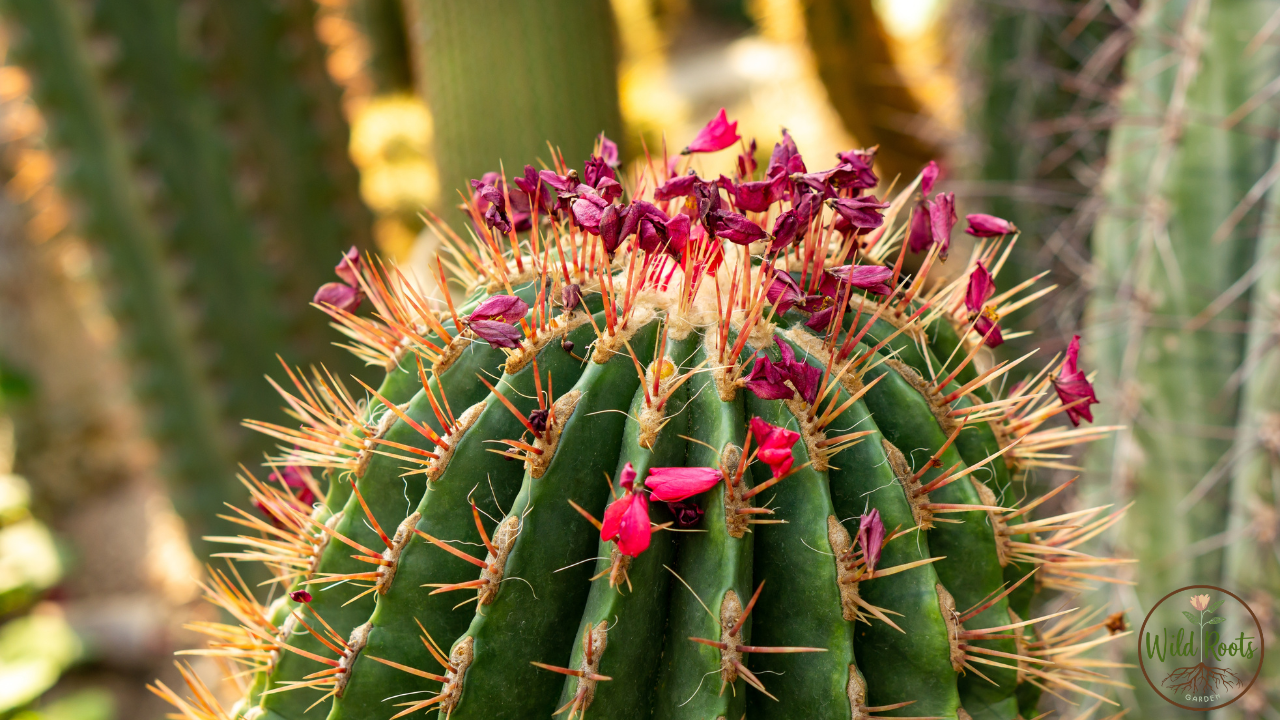
I still remember the first time one of my cacti bloomed. I’d owned my Christmas cactus for almost three years, and I’d honestly given up hope. Then one October morning, I walked past my windowsill and there it was — a single fuchsia flower, unfurled overnight like it had been waiting for permission. That moment sent me down a years-long rabbit hole of trial, error, and eventually a nursery job where I got to test bloom techniques on hundreds of plants at once.
If your cactus has been sitting there, healthy but stubbornly green, you’re not doing anything “wrong” exactly — you’re just missing one or two triggers. Below is everything I’ve learned from growing, killing (yes, really), and eventually mastering cactus blooms, backed by what horticultural research tells us about how these plants actually work.
Why Your Cactus Isn’t Blooming Yet
Before changing anything, it helps to understand what a cactus needs to flower in the first place. In my experience, non-blooming almost always comes down to one of these five issues:
- The plant isn’t mature enough. Many desert cacti won’t flower until they’re several years old or have reached a minimum size. A 2-inch Mammillaria in a nursery pot simply isn’t there yet.
- It isn’t getting enough direct light. This is, by far, the most common issue I see. Cacti are sun-worshippers — most species need 4-6+ hours of direct, unfiltered sunlight to store enough energy to flower.
- It never experiences a dormancy period. Most cacti bloom in response to a seasonal cycle: a cooler, drier “rest” period followed by a return to warmth and water. Without that contrast, the plant has no signal that it’s “spring.”
- It’s overwatered or overfed with nitrogen. Excess water or nitrogen-heavy fertilizer pushes a cactus into vegetative growth (more green body, more pups) instead of reproductive growth (flowers).
- It’s rootbound or in the wrong soil. A cactus fighting for space or sitting in soggy, nutrient-poor mix will focus its energy on survival, not blooming.
Step-by-Step: How to Get Your Cactus to Bloom

1. Give It a True Dormancy Period
This is the trick that finally worked on my own collection. Starting in late fall, I reduce watering drastically and move desert cacti to a cooler spot — ideally 50-55°F (10-13°C) — for 6-8 weeks. Holiday cacti (Christmas, Thanksgiving, Easter cactus) respond to the same principle but need cooler temps combined with longer nights of uninterrupted darkness (12-14 hours) to set buds.
2. Maximize Light Exposure
Move your cactus to your brightest south- or west-facing window. If you’re growing indoors and light is limited, a full-spectrum grow light for 10-12 hours a day can make a real difference — I’ve used this to get stubborn Mammillaria and Rebutia specimens to flower a full season earlier than their windowsill counterparts.
3. Resume Watering Gradually in Spring
Once you see new growth starting (or once your rest period ends), begin watering again — but ease into it. I water lightly every 2-3 weeks at first, then move to a normal “soak and dry” schedule as temperatures rise. Sudden heavy watering after dormancy can shock the plant or cause root rot.
4. Feed With a Bloom-Boosting Fertilizer
Switch from a balanced or nitrogen-heavy feed to a low-nitrogen, higher-phosphorus fertilizer (something like a 5-10-10 ratio) once active growth resumes. Phosphorus supports flower and root development rather than leafy growth. I feed at quarter-strength every 4-6 weeks during the growing season only — never during dormancy.
5. Check the Pot Size and Soil
Counterintuitively, many cacti bloom better when slightly rootbound, since a too-large pot encourages root growth over flowering. If it’s been more than 2-3 years since repotting, refresh the mix with a fast-draining cactus blend, but avoid sizing up dramatically.
6. Be Patient — and Consistent
Once conditions are right, some species bud within weeks; others (especially slow-growing desert cacti) may take a full year or more to respond. Consistency across seasons matters more than any single fix.
Common Mistakes That Delay Blooming
- Rotating the plant too often. Once buds form, avoid moving or rotating the pot — many cacti, especially holiday cactus, will drop buds if their light direction changes.
- Overcorrecting with water. More water is rarely the answer; it’s almost always more light or a missing dormancy period.
- Fertilizing during dormancy. This can actually suppress the dormancy signal the plant needs.
- Giving up too early. Some species are simply slow. A Saguaro, for instance, may not bloom for 35+ years in the wild — though most houseplant cacti are far quicker.
A Quick Reference Table
| Trigger | What to Do |
|---|---|
| Light | 4-6+ hrs direct sun, or 10-12 hrs grow light |
| Dormancy | 6-8 weeks cooler temps + reduced water |
| Watering | Soak and dry; ease back in after dormancy |
| Fertilizer | Low-nitrogen, higher-phosphorus, growing season only |
| Pot size | Slightly snug, well-draining cactus mix |
| Patience | Weeks to over a year, depending on species |
Final Thoughts
Getting a cactus to bloom isn’t about a secret product or hack — it’s about recreating the seasonal rhythm the plant evolved with: a genuine rest, strong light, and a gradual return to water and warmth. In my own collection, the plants that flower reliably every year are the ones I’ve stopped fussing over and started treating like they actually live in a desert. Give your cactus that same honesty, and the blooms tend to follow.
By Maria Delgado, Certified Nursery Professional & Succulent Grower (12+ years of hands-on cultivation experience) Last updated: August 5, 2026 | Reviewed for horticultural accuracy


