Skip to content
wild roots garden
  • Home
  • About Us
  • Privacy Policy
  • Terms and Conditions
  • Disclaimer
  • DMCA
  • Contact Us
  • Home
  • Cactus
  • What Happens If You Touch A Cactus: Prickly Consequences
What Happens If You Touch A Cactus

What Happens If You Touch A Cactus: Prickly Consequences

Posted on September 5, 2025September 12, 2025 By Maggie Poissant No Comments on What Happens If You Touch A Cactus: Prickly Consequences
Cactus

Touching a cactus can result in painful spines embedding in your skin, causing irritation and potential infection. Cactus spines are sharp and can cause injury if touched.

It’s important to carefully remove any spines from the skin and clean the wound to prevent infection. Seeking medical attention may be necessary if the wound shows signs of infection. It’s vital to handle cacti with caution to avoid injury and discomfort.

What Happens If You Touch A Cactus: Prickly Consequences
Read moreAdaptations of the Prickly Pear Cactus: Surviving in Harsh Environments 4

Credit: www.quora.com

Initial Contact With A Cactus

Unexpectedly brushing against a cactus can lead to painful spines embedded in your skin. Carefully remove spines with tweezers and cleanse the wound to prevent infection. Monitor for signs of irritation and seek medical attention if needed.

Immediate Sensations

Read moreAloe Vera and Cactus Benefits

When you touch a cactus, the sharp spines can cause immediate pain. The sensation is similar to a sharp prick or sting.

Types Of Cactus Spines

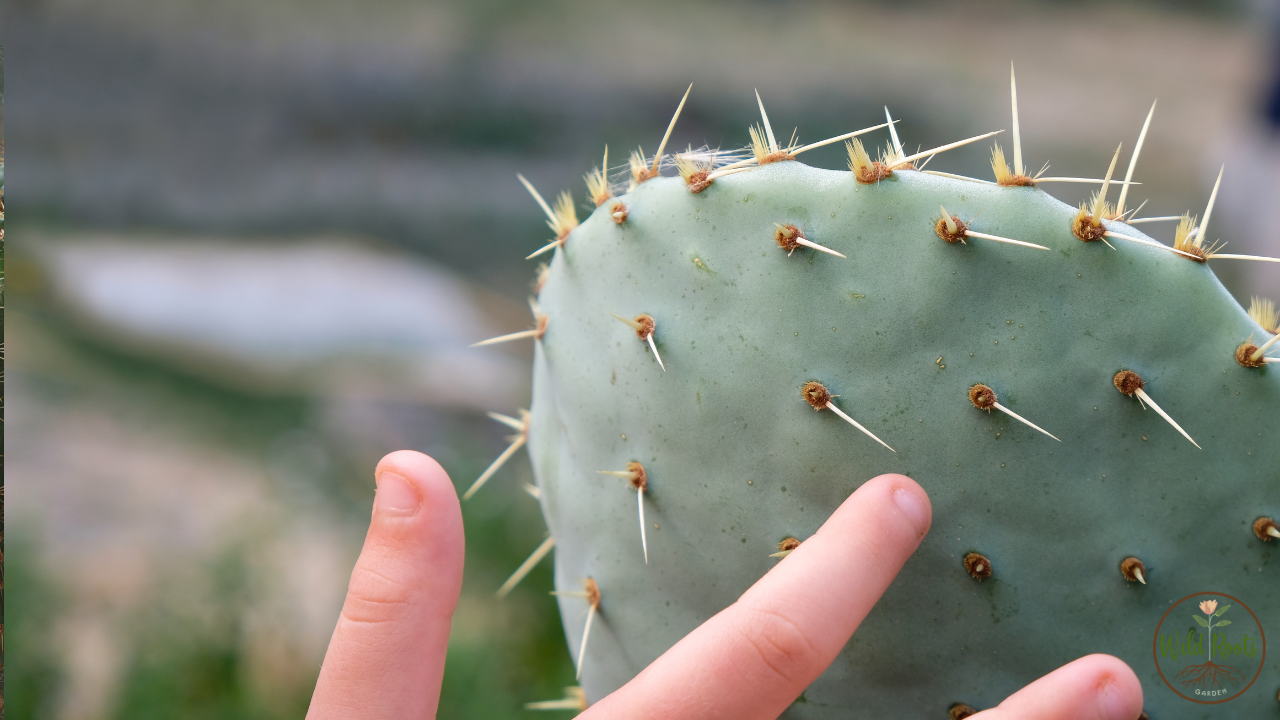
– Glochids: Tiny hair-like spines found on prickly pear cacti.
– Central Spines: Larger, more rigid spines located at the center of the cactus.
– Radial Spines: Smaller spines surrounding the central spines for protection.

Initial Contact with a Cactus:

Imagine a quick, sharp pain as you brush against a cactus. The sensation can be intense, like being pricked by multiple needles at once.

Physical Reactions To Cactus Spines

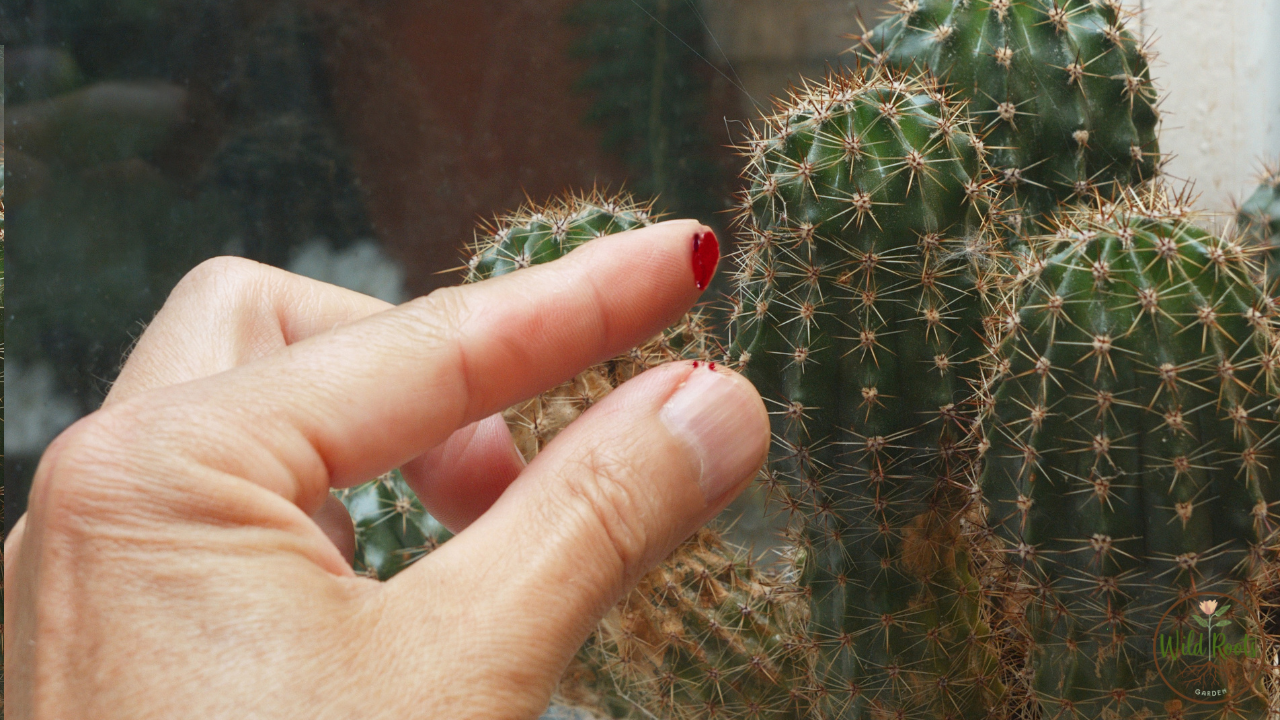
When you touch a cactus, the sharp spines can cause injuries, leading to scratches, wounds, and multiple excoriations. The spines may break off in the skin, resulting in painful nodules and a granulomatous response. It’s important to carefully remove the spines and seek medical attention if infection occurs.

Skin Irritation And Redness

If you happen to touch a cactus, one of the most common physical reactions is skin irritation and redness. The sharp spines of a cactus can easily puncture the skin, causing small wounds and scratches. These injuries can lead to irritation and redness in the affected area. The cactus spines may also break off in the skin, resulting in the formation of papules or nodules. It is important to clean the wound thoroughly and remove any cactus hairs using sterilized tweezers to prevent further irritation and potential infection.

Allergic Reactions

In some cases, touching a cactus can trigger allergic reactions. The body’s immune system may react to the proteins or substances present in the cactus spines, leading to various symptoms. These allergic reactions can range from mild to severe and may include itching, swelling, hives, or even difficulty breathing. If you experience any allergic symptoms after touching a cactus, it is crucial to seek medical attention immediately. An allergist can help determine the specific allergen and provide appropriate treatment to alleviate the symptoms.

In conclusion, physical reactions to cactus spines can include skin irritation, redness, and allergic reactions. It is important to exercise caution when handling cacti and take necessary precautions to prevent any potential harm or discomfort.

Cactus Spines And Infection Risk

When touching a cactus, the risk of infection from cactus spines is a crucial consideration. It’s essential to be aware of the potential signs of infection and the tetanus concerns that may arise.

Signs Of Infection

  • Redness
  • Swelling
  • Pain
  • Warmth around the wound
  • Pus or drainage

Tetanus Concerns

Tetanus is a serious bacterial infection that can enter the body through wounds, such as those caused by cactus spines. It’s important to ensure your tetanus vaccination is up to date to reduce the risk of tetanus infection.

What Happens If You Touch A Cactus: Prickly Consequences

Credit: www.pbssocal.org

First Aid For Cactus Spine Injuries

If you accidentally touch a cactus, it can result in painful spine injuries. To treat the wound, wash your hands with antibacterial soap, remove any spines with sterilized tweezers, and change the bandage regularly until it heals. While some cactus plants are not toxic, contact with the spines can cause scratches, wounds, and allergic reactions.

First Aid for Cactus Spine Injuries

If you accidentally touch a cactus, you may end up with cactus spines embedded in your skin, causing pain, swelling, and irritation. To minimize the damage, it’s important to take immediate action and remove the spines as soon as possible. Here are some first-aid tips to help you deal with cactus spine injuries.

Removal Techniques

The first step in treating a cactus spine injury is to remove the spines from your skin. You can do this using a pair of sterilized tweezers. To sterilize the tweezers, clean them with antibacterial soap and alcohol. Then, gently grasp the spine at the base and pull it out in the direction it entered your skin. Be careful not to break the spine, as this can make it harder to remove. If the spine is broken, you can use tape to remove the remaining piece.

Cleaning The Wound

After removing the spines, clean the wound with soap and water to prevent infection. You can also use an antiseptic solution, such as hydrogen peroxide or rubbing alcohol, to disinfect the area. If the wound is deep or bleeding, seek medical attention immediately.

It’s important to keep the wound covered with a bandage until it heals. Change the bandage at least once a day or whenever it becomes dirty or wet. This will help prevent infection and promote healing.

In conclusion, cactus spine injuries can be painful and uncomfortable, but with proper first aid, you can minimize the damage and promote healing. Remember to wash your hands before cleaning the wound, use sterilized tweezers to remove the spines, and keep the wound covered until it heals. If the injury is severe, seek medical attention immediately.

Medical Intervention

While most incidents of touching a cactus result in minor injuries, some cases may require medical intervention. It’s important to understand when to seek professional help and the potential treatments available.

When To See A Doctor

If you experience severe pain, swelling, or redness that persists after removing the spines, seek medical attention. Additionally, if the affected area shows signs of infection, such as warmth, pus, or increasing pain, it’s crucial to consult a doctor. Furthermore, if you have a compromised immune system, diabetes, or circulation problems, it’s advisable to seek medical assistance to prevent complications.

Potential Treatments

Upon seeking medical help, the doctor may assess the injury and recommend appropriate treatments. This could include the removal of any remaining spines, cleaning the wound thoroughly, and applying antibiotic ointment to prevent infection. In some cases, the doctor might prescribe oral antibiotics to combat any potential infections. Additionally, tetanus vaccination may be administered if necessary to prevent tetanus, a potentially serious bacterial infection.

Long-term Effects Of Cactus Spine Punctures

Cactus spine punctures can lead to chronic pain.

A granulomatous response may occur due to cactus spine punctures.

Preventive Measures When Handling Cacti

Handling cacti requires caution to prevent injury. If you touch a cactus, remove the spines with sterilized tweezers and wash the wound with antibacterial soap. Change bandages daily until healed to avoid infection.

Protective Gear

When handling cacti, it is important to wear protective gear to prevent injuries. Wearing long-sleeved shirts, gloves, and pants made of sturdy material can protect your skin from prickly spines. Additionally, wearing protective eyewear can prevent cactus spines from entering your eyes.

Safe Handling Practices

To avoid injuries when handling cacti, it is important to follow safe handling practices. First, avoid touching or handling cacti unnecessarily. When moving a cactus, use gloves or a cloth to protect your hands. When planting or transplanting a cactus, make sure to handle it gently to avoid damaging the roots. Finally, when pruning a cactus, use clean, sharp tools and make clean cuts to avoid injuring the plant.

First Aid For Cactus Injuries

In case of a cactus injury, it is important to take immediate action to prevent infection. First, wash the wound with soap and water. If there are spines stuck in the wound, use sterilized tweezers to remove them. If the wound is bleeding, apply pressure with a clean cloth until the bleeding stops. Finally, cover the wound with a clean bandage and change it regularly to prevent infection. If the injury is severe or if there are signs of infection, seek medical attention immediately.

Remember, prevention is the key to avoiding cactus injuries. By wearing protective gear, following safe handling practices, and taking immediate action in case of an injury, you can safely enjoy the beauty of these unique plants.

Myths And Misconceptions About Cacti

When it comes to touching a cactus, there are a few myths and misconceptions. Contrary to popular belief, not all cacti have sharp spines that can cause injury. However, if you do get pricked by a cactus, it’s important to clean the wound with antibacterial soap and remove any cactus hairs using sterilized tweezers.

Seek medical attention if an infection occurs.

Myths and Misconceptions About Cacti

Cacti are some of the most fascinating plants in the world, with their unique shapes, sizes, and colors. However, there are many myths and misconceptions about these prickly plants that need to be addressed. In this blog post, we will focus on the subheading “Myths and Misconceptions About Cacti,” with specific attention to the question, “Are all cacti poisonous?” and the truth about “jumping” cacti.

Are All Cacti Poisonous?

Contrary to popular belief, not all cacti are poisonous to touch. While most cacti have sharp spines that can cause injury if touched or ingested, the plant itself is not toxic. However, it is essential to be cautious when handling cacti, as some may cause allergic reactions or skin irritation.

The Truth About ‘Jumping’ Cacti

There is a common misconception that certain cacti can “jump” and attach themselves to unsuspecting passersby. While it is true that some cacti, such as the jumping cholla, have segments that break off easily and attach themselves to animals or people, they do not jump. Rather, they simply detach and cling to anything that brushes against them.

In conclusion, while it is crucial to be cautious when handling cacti, not all of them are poisonous to touch. It is essential to dispel these myths and misconceptions to appreciate the beauty and uniqueness of these plants fully.

What Happens If You Touch A Cactus: Prickly Consequences

Credit: www.reddit.com

Frequently Asked Questions

What To Do If You Touch A Cactus?

If you touch a cactus, wash your hands with antibacterial soap, remove spines with sterilized tweezers, and change your bandage daily.

Is Cactus Poisonous To Touch?

Cactus is not poisonous to touch. While the sharp spines can cause injury if touched, the plant itself is not toxic. If you happen to get pricked by a cactus, wash the wound with antibacterial soap and remove any cactus hairs with sterilized tweezers.

Change the bandage regularly until the wound heals. Seek medical attention if signs of infection occur.

What Happens If You Get A Cactus In Your Finger?

If you get a cactus in your finger, carefully remove the spines with tweezers and wash the area with antibacterial soap. Look for signs of infection, such as redness and swelling, and seek medical attention if necessary.

Why Can’t We Touch Cactus?

Touching a cactus can cause injury due to its sharp spines. It’s best to avoid touching cacti to prevent getting pricked and causing skin irritation.

Wrap up

It’s important to treat a cactus injury promptly to avoid infection. Clean the wound with antibacterial soap, remove any cactus hairs, and change the bandage regularly. Seek medical attention if signs of infection appear, such as redness, swelling, or pus discharge.

Take precautions to prevent cactus-related injuries in the future.

Tags: allergic reaction cactus injury cactus removal cactus spines first aid infection protective gear safe handling skin irritation tetanus

Post navigation

❮ Previous Post: Can You Cut A Cactus In Half: Propagation Tips
Next Post: Why Do People Like Cactus: Expose Desert Gems ❯

You may also like

Do Cactus Clean The Air
Cactus
Do Cactus Clean The Air: Myth or Fact?
September 5, 2025
Is Cactus Good For Your Skin
Cactus
Is Cactus Good For Your Skin: Expose Desert Secrets
September 5, 2025
Cactus
Nature’s Embrace: Unleashing the Vibrant Magic of Pergola Climbers!
September 5, 2025
Is It Good To Have Cactus In The House
Cactus
Is It Good To Have Cactus In The House: Home Oasis or Thorny Issue?
September 5, 2025

Leave a Reply Cancel reply

Your email address will not be published. Required fields are marked *

About Me

WildRootsGarden AdminMeet the passionate green thumb behind Wild Roots Garden, Maggie Poissant. With a deep-rooted love for nature and sustainable living, Maggie has cultivated a haven where gardening wisdom and eco-friendly practices converge. Drawing inspiration from the beauty of the wild, he shares a wealth of knowledge on organic gardening, permaculture, and mindful living.

LATEST POST

  • Best 10 1 Artificial Flowers Outdoors IdeasBest 10 Artificial Flowers Outdoors Ideas Florida
  • Best 10 1 Artificial Flowers Outdoors Best Options1 Artificial Flowers Outdoors Best Options Florida
  • Best 10 1 Artificial Flowers Outdoors for WeddingBest 1 Artificial Flowers Outdoors for Wedding Florida
  • Best 10 3 Artificial Flowers OutdoorsBest Artificial Flowers Outdoors Amazon Florida
  • Best 10 3 Artificial Flowers Outdoors for WeddingBest Artificial Flowers Outdoors for Wedding Florida
  • Best 10 Artificial Flowers Outdoors 9 FtBest 10 Artificial Flowers Outdoors 9 Ft Florida

Category

  • Home
  • Cactus
  • Rose
  • Vegetable
  • Tomatoes
  • Blog
  • Planting & Timing
  • Gardening Techniques
  • Review
  • Plants & Flowers
  • Flower

Amazon Affiliate Disclosure

At WildRootsGarden.com, we participate in the Amazon Services LLC Associates Program, an affiliate advertising program designed to provide a means for us to earn advertising fees by linking to amazon.com and affiliated sites. As an Amazon Associate, we earn from qualifying purchases.

Please note that when you click on an Amazon link on this site and make a purchase, we may receive a small commission at no additional cost to you. We only recommend products that we believe will add value to your gardening journey. Your support helps us keep creating great content — thank you!

  • Best 10 1 Artificial Flowers Outdoors IdeasBest 10 Artificial Flowers Outdoors Ideas Florida
  • Best 10 1 Artificial Flowers Outdoors Best Options1 Artificial Flowers Outdoors Best Options Florida
  • Best 10 1 Artificial Flowers Outdoors for WeddingBest 1 Artificial Flowers Outdoors for Wedding Florida
  • Best 10 3 Artificial Flowers OutdoorsBest Artificial Flowers Outdoors Amazon Florida
  • Best 10 3 Artificial Flowers Outdoors for WeddingBest Artificial Flowers Outdoors for Wedding Florida

This post may contain affiliate links. We may earn a small commission at no extra cost to you.

  • Facebook
  • Instagram
  • Pinterest
  • YouTube

Categories

  • Home
  • About Us
  • Privacy Policy
  • Terms and Conditions
  • Disclaimer
  • DMCA
  • Contact Us
  • Facebook
  • Instagram
  • Pinterest
  • YouTube

Copyright © 2026 Florida Gardening Tips & Hibiscus Care | Wild Roots Garden.

Theme: Oceanly Green by ScriptsTown