Many gardeners in Florida dream of big harvests, but feel limited by small yards. It can be tough to figure out how to Grow 10x More Cucumbers in a Small Space in Florida Ideas work without feeling overwhelming. This guide breaks it down simply.
You’ll learn easy ways to get tons of cucumbers. We will show you simple steps to make your garden dreams come true.
Maximizing Cucumber Yields in Limited Florida Areas
Growing lots of cucumbers, even in tiny spaces, is totally possible. Florida’s warm climate is a big plus for these plants. They love sunshine and heat.
The trick is using smart gardening methods. These methods help plants grow bigger and produce more fruit. You don’t need a huge garden to have a successful cucumber harvest.
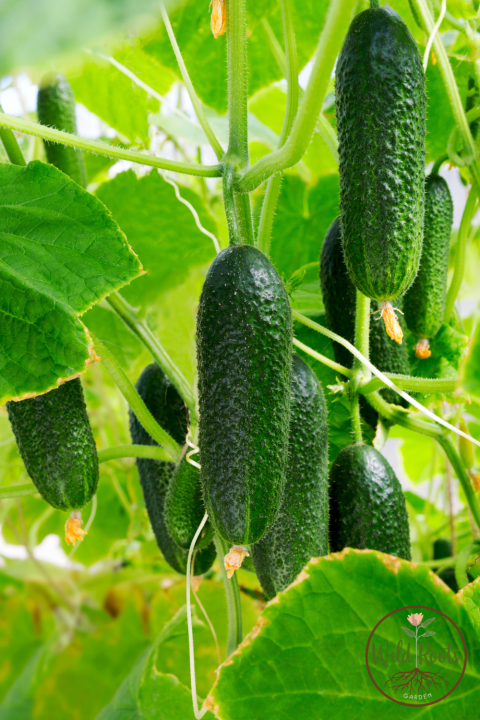
We will look at the best ways to make this happen.
Choosing the Right Cucumber Varieties for Small Spaces
Not all cucumbers are the same. Some grow long vines that take up lots of room. For small spaces, it’s smart to pick varieties that are more compact.
Bush varieties are excellent. They grow shorter vines and produce fruit closer to the main plant. This means less spreading and more cucumbers in a smaller footprint.
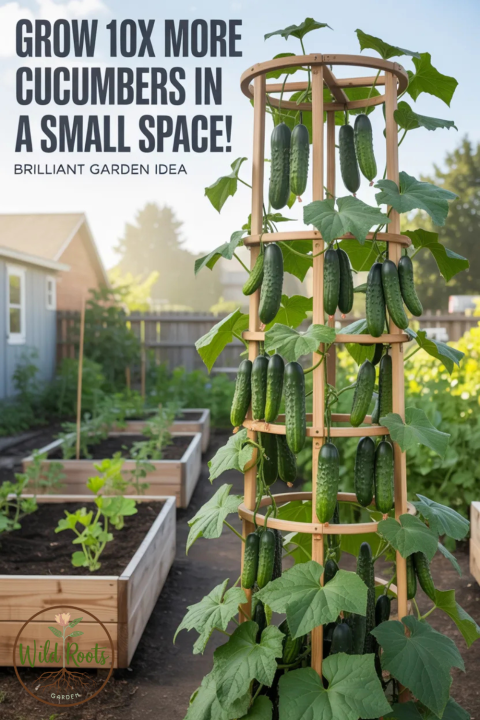
Also, look for types that are good for container gardening. These are bred to do well in pots and grow bags.
Bush Cucumbers
Bush cucumbers are a gardener’s best friend for small spaces. They grow about 2 to 3 feet tall and wide. This makes them easy to manage.
You can grow them in pots or in raised beds. Some popular bush varieties include ‘Spacemaster’ and ‘Patio Snacker’. They produce fruit steadily throughout the growing season.
Compact Vining Cucumbers
Some vining cucumbers can also work if you give them something to climb. Look for varieties that have a shorter vining habit. These will still need support but won’t take over your entire garden.
They can be trained upwards. This uses vertical space very effectively.
Vertical Gardening Techniques for Florida Cucumbers
When you have limited ground space, think up! Vertical gardening is key. It lets you grow more plants in the same area.
You are using the height of your garden. This keeps the plants off the ground. It also helps with air circulation.
Good air flow is important for preventing diseases, especially in Florida’s humid weather.
Trellises and Supports
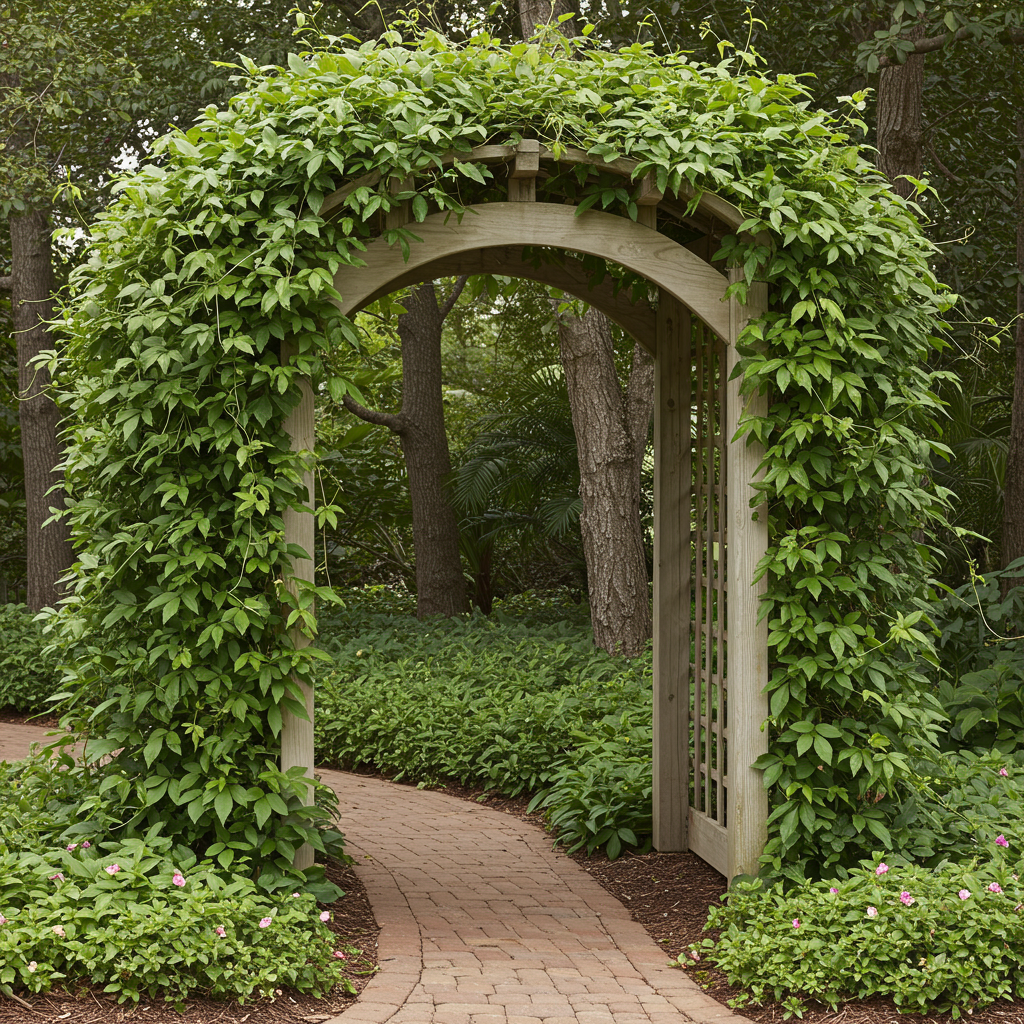
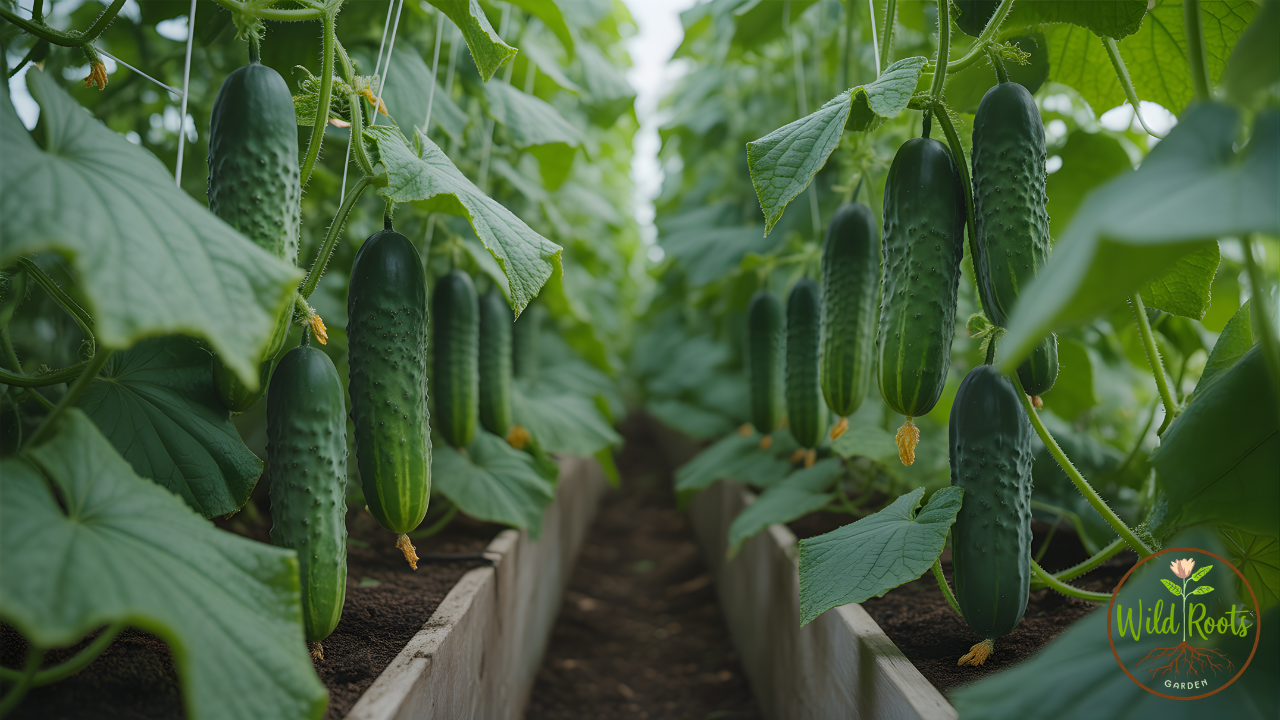
Cucumbers are natural climbers. Give them a trellis, a fence, or even a sturdy net to grow on. This keeps the fruit clean and makes harvesting easier.
A-frame trellises are great for corners. You can also use simple stakes. For containers, choose sturdy trellises that won’t tip over when the plants get heavy.
Cages and Collars
Cucumber cages can be placed around young plants. As the plant grows, it will use the cage for support. Collapsible cages are easy to store.
Some gardeners use tall tomato cages. They work well for smaller vining cucumber varieties.
Hanging Baskets
Certain types of cucumbers can even be grown in hanging baskets. This is a great option for small balconies or patios. You’ll want to choose smaller, more ornamental varieties.
They will hang down beautifully. Make sure the basket is strong enough to hold the weight of the plant and fruit.
Container Gardening for Maximum Cucumber Harvests
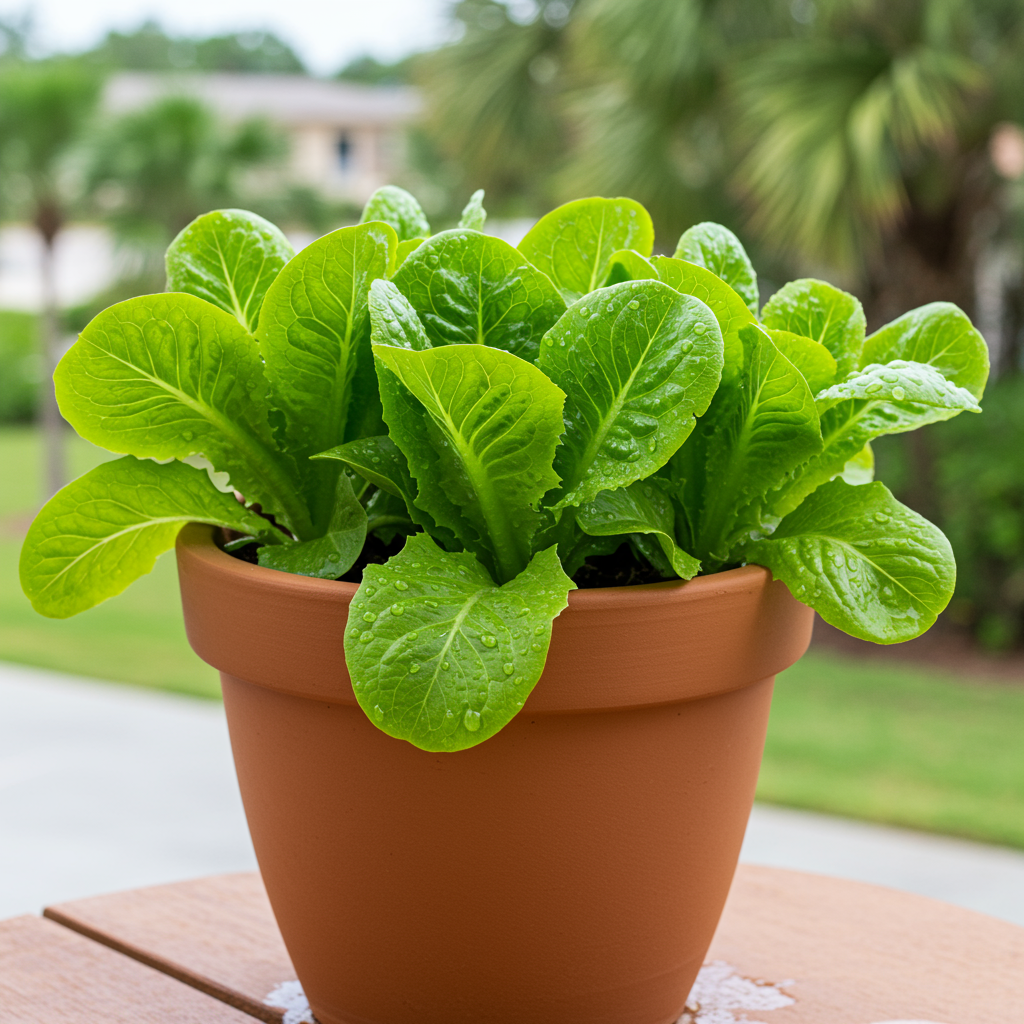
Pots and containers are perfect for small-space gardening in Florida. They give you control over the soil and watering. Cucumbers need good drainage.
So, make sure your containers have holes at the bottom. The size of the container matters too. Bigger pots mean bigger plants and more fruit.
Choosing the Right Containers
Use pots that are at least 10-12 inches in diameter. For larger vining types, you might need 15-gallon pots or larger. Fabric grow bags are also a good choice.
They allow for good air circulation to the roots. They also prevent the soil from getting too hot.
Potting Mix and Nutrients
Use a good quality potting mix. Do not use garden soil in containers. Garden soil can become too compacted.
Add compost to your potting mix. This adds nutrients and improves drainage. Cucumbers are heavy feeders.
You will need to fertilize them regularly.
Florida-Specific Growing Conditions for Cucumbers
Florida’s climate presents unique challenges and advantages for growing cucumbers. The heat and humidity can be intense. This can encourage pests and diseases.
However, the long growing season is a major benefit. You can often get multiple harvests.
Sunlight Requirements
Cucumbers need at least 6-8 hours of direct sunlight each day. In Florida, the afternoon sun can be very strong. Some afternoon shade might be beneficial during the hottest part of the summer.
This can prevent the plants from getting stressed.
Watering Wisely
Consistent watering is crucial. Cucumbers are mostly water. They need moist soil, but not waterlogged soil.
Water deeply. This encourages roots to grow deeper. Water in the morning.
This allows the leaves to dry before nightfall. This helps prevent fungal diseases. Mulch can help keep the soil moist and cool.
Soil Preparation and Fertilizing
Cucumbers thrive in rich, well-draining soil. Amend your soil with plenty of compost. This provides essential nutrients and improves soil structure.
Cucumbers are heavy feeders. They benefit from regular feeding throughout the growing season. Use a balanced liquid fertilizer every 2-3 weeks.
Look for fertilizers that are formulated for vegetables.
Companion Planting for Healthier Cucumbers
Companion planting involves growing different plants together. Some plants can help your cucumbers grow better. They can deter pests or improve soil health.
Good Companions for Cucumbers
Marigolds are known to deter nematodes. Radishes can help break up the soil. Legumes like beans and peas add nitrogen to the soil.
Dill can attract beneficial insects. Nasturtiums can act as a trap crop for aphids. This means aphids might go to the nasturtiums instead of your cucumbers.
Plants to Avoid
Try to avoid planting cucumbers near potatoes or sage. These plants can sometimes stunt cucumber growth.
Pest and Disease Management in Florida Gardens
Florida’s environment can attract pests and diseases. Staying vigilant is key to a successful harvest.
Common Pests
Aphids are small, soft-bodied insects. They can cluster on new growth and suck sap. Cucumber beetles can chew on leaves and fruit.
Spider mites can also be an issue, especially in dry conditions. Squash vine borers can attack the main vine.
Effective Pest Control
A strong blast of water can dislodge aphids. Insecticidal soap is effective for many soft-bodied pests. Beneficial insects like ladybugs and lacewings can help control aphid populations.
For cucumber beetles, row covers can offer protection when plants are young. Handpick larger pests like borers. Always inspect your plants regularly.
Common Diseases
Powdery mildew is a common fungal disease. It looks like white, powdery spots on leaves. Downy mildew can also occur.
Bacterial wilt can be spread by cucumber beetles. Fungal leaf spots are another possibility.
Disease Prevention and Control
Good air circulation is vital. Avoid overhead watering, especially in the evening. Remove any diseased plant parts immediately.
Planting disease-resistant varieties is a smart move. Promptly remove and destroy infected plants to prevent spread.
Maximizing Harvest Frequency and Yield
To get the most cucumbers, you need to harvest them often. Cucumbers grow quickly, especially in warm weather. Picking them regularly encourages the plant to produce more.
If you leave ripe cucumbers on the vine, the plant thinks its job is done. It will slow down or stop producing new fruit.
When to Pick Cucumbers
Pick cucumbers when they are firm and reach their ideal size. This size varies by variety. Do not wait until they turn yellow.
Yellow cucumbers are overripe. They can become bitter and have larger seeds. Check your plants every day or two during peak season.
Harvesting Techniques
Use a sharp knife or pruning shears to cut the cucumber from the vine. This prevents damage to the plant. Gently twist and pull if you don’t have tools, but be careful not to damage the stem.
You want the plant to keep producing!
Popular Cucumber Varieties for Florida Small Gardens
Here are a few types that do well in Florida and suit small spaces.
- ‘Spacemaster’ Bush Cucumber: A very popular bush variety that produces well in containers.
- ‘Patio Snacker’ Bush Cucumber: Another compact option perfect for small gardens and pots.
- ‘Lemon Cucumber’: This unique cucumber is round and yellow, with a mild, sweet flavor. It’s a bit more compact than some standard slicers.
- ‘Marketmore 76’: A good vining variety that can be trained vertically. It’s known for its disease resistance.
- ‘Little Leaf’: A small-fruited pickling cucumber variety that is prolific and doesn’t vine too wildly.
Growing Cucumbers in Raised Beds vs. Containers
Both raised beds and containers offer great benefits for small-space cucumber growing in Florida. The best choice often depends on your specific space and preferences.
Raised Beds
Raised beds offer excellent drainage. They warm up faster in spring. You have good control over the soil composition.
They are great for planting multiple plants close together. You can easily incorporate trellising into a raised bed structure.
Containers
Containers are incredibly versatile. You can move them to catch the best sun. They are ideal for balconies, patios, or small decks.
They require more frequent watering. You must choose the right size pot for the plant’s needs.
Troubleshooting Common Cucumber Problems
Even with the best care, plants can face issues. Knowing how to spot and fix problems helps save your harvest.
Bitter Cucumbers
Bitterness can be caused by stress from inconsistent watering or extreme heat. Ensure your plants get enough water. Try to keep the soil consistently moist.
Some varieties are bred to be less bitter.
No Fruit Production
This could be due to lack of pollination, poor soil, or insufficient sunlight. Ensure you have pollinators like bees visiting your garden. Check if your plant is getting enough sun.
Make sure you are fertilizing. Some plants are female flowers only and need male flowers nearby to produce fruit. Many modern varieties are parthenocarpic, meaning they don’t need pollination.
Yellow Leaves
Yellow leaves can signal a few things. It might be overwatering, underwatering, or a nutrient deficiency. Check the soil moisture.
If it’s too wet or too dry, adjust your watering. If the soil is okay, the plant might need fertilizer.
Frequently Asked Questions
Question: How much sun do cucumbers need in Florida?
Answer: Cucumbers need at least 6 to 8 hours of direct sunlight every day. In the hottest Florida summers, some afternoon shade can help them. Make sure they get plenty of light to grow well.
Question: Can I grow cucumbers in pots on my balcony?
Answer: Yes, you absolutely can grow cucumbers in pots on a balcony. Choose compact or bush varieties. Use large pots with good drainage.
Make sure to provide a trellis for them to climb.
Question: Why are my cucumber plants producing flowers but no fruit?
Answer: This often happens when the plant has too many male flowers or not enough female flowers. It can also be due to poor pollination or plant stress. Ensuring you have pollinators or using self-pollinating varieties helps.
Question: How often should I water cucumbers in Florida?
Answer: Cucumbers need consistent moisture. Water deeply whenever the top inch of soil feels dry. This means you might need to water daily, especially in hot Florida weather.
Avoid letting the soil dry out completely.
Question: What is the best way to fertilize cucumbers in small spaces?
Answer: Cucumbers are hungry plants. Use a balanced liquid fertilizer every 2 to 3 weeks. Start feeding after the plants begin to flower.
This gives them the nutrients they need to produce lots of fruit.
Final Thoughts
Getting a big cucumber harvest from a small Florida garden is achievable. Focus on choosing the right plants. Use vertical growing methods to save space.
Container gardening and raised beds work wonders. Keep your plants watered and fed. Watch out for pests and diseases.
Picking your cucumbers often will keep the plants producing more. You will soon be enjoying fresh cucumbers from your own garden.