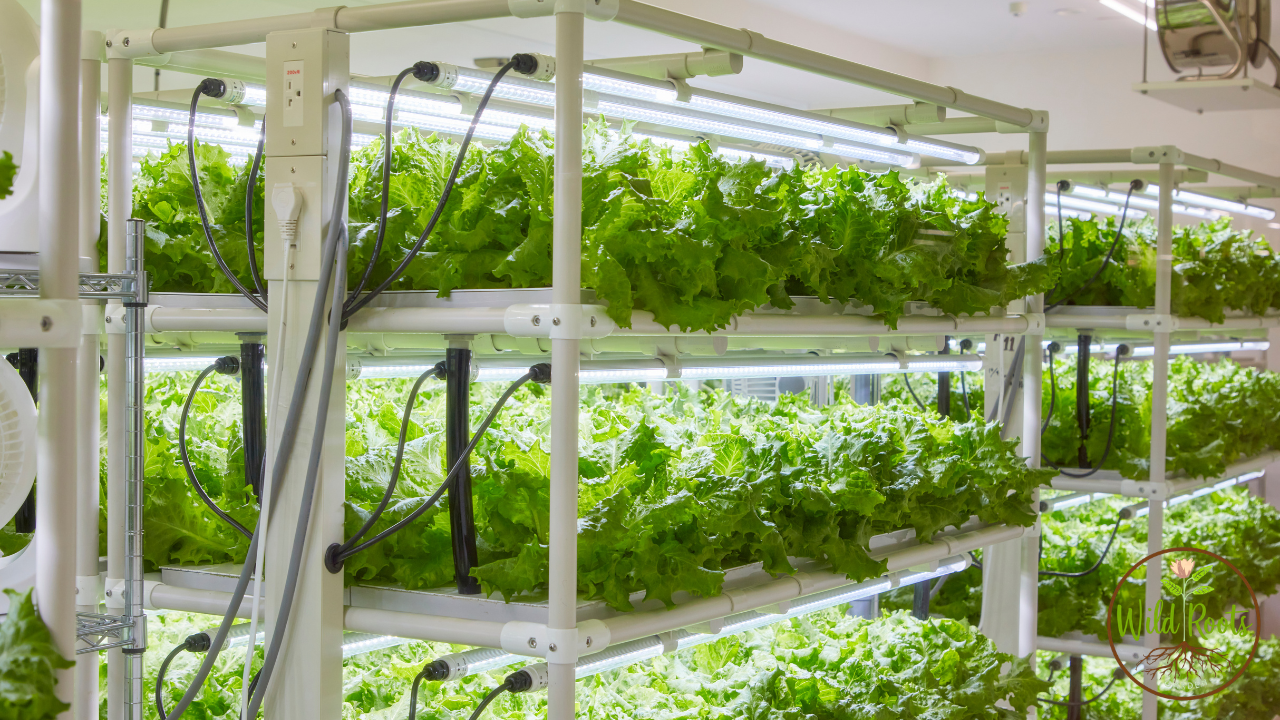
Setting up a hydroponic system for the first time can feel a bit tricky, especially in Florida where the weather can be warm and humid. Many people wonder where to even start with a hydroponic system setup for beginners in florida. It might seem complicated, but it doesn’t have to be!
This guide will break it all down for you, step by step, so you can start growing your own fresh food easily.
Getting Started With Hydroponics In Florida
Hydroponics lets you grow plants without soil. Instead, plants get nutrients from water. This can be great for Florida gardens because you can control the growing conditions more easily.
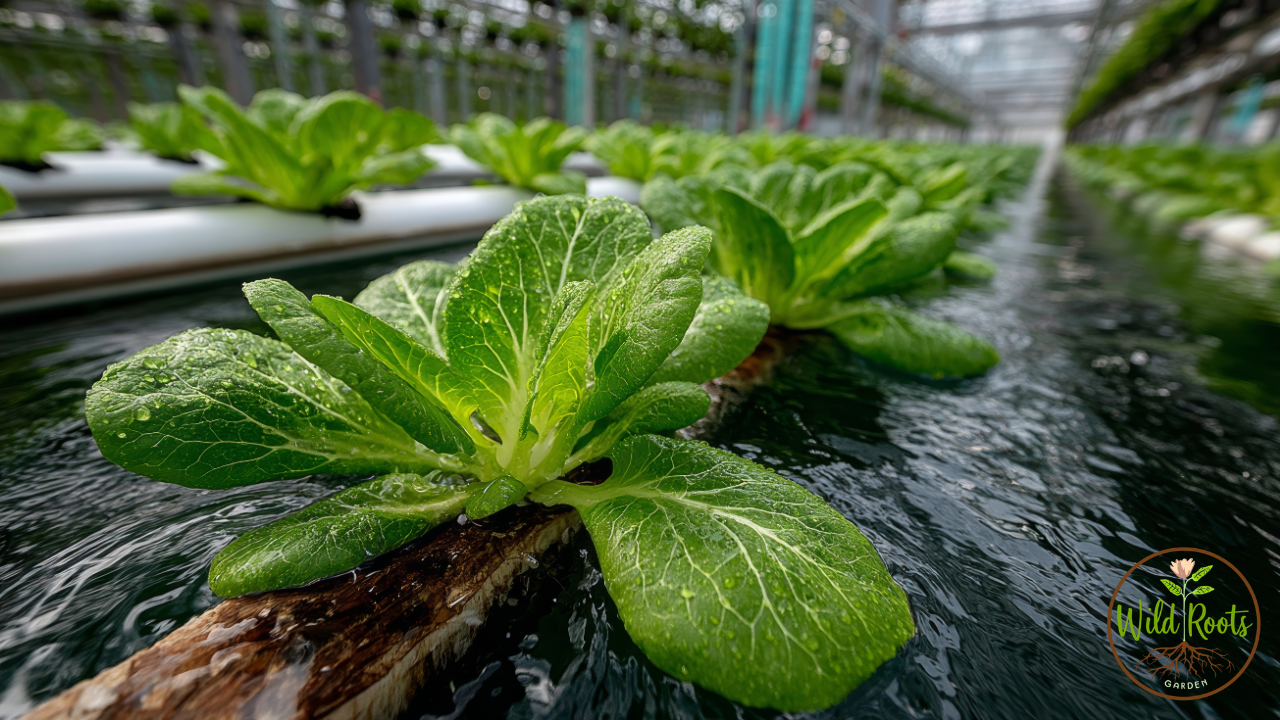
You can grow more food in less space, and sometimes even grow things year-round. For anyone new to this, a basic hydroponic system setup for beginners in florida is a perfect way to learn.
Choosing Your First Hydroponic System
There are a few simple hydroponic systems that are great for beginners. Each one works a little differently but offers a good starting point.
Deep Water Culture (DWC)
DWC is one of the easiest systems. Plants sit in net pots with their roots hanging into a nutrient-rich water reservoir. An air pump keeps the water oxygenated so the roots can breathe.
This system is very hands-on and you can see your plants grow quickly.
Nutrient Film Technique (NFT)
NFT uses a shallow channel where a thin film of nutrient water flows over the plant roots. The water is usually pumped from a reservoir. This system is good for smaller plants like lettuce and herbs.
It uses less water than DWC but needs a bit more setup.
Wick Systems
Wick systems are super simple and don’t need electricity. A wick draws nutrient water from a reservoir up to the plant roots. These are best for small plants and are a great way to start learning the basics of feeding plants with nutrients.
What You Need For Your Hydroponic Setup
No matter which system you pick, you’ll need a few key things to get your hydroponic system setup for beginners in florida running.
The System Components
These are the parts that make up your hydroponic garden:
- Reservoir A container to hold your nutrient solution.
- Net Pots These hold your plants and allow roots to grow into the water.
- Growing Medium This supports your plant in the net pot. Common choices include rockwool, coco coir, or clay pebbles.
- Water Pump (for some systems) To circulate nutrient water.
- Air Pump and Air Stone (for DWC) To add oxygen to the water.
- Tubing To connect pumps and move water.
Nutrients and pH
Plants need specific food to grow well in hydroponics. These are special nutrient solutions you mix with water. You will also need to check and adjust the pH of your water.
pH measures how acidic or alkaline the water is. Plants can only absorb nutrients when the pH is just right.
Light Source
In Florida, you might have plenty of sun, but not all locations do. If you are growing indoors or in a shaded spot, you will need grow lights. LED grow lights are energy-efficient and work well.
Setting Up Your First Hydroponic System
Let’s walk through setting up a simple system. A DWC system is a great choice for beginners.
Step 1 Assemble Your Reservoir
Get a food-grade plastic container, like a tote with a lid. Make sure it’s opaque to prevent algae growth. Drill holes in the lid large enough for your net pots.
Step 2 Add Air Pump and Air Stone
Place the air stone at the bottom of the reservoir. Connect it to the air pump using airline tubing. The pump should be placed higher than the water level to prevent back-siphoning if the power goes out.
Step 3 Prepare Your Nutrients
Follow the instructions on your hydroponic nutrient solution. Mix the nutrients with water in the reservoir. It’s best to use filtered water if your tap water is very hard.
You’ll need to know the volume of your reservoir to mix correctly.
Step 4 Check and Adjust pH
Use a pH meter or test strips to check the water’s pH. For most plants, a pH between 5.5 and 6.5 is ideal. Use pH Up or pH Down solutions to adjust it as needed.
Do this after adding nutrients.
Step 5 Prepare Your Plants
If you are starting from seeds, germinate them in a starter medium like rockwool cubes. Once they have a few small leaves and roots, they are ready. You can also use small seedlings.
Gently rinse any soil off the roots before placing them in your system.
Step 6 Place Plants in Net Pots
Put your plant in a net pot. Use your growing medium, like clay pebbles, to support the plant and hold it in place. The roots should hang down through the bottom of the net pot.
Step 7 Place Net Pots in Lid and Start System
Put the net pots into the holes in your reservoir lid. Make sure the bottom of the net pot is submerged a little in the nutrient solution. Turn on your air pump.
For DWC, the water level should be high enough to touch the bottom of the net pots initially.
Choosing Plants for Your Florida Hydroponic Garden
Some plants do exceptionally well in hydroponic systems, especially in Florida’s climate.
Leafy Greens
Lettuce, spinach, kale, and swiss chard are very popular and grow fast in hydroponic setups. They don’t need a lot of space and are forgiving for beginners.
Herbs
Basil, mint, parsley, cilantro, and chives are excellent choices. They grow quickly and you can harvest them often. Fresh herbs are a great reward for your effort.
Fruiting Plants (with more experience)
Tomatoes, peppers, and strawberries can be grown hydroponically. They require a bit more attention, like good lighting and support, but can be very rewarding.
Maintaining Your Hydroponic System
Keeping your system healthy is key to successful growing.
Water and Nutrient Changes
You’ll need to change your nutrient solution regularly. Typically, this is every 1-3 weeks. As plants grow, they use up nutrients and water.
Monitor the water level and top it off with plain water as needed between full changes.
Checking pH and EC/TDS
Continue to check your pH daily or every other day. As you get more advanced, you can also check the Electrical Conductivity (EC) or Total Dissolved Solids (TDS) of your nutrient solution. This tells you the concentration of nutrients in the water.
Pest and Disease Management
Because there is no soil, soil-borne pests are less of an issue. However, some pests can still find your plants. Keep an eye out for common issues like aphids.
Good airflow and keeping your system clean helps prevent diseases.
Florida Specifics
In Florida’s heat, your reservoir water can get warm. High temperatures can reduce dissolved oxygen and stress plants. Consider using an insulated reservoir or placing your system in a cooler location.
Some growers use water chillers if needed, but for beginners, managing location is a good start.
Frequently Asked Questions
Question: What is the easiest hydroponic system for a beginner in Florida
Answer: The Deep Water Culture (DWC) system is generally considered the easiest for beginners. It involves fewer moving parts and is very forgiving.
Question: What kind of lights do I need for my hydroponic system
Answer: If you are growing indoors or don’t have enough natural sunlight, LED grow lights are a great choice. They are energy-efficient and provide the light spectrum plants need to grow.
Question: How often do I need to change the nutrient solution
Answer: You should typically change the nutrient solution every 1 to 3 weeks. Monitor your plants and the water level. Top off with plain water between full changes as needed.
Question: Can I use tap water for my hydroponic system in Florida
Answer: You can use tap water, but it’s best to let it sit out for 24 hours to allow chlorine to dissipate. If your tap water is very hard, using filtered or RO water is better for optimal nutrient balance.
Question: What are the biggest challenges of hydroponics in Florida
Answer: The main challenges in Florida are high temperatures, which can affect water oxygen levels, and high humidity. Proper ventilation and managing reservoir temperature are important.
Final Thoughts
Starting a hydroponic system setup for beginners in florida is achievable. You can grow your own fresh food using simple systems like DWC. Choose easy plants like lettuce and herbs.
Keep your water clean and at the right pH. Enjoy the process of growing!