

Are you passionate about gardening in Florida but find it tricky to keep track of all your plants? You’re not alone.
Managing watering schedules, identifying plant species, and monitoring growth can quickly become overwhelming. Luckily, the right gardening apps can simplify this for you. Imagine having a personal assistant in your pocket that helps you care for your garden effortlessly. You’ll discover the best gardening apps designed specifically to help you track and nurture your Florida plants with ease.
Keep reading to find the perfect tool that will transform your gardening experience.
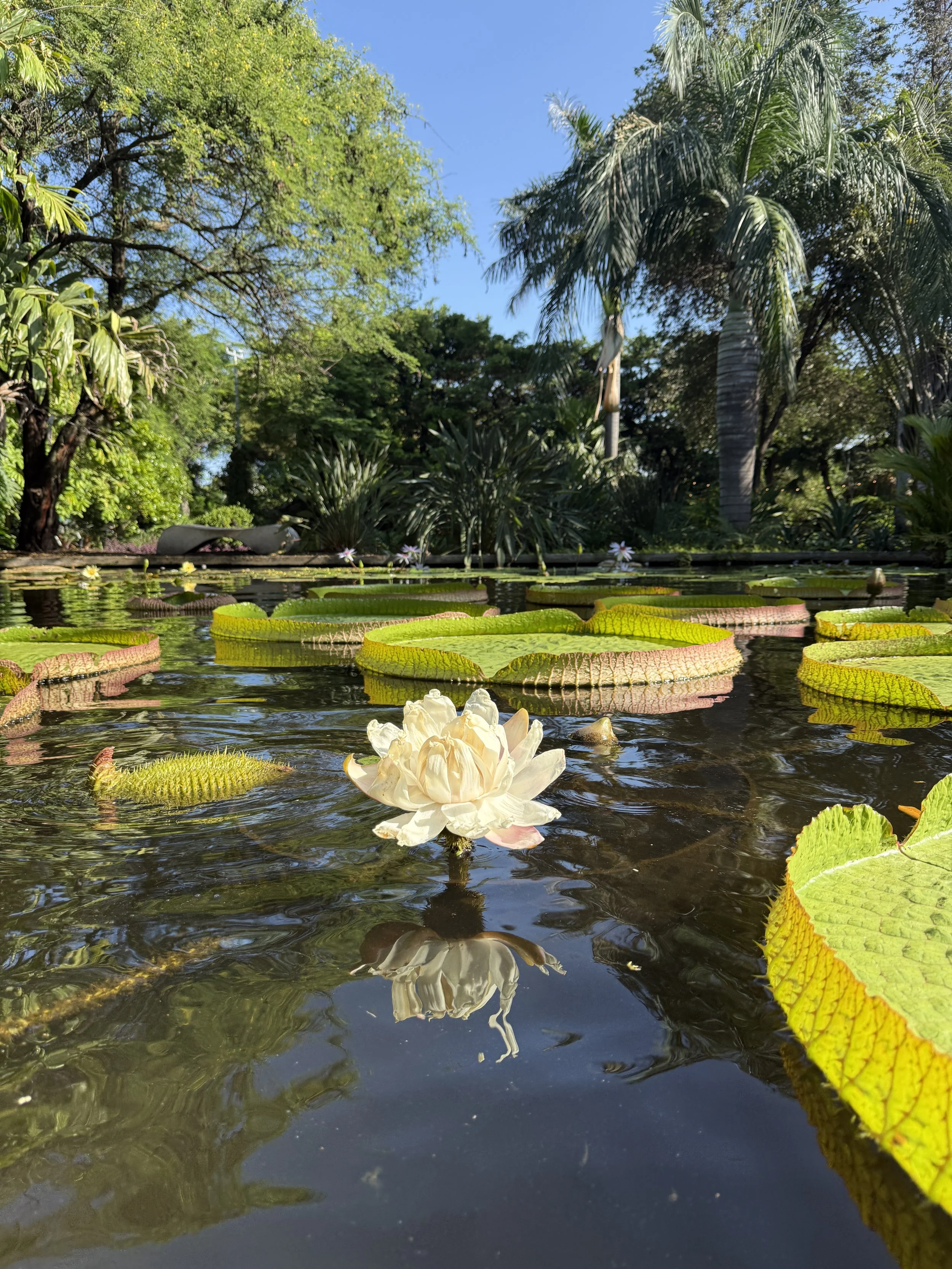
Credit: www.mbgarden.org
Top Gardening Apps For Florida
Florida’s unique climate challenges gardeners with heat, humidity, and occasional storms. Using the right gardening app can simplify plant care. These apps help track watering schedules, sunlight needs, and pest control specific to Florida.
Choosing an app designed for Florida gardeners ensures better plant health. The best apps combine local data with easy tools. They make gardening enjoyable and less stressful.
App Features Tailored For Florida Gardeners
Top apps include weather alerts for Florida storms and humidity. They suggest plants that thrive in Florida’s soil and climate. Many offer pest and disease identification with local solutions. Some apps track tropical and subtropical plant needs. Gardeners get reminders for watering during dry spells and hurricane prep tips.
User Interface And Experience
Apps feature simple, clear layouts for easy navigation. Big buttons and icons help users find tools fast. Most apps allow photo uploads to identify plant issues. Customizable dashboards let gardeners track favorite plants and tasks. Notifications remind users about watering and fertilizing schedules. The user experience focuses on quick, helpful information.
Pricing And Subscription Models
Many apps offer free basic versions with core features. Premium plans unlock advanced tools like detailed reports and expert advice. Some apps charge monthly, others yearly, with flexible plans. Free trials let users test premium options before buying. Pricing remains affordable for casual and serious gardeners alike. The choice depends on how many features users need.

Credit: www.reddit.com
Tracking Plant Growth Efficiently
Tracking plant growth is key to a healthy Florida garden. It helps spot problems early and ensures plants get proper care. Using gardening apps makes this task simple and organized.
These apps let gardeners record plant health, add photos, and set reminders. This way, every plant gets the right attention at the right time. Let’s explore how these features help track growth efficiently.
Logging Plant Health And Progress
Gardening apps let you log details about each plant’s health. Note leaf color, size, and any pests or diseases. Record growth stages like sprouting or flowering.
Tracking these details shows how plants respond to care. It helps find patterns and make better decisions for future growth.
Photo And Note Integration
Take photos of plants regularly and add notes in the app. Visual records help compare growth over days or weeks. Notes explain changes seen in photos.
This feature provides a clear history of each plant’s journey. It is useful to share progress with friends or gardening groups too.
Reminders For Watering And Fertilizing
Apps can send reminders for watering and fertilizing schedules. Plants in Florida need care timed with weather and seasons. Reminders prevent missing important tasks.
This keeps plants healthy and supports steady growth. It helps even busy gardeners stay on track with plant care.
Climate-specific Tools
Climate-specific tools help gardeners in Florida care for their plants better. Florida’s weather can change fast. These apps give useful information to keep plants healthy.
They focus on local weather, temperature changes, and the best times to plant. This helps gardeners avoid damage from heat or cold. Such tools make gardening easier and more fun.
Weather Forecast Integration
Apps with weather forecast integration show daily and weekly weather updates. Gardeners can see rain chances and temperature changes. This helps plan watering and protect plants from storms. Real-time weather alerts keep plants safe from sudden weather shifts.
Frost And Heat Alerts
Frost and heat alerts warn gardeners about extreme temperatures. Florida can have unexpected cold snaps or heat waves. These alerts help gardeners cover plants or move them to shade. Early warnings reduce plant stress and prevent damage.
Seasonal Planting Guides
Seasonal planting guides suggest the best time to plant each type of plant. They consider Florida’s unique climate and seasons. Gardeners learn when to start seeds or transplant outdoors. This increases the chance of healthy growth and good harvests.
Credit: www.extendedstayamerica.com
Plant Identification And Database Access
Plant identification and database access are key features in gardening apps for Florida. These tools help gardeners recognize plants quickly. They also provide detailed information about each plant. This makes caring for Florida’s unique flora easier and more effective.


Gardening apps with strong databases offer facts on native plants, pests, and diseases. They help users track plant health and growth. Such apps often include community features for sharing plant knowledge. This builds a helpful network for gardeners across Florida.
Identifying Florida Native Plants
Apps can identify native plants using photos or descriptions. This helps gardeners know which plants suit Florida’s climate. Native plants need less water and care. Identification tools save time and avoid mistakes. Users can learn plant names, uses, and growth tips.
Access To Pest And Disease Info
Florida plants face many pests and diseases. Apps provide quick access to this info. Gardeners can spot problems early and treat plants properly. This reduces plant damage and loss. Some apps offer step-by-step guides for pest control. This keeps gardens healthy and thriving.
Community Plant Sharing Features
Many apps let users share plant photos and tips. Gardeners exchange ideas and advice easily. This creates a sense of community. Sharing helps solve plant problems faster. Users can also find local plant recommendations. Such features connect Florida gardeners like never before.
Offline Capabilities And Syncing
Offline capabilities and syncing features are essential for gardening apps in Florida. These features help gardeners track plants without internet. They also keep data safe and accessible across devices. These functions make plant care easier and more reliable.
Working Without Internet Access
Gardening often happens outdoors where internet is weak or missing. Apps with offline mode let users add notes and photos anytime. Data saves locally on the device. Changes update automatically once the device reconnects to the internet. This ensures no loss of important plant information.
Data Backup And Cloud Sync
Backing up plant data prevents loss from device damage or loss. Cloud sync stores information securely online. It allows automatic updates across devices. Users can recover their plant records anytime. This feature offers peace of mind for gardeners tracking multiple plants.
Cross-device Compatibility
Many gardeners use smartphones, tablets, or computers. Apps with cross-device support sync data on all gadgets. This allows seamless access and updates from any device. Gardeners can check plant health or watering schedules wherever they are. It helps keep plant care consistent and organized.
User Reviews And Recommendations
User reviews and recommendations offer valuable insight into gardening apps. They reveal how real Florida gardeners use these tools. Reviews highlight strengths and expose weaknesses. This helps others choose the best app for their needs.
Feedback often reflects local challenges like climate and soil type. Many users share tips and tricks specific to Florida’s unique environment. Recommendations from experts add another layer of trust and guidance.
Top Rated Apps By Florida Gardeners
Florida gardeners praise apps with easy plant identification features. Many appreciate apps that track watering and fertilizing schedules. Popular choices include tools with offline access due to spotty signal in gardens.
High ratings often go to apps with clear, simple interfaces. Users enjoy those that offer reminders tailored to Florida’s hot, humid weather. Apps that combine plant care with pest control tips also score well.
Common User Complaints
Some users find certain apps too complex or cluttered. Others report inaccurate plant information or generic advice not suited for Florida. Problems with app crashes or slow updates frustrate many gardeners.
Limited free features often push users to paid versions quickly. Lack of local plant databases can reduce app usefulness. Notifications that are too frequent or irrelevant also annoy users.
Expert Picks For Specific Needs
Experts recommend apps with strong plant disease diagnostics for Florida’s humid climate. Some apps specialize in native plants and invasive species control. Others excel at garden design and layout planning for small spaces.
For organic gardening, experts suggest apps offering natural pest remedies. Those focused on vegetable gardening get high marks for crop rotation tracking. Experts also value apps with community support from local gardeners.
Frequently Asked Questions
What Are The Top Gardening Apps For Florida Plants?
Top gardening apps for Florida include GrowIt!, PlantSnap, and GardenTags. These apps help track plant health, growth, and local climate tips specific to Florida’s environment.
How Do Gardening Apps Help Track Plant Growth?
Gardening apps track plant growth by allowing users to log watering, sunlight, and fertilizing schedules. They also provide reminders and progress photos to monitor plant health.
Can Gardening Apps Identify Florida Native Plants?
Yes, many gardening apps use image recognition to identify Florida native plants. They offer detailed information on care, growth habits, and optimal planting seasons.
Are Gardening Apps Useful For Florida’s Climate Challenges?
Absolutely. Gardening apps provide climate-specific advice, pest alerts, and watering schedules tailored to Florida’s humidity, heat, and seasonal storms, helping plants thrive.
Conclusion
Choosing the right gardening app helps you care for plants better. These apps track growth, watering, and sunlight easily. They fit well with Florida’s unique climate needs. Using them saves time and reduces plant stress. Enjoy watching your garden thrive with simple tools.
Start today to make gardening more fun and less hard. Your plants will thank you.