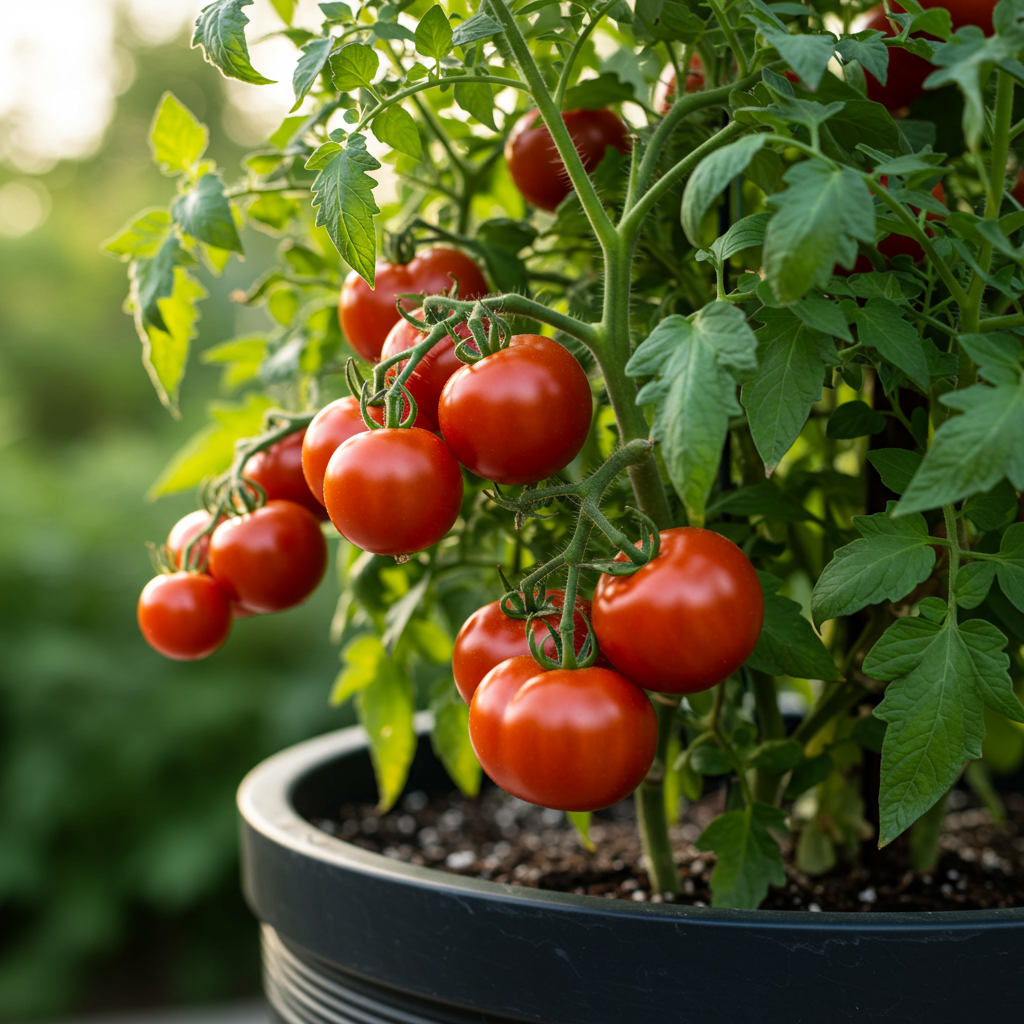
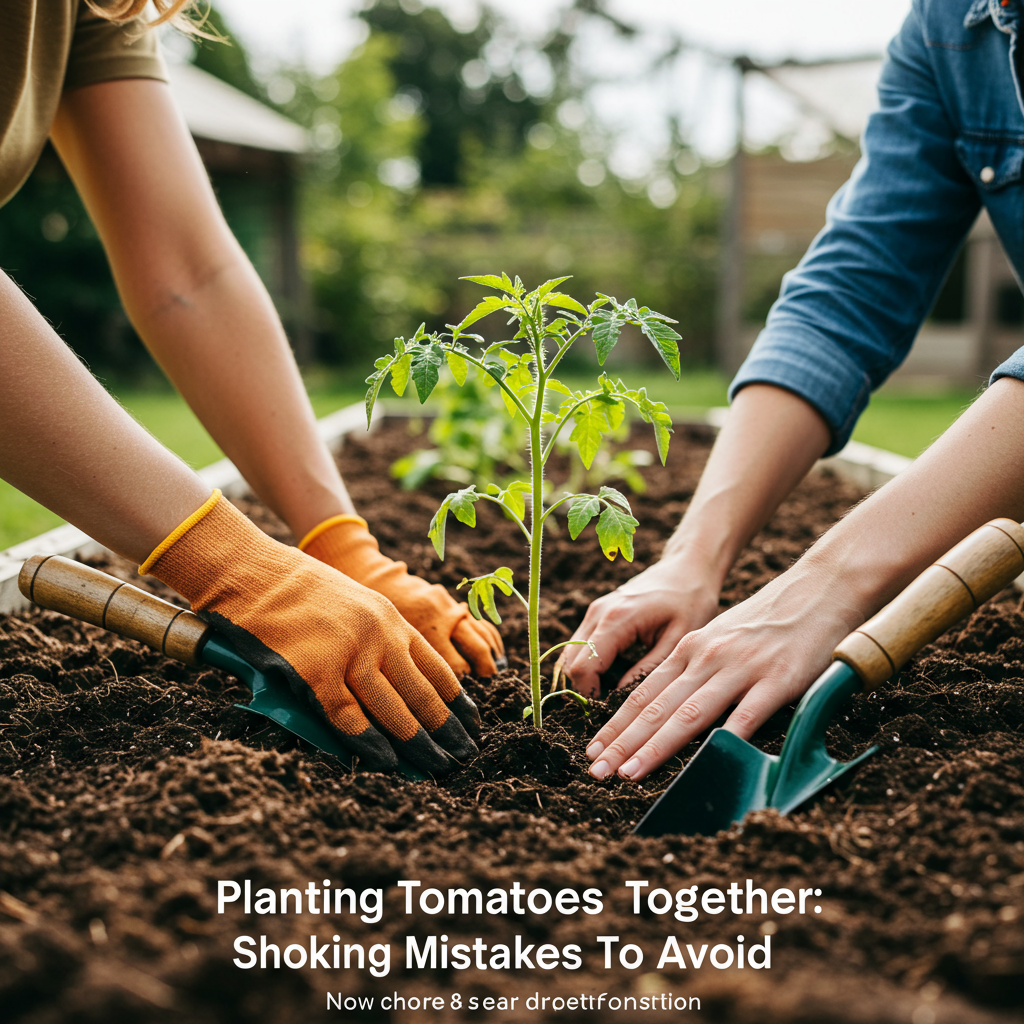
Planting tomatoes together is a vision many gardeners share—a lush, sprawling patch bursting with sun-warmed, juicy orbs of red, yellow, and purple. It’s the cornerstone of the summer vegetable garden, a symbol of self-sufficiency and delicious, homegrown flavor. But this idyllic vision can quickly turn into a nightmare of disease, pests, and stunted growth if you fall prey to a few common, yet surprisingly damaging, mistakes. Many well-intentioned gardeners, in their eagerness to maximize space and create a verdant jungle, inadvertently sabotage their own harvest before the first fruit has even ripened.
The truth is, a thriving tomato patch isn’t about luck; it’s about science, strategy, and understanding that plants, much like people, have friends, enemies, and a need for personal space. We’re going to dig deep into the shocking mistakes that can derail your tomato dreams and provide you with the expert knowledge to cultivate the most productive, healthy, and bountiful tomato patch you’ve ever grown.

Mistake #1: The Spacing Catastrophe – Too Close for Comfort
This is, without a doubt, the most frequent and fundamentally damaging error gardeners make. We look at tiny seedlings in their pots and find it impossible to imagine them as the six-foot-tall, three-foot-wide behemoths they will become. In an effort to fit more plants into a limited space, we crowd them together, creating a beautiful green block that is, unfortunately, a ticking time bomb for disease and disappointment.
Why Crowding is a Horticultural Disaster
When tomato plants are packed too tightly, a cascade of negative effects begins, creating a perfect storm for failure:
Restricted Airflow: This is the primary villain. Dense foliage traps moisture and humidity, creating the ideal breeding ground for fungal diseases like Late Blight, Early Blight, and Septoria Leaf Spot. Once these diseases take hold in a crowded patch, they can spread like wildfire, devastating your entire crop in a matter of weeks. Proper spacing allows breezes to flow through, drying leaves quickly after rain or morning dew.
Competition for Light: Tomatoes are sun-worshippers, needing at least 6-8 hours of direct sunlight to produce fruit effectively. When crowded, a plant’s lower leaves are shaded out by its neighbors. The plant then expends precious energy growing taller and leggier in a desperate search for light (a process called etiolation), rather than focusing that energy on developing strong stems and fruit.
War for Water and Nutrients: Under the soil, a silent battle is raging. The root systems of closely planted tomatoes must compete fiercely for the same limited pool of water and soil nutrients. This intense competition leads to stressed plants, smaller fruit, and a significantly lower overall yield.
Pest Paradise: A dense canopy of leaves provides excellent cover for pests like aphids, whiteflies, and spider mites, shielding them from predators and making them harder for you to spot and treat.
The Solution: Respect the Plant’s Personal Space
The correct spacing depends entirely on the type of tomato you are growing.
Determinate (Bush) Tomatoes: These varieties grow to a predetermined size, set their fruit all at once, and are generally more compact. They require a minimum of 24 inches (60 cm) between plants.
Indeterminate (Vining) Tomatoes: These are the giants. They will grow and produce fruit continuously until the first frost, often reaching heights of 6-10 feet or more. They need significantly more room. A spacing of 36 to 48 inches (90-120 cm) between plants is essential. If you are using large, robust cages, you can sometimes get away with 30 inches, but more space is always better.
When planting in rows, ensure your rows are at least 4 feet apart to allow for easy access for weeding, pruning, and, most importantly, harvesting.
Mistake #2: The Bad Neighbors – Inviting Toxic Companions to the Party
Not all plants play well together. The concept of companion planting is often focused on beneficial pairings, but it’s just as critical to understand the detrimental relationships. Planting tomatoes next to certain “antagonists” can lead to stunted growth, increased pest pressure, and a disappointing harvest. This isn’t folklore; it’s based on biological principles like allelopathy, where one plant releases biochemicals into the soil that inhibit the growth of another.
The Culprits: Tomato Antagonists to Avoid at All Costs
The Brassica Family (Cabbage, Broccoli, Cauliflower, Kale, Kohlrabi): These plants are heavy feeders, just like tomatoes, creating intense competition for nutrients. More importantly, they can release compounds that inhibit tomato growth. Keep them in a separate bed.
Fennel: This is perhaps the most notorious bad neighbor in the garden. Fennel is highly allelopathic and its root excretions will stunt the growth of most plants around it, especially tomatoes. Give fennel its own isolated spot far away from your main vegetable beds.
Corn: A seemingly classic pairing, but a risky one. The corn earworm is the exact same pest as the tomato fruitworm. Planting them together is like ringing a dinner bell and inviting this destructive pest to a two-course meal.
Potatoes (and other nightshades like Eggplant): While they are family, this is one reunion you want to prevent. Potatoes and tomatoes are susceptible to the same devastating fungal diseases, particularly Early and Late Blight. Planting them near each other allows these diseases to move easily from one host to the next, doubling their potential for destruction. A single infected potato plant could easily wipe out your entire tomato crop.
Walnut Trees: The roots of black walnut trees release a powerful chemical called juglone, which is highly toxic to tomatoes and many other vegetables. Never plant your garden within the root zone of a walnut tree, which can extend 50 feet or more from the trunk.
Mistake #3: The Secret to Success: Smart Companion Planting for Tomatoes Together
Avoiding bad neighbors is only half the battle. To truly elevate your garden, you must actively recruit a team of beneficial companions. A well-designed “guild” of plants surrounding your tomatoes creates a symbiotic ecosystem that can deter pests, attract beneficial insects, improve soil health, and even enhance the flavor of your fruit.
The Dream Team: Your Tomatoes’ Best Friends
Category 1: The Pest Repelling Guardians
Basil: The classic tomato companion. The strong aroma of basil is believed to repel tomato hornworms and whiteflies. Anecdotal evidence also suggests that planting basil nearby can improve the flavor of your tomatoes.
Marigolds (Specifically French Marigolds): These cheerful flowers are powerhouses in the garden. Their roots exude a substance that is toxic to root-knot nematodes, microscopic pests that can cause significant damage to tomato root systems. Plant them as a border around your tomato bed.
Borage: This herb with beautiful blue, star-shaped flowers is a champion at deterring the dreaded tomato hornworm. It also has the added benefit of attracting pollinators and beneficial predatory insects.
Nasturtiums: These act as a “trap crop,” particularly for aphids. Aphids are drawn to nasturtiums and will often infest them first, leaving your tomato plants alone.
Category 2: The Pollinator and Predator Brigade
While tomatoes can self-pollinate, “buzz pollination” from bees significantly increases fruit set and size. Attracting predatory insects like ladybugs, lacewings, and parasitic wasps provides a natural army to control pests.
Borage & Bee Balm (Monarda): Magnets for bees of all kinds.
Parsley, Dill, & Cilantro: When allowed to flower, these herbs attract a wide range of beneficial insects, including hoverflies and predatory wasps, whose larvae feast on aphids and other pests.
Category 3: The Soil and Health Improvers
Bush Beans: As legumes, beans fix atmospheric nitrogen in the soil, making it available to your nutrient-hungry tomato plants. Plant them around the base of your tomatoes, but not so close that their vines climb the tomato plants.
* Carrots & Onions: Planting carrots, onions, or garlic near tomatoes can help loosen the soil. Their distinct scents also help to confuse and deter pests looking for your tomato plants.