**Search engine optimization (SEO)** is the practice of improving a website’s visibility and ranking in search engine results pages (SERPs). The goal of SEO is to attract more organic traffic to a website by making it more discoverable for relevant search queries. Key components of SEO include optimizing **website content**, using **relevant keywords**, building high-quality **backlinks**, and ensuring a positive **user experience**. Effective SEO involves understanding how search engines like Google crawl, index, and rank web pages, and then applying strategies to align website content and structure with these algorithms.
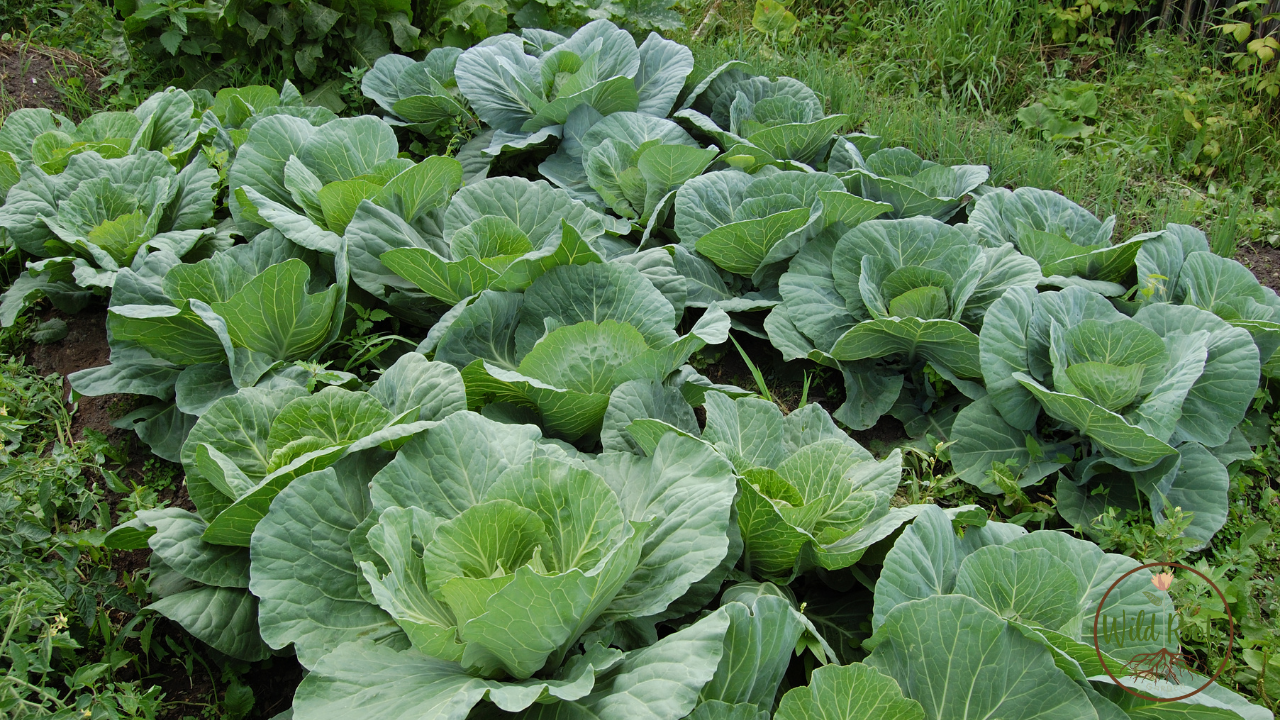
Tag: organic gardening Florida
A sitemap acts as a detailed list, or map, of all the important pages on a website, guiding search engine crawlers like Googlebot to discover and index content efficiently. Instead of passively waiting for crawlers to find new pages, a sitemap actively presents a structured overview of the site’s architecture. This organized list helps ensure that no valuable content is overlooked, improving search engine visibility and making it easier for users to find the information they need through search engines.
**Search Engine Optimization (SEO)** is the process of improving a website’s visibility and ranking in search engine results pages (SERPs). By optimizing website content and technical aspects, SEO aims to attract more organic, unpaid traffic. Key elements include **keyword research** to identify relevant search terms, **on-page optimization** for content and structure, and **off-page SEO** through building high-quality backlinks. Understanding **Google’s algorithms** is crucial for successful SEO, as these algorithms determine how websites are ranked. Effective SEO helps businesses connect with their target audience online.
Understanding **Large Language Models (LLMs)** begins with recognizing them as sophisticated **AI programs** capable of processing and generating human-like text. These **neural networks** learn patterns from vast amounts of **training data**, enabling them to perform diverse **natural language processing (NLP)** tasks like translation, summarization, and question answering. Their core function involves predicting the next word in a sequence, leading to coherent and contextually relevant outputs.
{content_summary} {topic} involves {keywords}.
A **canonical tag** is a small but mighty piece of HTML code that helps search engines understand the preferred version of a webpage. When you have similar or duplicate content across multiple URLs, such as variations for printing, different product IDs, or tracked links, a canonical tag tells Google and other search engines which version is the master copy. This prevents **duplicate content issues** from hurting your **SEO ranking**. By specifying the **canonical URL**, you ensure search engines crawl and index the most important page, consolidating its **link equity** and improving your **website’s visibility**. Without proper use of **rel=canonical**, search engines might get confused, leading to diluted ranking signals and making it harder for your intended page to be found.
{content_summary} {keywords}
A {topic} is a key element in understanding {content_summary}. It represents a {keyword_1} within a {keyword_2} or system. Essentially, it specifies a {keyword_3}, which means it describes {keyword_4}. For instance, consider a {keyword_5} where a {keyword_6} defines its {keyword_7} and {keyword_8}. By examining the {topic}, we can better grasp how different {keyword_9} interact and contribute to the overall {keyword_10}.
A sitemap, at its core, is a file that provides search engines with information about the pages, videos, and other files on your site. Think of it as a detailed map for search engine crawlers, helping them efficiently discover and index your website’s content. It essentially lists the URLs for a website and includes metadata about each URL, like when it was last updated, how often it changes, and its importance relative to other URLs on the site. Using sitemaps helps ensure search engines understand your website’s structure and can find all your important pages, improving overall search engine visibility.
Ready to grow your own delicious, nutritious kale in Central Florida? Discover the perfect planting window from September to February for a thriving harvest, sweeter leaves, and fewer pests.