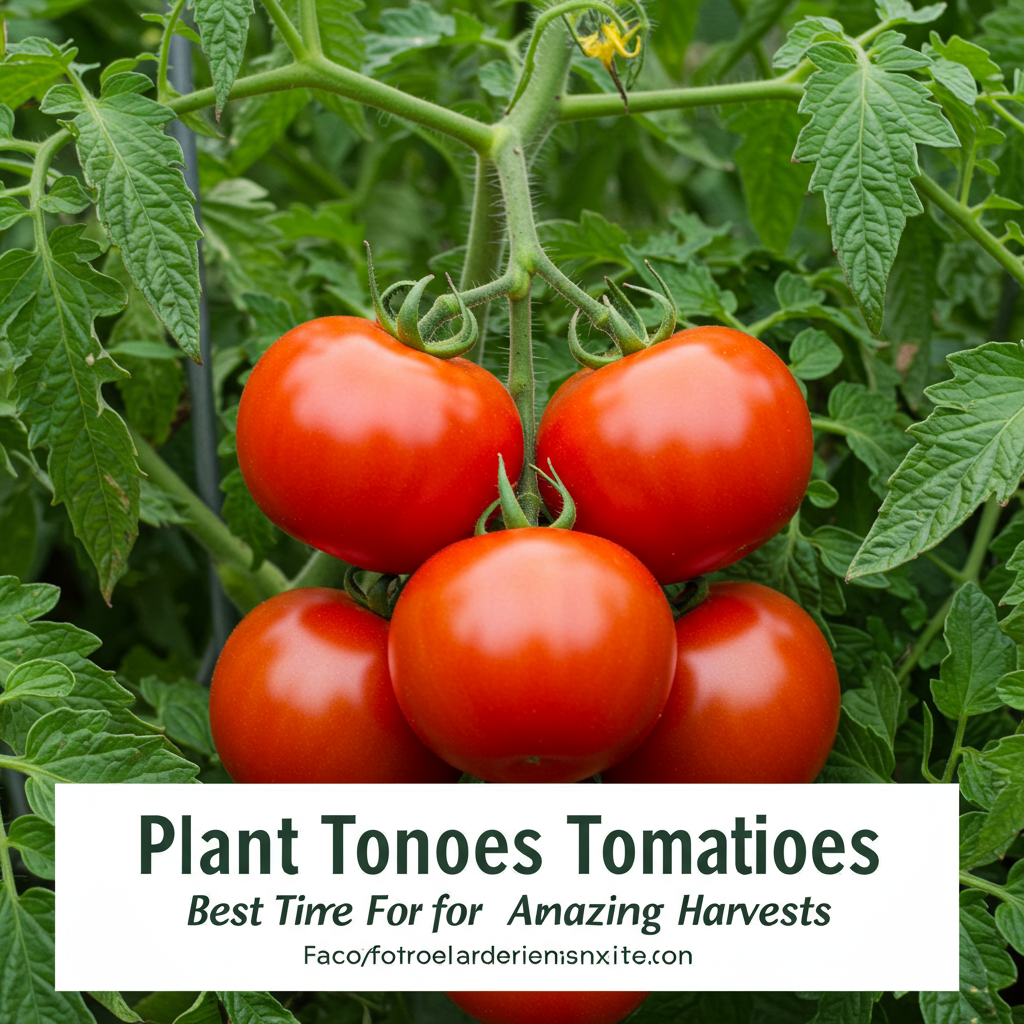
Successfully growing juicy, ripe tomatoes in Florida requires understanding its unique climate. Knowing when is the best time to plant tomatoes in Florida is crucial for avoiding extreme heat, humidity, and unexpected frosts that can halt your harvest. This guide will walk you through the optimal planting windows and provide essential tips for a thriving tomato garden.
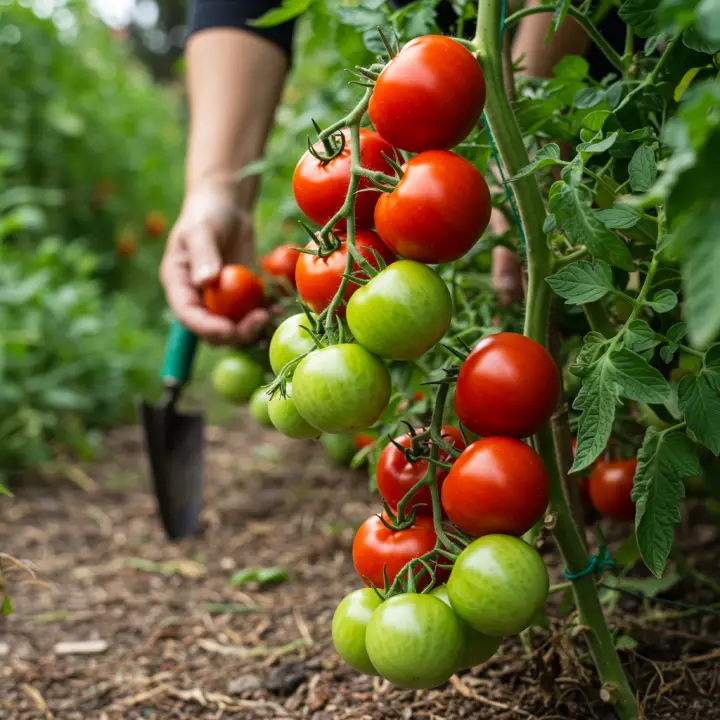
Florida’s Seasons: A Tale of Two Tomato Crops
Florida’s subtropical to tropical climate means traditional “summer” planting often leads to disappointment. Instead, Florida offers two primary, distinct growing seasons for tomatoes: fall/winter and spring. Each window presents its own opportunities and challenges, making timing everything.
Understanding Florida’s Unique Climate Challenges
Before diving into specific dates, it’s vital to grasp why Florida’s climate demands a different approach to tomato planting:
- Intense Heat & Humidity (Summer): High temperatures (consistently above 85-90°F) can cause flowers to drop without setting fruit, and humidity encourages fungal diseases.
- Frost Risk (Winter): While mild, northern and central Florida can experience unexpected frosts that will kill tender tomato plants.
- Pest & Disease Pressure: Warm, humid conditions year-round contribute to higher pest and disease activity.
The Fall/Winter Planting Season: Your Main Tomato Window
This is often considered the most reliable and productive season for tomatoes across much of Florida, especially Central and South Florida.
When to Plant for Fall/Winter:
- Starting Seeds Indoors: August to early September
- Transplanting Outdoors: September to October
Why the Fall/Winter Season Works:
- Milder Temperatures: As summer heat recedes, temperatures become ideal for fruit set and plant growth (70-85°F).
- Lower Humidity: Generally, conditions are drier, reducing fungal disease pressure.
- Longer Harvest Period: Plants established in fall can produce from late fall through winter and into early spring if protected from frost.
Regional Adjustments for Fall/Winter:
- North Florida (Panhandle, Jacksonville): Aim for early September transplanting to ensure fruit set before significant cold arrives. Protection from frost will be paramount from December to February.
- Central Florida (Orlando, Tampa): September to early October is ideal. Expect consistent production through winter.
- South Florida (Miami, Fort Myers): You have the longest window, often able to plant into late October or early November, extending harvests well into spring.
The Spring Planting Season: Beat the Summer Rush
The spring season offers another opportunity, particularly for those in North Florida or gardeners who missed the fall window. The goal here is to get plants established and producing before the intense summer heat sets in.
When to Plant for Spring:
- Starting Seeds Indoors: January to February
- Transplanting Outdoors: Late February to March
Why the Spring Season Can Be Tricky:
- Race Against Heat: Plants established in spring must produce rapidly before temperatures consistently climb above 90°F, which typically happens by late May or June.
- Early Frost Risk: Northern and Central Florida growers need to be mindful of late frosts in February or early March that could damage young plants.
Regional Adjustments for Spring:
- North Florida: Aim for early March transplanting after the last frost risk passes.
- Central Florida: Late February to early March is a good window.
- South Florida: You can generally start a bit earlier in February.
Key Factors for Tomato Success in Florida
Beyond timing, several other elements are critical for a fruitful tomato patch.
1. Sunlight Requirements
Tomatoes need at least 6-8 hours of direct sunlight daily. Choose a location that receives ample sun but consider afternoon shade in hotter regions to prevent heat stress.
2. Soil Quality
Florida’s native sandy soils often lack nutrients and organic matter. Amend your garden beds generously with:
- Compost
- Aged manure
- Peat moss or coco coir
This improves drainage, water retention, and nutrient availability. Raised beds are an excellent option for better soil control.
3. Water Wisely
Consistent watering is key, especially during fruit development.
- Deep and Infrequent: Water deeply rather than shallowly.
- Morning Watering: Water in the morning to allow foliage to dry before evening, reducing fungal disease risk.
- Mulch: Apply a 2-4 inch layer of mulch around plants to conserve moisture and regulate soil temperature.
4. Choosing the Right Tomato Varieties
This is perhaps one of the most important decisions for Florida gardeners. Look for varieties labeled:
- Heat-Tolerant: These varieties are bred to set fruit in warm conditions.
- Disease-Resistant: Look for resistance to common Florida diseases like Fusarium wilt, Verticillium wilt, and nematodes.
Popular Florida-Friendly Varieties: ‘Florida 91’, ‘Homestead’, ‘Bella Rosa’, ‘Celebrity’, ‘BHN 640’, ‘Heatwave II’, ‘Tropic’ (for South Florida).
5. Pest and Disease Management
Regular scouting is essential. Common issues include:
- Pests: Whiteflies, aphids, hornworms, stink bugs. Use organic methods like neem oil, insecticidal soap, or hand-picking.
- Diseases: Early blight, late blight, bacterial spot, various wilts. Good air circulation, proper watering, and choosing resistant varieties are your best defense.
Cultivating for Longevity: Ongoing Care
Once your tomatoes are in the ground at the right time:
- Staking/Caging: Provide sturdy support early to prevent plants from sprawling and to improve air circulation.
- Fertilization: Use a balanced fertilizer during early growth, then switch to one higher in phosphorus and potassium once flowering begins to encourage fruit set.
- Pruning: Remove suckers (shoots growing in the crotch of a leaf and main stem) to direct energy into fruit production, being mindful not to over-prune.
Frequently Asked Questions (FAQs)
Q1: Can I plant tomatoes in Florida in the summer?
A: Generally, no. While you might keep a plant alive, the intense heat and humidity (consistently above 90°F) will cause most tomato varieties to drop their flowers without setting fruit. It’s best to avoid summer planting for a good harvest.
Q2: What are the best tomato varieties for Florida?
A: Look for heat-tolerant and disease-resistant varieties. Some top choices include ‘Florida 91’, ‘Homestead’, ‘Bella Rosa’, ‘Celebrity’, ‘BHN 640’, ‘Heatwave II’, and for South Florida, ‘Tropic’. Always check seed packets for disease resistance codes.
Q3: How much sun do tomatoes need in Florida?
A: Tomatoes require at least 6-8 hours of direct sunlight per day. However, in the peak of the spring or fall season, some afternoon shade can be beneficial to protect plants from extreme heat stress.
Q4: When do I fertilize tomato plants in Florida?
A: Start with a balanced fertilizer after transplanting. Once the plants begin to flower and set fruit, switch to a fertilizer higher in phosphorus and potassium to encourage fruit development. Follow product instructions, as over-fertilizing can lead to lush foliage but few fruits.
Q5: How do I protect my tomatoes from pests in Florida?
A: Integrated Pest Management (IPM) is key. Regularly inspect plants for pests. Use organic solutions like neem oil or insecticidal soaps for common small pests. Hand-pick larger pests like hornworms. Encourage beneficial insects by planting companion flowers. Proper spacing and good air circulation also deter many issues.
Conclusion
Knowing when is the best time to plant tomatoes in Florida is your secret weapon for a successful harvest. By aligning your planting schedule with Florida’s unique fall/winter and spring growing seasons and choosing the right varieties, you can overcome the climatic challenges. Remember to prepare your soil, provide consistent care, and monitor for pests and diseases. With careful planning and attention, you’ll soon be enjoying delicious, homegrown tomatoes, straight from your Florida garden!