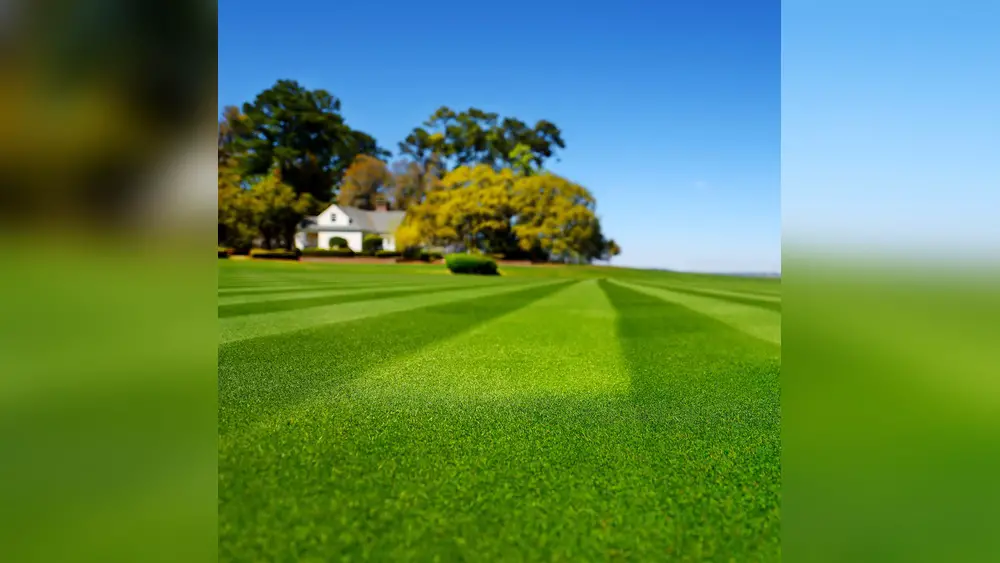
Are you ready to transform your Florida lawn into a lush, green paradise? Choosing the right grass is the key to creating a beautiful yard that thrives under the Florida sun and heat.
But with so many options available, which grass will give you the best results for your home? You’ll discover the top grasses perfectly suited for Florida’s unique climate. Whether you want a low-maintenance lawn, drought resistance, or a soft feel under your feet, we’ll help you find the perfect match.
Keep reading to learn how to pick the best grass that will make your outdoor space the envy of the neighborhood.
Credit: www.lawnstarter.com
Florida Climate And Soil
Warm-season grasses thrive in Florida’s hot and humid climate. They grow best from late spring to early fall. These grasses handle heat, drought, and heavy foot traffic well. Choosing the right warm-season grass ensures a green, healthy lawn year-round.
Bermuda Grass Benefits
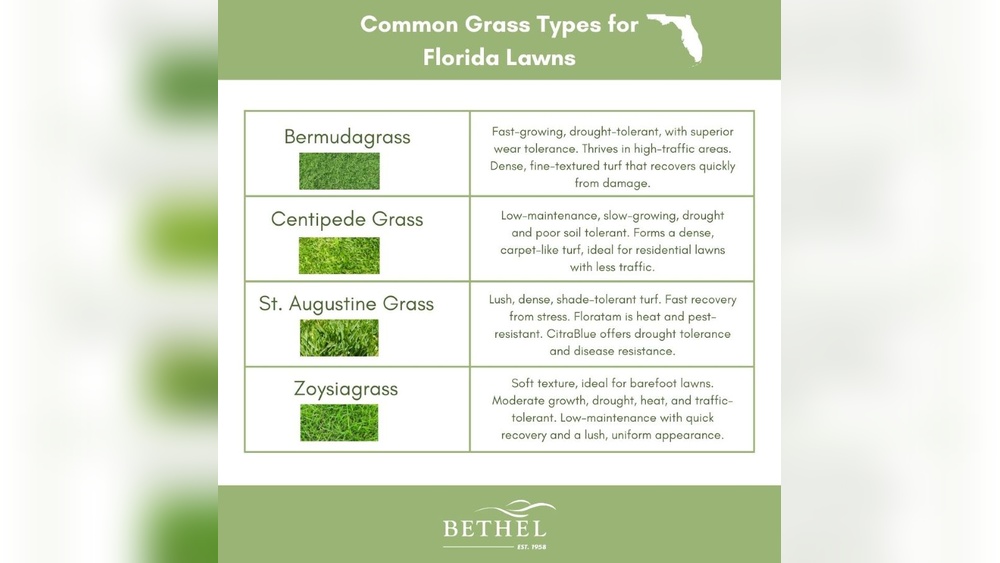
Bermuda grass grows quickly and recovers fast from damage. It tolerates heat and drought better than most grasses. This grass needs full sun to look its best. It is ideal for lawns, sports fields, and parks. Bermuda grass forms a dense turf that blocks weeds.
Zoysia Grass Features
Zoysia grass has a soft texture and deep green color. It grows slower than Bermuda but is very durable. This grass handles heat and moderate shade well. Zoysia requires less mowing and watering once established. It forms a thick carpet that resists weeds and pests.
St. Augustine Grass Overview
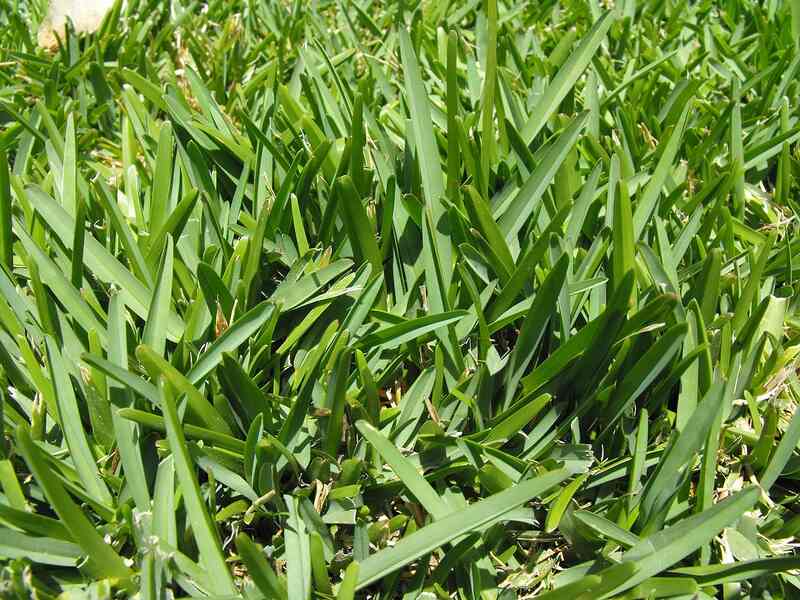
St. Augustine grass thrives in warm coastal areas. It prefers partial shade but tolerates sun too. This grass grows quickly and spreads through above-ground runners. It has broad, flat blades and a lush appearance. St. Augustine does well in sandy and salty soils.
Centipede Grass Characteristics
Centipede grass is low-maintenance and slow-growing. It prefers acidic, sandy soils common in Florida. This grass has a light green color and coarse texture. Centipede grass needs less fertilizer than other warm-season grasses. It grows best in full sun to partial shade.
Warm-season Grasses
Cool-season grasses thrive in cooler months and offer lush green lawns in mild climates. In Florida, these grasses grow best during fall and winter. They go dormant in hot summers but recover when temperatures drop. Choosing the right cool-season grass helps maintain a healthy lawn year-round. Some types adapt better to Florida’s unique climate than others.
Perennial Ryegrass Use In Florida
Perennial ryegrass grows quickly and establishes fast. It provides a dark green, fine-textured lawn. This grass is often used for overseeding warm-season grasses in winter. It tolerates cold well but struggles in hot, humid summers. Regular watering and mowing keep ryegrass healthy. It also resists wear, making it good for lawns with foot traffic.
Tall Fescue Suitability
Tall fescue handles shade and heat better than other cool-season grasses. It has deep roots that improve drought resistance. This grass stays green longer in Florida’s mild winters. Tall fescue requires less water than ryegrass. It grows in clumps and has a coarse texture. Proper care includes occasional fertilizing and mowing at medium height.
Cool-season Grass Options
Choosing the right grass seed is key for a healthy lawn in Florida. Various products suit different needs and climates here. Many brands offer seeds designed for Florida’s heat, humidity, and soil types. Understanding these options helps you pick the best seed for your yard.
Here is a closer look at popular grass seed products available in Florida.
Top Brands Available In Florida
Scotts is a leading brand with several seed options for Florida lawns. Their Turf Builder and Drought Tolerant mixes are widely used. Pennington offers quality Bermudagrass seeds known for heat tolerance. Jonathan Green provides blends like Black Beauty that thrive in warm climates. These brands have proven results in Florida’s environment.
Seed Mixes For Sun And Shade
Florida lawns often need seed mixes that handle both sun and shade. Scotts Turf Builder Sun & Shade mixes work well for partial shade areas. Pennington’s Fairway Supreme Ryegrass supports shaded lawn spots. These mixes combine different grass types to ensure coverage in varied light conditions. Choosing the right mix improves lawn growth and appearance.
Cost Considerations
Grass seed prices vary by brand and seed type. Basic Bermudagrass seed costs around $13 to $30 per bag. Premium mixes with drought or shade tolerance range from $30 to $70. Buying in bulk can reduce costs for larger lawns. Balance quality and budget to get the best value for your lawn care.
Credit: www.lawnstarter.com
Drought And Heat Tolerance
Installing the right grass in Florida requires careful planning. Proper installation ensures a healthy, green lawn that lasts. Follow these simple tips for best results.
Each step matters, from choosing the method to preparing the soil. Taking time here saves work later and improves growth.
Seeding Vs. Sodding
Seeding is cost-effective and allows more grass choices. It takes longer to establish and needs more care. Sodding offers instant green coverage and controls erosion. It costs more but grows quickly. Choose based on budget, time, and lawn use.
Best Planting Times
Warm-season grasses grow best in late spring to early summer. Plant then for strong roots and fast growth. Avoid cold months as grass may struggle. Timing planting well means less watering and fewer weeds.
Soil Preparation Steps
Clear the area of debris, rocks, and old grass. Loosen soil to about 4-6 inches deep for better root growth. Add organic matter or compost to improve soil quality. Level the soil to prevent water pooling. Water lightly before planting to settle the soil.

Credit: www.youtube.com
Frequently Asked Questions
What Is The Easiest Grass To Grow In Florida?
Bermuda grass is the easiest to grow in Florida due to its heat tolerance and fast growth. Zoysia grass also thrives well. Both require minimal maintenance and handle Florida’s climate effectively. Choose Bermuda for sunny areas and Zoysia for shade tolerance.
Which Grass Is Better, Zoysia Or St Augustine?
Zoysia grass offers drought tolerance and dense growth, ideal for sunny areas. St. Augustine thrives in shade and humid climates. Choose based on your lawn’s sun exposure and maintenance preference.
Can You Just Throw Grass Seed On The Ground And It Will Grow?
Simply throwing grass seed on the ground rarely works well. Proper soil preparation, watering, and protection improve germination and growth success.
What’s The Best Time To Plant Grass In Florida?
The best time to plant grass in Florida is late spring through early summer. Warm soil boosts seed germination and growth. Choose heat-tolerant grass types for optimal results.
Conclusion
Choosing the right grass for Florida depends on your lawn’s needs. Warm-season grasses like Bermuda and Zoysia thrive in hot, sunny areas. They handle drought and recover quickly from damage. St. Augustine grass suits shady spots and adds lush green color.
Regular care helps keep any grass healthy and vibrant. Think about your yard’s sunlight, water access, and maintenance time. This helps you pick the best grass for your Florida lawn. A healthy lawn improves your home’s look and feels great underfoot.
Start with the right grass, and your lawn will flourish year-round.