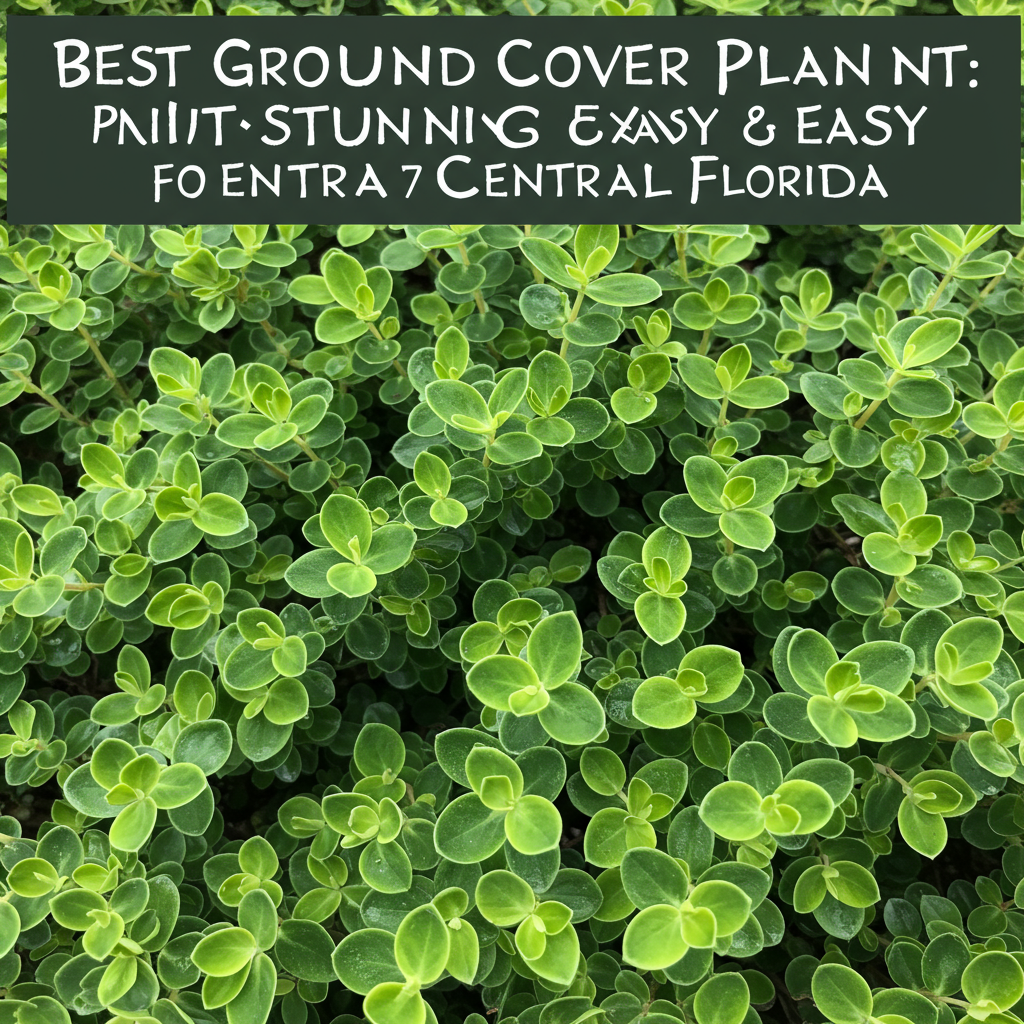
Looking for the ideal plant to beautify your yard, reduce maintenance, and thrive in Florida’s unique climate? This comprehensive guide reveals the best ground cover plant for Central Florida, offering detailed insights into various species suitable for distinct sun exposures, soil types, and aesthetic preferences. Learn about their benefits, care requirements, and how to choose the perfect ground cover to transform your Central Florida landscape into a lush, low-maintenance paradise.
Central Florida’s vibrant landscape, characterized by its long growing seasons, ample sunshine, and occasional humidity, presents both opportunities and challenges for gardeners. While luscious green lawns are a staple, many homeowners are discovering the immense benefits of integrating ground cover plants. These versatile plantings offer more than just aesthetic appeal; they are powerful tools for erosion control, weed suppression, moisture retention, and creating diverse, low-maintenance outdoor spaces. This guide will walk you through the top choices for ground cover plants perfectly suited to Central Florida’s unique environmental conditions, helping you make informed decisions for a thriving yard.
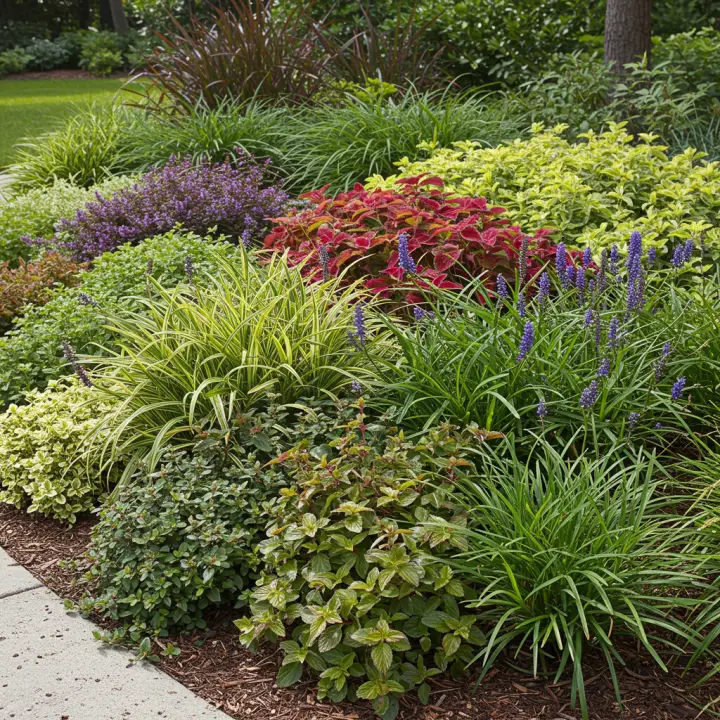
Understanding Central Florida’s Unique Climate and Soil
Before diving into specific plant recommendations, it’s crucial to understand the foundational elements that dictate gardening success in Central Florida: its climate and soil. These factors are the primary determinants of which plants will merely survive and which will truly flourish.
Sunshine, Heat, and Humidity: The Central Florida Challenge
Central Florida falls primarily within USDA Plant Hardiness Zones 9B and 10A, making it a subtropical paradise. This means:
- Abundant Sunshine: Most days offer ample sunlight, which can be intense, especially during the long summer months. Plants must be able to tolerate direct, often scorching, sun exposure.
- High Heat: Temperatures frequently soar into the 90s Fahrenheit (30s Celsius) from May through October, and often remain warm year-round. Heat-tolerant plants are a must.
- High Humidity: Consistent high humidity levels affect plant transpiration and can contribute to fungal diseases if air circulation is poor.
- Defined Wet and Dry Seasons: Florida experiences a distinct wet season (typically June to November) with heavy rainfall and a drier season (December to May) when irrigation becomes more critical. Drought-tolerant options are highly valued.
- Infrequent Frosts: While rare, Central Florida can experience light frosts or freezes during winter, especially inland. Plants chosen should ideally be cold-hardy enough to rebound quickly or avoid significant damage.
Soil Types: From Sandy Loam to Clay
Central Florida’s soil is predominantly sandy. This has several implications:
- Excellent Drainage: Sandy soils drain water quickly, which is beneficial for plants that hate “wet feet.” However, it also means nutrients can leach out rapidly, requiring regular fertilization or soil amendments.
- Low Water Retention: Due to fast drainage, sandy soils hold less moisture, making drought tolerance a key trait for successful planting, especially during the dry season.
- Low Organic Matter: Often, natural sandy soils lack the rich organic matter found in other regions, which impacts fertility and water-holding capacity. Amending with compost is frequently recommended.
- Variations Exist: While sandy loam is common, some areas may have pockets of heavier clay or even muck soils, particularly near wetlands or renovated agricultural areas. Understanding your specific soil type through a soil test can be immensely helpful.
Considering these environmental factors will guide you toward selecting resilient and appropriate ground cover plants for your Central Florida landscape.
Why Choose Ground Cover Plants? Benefits Beyond Beauty
Ground cover plants are unsung heroes of the landscape. Their benefits extend far beyond their visual appeal, offering practical solutions for common gardening challenges in Central Florida.
Erosion Control and Soil Stabilization
Florida’s sandy soils are prone to erosion, especially on slopes or during heavy rain events. Ground covers form a dense mat of roots and foliage that binds the soil particles together, preventing them from washing away. This is particularly valuable along walkways, property lines, or sloped garden beds, where bare soil can quickly erode.
Weed Suppression: Natural Weed Blockers
One of the most appealing aspects of ground covers is their ability to suppress weeds. By creating a thick canopy, they block sunlight from reaching weed seeds and outcompete any young weeds that manage to germinate. This significantly reduces the need for manual weeding or chemical herbicides, saving time and promoting a more natural garden.
Moisture Retention and Reduced Irrigation
A dense blanket of ground cover acts like a living mulch. It shades the soil, reducing water evaporation from the surface and helping to keep the soil cooler. This increased moisture retention means you’ll need to water less frequently, conserving water and reducing your utility bills – a significant advantage in Florida’s warm climate.
Aesthetic Appeal and Landscape Enhancement
Ground covers add incredible texture, color, and visual interest to a landscape. They can soften hard edges, define pathways, fill in awkward gaps, and create a cohesive, finished look. Whether you prefer vibrant blooms, lush foliage, or interesting textures, there’s a ground cover to match every design aesthetic. They can seamlessly transition between different garden elements, acting as a living carpet.
Wildlife Habitat and Biodiversity
Many ground covers, especially native varieties, provide essential habitat and food sources for local wildlife. Some offer nectar for pollinators like bees and butterflies, while others provide shelter for beneficial insects or small critters. Choosing native ground covers helps support the delicate ecosystem of Central Florida, contributing to local biodiversity.
Low Maintenance Solutions
Compared to traditional turf grass, which requires frequent mowing, fertilizing, and extensive watering, many ground covers are remarkably low-maintenance once established. They grow to a manageable height, require less pruning, and are often more resistant to common pests and diseases, offering a sustainable alternative that frees up your weekends.
Criteria for Selecting the Best Ground Cover for Central Florida
Choosing the right ground cover isn’t just about picking a pretty plant. Successful selection involves matching the plant’s needs with your site’s conditions and your specific goals. Here are the key criteria to consider:
Sun Exposure: Full Sun, Partial Sun, or Full Shade?
This is perhaps the most critical factor.
- Full Sun: Areas receiving 6+ hours of direct sun daily. Many ground covers thrive in full sun in Central Florida, but they must also be heat and drought tolerant.
- Partial Sun/Partial Shade: Areas receiving 3-6 hours of sun, often morning sun with afternoon shade, or dappled light throughout the day. This is a common situation for areas under larger trees or alongside buildings.
- Full Shade: Areas receiving less than 3 hours of direct sun, often in deep shade. These areas can be challenging, but specific shade-loving ground covers excel here.
Recommendation: Observe your garden throughout the day to accurately determine sun exposure in different sections.
Drought Tolerance: Adapting to Florida’s Dry Spells
As mentioned, Florida has a distinct dry season. Opting for ground covers with high drought tolerance means less reliance on supplemental irrigation once they are established. This not only conserves water but also ensures your plants remain healthy and vibrant through periods of little rainfall. Look for plants native to dry regions or those with adaptations for water retention.
Soil Preference and pH Levels
While most Central Florida soils are sandy and slightly acidic to neutral, some plants have very specific soil needs.
- Drainage: Ensure the plant prefers the well-drained conditions of sandy soil, or be prepared to amend heavier soils.
- Nutrients: Some plants are heavy feeders, while others can thrive in nutrient-poor conditions.
- pH: Most common ground covers are adaptable, but a soil test can reveal if you have an unusual pH and if certain plants would struggle.
Growth Habit and Spread Rate
Consider how the plant grows and how quickly it spreads.
- Vining/Creeping: Spreads horizontally and covers ground quickly.
- Clumping: Grows in discrete clumps, slower to cover large areas.
- Height: How tall does it get? Shorter ground covers are generally preferred for large areas, while taller ones can be used for texture.
- Aggressiveness: Some plants are incredibly vigorous spreaders. While great for quick coverage, they might require more frequent trimming to prevent them from encroaching on other plants or pathways. Balance rapid coverage with manageability.
Maintenance Requirements: Pruning, Fertilizing, and Watering
Different ground covers have different needs:
- Watering: All newly planted ground covers require consistent watering until established. After that, drought-tolerant varieties need minimal supplemental water.
- Pruning: Some require occasional trimming to maintain shape, prevent invasiveness, or remove spent blooms.
- Fertilizing: Many ground covers are not heavy feeders, especially those adapted to Florida’s soils. Over-fertilization can sometimes lead to excessive, leggy growth.
- Pest and Disease Resistance: Choose varieties known for their resilience against common Florida pests and diseases to minimize intervention.
Native vs. Non-Native: Ecological Considerations
- Native Ground Covers: These plants are naturally adapted to Florida’s climate, soil, and ecosystem. They often require less water, fertilizer, and pest control once established. They also support local wildlife and help preserve biodiversity. Prioritizing native species is an excellent ecologically responsible choice.
- Non-Native (Adapted) Ground Covers: Many non-native plants perform exceptionally well in Central Florida. The key is to select those that are not invasive. Avoid any plant listed as invasive by the Florida Exotic Pest Plant Council (FLEPPC), as these can escape cultivation and harm native ecosystems.
Pest and Disease Resistance
Florida’s warm, humid climate can be a breeding ground for pests and diseases. Selecting ground covers that are naturally resistant can save you a lot of trouble and reduce the need for chemical treatments, contributing to a healthier environment for your family and pets.
Top Picks: Best Ground Cover Plant for Central Florida (Detailed Sections)
Now, let’s explore some of the top ground cover plants that thrive in Central Florida, categorized by their sun exposure needs. Each plant description includes key characteristics, advantages, and care tips to help you make the best choice.
Best Ground Covers for Full Sun in Central Florida
These plants are champions of the sun, capable of withstanding the intense Central Florida heat and light.
- Sunshine Mimosa ( Mimosa strigillosa )
- Growth Habit: Dense, creeping perennial, native to Florida.
- Sun/Shade: Full sun to partial shade.
- Water Needs: Drought-tolerant once established.
- Soil Preference: Adaptable, but thrives in well-drained sandy soils.
- Mature Size: Spreads indefinitely, 3-6 inches tall.
- Flowering: Small, pink, puffball-like flowers appear spring through fall. The leaves fold up when touched or at night.
- Unique Features: Nitrogen (Note: MAX_TOKENS)-fixer, excellent for erosion control, attracts pollinators.
- Pros: Native, very low maintenance, beautiful blooms, supports wildlife, can tolerate some light foot traffic.