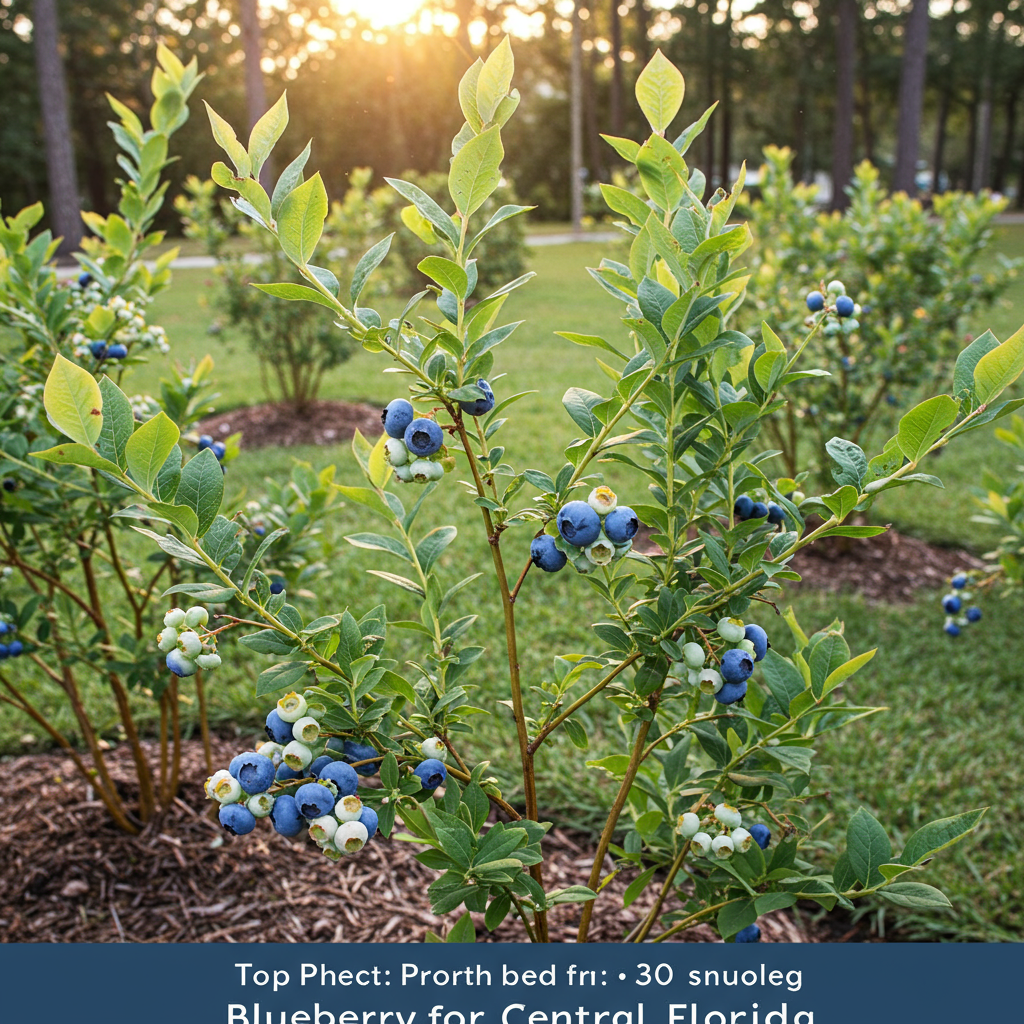
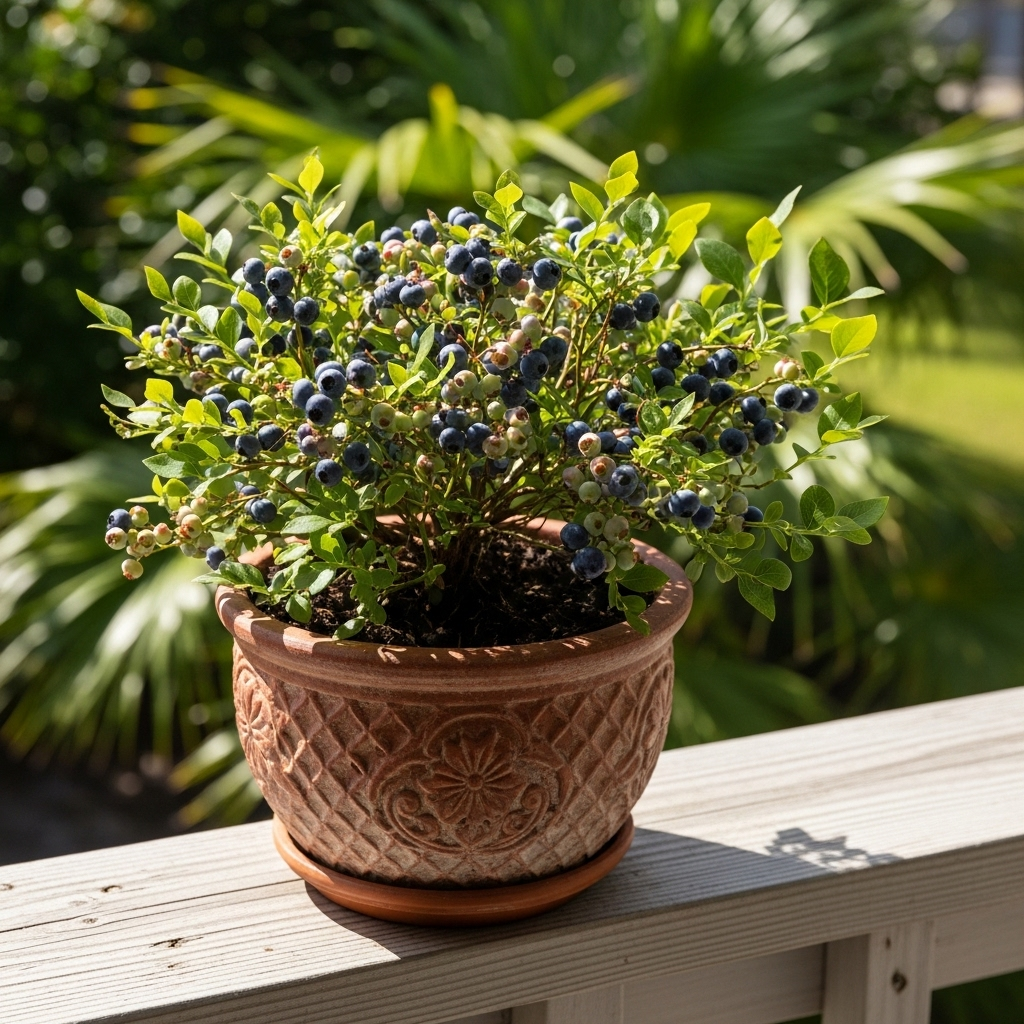
Growing blueberries in Florida in pots is the perfect solution for gardeners who want to overcome the state’s challenging alkaline soil. By selecting low-chill varieties, creating the right acidic soil mix in a container, and providing consistent care, you can enjoy a bountiful harvest of delicious, homegrown blueberries right from your patio or balcony.
Imagine stepping onto your patio on a sunny Florida morning and picking a handful of fresh, ripe blueberries for your breakfast. It sounds like a dream, but for many Florida gardeners, the state’s naturally alkaline soil makes it a challenge. The secret to success isn’t fighting the ground beneath your feet—it’s rising above it. This guide will show you everything you need to know about growing delicious blueberries in containers, turning that dream into a sweet reality.
Why Grow Blueberries in Pots in Florida?
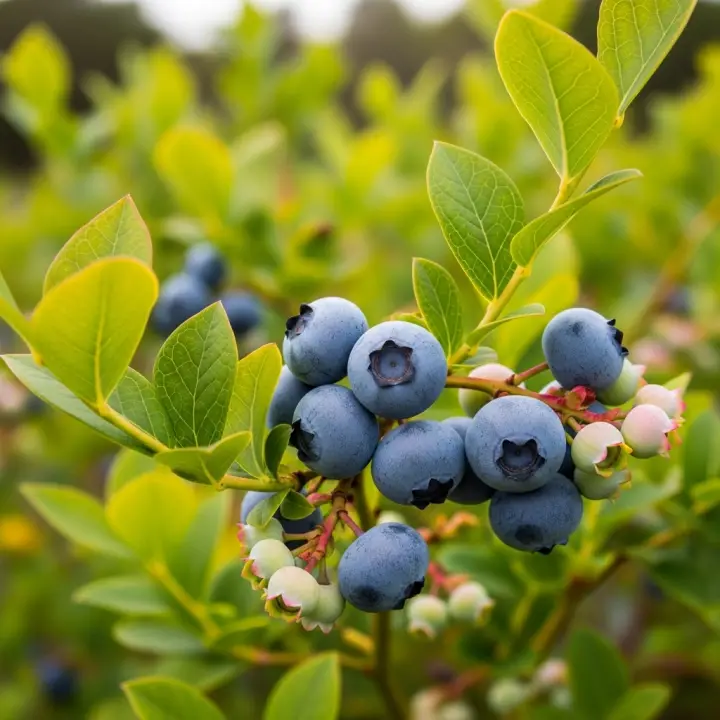
Growing blueberries in containers is not just an alternative; it’s often the best way to succeed in the Sunshine State. Here’s why:
- Total Soil Control: Florida’s soil is typically sandy and alkaline (high pH). Blueberries are acid-loving plants that thrive in a low pH environment (4.5 to 5.5). In a pot, you can create the perfect acidic soil mix from scratch and maintain it easily.
- Excellent Drainage: Blueberries need soil that is moist but well-drained. Containers with good drainage holes prevent waterlogging, which can lead to root rot.
- Mobility and Protection: You can move your pots to ensure they get the perfect amount of sun, and you can provide afternoon shade during the intense summer heat. You can also easily protect them from a rare Florida freeze by moving them to a sheltered location.
- Space Efficiency: No large yard? No problem! Pots are perfect for balconies, lanais, patios, and small garden spaces.
Choosing the Right Blueberry Varieties for Florida Containers
The most critical step is selecting a variety suited for Florida’s mild winters. Blueberries require a certain number of “chill hours”—time spent in temperatures between 32°F and 45°F—to set fruit. Florida-friendly varieties are “low-chill.”
Southern Highbush Varieties
These are fantastic for containers. They are typically self-pollinating (though they produce more fruit with a second variety nearby) and have very low chill hour requirements.
- ‘Emerald’: A vigorous grower that produces large, flavorful berries early in the season.
- ‘Jewel’: Known for its high yield of large, sweet fruit. A very reliable choice.
- ‘Windsor’: Produces firm, large berries with a classic blueberry taste. It adapts well to pots.
Rabbiteye Varieties
Rabbiteye blueberries are native to the southeastern U.S. and are exceptionally hardy and forgiving, making them great for beginners. Crucially, you must plant at least two different Rabbiteye varieties for cross-pollination to occur.
- ‘Premier’: An early-season variety that produces large, light-blue berries.
- ‘Tifblue’: A reliable mid-to-late season producer with excellent flavor.
- ‘Powderblue’: A late-season variety known for its light blue color and resistance to cracking.
The Perfect Potting Setup: Container and Soil
Your pot and soil are the foundation of your blueberry plant’s health.
Selecting the Right Pot
- Size: Start with a 5-gallon pot for a young plant. As it grows over the next few years, you will need to pot up to a 15, 20, or even 25-gallon container for a mature plant. A larger pot holds more moisture and gives roots room to expand.
- Material: Fabric grow bags are excellent for aeration and drainage. Terracotta is heavy and dries out quickly. A high-quality plastic or resin pot is a great, lightweight choice.
- Drainage: This is non-negotiable. Ensure your pot has multiple, large drainage holes.
Creating the Ideal Acidic Soil Mix
You cannot use standard potting soil or Florida sand. You must create a custom acidic mix. A popular and effective DIY recipe is:
- 50% Peat Moss: Provides the acidic base and holds moisture.
- 40% Pine Bark Fines (or Soil Conditioner): Adds structure, improves drainage, and contributes to acidity as it breaks down.
- 10% Perlite or Coarse Sand: Ensures excellent aeration and drainage.
Alternatively, you can buy a pre-made commercial mix formulated for acid-loving plants like azaleas or camellias.
Blueberry Plant Care: Sun, Water, and Fertilizer
With the right setup, daily care is simple and rewarding.
Sun Exposure
Blueberries need at least 6-8 hours of direct sunlight per day to produce a good fruit crop. In the peak of the Florida summer, providing some shade from the harsh afternoon sun can prevent leaf scorch.
Watering Your Potted Blueberries
- Consistency is Key: Container plants dry out much faster than those in the ground. Check the soil daily by poking your finger about two inches deep. If it feels dry, it’s time to water.
- Water Thoroughly: Water until you see it running out of the drainage holes at the bottom. This ensures all the roots get a drink.
- Water Source: If possible, use rainwater. Tap water in Florida can be alkaline and may slowly raise the soil’s pH over time.
Fertilizing for Success
Feed your plants with a fertilizer designed for acid-loving plants. Look for products labeled for azaleas, camellias, or rhododendrons.
- When to Fertilize: Apply fertilizer in early spring as new growth appears, and again right after the harvest is complete.
- Avoid Over-Fertilizing: Follow the package directions carefully. Too much fertilizer can burn the plant’s sensitive roots. Do not fertilize in the late fall or winter.
FAQs: Growing Blueberries in Florida in Pots
Q: How long until my plant produces blueberries?
A: You may get a small handful of berries in the first year, but expect a meaningful harvest starting in the second or third year after planting.
Q: Why are the leaves on my blueberry plant turning yellow?
A: Yellowing leaves, especially with green veins (a condition called chlorosis), are a classic sign that the soil pH is too high. Your plant can’t absorb a key nutrient, iron. Add a soil acidifier or repot with a fresh acidic mix.
Q: Do I really need two blueberry plants?
A: If you choose a Southern Highbush variety, you can get away with one, but it will produce more with a friend. If you plant Rabbiteye varieties, you absolutely must have at least two different varieties for them to produce any fruit.
Q: What is the best size pot for a mature blueberry bush?
A: A mature blueberry bush will be happiest in a pot that is at least 15-20 gallons. This provides ample room for root growth and helps the soil retain moisture.
Conclusion
Growing blueberries in Florida in pots is a truly rewarding experience that puts you in complete control. By choosing a low-chill variety, crafting the perfect acidic soil, and providing consistent sun, water, and nutrients, you can overcome Florida’s natural limitations. Say goodbye to store-bought berries and hello to a delicious, homegrown harvest right from your own patio. Happy growing