

If you’re thinking about growing watermelon in Florida, you want to pick the right variety that thrives in this warm climate and delivers sweet, juicy fruit every time. Choosing the best watermelon to grow in Florida isn’t just about taste—it’s about making sure your plant can handle the heat, humidity, and seasonal changes unique to the Sunshine State.
You’ll discover which watermelon types are proven winners for Florida gardeners, when to plant them for the best results, and easy tips to help you grow mouthwatering melons right in your backyard. Keep reading to unlock the secrets to a successful and delicious watermelon harvest!
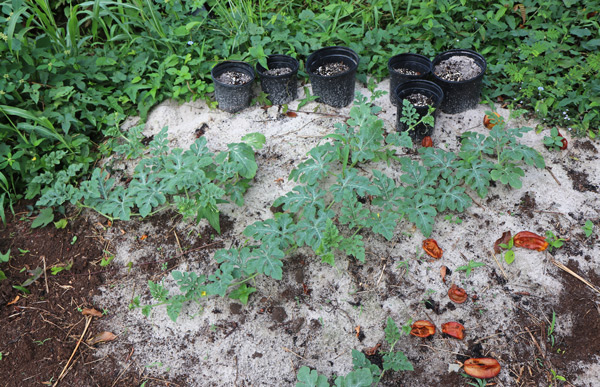
Credit: thesurvivalgardener.com
Planting Seasons In Florida
Choosing the right time to plant watermelon in Florida is key for a good harvest. The state’s climate varies between regions. This affects when you should start planting. Understanding the planting seasons helps you grow healthy, sweet watermelons. Here is a guide for different parts of Florida.
North Florida Timing
In North Florida, plant watermelon seeds in March or April. The soil warms enough by then for seeds to sprout well. Early planting avoids the hottest summer days. Watermelon plants grow best in warm but not extreme heat. This timing helps reduce problems with pests and diseases. It also gives melons time to mature before fall.
Central And South Florida Timing
Central and South Florida have warmer weather earlier in the year. Plant watermelon seeds from January through March in these regions. The longer warm season allows for earlier growth. Watermelon plants thrive with this early start. This schedule helps fruits ripen before the summer rains. It also lowers risks of fungal diseases common in wet weather.
Second Planting Opportunities
Many Florida gardeners get a second chance to plant watermelons. This happens during July and August. Warm soil and long days still support growth. The second planting can extend your harvest season. Watch the weather closely to avoid heavy rains. Ensure watermelons get enough sun and water. This second round can boost your total yield for the year.
Growing Conditions To Consider
Growing watermelons in Florida requires attention to specific conditions. The state’s warm climate suits watermelon growth well. Yet, factors like sunlight, watering, and disease control impact success. Understanding these conditions helps ensure a bountiful harvest. Below are key growing factors to consider for watermelon cultivation in Florida.
Sunlight Requirements
Watermelons need full sun to thrive. They require at least six to eight hours of direct sunlight daily. Sunlight supports strong vine growth and sweet fruit development. Choose a planting spot with unobstructed light. Avoid shady areas or places near tall trees. Proper sunlight ensures healthy plants and better yields.
Watering Practices
Watermelons demand consistent moisture, especially during flowering and fruiting. Deep watering once or twice a week is best. Keep soil moist but not waterlogged. Avoid watering leaves to reduce disease risk. Drip irrigation or soaker hoses work well. Mulching helps retain soil moisture and controls weeds. Adjust watering based on rainfall and temperature.
Disease Prevention
Watermelon plants in Florida face fungal and bacterial diseases. Good air circulation reduces humidity and disease chances. Space plants adequately to prevent crowding. Remove weeds and plant debris around vines. Use disease-resistant watermelon varieties when possible. Avoid overhead watering to limit leaf wetness. Regularly inspect plants for early signs of infection. Treat affected areas promptly to protect your crop.
Top Watermelon Varieties For Florida
Choosing the right watermelon variety is key to growing success in Florida’s warm climate. The state’s heat and humidity require types that resist disease and mature well under these conditions. Selecting varieties adapted to Florida can lead to sweeter, juicier fruits and a better harvest. Below are some top watermelon varieties that thrive in Florida’s gardens.
Sangria
Sangria watermelons have bright red flesh and a crisp texture. They grow well in warm climates and resist common diseases. This variety matures in about 85 days. The fruits are large with a sweet flavor, perfect for fresh eating.
Bradford Family
Bradford Family watermelons are popular for their sweet taste and firm flesh. They handle Florida’s heat with ease. This variety produces medium-sized melons with dark green rinds. It has a good resistance to pests and diseases common in Florida.
Crimson Sweet
Crimson Sweet is a classic variety loved for its sweet, juicy flesh. It adapts well to Florida’s climate and grows large fruits. The rind has dark and light green stripes, making it easy to spot ripe melons. This type usually takes about 90 days to mature.
Sugar Baby
Sugar Baby watermelons are small but very sweet. They suit gardens with limited space. This variety matures quickly, in about 75 days. Their dark green rinds protect the bright red flesh inside, which is perfect for snacking.
Exceed Mini Crimson
Exceed Mini Crimson is a compact variety designed for smaller spaces. It produces sweet, crisp melons weighing around 8 to 10 pounds. This type resists many diseases and thrives in Florida’s warm weather. It typically matures in 70 to 80 days.
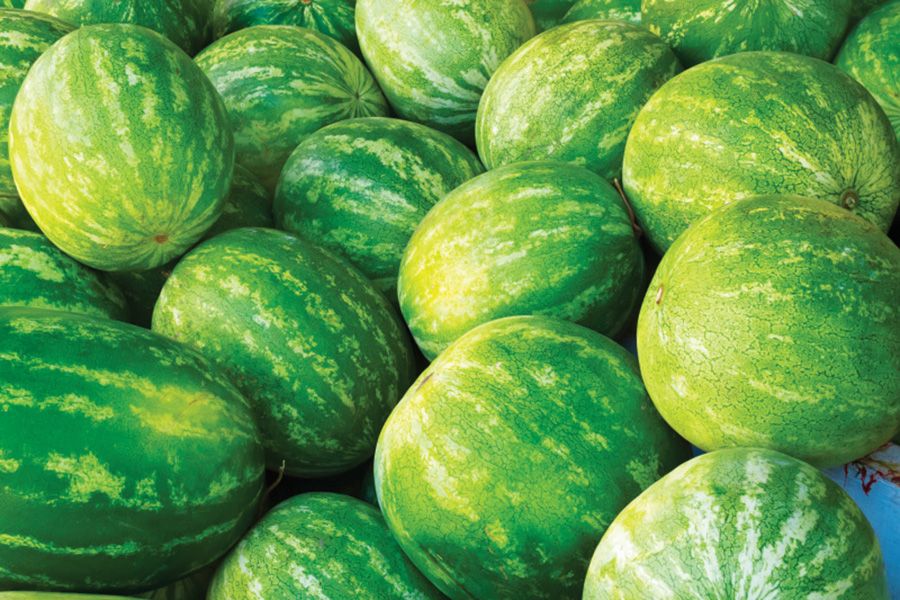
Credit: floridafarmfamily.com
Choosing The Sweetest Watermelon
Choosing the sweetest watermelon is key to enjoying a refreshing treat. In Florida’s warm climate, picking a ripe and juicy watermelon is easier with a few simple tips. These tips help you find the best melon that tastes sweet and fresh. Pay attention to the watermelon’s color, size, sound, and sugar webbing. Each hint tells you more about the fruit’s quality and sweetness.
Field Spot Color
Look for a creamy yellow field spot on the watermelon’s rind. This spot shows where the melon rested on the ground. A deep yellow color means the melon ripened fully. White or pale spots suggest it was picked too early. The darker the field spot, the sweeter the watermelon likely is.


Weight And Size
Pick watermelons that feel heavy for their size. A heavy melon holds more water, which means it is juicy. Compare melons of the same size and choose the heavier one. Avoid light or thin melons. They often lack sweetness and can be dry inside.
Sound Test
Tap the watermelon gently with your hand. Listen for a deep, hollow sound. This sound means the melon is ripe and ready to eat. A dull or flat noise can mean the watermelon is overripe or not sweet. The sound test is a quick way to check ripeness before buying.
Sugar Webbing Indicators
Check for brown, web-like lines on the watermelon’s skin. These sugar webbing marks show where bees pollinated the flower. More webbing means the fruit is sweeter. It also means the watermelon had good growing conditions. Look for webbing as a natural sign of sweetness.
Harvesting Tips For Florida Growers
Harvesting watermelon at the right time is crucial for Florida growers. Knowing when and how to pick ensures the best taste and texture. Florida’s warm climate can speed up growth, but it also means you must watch closely. Proper harvesting extends the fruit’s shelf life and reduces waste. Follow these tips to get the sweetest watermelons from your garden.
Signs Of Ripeness
Look for a dull, not shiny, skin on the watermelon. The spot where the fruit touched the ground should be creamy yellow. The tendril near the fruit stem will turn brown and dry. Tap the watermelon; a deep hollow sound means it is ripe. Avoid picking fruit with green or white spots on the ground side.
Harvest Timing By Region
North Florida growers should expect watermelons to ripen around June to July. Central Florida harvests usually start in May and run through July. South Florida growers can often harvest earlier, from April to June. Keep in mind weather and planting dates can shift these periods slightly. Regularly check your plants during these times for ripe fruit.
Handling And Storage
Handle watermelons gently to avoid bruising the fruit. Use both hands when lifting to support the weight. Store harvested watermelons in a cool, shaded area. Keep them off concrete floors to prevent moisture buildup. Watermelons can last up to two weeks if stored properly at 50-60°F. Avoid refrigeration before cutting to maintain flavor and texture.

Credit: www.revivalgardening.com
Common Growing Mistakes To Avoid
Growing watermelons in Florida can be rewarding but tricky. Many gardeners face common mistakes that hurt their harvest. Avoiding these errors improves your chances of growing sweet, juicy melons. Understanding what to watch for helps your plants thrive in Florida’s climate.
Overwatering Risks
Watermelon plants need steady moisture but not too much. Overwatering causes roots to rot and weakens the plant. Wet soil invites fungi and other diseases. Watermelons grow best in well-drained soil that dries slightly between watering. Check soil moisture before watering again to prevent excess water.
Avoiding Overhead Watering
Watering from above wets the leaves and fruit. This creates a perfect spot for mildew and fungal infections. Use drip irrigation or water at the base of the plant instead. Keep leaves dry to reduce disease risk. Early morning watering helps leaves dry faster under the sun.
Pest And Disease Challenges
Florida’s warm climate supports many pests and diseases. Aphids, cucumber beetles, and squash bugs can damage your watermelon vines. Regularly check plants for signs of insects or infection. Remove affected leaves and use natural pest controls. Healthy plants resist diseases like powdery mildew better.
Frequently Asked Questions
What Is The Best Watermelon To Grow In Florida?
The best watermelon to grow in Florida is Crimson Sweet. It thrives in warm climates, resists disease, and produces sweet, juicy fruits. Plant from January to April in Central and South Florida, and March to April in North Florida for optimal growth and harvest.
What Month Do You Plant Watermelons In Florida?
Plant watermelons in Florida from March to April in North Florida, and January to March in Central and South Florida. A second planting is possible in July and August in many areas.
What Is The Best Tasting Watermelon Variety?
The best-tasting watermelon varieties include Sangria, Bradford Family, and Crimson Sweet. These offer sweetness, juiciness, and crisp texture. Choose watermelons with a creamy yellow field spot, heavy weight, and a deep hollow sound for the sweetest, most flavorful fruit.
What Is The Easiest Fruit To Grow In Florida?
The easiest fruit to grow in Florida is the watermelon. It thrives in warm weather with full sun and consistent moisture. Plant from January to April depending on the region. Watermelons resist pests and grow quickly, making them ideal for beginner gardeners in Florida’s climate.
Conclusion
Choosing the right watermelon variety makes growing in Florida easier. Varieties like Crimson Sweet and Sangria thrive well here. Plant during the recommended months for your region. Keep your soil moist but avoid wetting leaves. Sunlight is essential for healthy growth and sweet fruits.
Watch for pests and diseases to protect your harvest. With care, you can enjoy fresh, juicy watermelons from your own garden. Growing watermelons in Florida can be simple and rewarding. Start small, observe, and enjoy the delicious results.