Are you thinking about adding fruit trees to your Central Florida garden but unsure which ones will thrive best? Growing fruit trees here can be incredibly rewarding, giving you fresh, delicious produce right from your backyard.
But not all fruit trees are suited for Central Florida’s unique climate and soil conditions. Knowing which trees grow best can save you time, money, and frustration. You’ll discover the top fruit trees that flourish in Central Florida, including some surprising options that might become your new favorites.
Ready to turn your yard into a fruitful oasis? Let’s dive in and find the perfect trees for your space!
Best Tropical Fruit Trees
Central Florida’s warm climate suits many tropical fruit trees. These trees thrive under the sun and produce delicious fruits. Growing tropical fruit trees can bring fresh flavors to your home garden. They also add beauty and shade to your yard.
Avocado Varieties
Avocado trees grow well in Central Florida. Varieties like ‘Choquette’, ‘Monroe’, and ‘Lula’ are popular. These types handle heat and humidity nicely. Avocados need well-drained soil and plenty of sun. Trees may take a few years to bear fruit. The creamy fruit is rich in healthy fats and vitamins.
Papaya Benefits
Papaya trees grow fast and start producing fruit early. They prefer full sun and moist soil. The fruit is sweet, juicy, and full of vitamin C. Papayas aid digestion and boost immunity. They add a tropical touch and fresh taste to any garden.
Mango Selection
Mango trees are a favorite for Central Florida gardens. Varieties like ‘Haden’, ‘Kent’, and ‘Tommy Atkins’ do well here. Mango trees need space to grow and full sun. The fruit is sweet and perfect for eating fresh or cooking. Mangoes provide vitamins A and C, supporting skin and eye health.
Guava And Sugar Apple
Guava trees are tough and produce fruit quickly. They tolerate heat and are easy to grow. Guava fruits are fragrant and packed with vitamin C. Sugar apple trees prefer rich soil and warm weather. Their fruit has a creamy texture and sweet taste. Both trees add variety and flavor to tropical fruit gardens.
Citrus Trees For Central Florida
Citrus trees thrive in Central Florida’s warm climate and rich soil. They bring fresh fruit and vibrant color to any garden. Home gardeners and commercial growers enjoy their sweet, tangy flavors year after year.
Choosing the right citrus tree depends on space, taste preference, and care level. Many varieties suit small yards and large orchards alike. Their fragrant blossoms also attract helpful pollinators to your garden.
Dwarf Citrus Options
Dwarf citrus trees suit small spaces perfectly. They grow slowly and stay compact. You can grow them in pots or garden beds. Common dwarf types include Meyer lemon, calamondin, and kumquat. They produce regular harvests without needing much room. Dwarf trees also adapt well to container growing.
Kumquat And Orange Trees
Kumquats are hardy and easy to grow. Their small fruits are sweet and tart, eaten whole. Orange trees are a classic choice in Central Florida. Varieties like Valencia and Hamlin do well here. Both trees need full sun and regular watering. They provide juicy fruit for fresh eating or juicing.
Pollination Tips
Citrus trees often self-pollinate but benefit from pollinators. Bees and other insects help improve fruit set and size. Plant flowers nearby to attract pollinators. Avoid pesticides during bloom times. For best results, place different citrus varieties close together. This encourages cross-pollination and boosts fruit production.
Fast-growing Fruit Trees
Fast-growing fruit trees bring quick rewards to Central Florida gardeners. They mature quickly and start bearing fruit sooner. These trees fit well in gardens where space and time matter. Choosing the right fast-growing tree means more fruit in less time. Here are some top fast-growing fruit trees for this region.
Mulberry Advantages
Mulberry trees grow rapidly and produce fruit in a short time. They require little care and tolerate Central Florida’s heat well. Mulberries are rich in nutrients and taste sweet. Their dense leaves provide good shade in yards. These trees also attract birds, adding life to your garden.
Loquat And Peach Varieties
Loquat trees can fruit as early as the second year. They offer small, juicy fruits with a sweet-tart flavor. Peaches, especially varieties like Scarlet Prince, grow fast and yield fruit quickly. Both thrive in Central Florida’s warm climate. These trees need regular watering and sunlight to produce well.
Pear And Fig Trees
Pear trees such as Hood Pear grow fast and bear fruit early. They adapt well to Central Florida’s soil and weather. Fig trees are another quick option, producing large, sweet fruits. Figs grow well in containers or garden beds. Both trees offer delicious fruit and add beauty to landscapes.
Heat-tolerant Fruit Trees
Central Florida’s warm climate suits many fruit trees. Heat-tolerant fruit trees thrive here. They handle high temperatures and often dry spells. These trees produce sweet, juicy fruits with minimal fuss. Growing such trees can bring fresh flavors to your home garden. Choose varieties that resist heat stress and still fruit well.
Persimmon And Pomegranate
Persimmons handle heat and drought with ease. They grow well in sandy or loamy soils. Their bright orange fruits ripen in fall. Pomegranates also love warm weather. They produce red, tangy fruits rich in antioxidants. Both trees require full sun and well-drained soil. They add color and nutrition to any yard.
Banana And Dragon Fruit
Bananas flourish in Central Florida’s heat. They need regular water but tolerate sun well. Their large leaves provide shade and beauty. Dragon fruit, a cactus, thrives in hot, dry spots. It produces unique, pink fruits with white flesh. Both plants grow quickly and offer tropical tastes. They brighten gardens with lush foliage.
Longan And Lychee
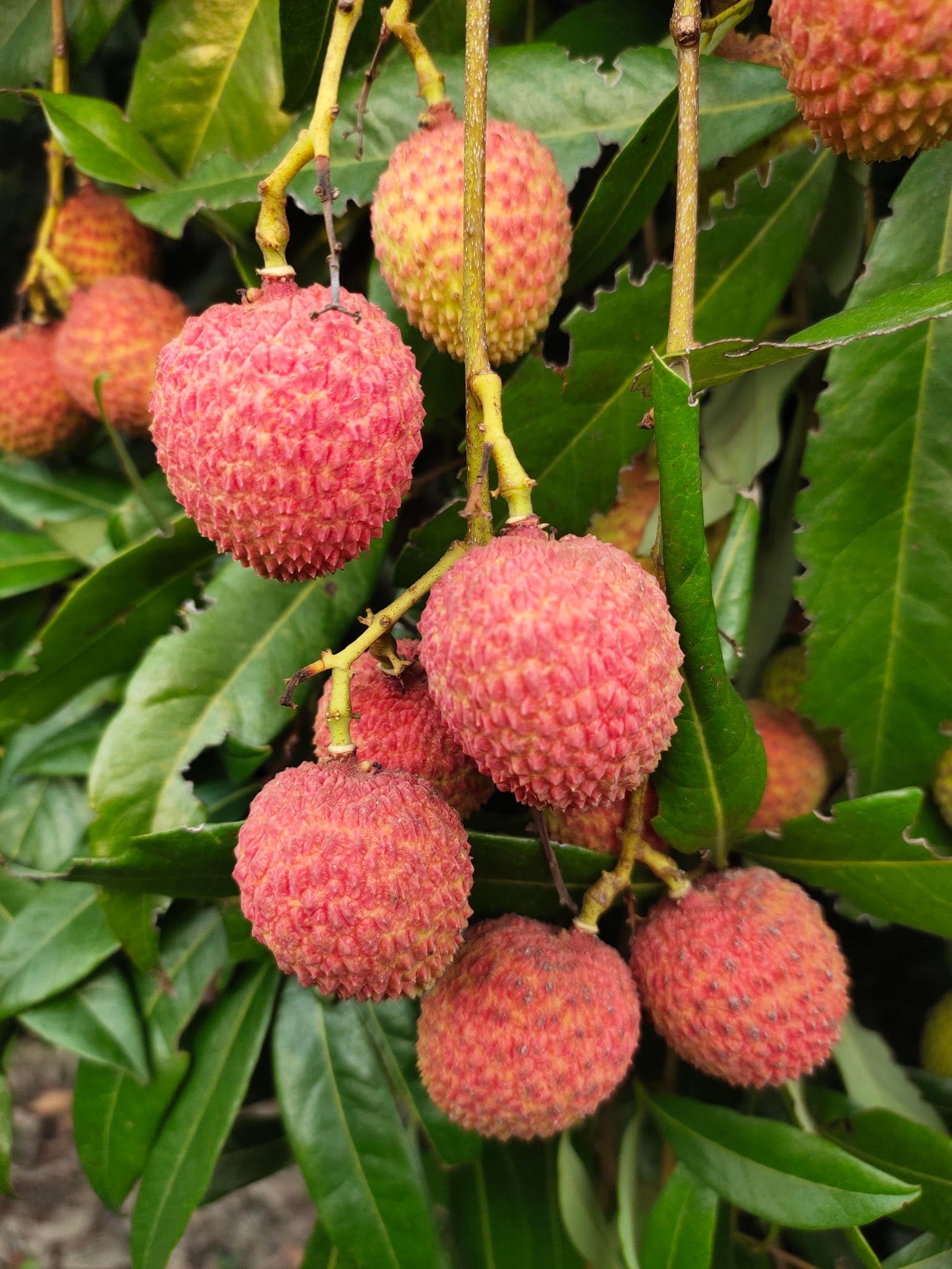
Longan trees resist heat and produce sweet, translucent fruits. They prefer well-drained soil and some afternoon shade. Lychee trees also do well here with proper care. Their fruits are juicy and fragrant, popular in many dishes. These trees add exotic appeal and fresh fruit to your landscape. Patience pays off with these slow growers.
Planting Tips For Success
Growing fruit trees in Central Florida can be rewarding with the right approach. Success depends on good planting habits and care. Understanding the best time to plant, choosing the right tree type, and meeting sunlight and water needs are key. Even container growing can work well for many fruit trees here.
Best Planting Seasons
Plant fruit trees during cool, dry months. Late fall and early spring are ideal. Avoid planting in the hot summer to reduce stress on young trees. This timing helps roots establish before the heat arrives. Proper planting season improves growth and fruit production.
Grafted Trees Vs Seedlings
Grafted trees bear fruit faster than seedlings. Grafted trees come from proven varieties and grow true to type. Seedlings take longer and may not produce the same fruit. Choose grafted trees for quicker harvests. Seedlings suit gardeners who enjoy experimentation.
Sunlight And Water Needs
Fruit trees need full sun for at least six hours daily. Sunlight boosts flowering and fruiting. Water deeply but less often to encourage strong roots. Keep soil moist but not soggy. Proper watering prevents diseases and stress during dry periods.
Container Growing Ideas
Many fruit trees grow well in containers. Use large pots with good drainage. Citrus, figs, and dwarf peaches adapt easily. Containers allow moving trees to catch sun or avoid cold. Regular feeding and watering keep container trees healthy and productive.
Credit: gardenvive.com
Lesser-known Fruit Trees
Central Florida’s warm climate supports many common fruit trees. Beyond popular choices, several lesser-known fruit trees thrive here. These trees offer unique flavors and add diversity to your garden. They also adapt well to local soil and weather. Exploring these options can make your fruit garden more interesting and rewarding.
Jackfruit And Soursop
Jackfruit trees grow large, producing huge fruits with sweet, tropical taste. The fruit’s texture is similar to pulled pork when cooked. It suits savory and sweet dishes. Jackfruit trees prefer well-drained soil and full sun.
Soursop is another tropical tree that grows well in Central Florida. Its fruits have a tangy, creamy flavor, great for smoothies and desserts. Soursop trees need protection from strong winds and regular watering.
Star Fruit And Mulberries
Star fruit trees produce bright yellow fruits shaped like stars. The taste is a mix of sweet and sour, perfect for fresh eating or salads. They do well in sunny spots and require moderate watering.
Mulberry trees grow quickly and bear fruit early. Their berries are sweet and perfect for jams or fresh snacks. Mulberries tolerate different soil types and provide good shade.
Unique Tropical Options
Central Florida supports other unusual tropical fruit trees. Longan and lychee offer small, juicy fruits with floral sweetness. These trees need good drainage and protection from cold snaps.
Guava trees also grow well and produce fragrant, tasty fruits. Their easy care makes them popular among home gardeners. Try growing these unique trees to enjoy rare tropical flavors in your yard.
Harvesting And Care
Proper harvesting and care ensure fruit trees thrive in Central Florida’s climate. Healthy trees produce more fruit and resist stress better. Regular attention keeps trees strong and fruit tasty. Learn essential care tips below.
Pruning Techniques
Pruning shapes trees and removes dead branches. It improves air flow and sunlight inside the canopy. Use clean, sharp tools to make cuts at branch joints. Prune in late winter before new growth starts. Avoid heavy pruning, which can stress trees. Focus on removing crossing branches and suckers from the base.
Pest And Disease Control
Check trees regularly for pests like aphids, scale, and caterpillars. Use insecticidal soaps or neem oil for safe control. Remove fallen fruit and leaves to reduce disease risk. Watch for fungal diseases such as powdery mildew and treat early. Maintain good tree health to resist infections naturally.
Fertilizing For Fruit Production
Feed fruit trees with a balanced fertilizer in early spring and summer. Use formulas high in nitrogen, phosphorus, and potassium. Follow package instructions to avoid over-fertilizing. Mulch around trees to retain moisture and add nutrients. Proper feeding supports strong growth and abundant fruit harvests.
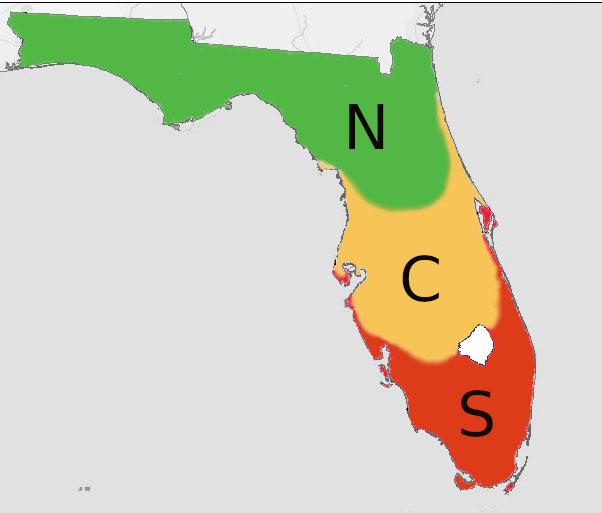
Credit: floridafruitgeek.com
Credit: www.fourwindsgrowers.com
Frequently Asked Questions
What Is The Best Fruit Tree To Grow In Central Florida?
Mango, citrus, and fig trees grow best in Central Florida. They thrive in warm, humid conditions and produce abundant fruit.
What Is The Fastest Growing Fruit Tree In Florida?
The mulberry tree is Florida’s fastest growing fruit tree. It grows quickly, requires little care, and produces abundant fruit rapidly.
When To Plant Fruit Trees In Central Florida?
Plant fruit trees in Central Florida during fall or winter for strong root growth before spring. Container trees can go in year-round.
What Is The Most Heat Tolerant Fruit Tree?
The fig tree ranks as the most heat tolerant fruit tree. It thrives in hot, dry climates and produces sweet fruit with minimal care.
Conclusion
Central Florida offers a great climate for many fruit trees. Trees like citrus, mango, and fig thrive well here. Fast-growing options include mulberry, papaya, and guava. Choosing grafted trees helps you enjoy fruit sooner. Remember to give your trees enough sunlight and water.
Growing fruit trees adds beauty and fresh produce to your yard. Start planting and watch your garden flourish with tasty fruits!