If you live in South Florida, you know summer gardening comes with its own set of challenges. The intense heat and humidity can make growing vegetables tricky, but that doesn’t mean you have to give up on fresh, homegrown produce.
In fact, there are plenty of vegetables that thrive in South Florida’s summer climate. Knowing which ones to plant can save you time, effort, and disappointment. Ready to discover the best vegetables that will flourish in your garden this summer?
Keep reading to learn how to make your South Florida garden a vibrant, productive oasis even during the hottest months.
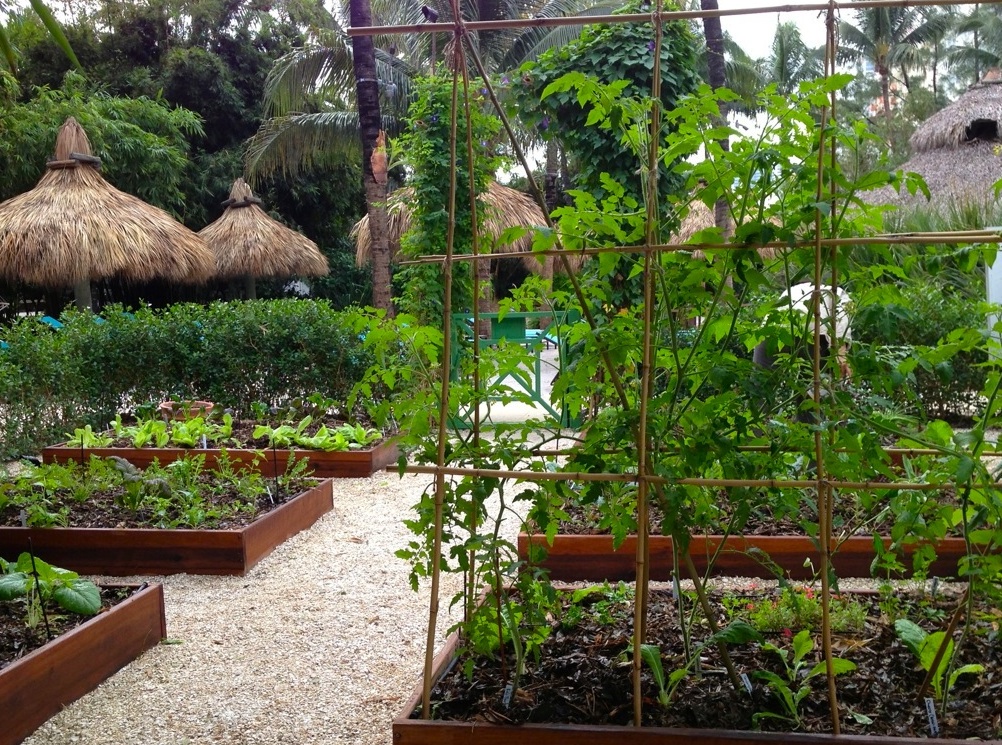
Credit: ready-to-grow.com
Climate Challenges
Growing vegetables in South Florida during summer presents unique climate challenges. The region’s hot and humid weather affects plant growth and health. Gardeners must understand these factors to choose the best vegetables and care for them properly.
Heat And Humidity Effects
South Florida summers bring intense heat and high humidity. These conditions stress plants and slow growth. Some vegetables may wilt or stop producing under constant heat. High humidity also encourages fungal diseases. Proper watering and shade can help reduce heat stress.
Soil Conditions In South Florida
The soil in South Florida tends to be sandy and low in nutrients. It drains water quickly, which can dry out plants fast. Amending soil with organic matter improves water retention and fertility. Testing soil pH helps select vegetables that thrive in slightly acidic to neutral soils.
Pest And Disease Pressure
Warm, wet weather attracts many pests and diseases. Insects like aphids and whiteflies multiply rapidly. Fungal infections such as powdery mildew are common. Regular monitoring and using natural pest controls protect vegetables. Crop rotation also reduces disease buildup in soil.
Top Summer Vegetables
Summer in South Florida brings intense heat and humidity. Choosing the right vegetables ensures a thriving garden despite these challenges. Some vegetables handle heat better and produce abundant crops during summer months.
These top summer vegetables are well-suited for South Florida’s climate. They resist heat stress and pests while offering fresh, tasty harvests.
Okra Varieties
Okra loves heat and grows fast in full sun. Varieties like Clemson Spineless and Emerald perform well here. They need well-drained soil and regular watering. Pick pods when young for best flavor and texture.
Heat-tolerant Peppers
Peppers can handle heat if chosen carefully. Habanero, jalapeño, and cayenne peppers thrive in summer. These peppers prefer fertile soil and consistent moisture. Harvest peppers frequently to encourage more fruit.
Eggplant Choices
Eggplants grow strong in hot conditions. Varieties such as Black Beauty and Florida High Bush are popular. They require full sun and rich soil. Regular feeding boosts flower and fruit production.
Sweet Potato Tips
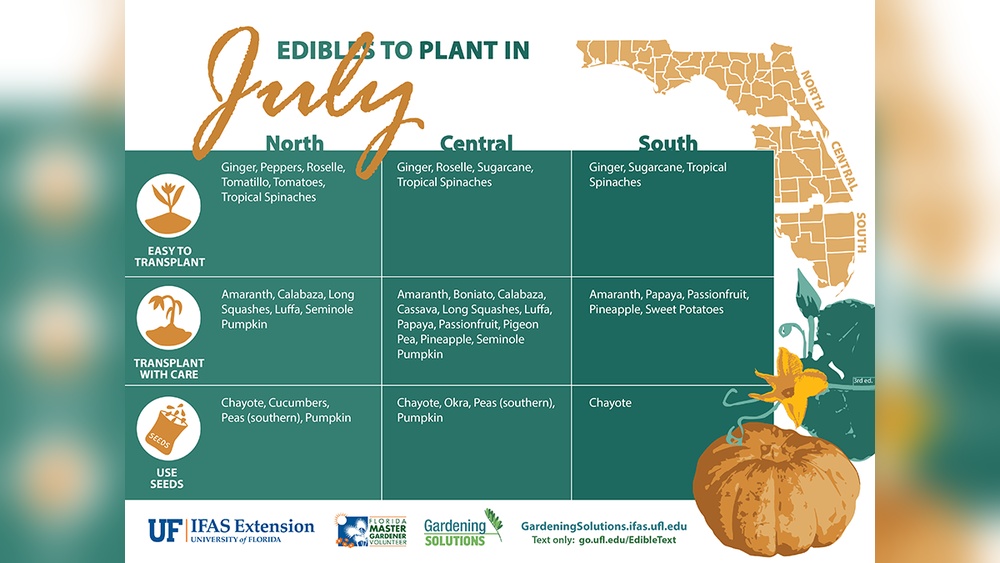
Sweet potatoes love warm weather and sandy soil. Plant slips about 12 inches apart. Keep soil moist but not soggy. Harvest after 90 to 120 days when leaves turn yellow.
Tomato Selections
Tomatoes can struggle in heat but certain types perform well. Cherry tomatoes and heat-tolerant varieties like Solar Fire work best. Provide afternoon shade and consistent watering to reduce stress.
Corn And Cucumber Options
Both corn and cucumbers grow well in summer heat. Choose sweet corn varieties and pick early for tender kernels. Cucumbers need trellises and plenty of water. Pick cucumbers frequently to keep plants productive.
Beans For Summer
Beans are quick and easy to grow in summer. Black-eyed peas and lima beans tolerate heat well. Plant them in full sun and water deeply. Harvest beans when pods are firm and crisp.
Planting Timing
Timing is key to growing vegetables successfully in South Florida’s hot summer. Planting at the right time helps crops avoid extreme heat and thrive. Understanding the best months to start, how to use succession planting, and ways to extend the growing season improves your harvest. This guide covers these important timing tips for your summer garden.
Best Months To Start
Start planting heat-tolerant vegetables in late spring, around April to May. This timing lets plants establish before the hottest months. Some crops like okra, sweet potatoes, and southern peas grow well when planted early summer. Avoid planting cool-season veggies during summer; they struggle in heat. Choose seeds or seedlings suited for South Florida’s summer climate.
Succession Planting
Succession planting means sowing seeds every few weeks. This method keeps your garden producing fresh vegetables all summer long. Plant quick-growing crops like bush beans or radishes every two to three weeks. It prevents gaps in your harvest and maximizes space. Rotate crops to keep soil healthy and reduce pests.
Extending The Growing Season
Use shade cloth or plant in partial shade to protect veggies from intense sun. Mulch helps keep soil cool and moist longer. Water early in the morning or late in the evening to reduce evaporation. Start some plants indoors to transplant later. These techniques help your garden stay productive despite South Florida’s heat.
Soil Preparation
Preparing the soil is the first key step for a successful summer garden in South Florida. Healthy soil helps vegetables grow strong and resist heat stress. South Florida’s sandy soil often lacks nutrients and drains quickly. Proper soil preparation improves fertility, drainage, and moisture retention. This creates a better environment for your plants to thrive during the hot months.
Amending For Fertility
Add organic matter like compost or aged manure to boost soil fertility. These materials supply nutrients slowly and improve soil structure. Mix amendments well into the top 6 to 8 inches of soil. This helps roots access nutrients easily. Avoid using too much synthetic fertilizer, which can burn plants. Natural amendments support healthy, steady growth in summer vegetables.
Improving Drainage
South Florida soil drains fast but can also hold pockets of water after heavy rain. Adding sand or perlite helps loosen compacted soil. Raised beds or mounds improve water flow and prevent root rot. Avoid planting in low, soggy areas. Well-drained soil prevents root diseases and supports strong vegetable growth in summer heat.
Mulching Benefits
Apply a 2-3 inch layer of mulch around plants after planting. Mulch keeps soil cool and reduces water evaporation. It also stops weeds that compete for nutrients and water. Organic mulches like straw, leaves, or pine needles break down to add nutrients. Mulching creates a stable soil environment that helps summer vegetables grow well in South Florida’s climate.
Watering Strategies
Watering strategies play a crucial role in growing vegetables during South Florida’s hot summer. Proper watering helps plants stay healthy and produce more. It also prevents common problems like root rot and leaf scorch. Understanding how to water your garden effectively saves water and supports strong vegetable growth.
Irrigation Methods
Drip irrigation is ideal for South Florida gardens. It delivers water directly to the roots, reducing waste. Soaker hoses also work well by slowly releasing water into the soil. Sprinklers can water large areas but may cause leaf wetness, leading to diseases. Choosing the right method depends on garden size and plant type.
Avoiding Overwatering
Check soil moisture before watering. Stick your finger about two inches into the soil; if it feels wet, wait to water. Overwatering can drown roots and cause plant stress. Water early in the morning to let plants dry during the day. Avoid watering late in the evening to reduce fungal growth.
Water Conservation Tips
Mulching around plants helps keep soil moist and cool. Use organic mulch like straw or shredded leaves. Collect rainwater to use during dry spells. Group plants with similar water needs together. This approach reduces water waste and keeps plants happy in South Florida’s summer heat.
Pest And Disease Control
Controlling pests and diseases is vital for a healthy summer vegetable garden in South Florida. Warm temperatures and high humidity create a perfect environment for many pests and plant diseases. These problems can reduce your crop yield and damage plants quickly. Early detection and proper management keep your vegetables growing strong and productive.
Common South Florida Pests
Several pests commonly attack summer vegetables here. Aphids are small insects that suck plant juices and cause leaves to curl. Whiteflies spread diseases and weaken plants. Spider mites feed on leaves and cause yellow spots. Caterpillars, like armyworms, chew large holes in leaves. Snails and slugs damage tender shoots and fruits at night. Knowing these pests helps you spot problems early.
Organic Control Methods
Use natural methods to control pests safely. Introduce beneficial insects like ladybugs and lacewings that eat aphids and mites. Spray plants with neem oil or insecticidal soap to reduce insect numbers. Handpick larger pests such as caterpillars and slugs. Use barriers like copper tape to keep slugs away. Rotate crops each season to confuse pests and reduce infestations.
Disease Prevention
Prevent diseases by maintaining good garden hygiene. Remove dead leaves and plant debris that harbor pathogens. Water plants early in the day to let foliage dry quickly. Avoid overhead watering to reduce leaf wetness. Use disease-resistant vegetable varieties suited for South Florida. Space plants properly to improve air flow and reduce humidity. Healthy plants resist diseases better and grow more vigorously.
Companion Planting
Companion planting is a smart way to grow vegetables in South Florida summers. It means planting certain vegetables close together to help each other grow better. This method improves soil, controls pests, and saves space. It suits South Florida’s warm climate perfectly. Using companion planting can lead to healthier plants and bigger harvests.
Beneficial Plant Combinations
Some plants grow better when paired with others. For example, tomatoes grow well with basil. Basil improves tomato flavor and repels pests. Beans add nitrogen to the soil, helping leafy greens like kale. Carrots and onions protect each other from pests. These combinations boost growth and reduce problems naturally.
Natural Pest Deterrents
Certain plants keep bugs away from vegetables. Marigolds repel nematodes and aphids. Nasturtiums attract harmful insects away from other plants. Garlic planted near peppers can stop spider mites. These natural pest deterrents reduce the need for chemicals. They keep your garden healthy and safe to eat from.
Maximizing Space
Companion planting helps use garden space well. Tall plants like corn provide shade for beans. Vining plants such as cucumbers can grow on trellises above smaller veggies. Planting fast-growing crops with slow ones fills gaps quickly. This method increases yield from a small garden area. It is perfect for limited South Florida garden spaces.

Credit: www.revivalgardening.com
Harvesting Tips
Harvesting vegetables at the right time is crucial for the best taste and nutrition. Proper harvesting helps your plants stay healthy and produce more. In South Florida’s summer heat, timely picking protects your crops from pests and sun damage. Follow these simple tips to get the most from your garden.
Identifying Peak Ripeness
Check your vegetables daily as they near maturity. Look for bright colors and firm textures. For example, tomatoes turn deep red and feel slightly soft. Beans should snap easily but not be dry. Avoid picking too early or too late for best flavor.
Harvest Frequency
Pick vegetables often to encourage new growth. Some crops, like cucumbers and beans, grow quickly and need harvesting every two to three days. Leafy greens can be cut multiple times by trimming outer leaves. Regular harvesting keeps plants productive through the summer.
Post-harvest Handling
Handle your vegetables gently to avoid bruises. Use clean tools and containers for picking. Store crops in a cool, shaded place right after harvest. Wash them only before use to extend freshness. Proper care preserves taste and quality longer.
Container Gardening
Container gardening offers a smart way to grow vegetables in South Florida’s hot summer months. It fits small spaces like balconies, patios, and porches. Containers also help control soil quality and moisture better than open ground. This method suits beginners and experienced gardeners alike.
Choosing The Right Containers
Pick containers with good drainage holes to prevent waterlogging. Use pots made from materials like clay, plastic, or fabric. Choose sizes based on the vegetable’s root depth. Larger containers keep soil cooler and hold moisture longer. Light-colored pots reflect heat and protect roots from sun damage.
Soil Mixes For Containers
Use a light, well-draining soil mix for container vegetables. Combine peat moss, compost, and perlite or vermiculite. Avoid garden soil, which can be too dense for pots. Add slow-release fertilizer for steady nutrients. Keep soil moist but not soggy to support healthy growth.
Best Vegetables For Pots
Tomatoes, peppers, and eggplants thrive in containers under South Florida’s summer sun. Leafy greens like lettuce and kale grow well in smaller pots. Herbs such as basil, cilantro, and parsley add flavor and grow easily. Root vegetables like carrots and radishes also do well in deep containers.
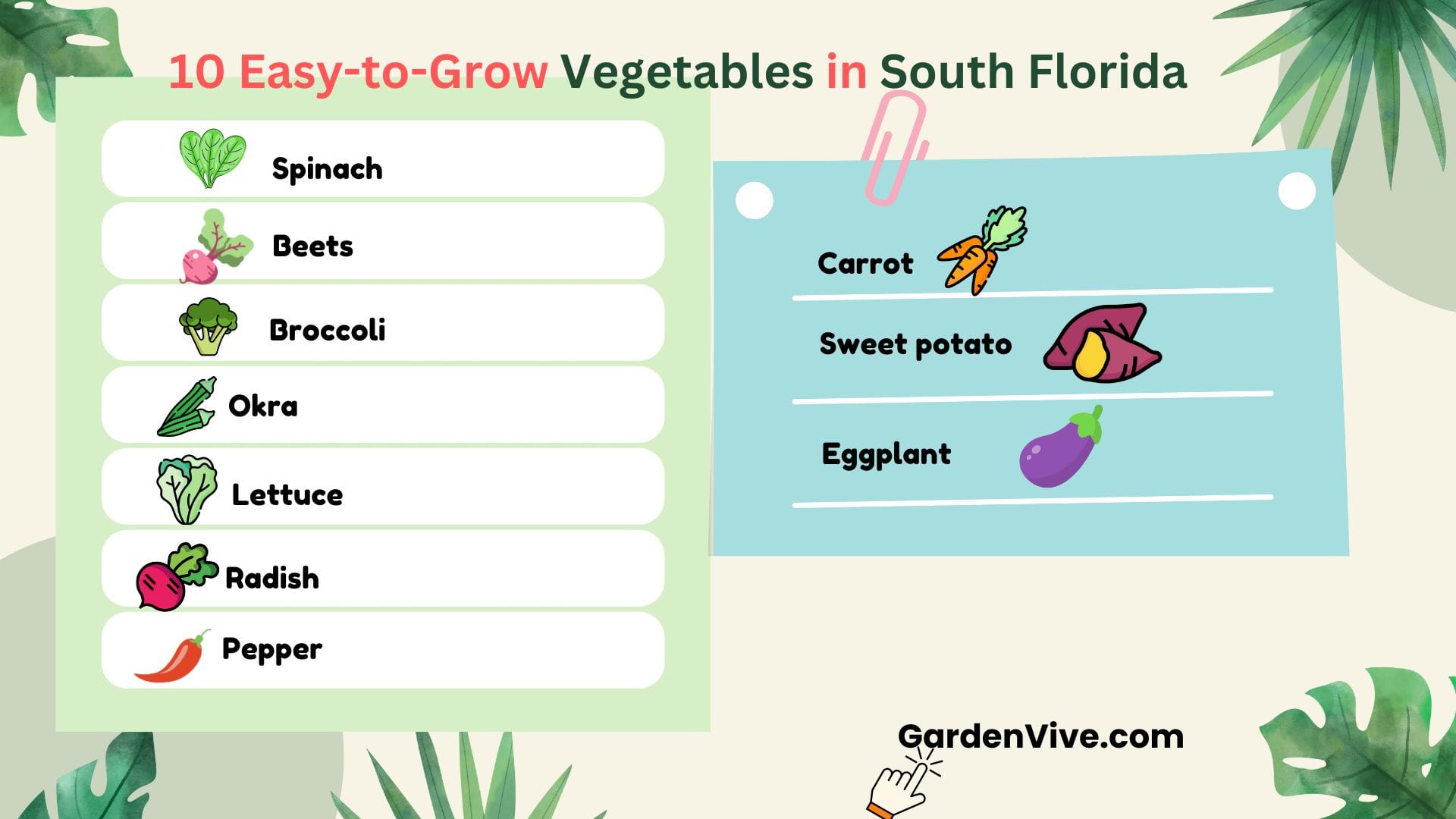
Credit: gardenvive.com
Conclusion
Growing vegetables in South Florida’s summer is rewarding and doable. Choose heat-tolerant veggies like peppers, sweet potatoes, and cucumbers. They thrive well under strong sun and warm nights. Water regularly to keep plants healthy and productive. Keep pests away by checking plants often.
Enjoy fresh, homegrown veggies all season long. Start small, learn as you go, and watch your garden grow. Gardening in South Florida brings joy and tasty rewards. Give these vegetables a try this summer!