Growing pineapples in water is an exciting and rewarding way to cultivate this tropical fruit, especially in Florida’s warm, sunny climate. Whether you’re a gardening enthusiast or a beginner looking to experiment with homegrown produce, this method is simple, sustainable, and perfect for Florida’s unique environment. In this comprehensive guide, we’ll walk you through the process of growing pineapples in water, optimized for Florida’s conditions, while incorporating semantic SEO principles to ensure you have all the information you need to succeed. From choosing the right pineapple to nurturing it into a fruit-bearing plant, this 1500+ word guide covers every detail.
Why Grow Pineapples in Water in Florida?
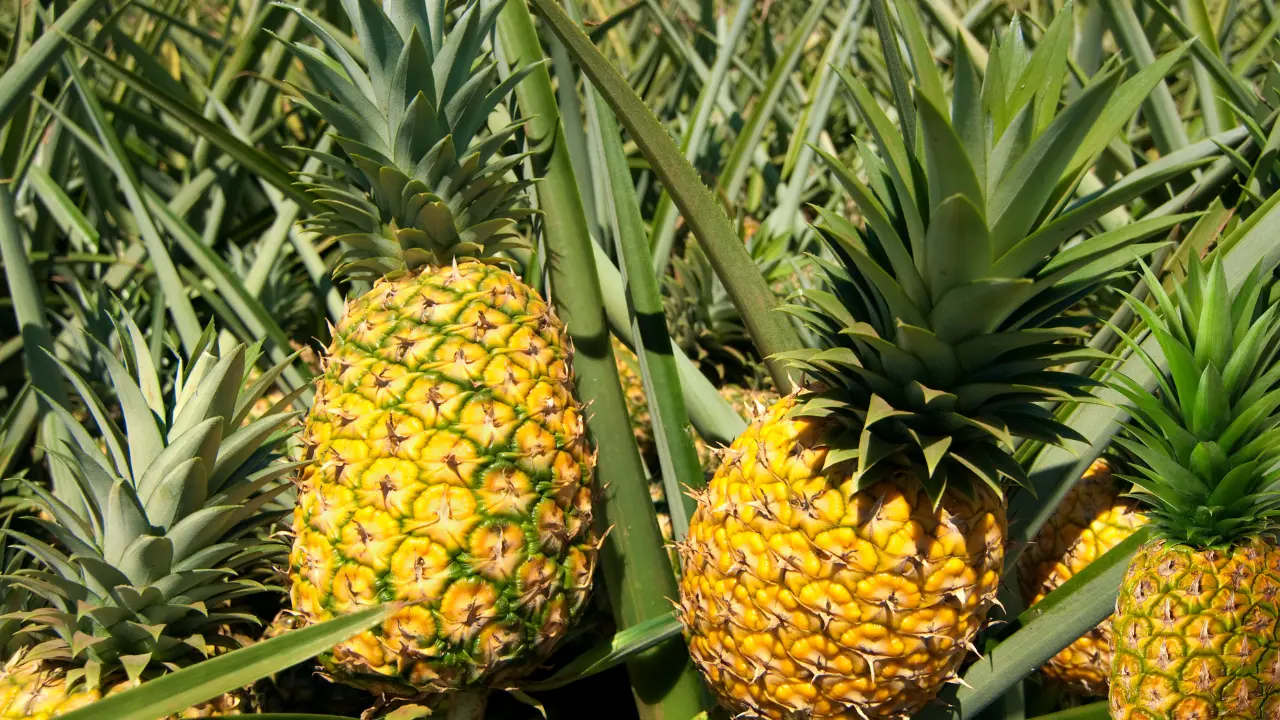
Pineapples (Ananas comosus) thrive in tropical and subtropical climates, making Florida an ideal location for growing them. The state’s warm temperatures, ample sunlight, and humid conditions mimic the pineapple’s native environment in South America. Growing pineapples in water is a unique hydroponic method that eliminates the need for soil, reduces pest issues, and allows for precise control over nutrients. This approach is especially appealing for urban gardeners or those with limited outdoor space in Florida.
Benefits of Growing Pineapples in Water
-
Space-efficient: Perfect for small spaces like apartments or patios.
-
Low maintenance: No soil means fewer weeds and pests.
-
Eco-friendly: Uses less water than traditional soil-based gardening.
-
Educational: A fun project for kids and adults to learn about plant growth.
By leveraging Florida’s climate and the water-based growing technique, you can enjoy fresh, homegrown pineapples in about 18–24 months.
Step-by-Step Guide to Growing Pineapple in Water
Step 1: Choose a Healthy Pineapple
To start, select a fresh, ripe pineapple from a local Florida grocery store, farmers’ market, or, if possible, a locally grown fruit. Look for these characteristics:
-
Vibrant green crown: The leaves (or “top”) should be fresh, not wilted or brown.
-
Firm fruit: Avoid pineapples with soft spots or signs of mold.
-
Sweet aroma: A ripe pineapple smells sweet at the base.
Organic pineapples are preferable, as they’re less likely to be treated with chemicals that could inhibit growth.
Step 2: Prepare the Pineapple Crown
The crown (the leafy top) is the part you’ll use to grow your new plant. Follow these steps to prepare it:
-
Cut the crown: Using a sharp knife, slice off the top of the pineapple, leaving about 1 inch of fruit attached to the leaves.
-
Remove lower leaves: Peel away the bottom 3–5 layers of leaves to expose about 1 inch of the stem. This is where roots will form.
-
Trim excess fruit: Carefully cut away any remaining fruit flesh to prevent rot.
-
Dry the crown: Place the crown in a dry, shaded area for 1–2 days to allow the cut end to harden. This step reduces the risk of rot when placed in water.
Step 3: Start Rooting in Water
Growing pineapples in water begins with rooting the crown. Here’s how:
-
Choose a container: Use a clear glass or jar (mason jars work well) to hold the crown. Clear containers allow you to monitor root growth.
-
Add water: Fill the container with room-temperature water, ensuring the exposed stem is submerged but the leaves remain above water.
-
Secure the crown: Use toothpicks or skewers inserted into the sides of the crown to suspend it, so only the stem touches the water.
-
Place in a sunny spot: Position the container in a bright, indirect light location, such as a windowsill. In Florida, avoid direct midday sun to prevent leaf burn.
-
Change the water: Refresh the water every 2–3 days to keep it clean and oxygenated.
Within 2–4 weeks, you should see white roots forming. Florida’s warm climate accelerates this process, especially in spring or summer.
Step 4: Transplant to a Hydroponic System
Once the roots are 2–3 inches long, it’s time to move the pineapple to a hydroponic setup for continued growth. Here’s how to set it up:
-
Select a hydroponic system: A simple system like the Kratky method works well for pineapples. This passive hydroponic system requires no pumps and is ideal for beginners.
-
Prepare a container: Use a 1–2-gallon container with a lid. Cut a hole in the lid to hold the pineapple crown securely.
-
Add nutrient solution: Fill the container with a hydroponic nutrient solution formulated for fruiting plants (available at garden centers or online). Ensure the roots are submerged, but the crown remains above the solution.
-
Maintain pH: Pineapples prefer a slightly acidic pH of 5.5–6.5. Use a pH testing kit (common in Florida garden stores) to monitor and adjust the solution with pH-up or pH-down products if needed.
-
Place in sunlight: Position the system in a spot with 6–8 hours of sunlight daily. In Florida, a south-facing patio or balcony is ideal.
Step 5: Care and Maintenance
Proper care ensures your pineapple plant thrives in Florida’s climate:
-
Light: Pineapples need full sun. In Florida, ensure they get at least 6 hours of direct sunlight, but provide shade during intense summer heat.
-
Temperature: Maintain temperatures between 65°F and 95°F. Florida’s climate is naturally suited, but protect plants from rare cold snaps below 50°F.
-
Nutrients: Refresh the hydroponic nutrient solution every 2–3 weeks. Look for solutions with balanced NPK (nitrogen, phosphorus, potassium) ratios, such as 10-10-10.
-
Water quality: Use filtered or rainwater to avoid chlorine or heavy metals, which can harm roots.
-
Pest control: Florida’s humidity can attract pests like aphids or mealybugs. Inspect leaves regularly and use neem oil or insecticidal soap if needed.
Step 6: Encourage Fruiting
Pineapples take 18–24 months to produce fruit. To encourage fruiting:
-
Wait for maturity: The plant should have 60–80 leaves before it’s ready to fruit.
-
Induce flowering: To speed up flowering, place the plant in a plastic bag with a ripe apple for 2–3 days. Apples release ethylene gas, which triggers flowering.
-
Monitor growth: After flowering, a small pineapple fruit will form at the center of the plant. It takes 5–6 months for the fruit to mature.
Step 7: Harvest and Enjoy
When the pineapple turns golden-yellow and smells sweet, it’s ready to harvest. Cut it from the plant, leaving the crown intact if you want to grow another pineapple. Enjoy your homegrown Florida pineapple fresh, in smoothies, or as a tropical dessert!
Tips for Success in Florida’s Climate
Florida’s unique climate offers both opportunities and challenges for growing pineapples in water:
-
Seasonal considerations: Start in spring (March–May) for optimal warmth and sunlight.
-
Humidity management: Florida’s high humidity supports pineapple growth but can cause fungal issues. Ensure good air circulation around the plant.
-
Storm protection: During hurricane season (June–November), move your hydroponic system indoors to protect it from heavy rain or wind.
-
Local resources: Visit Florida garden centers like Lukas Nursery in Oviedo or Kerby’s Nursery in Homestead for hydroponic supplies and expert advice.
Common Challenges and Solutions
-
Root rot: Caused by overwatering or stagnant water. Ensure frequent water changes during the rooting phase and proper drainage in the hydroponic system.
-
Slow growth: If growth is sluggish, check nutrient levels and ensure adequate sunlight.
-
Pests: Florida’s warm climate can attract pests. Use organic pest control methods to keep your plant healthy.
Semantic SEO Optimization for This Guide
To make this guide discoverable, we’ve incorporated semantic SEO strategies tailored to the topic:
-
Primary keywords: “grow pineapple in water,” “hydroponic pineapple Florida,” “grow pineapple at home.”
-
Related keywords: “pineapple hydroponics,” “Florida gardening,” “tropical fruit cultivation,” “pineapple rooting in water.”
-
User intent: This guide addresses informational intent (how-to guides) and local intent (Florida-specific gardening).
-
Structured content: Clear headings, bullet points, and step-by-step instructions improve readability and search engine crawling.
-
Long-tail keywords: Phrases like “how to grow pineapple in water in Florida” and “best hydroponic system for pineapples” target specific queries.
-
Local relevance: References to Florida’s climate, seasons, and local garden centers enhance geographic targeting.
FAQs About Growing Pineapples in Water in Florida
Can I grow pineapples in water year-round in Florida?
Yes, Florida’s warm climate allows year-round growth, but spring and summer are ideal for faster rooting and growth.
How long does it take to grow a pineapple in water?
From crown to fruit, expect 18–24 months, depending on conditions and care.
Do I need special equipment for hydroponic pineapples?
A simple Kratky hydroponic system (container, lid, and nutrient solution) is sufficient for beginners.
Can I reuse the pineapple crown after harvesting?
Yes, the original plant can produce a second fruit, or you can use the new crown to start another plant.
Conclusion
Growing pineapples in water in Florida is a fun, sustainable way to enjoy fresh tropical fruit at home. By following this step-by-step guide, you can harness Florida’s ideal climate and hydroponic techniques to cultivate healthy pineapple plants with minimal effort. From rooting the crown in water to harvesting a juicy pineapple, this process is rewarding and educational. Start your pineapple-growing journey today, and share your progress with fellow Florida gardeners!
For more gardening tips or hydroponic supplies, check out local Florida resources or online communities. Happy growing!