If you’re eager to grow fresh, crisp broccoli right in your Central Florida garden, you might be wondering which variety will thrive best in our warm climate. Growing broccoli here isn’t as simple as planting any seed and hoping for the best.
You need the right type—one that can handle the heat and humidity while still producing those delicious, green heads you love. You’ll discover the best broccoli varieties suited for Central Florida, along with practical tips to help you succeed from seed to harvest.
Ready to grow broccoli that flourishes in your garden? Let’s dive in and make your broccoli dreams a reality!
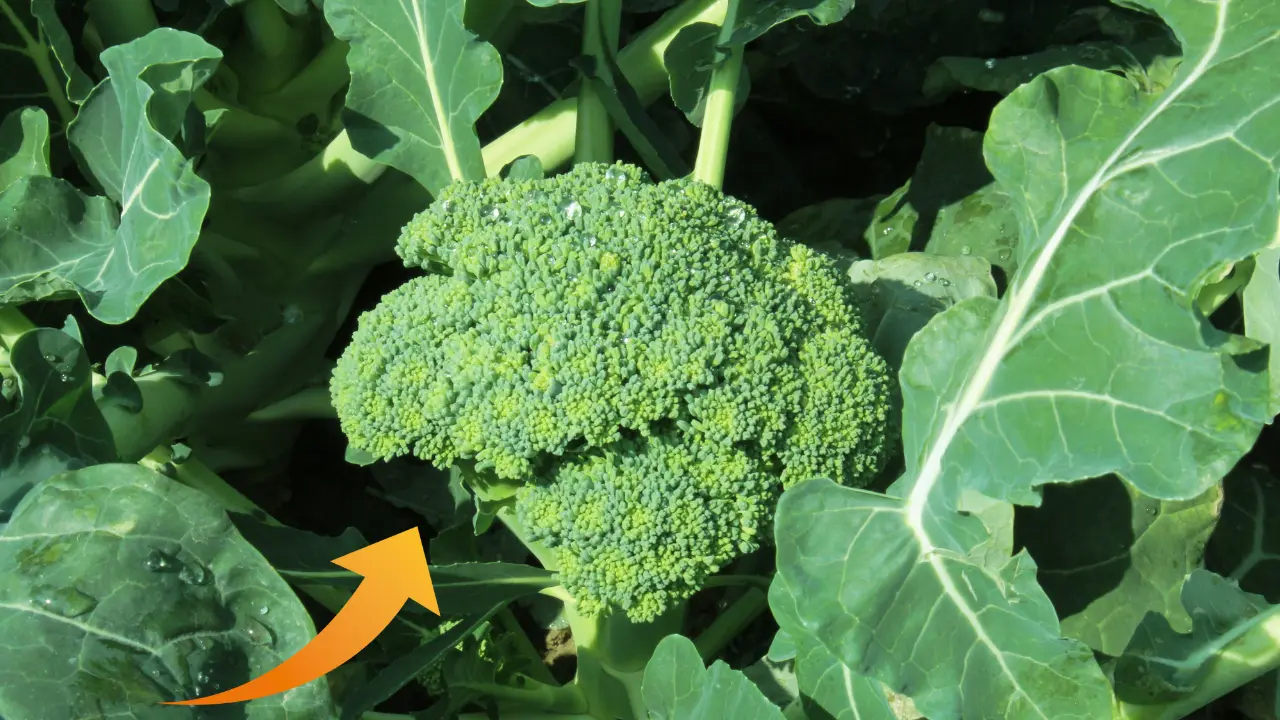
Top Broccoli Varieties
Choosing the right broccoli variety is key for success in Central Florida gardens. The region’s warm climate challenges many traditional types. Varieties that resist heat and mature quickly offer the best results here. Understanding these options helps gardeners enjoy fresh broccoli almost year-round. Below are some top broccoli varieties adapted to Central Florida’s conditions.
Heat-tolerant Types
Heat-tolerant broccoli thrives despite Central Florida’s warm temperatures. These varieties resist bolting and produce heads even in mild heat. ‘Imperial’ is a popular choice for its strong heat tolerance and large heads. ‘Green Magic’ also performs well, offering tender, flavorful florets. These types extend the growing season beyond the cooler months.
Early Maturing Varieties
Early maturing broccoli is ideal for quick harvests. These varieties develop heads faster, reducing the risk of heat damage. ‘Packman’ and ‘Belstar’ are favorites for their short growing cycles. They mature in about 50 to 60 days and produce compact, tasty heads. Early varieties help gardeners fit broccoli into tighter planting schedules.
Traditional Favorites
Traditional broccoli varieties remain popular for their reliable yields and classic flavor. Calabrese’ is a well-known heirloom type that adapts well to Central Florida’s fall and winter. ‘Waltham 29’ offers large, dense heads with a slightly sweet taste. These favorites provide a familiar broccoli experience and grow well with proper care.
Planting Schedule
Understanding the planting schedule is key to growing broccoli successfully in Central Florida. Broccoli thrives in cooler weather, so timing your planting right helps avoid the heat. Planning each stage from seed starting to harvest ensures healthy plants and a good yield.
Starting seeds indoors protects young plants from the hot summer sun. Transplanting outdoors at the right time lets the plants grow strong before the heat returns. Harvesting during the coolest months gives the best flavor and texture.
Seed Starting Indoors
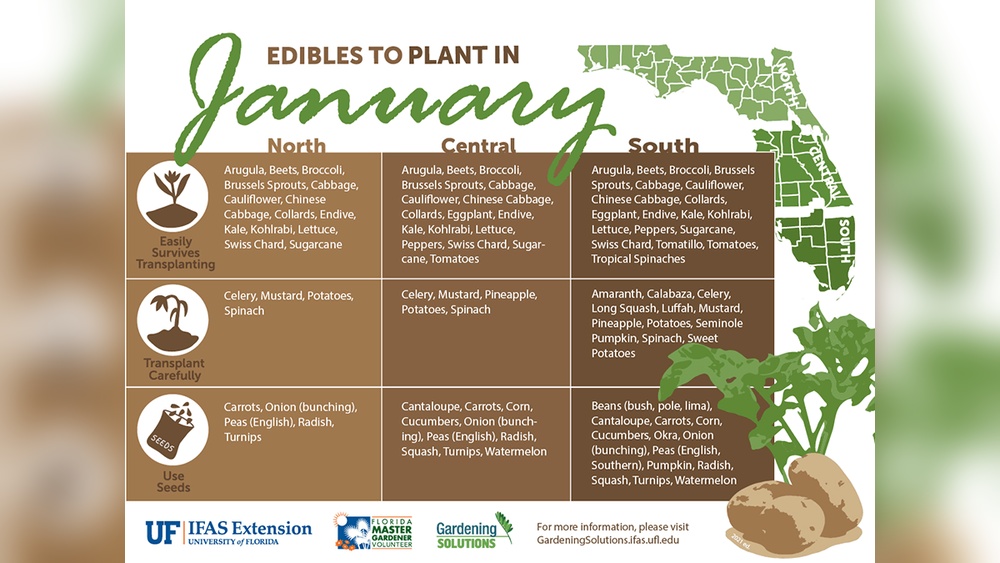
Start broccoli seeds indoors in late summer or early fall. Use seed trays or small pots with good drainage. Keep the soil moist but not soggy. Maintain temperatures around 65 to 70°F for best germination. This indoor start helps seedlings avoid the summer heat.
Transplanting Outdoors
Move seedlings outside after 4 to 6 weeks. Choose a spot with full sun and rich, well-drained soil. Transplant in late September or October for the fall crop. Space plants 18 to 24 inches apart to allow room to grow. Water regularly to keep soil moist but avoid wetting the heads.
Best Harvest Times
Harvest broccoli heads during late fall to early spring. Pick before flower buds open for the best taste. Cooler temperatures improve head quality and reduce bitterness. Check plants often; harvest when heads are tight and firm. Timely harvest prevents flowers and encourages side shoots.
Growing Conditions
Broccoli thrives best under specific growing conditions in Central Florida. Knowing these conditions helps you grow healthy plants and get a good harvest. Broccoli prefers cooler weather, so planting during fall or winter is ideal. Preparing the soil, watering properly, and providing enough sunlight are key to success.
Soil Preparation
Broccoli grows well in rich, well-drained soil. The soil should have a pH between 6.0 and 7.0. Add compost or aged manure to boost soil nutrients. Loosen the soil to about 12 inches deep for good root growth. Remove rocks and debris to allow roots to spread easily.
Watering Needs
Keep the soil evenly moist for broccoli plants. Water deeply once or twice a week, depending on rainfall. Avoid wetting the broccoli heads to prevent rot and disease. Mulch around the plants to retain moisture and reduce weeds. Consistent watering helps prevent stress and supports steady growth.
Sunlight Requirements
Broccoli requires full sun to grow strong and produce large heads. Aim for at least 6 hours of direct sunlight daily. In Central Florida, choose a location with morning sun and some afternoon shade. Too much heat can cause broccoli to bolt or become bitter. Proper sunlight keeps plants healthy and productive.
Pest And Disease Control
Pest and disease control is crucial for growing healthy broccoli in Central Florida. The warm climate can encourage pests and diseases that harm your plants. Protecting your broccoli ensures a better yield and quality harvest.
Understanding common pests and taking preventive steps helps maintain healthy crops. Using organic treatments keeps your garden safe and sustainable. Careful monitoring and quick action reduce damage and keep broccoli thriving.
Common Pests In Central Florida
Broccoli in Central Florida faces pests like aphids, cabbage loopers, and flea beetles. Aphids suck plant sap, causing leaves to curl and weaken. Cabbage loopers chew holes in leaves, reducing plant vigor. Flea beetles create small pits on leaves, which can stunt growth.
Whiteflies and cabbage worms also attack broccoli here. These pests spread diseases and damage leaves. Identifying pests early helps in managing them effectively.
Preventive Measures
Start with healthy soil and proper spacing to avoid pest buildup. Rotate crops yearly to stop pest cycles. Remove weeds and plant debris that harbor insects. Use floating row covers to physically block pests from reaching plants.
Water plants at the base to keep leaves dry and reduce fungal diseases. Inspect plants regularly for early pest signs. Clean tools and garden areas to prevent spreading pests and diseases.
Organic Treatment Options
Neem oil works well against many common broccoli pests. It disrupts insect growth without harming beneficial insects. Insecticidal soaps kill soft-bodied pests like aphids gently. Bacillus thuringiensis (Bt) targets caterpillars such as cabbage loopers.
Hand-picking larger pests can reduce their numbers quickly. Encourage natural predators like ladybugs and lacewings to control pests. These organic methods keep your broccoli safe and your garden healthy.
Container Growing Tips
Growing broccoli in containers is a smart choice for Central Florida gardeners. Containers help control soil quality and protect plants from pests. They also make it easy to move broccoli to cooler or shadier spots. Follow these tips to grow healthy broccoli in containers and enjoy fresh harvests at home.
Choosing The Right Containers
Select containers at least 12 inches deep and wide. Broccoli needs room for roots to spread. Use pots with drainage holes to avoid water buildup. Plastic, ceramic, or fabric containers all work well. Choose light-colored pots to reflect heat and keep roots cool.
Soil Mix And Fertilization
Use well-draining potting soil rich in organic matter. Avoid garden soil that may compact and cause poor drainage. Add compost or slow-release fertilizer to supply nutrients. Feed broccoli every 3-4 weeks with a balanced liquid fertilizer. Healthy soil supports strong growth and better heads.
Watering And Drainage
Keep soil evenly moist but not soggy. Water when the top inch of soil feels dry. Avoid wetting the broccoli heads to prevent rot. Good drainage prevents root diseases and stress. Place containers on trays or stands to allow excess water to escape freely.
Harvesting And Storage
Harvesting and storing broccoli properly ensures you enjoy its fresh taste longer. In Central Florida, timing and technique are important for the best results. Broccoli prefers cooler months, so plan your harvest carefully. Knowing when and how to pick it keeps the heads firm and tasty. Proper storage keeps broccoli fresh and crisp after picking.
Signs Of Readiness
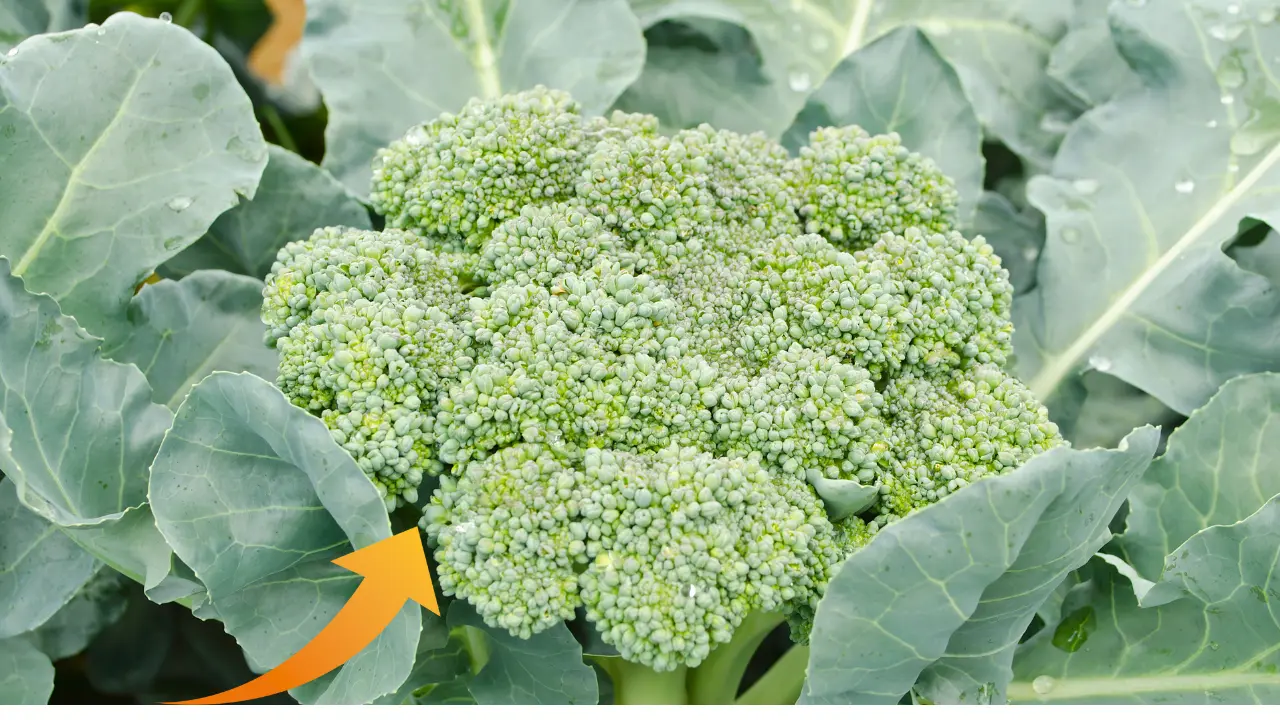
Broccoli is ready to harvest when the head is firm and tight. The flower buds should be small and green. Avoid waiting too long or the buds will start to open and turn yellow. The main head should be about 4 to 7 inches across. Check daily as broccoli can mature quickly in warm weather.
Proper Harvest Techniques
Use a sharp knife to cut the main stalk below the head. Leave some leaves on the plant to protect side shoots. Cut in the morning for the freshest taste. Handle broccoli gently to avoid bruising. Harvest side shoots as they develop for a longer season.
Storage Methods For Freshness
Keep broccoli cold after harvesting. Store in the refrigerator in a plastic bag with holes. Avoid washing before storing; moisture can cause rot. Use broccoli within 3 to 5 days for best flavor. For longer storage, blanch and freeze the broccoli heads.
Troubleshooting Common Issues
Growing broccoli in Central Florida can be rewarding but comes with challenges. Knowing how to solve common problems keeps plants healthy and productive. This section helps identify and fix key issues gardeners face in this warm climate.
Bolting And Heat Stress
Broccoli often bolts when temperatures rise too high. Bolting means the plant flowers early and stops producing heads. Central Florida’s heat can trigger this quickly. Plant broccoli in cooler months like fall or winter. Start seeds indoors to avoid direct summer heat. Use mulch to keep soil cool and moist. Shade cloth can protect young plants from harsh afternoon sun. These steps reduce heat stress and delay bolting.
Nutrient Deficiencies
Yellow leaves or slow growth usually show nutrient shortages. Broccoli needs plenty of nitrogen for green, leafy growth. Phosphorus supports root development and flowering. Potassium improves overall health and disease resistance. Test soil before planting to check nutrient levels. Add balanced fertilizer or compost to enrich soil. Apply fertilizer regularly but avoid overfeeding. Healthy soil helps broccoli grow strong and resist pests.
Preventing Rot And Mold
Rot and mold often come from too much moisture on broccoli heads. Water plants at the soil base, not overhead. This keeps leaves and heads dry. Ensure good air flow by spacing plants well. Remove any damaged or dead leaves quickly. Use well-draining soil to avoid waterlogging. Avoid harvesting after rain when heads are wet. Clean tools and hands before touching plants to prevent spreading fungi.
Conclusion
Choosing the right broccoli variety helps your garden thrive in Central Florida. Plant during cooler months to avoid heat stress. Start seeds indoors for a strong head start. Keep soil moist but avoid wetting the broccoli heads. Varieties like ‘Imperial’ handle Florida’s heat better than most.
With simple care, you can enjoy fresh, homegrown broccoli all season. Happy gardening!