Deciding on the best cherry tree to grow in Florida can feel a bit tricky at first. Many people wonder if growing cherries is even possible in our warm climate. It’s totally understandable to feel a little unsure, but don’t worry!
We’re going to make it super simple, step-by-step. By the end, you’ll know exactly which trees will thrive and give you delicious cherries. Get ready to discover the secrets to a fruitful cherry tree in your Florida garden.
Key Takeaways
- Florida’s climate presents unique challenges and opportunities for growing cherry trees.
- Certain cherry varieties are specifically suited for warmer regions like Florida.
- Understanding chill hours is vital for selecting the right cherry tree for your location.
- Proper soil preparation and planting techniques are essential for success.
- Ongoing care, including watering, fertilizing, and pest management, ensures a healthy tree.
- Harvesting and enjoying your homegrown cherries is a rewarding experience.
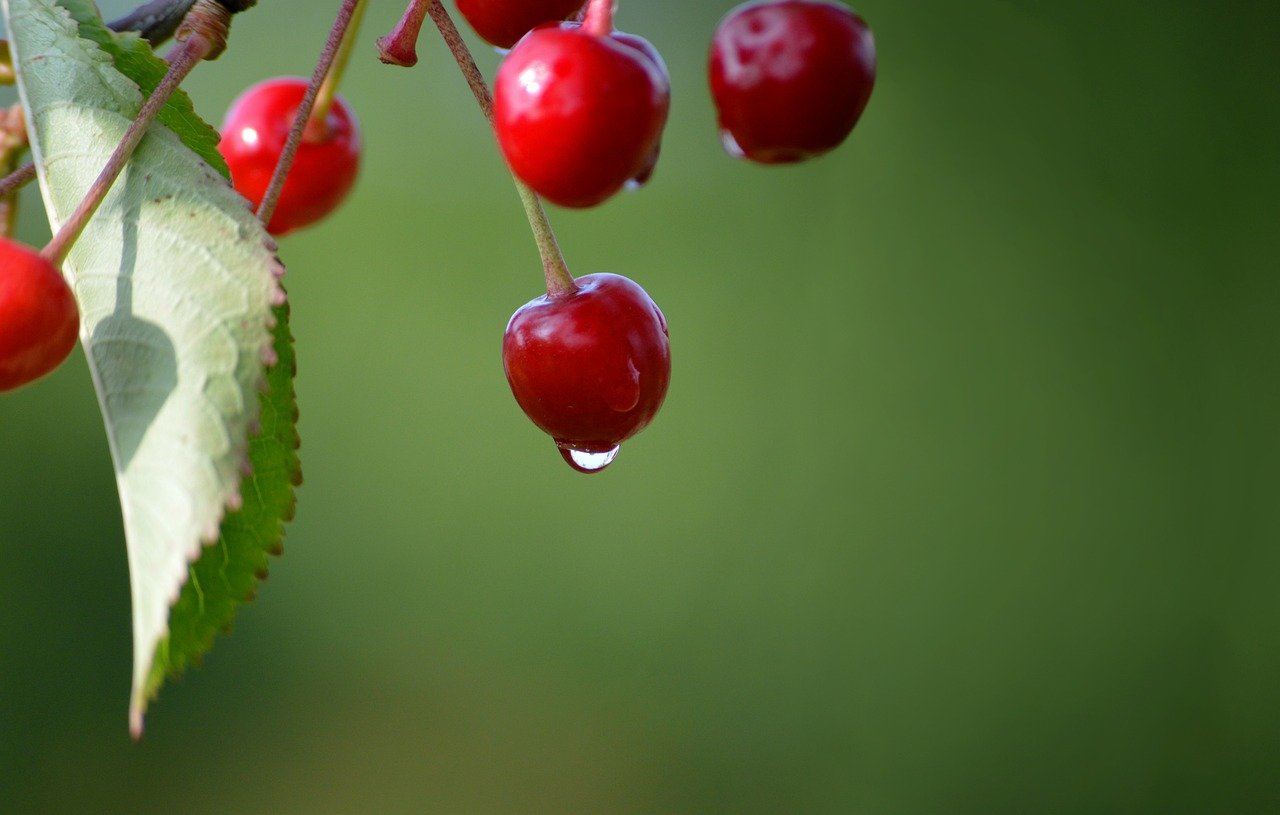
The 10 Best Cherry Trees For Florida Gardens
Florida’s vibrant sunshine and unique climate offer a fantastic setting for a variety of fruit-bearing trees. While many might think of typical temperate fruits, cherries can absolutely flourish here with the right choices and care. The key to success lies in selecting varieties that don’t require prolonged periods of cold to produce fruit.
This is often measured in “chill hours,” which is the number of hours below a certain temperature, usually 45°F (7°C), that a tree needs to set fruit. Florida generally has fewer chill hours than traditional cherry-growing regions.
Fortunately, plant breeders have developed amazing cherry varieties specifically for warmer climates. These are often referred to as “low-chill” cherries. They can adapt to our milder winters and still give you a bountiful harvest of sweet or tart cherries.
Beyond just picking the right variety, success also hinges on good planting practices, consistent watering, and smart pest control. This guide will walk you through the top choices and give you the know-how to grow a thriving cherry tree, bringing fresh, homegrown cherries right to your kitchen.
1. Black Cherry Texas Hybrid
The Black Cherry Texas Hybrid, also known as the Florida Sweet Cherry, is a remarkable cultivar that has been developed and proven to thrive in the warmer climates of Florida and other Southern states. This variety is a fantastic option for home gardeners because it has been specifically bred to require significantly fewer chill hours than many traditional cherry types. This makes it a prime candidate for areas that don’t experience harsh, cold winters.
This hybrid is a cross between native species and European sweet cherries, aiming to combine the best traits of both. The result is a tree that is more tolerant of heat and humidity, which are characteristic of Florida’s environment. The fruit it produces is typically medium to large, with a deep red to almost black skin when fully ripe.
The flavor is a delightful balance of sweetness with a hint of tartness, making them excellent for fresh eating. They are also suitable for pies, jams, and other culinary uses. The tree itself is generally vigorous and can grow to a moderate size, making it manageable in most home gardens.
Its adaptation to warmer climates also means it is more resistant to certain diseases that plague cherries in cooler regions.
Chill Hour Requirements: This is where the Black Cherry Texas Hybrid truly shines for Florida. It typically requires only around 100-200 chill hours. This is a very low requirement compared to many other sweet cherry varieties that might need 700-1000 chill hours.
This significantly increases the likelihood of successful fruiting in most parts of Florida.
Fruiting Time: You can generally expect to harvest ripe cherries from this tree in late spring to early summer, usually around May or June, depending on your specific location within Florida and the weather patterns of the year. This early harvest means you can enjoy your homegrown cherries before the intense heat of mid-summer fully sets in.
Example Scenario: John planted a Black Cherry Texas Hybrid in his backyard in Tampa, Florida. He ensured the planting site had good drainage and received at least six hours of sunlight daily. He mulched generously around the base of the young tree.
Within three years, his tree began producing a modest crop of delicious cherries, which he and his family enjoyed fresh from the tree.
Key Characteristics:
- Low chill requirement makes it ideal for Florida.
- Produces sweet and slightly tart, dark red to black fruit.
- Resistant to many common cherry diseases.
- Moderate tree size suitable for home gardens.
2. Royal Rainier Cherry
While often thought of for cooler climates, the Royal Rainier cherry, when grown in specific microclimates or with careful management in Florida, can be a rewarding choice for those seeking a truly exceptional sweet cherry. It’s important to note that this variety is more challenging than the Texas Hybrid due to its higher chill hour requirement, but it is achievable, especially in North Florida. The reward is a cherry with an unparalleled flavor profile.
The Royal Rainier is a hybrid of the Rainier and Royal Ann cherries, known for its beautiful appearance and incredible taste. The fruit is a striking pinkish-red blush over a creamy yellow background. Its flesh is firm, crisp, and exceptionally sweet, with very low acidity.
This makes it a premium dessert cherry, often preferred for eating fresh due to its delicate flavor that can be easily overpowered by cooking. The tree itself is a beautiful specimen, typically of moderate vigor and size, making it suitable for larger home gardens.
Chill Hour Considerations: The Royal Rainier typically requires around 700-800 chill hours. This means it is best suited for North Florida where the winter temperatures are more likely to dip low enough consistently to meet this requirement. In Central and South Florida, achieving sufficient chill hours naturally is very difficult, and growers might need to explore techniques like overhead fans or artificial cooling to supplement natural chill, which can be impractical for most home gardeners.
Pollination Needs: Royal Rainier is not self-pollinating. It requires a compatible pollinator variety to produce fruit. A good pollinator would be another sweet cherry variety that blooms around the same time, such as Bing or Brooks.
Having two compatible cherry trees is essential for a good fruit set.
Growing Tips for Florida: To increase the chances of success with Royal Rainier in Florida, it’s crucial to select a planting site that offers the coolest possible microclimate. Elevated locations, sites with good air circulation, and areas that receive morning sun but some afternoon shade can help moderate temperatures. Planting during the cooler months is also important.
Careful watering and ensuring excellent drainage are paramount to prevent root rot, a common issue in Florida’s humid and often wet soil conditions.
Example Scenario: Sarah in Tallahassee, North Florida, wanted to grow a premium sweet cherry. She chose the Royal Rainier and planted it alongside a Brooks cherry tree for pollination. She selected a site on a slight slope that had good air movement.
Despite a few years of lower yields due to inconsistent winters, her efforts paid off with a small but incredibly delicious harvest of Royal Rainier cherries that tasted like sunshine.
Comparative Data (Chill Hours):
| Variety | Typical Chill Hours Required |
|---|---|
| Black Cherry Texas Hybrid | 100-200 |
| Royal Rainier | 700-800 |
| Lapins Cherry | 400-500 |
| Stella Cherry | 700-800 |
3. Lapins Cherry
The Lapins cherry is a popular choice for many regions, including those with milder winters, making it a strong contender for growing in Florida. It’s known for being self-pollinating, which significantly simplifies the planting process for home gardeners who may not want to or be able to plant multiple trees. This variety offers a good balance of sweetness and a pleasant, slightly tart finish.
Lapins is a cross between the Bing and Van cherry varieties and was developed in Canada. It’s a relatively hardy tree that can produce a good yield of medium to large, dark red cherries. The fruit is firm, juicy, and has a good flavor profile that makes it versatile for both fresh consumption and baking.
The tree itself is moderately vigorous and typically reaches a manageable size, fitting well into most home orchards or even larger garden spaces.
Chill Hour Needs: Lapins cherries generally require between 400-500 chill hours. This puts them in a mid-range category for chill requirements. While this is too high for much of South and Central Florida, North Florida counties with consistent winter cold can often meet this need.
Growers in slightly warmer parts of the state might find success, but it’s not as guaranteed as with ultra-low chill varieties.
Self-Pollinating Advantage: The most significant advantage of the Lapins cherry for many gardeners is its self-pollinating nature. This means a single tree can produce fruit without the need for another compatible cherry tree nearby. This is a huge benefit for those with limited space or who are just starting with fruit tree cultivation.
Growth Habits: The Lapins tree generally grows into a medium-sized tree, typically reaching heights of 15-20 feet when mature. This makes pruning and harvesting more accessible compared to larger, sprawling varieties. Its growth habit is also fairly predictable, allowing for easier shaping and maintenance.
Example Scenario: Maria lives in Gainesville, Florida, and wanted a cherry tree but only had space for one. She chose the Lapins cherry because it’s self-pollinating. She planted it in a location with good sunlight and well-draining soil.
After about four years, her single Lapins tree began to bear fruit, providing her with a delicious, albeit modest, harvest each spring.
Harvesting Tips: Lapins cherries typically ripen in late May to early June in Florida. It’s best to harvest them when they are fully colored and firm to the touch. Gently pull the cherries from the stem to avoid damaging the fruit spurs, which will produce fruit in subsequent years.
Regular harvesting encourages the tree to produce more fruit.
4. Stella Cherry
The Stella cherry is another excellent self-pollinating variety that offers a good option for gardeners in the northern parts of Florida. Developed in Canada, it was one of the earlier self-fertile sweet cherry varieties, making it a valuable addition to many home orchards. It is known for its consistent production of large, flavorful fruit.
Stella cherries are deep red to black when fully ripe, with a firm texture and a sweet, rich flavor. They are a popular choice for fresh eating and are also quite suitable for processing into jams, jellies, and pies. The tree itself is of moderate vigor and size, typically reaching about 15-20 feet tall, making it manageable for most home garden settings.
Its upright growth habit can be beneficial for maximizing sunlight exposure.
Chill Hour Requirements: Stella cherries require a moderate chill, generally around 700-800 chill hours. This aligns it with varieties like Royal Rainier in terms of its suitability for North Florida. Areas further south will likely struggle to provide enough winter chill for consistent fruiting.
Self-Fertility: Like Lapins, Stella is self-fertile. This means you only need one tree to get a harvest, which is a significant advantage for gardeners with limited space or those who prefer a simpler planting setup. This self-fertility also contributes to its reliability in producing fruit.
Disease Resistance: While no cherry tree is entirely immune, Stella is generally considered to have decent resistance to some of the common cherry diseases. However, in Florida’s humid climate, vigilance is still important. Good air circulation and proper watering practices are key to maintaining tree health.
Example Scenario: Mark lives in Jacksonville, Florida, and decided to plant a Stella cherry tree. He chose a location that received full sun and had excellent drainage. He focused on providing consistent watering during dry spells and applied a balanced fertilizer in the early spring.
His tree began producing fruit after about four years, and he was pleased with the quantity and quality of the sweet, dark cherries.
Harvesting Window: Stella cherries typically ripen in late May to early June in Florida. Because they are self-pollinating and tend to produce abundantly, thinning the fruit when they are small can help improve the size and quality of the remaining cherries. This also reduces the risk of branches breaking under the weight of a heavy crop.
Tree Characteristics:
- Upright growth habit.
- Medium vigor, reaching 15-20 feet.
- Produces large, dark red to black fruit.
- Self-pollinating.
5. Bing Cherry (with caution)
The Bing cherry is one of the most recognized and popular sweet cherry varieties in the United States. Its iconic status, delicious flavor, and firm texture make it highly desirable. However, for Florida growers, it comes with a significant caveat.
Bing cherries are not a prime candidate for most of Florida due to their high chill hour requirements.
Bing cherries are known for their large size, deep red color, and sweet, rich flavor. They are firm, juicy, and are excellent for fresh eating. They are also commonly used in desserts and for canning.
The tree itself is a vigorous grower and can become quite large if not managed through pruning. It is also a favorite among many home gardeners for its fruit quality.
High Chill Hour Requirement: This is the main reason Bing cherries are challenging for Florida. They typically require between 700-800 chill hours. This level of winter cold is rarely achieved consistently in most parts of Florida, especially in the central and southern regions.
Even in North Florida, it can be unpredictable year to year.
Pollination Needs: Bing is NOT self-pollinating. It requires a compatible pollinator variety to set fruit. A common pollinator is the Royal Rainier or the Lambert cherry.
If attempting to grow Bing, you would need at least one other compatible cherry variety planted nearby to ensure cross-pollination.
Growing Considerations in Florida: If you are determined to try growing Bing cherries, focus on the northernmost parts of Florida. Plant the tree in the coolest microclimate available. Provide it with excellent drainage and protection from intense afternoon sun, especially during the hottest months.
You would also need to ensure you have a compatible pollinator. Despite these efforts, success is not guaranteed, and yields may be lower than in traditional cherry-growing areas.
Example Scenario: David, in a very northern part of Florida, decided to experiment with growing a Bing cherry tree. He paired it with a Stella cherry tree. He meticulously monitored the chill hours each winter and found that some years were borderline.
His yields were inconsistent, with some years producing very few cherries. While he enjoyed the cherries he did get, he acknowledged it was a difficult endeavor.
Alternative for Similar Flavor Profile: For those seeking a sweet, dark cherry flavor in Florida without the extreme chill requirement, consider the Black Cherry Texas Hybrid or other low-chill sweet cherry varieties that have been developed specifically for warmer climates. These will offer a much more reliable and enjoyable experience.
Key Challenges:
- High chill hour requirement (700-800 hours)
- Not self-pollinating; needs a compatible pollinator
- Susceptible to heat stress and certain diseases in humid climates
- Unpredictable fruiting in most Florida locations
6. Montmorency Cherry (Tart Cherry)
The Montmorency cherry is perhaps the most popular and widely grown tart cherry variety in the United States. It’s the type of cherry most commonly used for baking pies, making jams, and for maraschino cherries. While often associated with colder climates, its adaptability and slightly lower chill requirement compared to many sweet cherries make it a potential candidate for North Florida.
Montmorency cherries are bright red, medium-sized, and possess a distinctively tart flavor. This tartness is what makes them ideal for culinary applications where sugar is added. The tree is known for its vigor and productivity, often producing abundant crops once established.
It’s a reliable producer in suitable climates and is generally hardier than many sweet cherry varieties.
Chill Hour Needs: Montmorency cherries typically require around 700-800 chill hours, similar to many sweet cherries like Bing and Stella. This means it is primarily suited for North Florida. Success in Central and South Florida is highly unlikely without artificial intervention to increase chill hours.
Self-Pollinating: Thankfully, Montmorency is a self-pollinating variety. This simplifies the planting process immensely, as you only need one tree to achieve pollination and fruit set. This makes it a more practical choice for home gardeners who might not want to commit to planting multiple trees.
Growing in Florida: To maximize the chances of growing Montmorency in Florida, select the coolest possible site. Ensure excellent drainage, as tart cherries can be somewhat more tolerant of less-than-ideal soil but still benefit greatly from it. Providing adequate water during dry periods and good air circulation is also important for tree health in Florida’s climate.
Expect a harvest typically in late May to June.
Example Scenario: Robert lives in the panhandle of Florida and wanted to grow cherries for pies. He chose the Montmorency cherry because it’s self-pollinating and he heard tart cherries were a bit more forgiving. He planted it on a slight rise in his yard.
After a few years, his tree began producing a good yield of tart cherries, perfect for his annual pie-making tradition.
Uses for Montmorency Cherries:
- Baking pies and tarts
- Making jams, jellies, and preserves
- Drying for snacks
- Juicing
- Creating sauces and compotes
7. Crimson Fancy Cherry
The Crimson Fancy cherry is a newer cultivar that is gaining attention for its suitability in warmer climates, including parts of Florida. Developed with lower chill requirements in mind, it offers a promising option for gardeners seeking a sweet cherry experience in regions not typically known for cherry production. It aims to bridge the gap between traditional varieties and the unique climate of the South.
Crimson Fancy is a hybrid that typically produces medium to large cherries with a deep red color and a firm texture. The flavor is generally sweet and pleasing, making them good for snacking. The tree is often described as having moderate vigor and a manageable size, which is beneficial for home orchards.
Its resistance to certain diseases is also a notable characteristic, contributing to easier care.
Low Chill Requirement: This variety is specifically bred to perform well with lower chill hours, often in the range of 200-300 hours. This makes it a much more viable option for Central and even parts of South Florida compared to older, high-chill varieties. It’s designed to produce fruit more reliably in these warmer winter environments.
Self-Pollinating: Crimson Fancy is typically a self-pollinating variety. This means a single tree can produce fruit without needing a pollinator partner. This makes it a very convenient choice for gardeners with limited space or those new to fruit tree cultivation.
Fruiting Period: Cherries from the Crimson Fancy tend to ripen in late spring or early summer, often around May or June in Florida. This allows for a delicious homegrown harvest relatively early in the fruit-bearing season.
Example Scenario: Lisa, residing in Orlando, Florida, was eager to grow sweet cherries. She selected the Crimson Fancy, hoping its low-chill nature would be a good fit. She planted it in a sunny spot with good drainage.
Within three years, her tree began to yield fruit, and she was delighted to find her homegrown cherries tasted wonderfully sweet and were perfect for snacking right off the tree.
Factors for Success:
- Plant in a location with at least six to eight hours of direct sunlight daily.
- Ensure the soil is well-draining. Raised beds can be beneficial in heavy clay soils.
- Water consistently, especially during dry periods and when the tree is young.
- Apply a balanced fertilizer in early spring.
- Monitor for common pests and diseases, treating as needed.
8. Minnie Royal Cherry
The Minnie Royal cherry is another excellent low-chill sweet cherry variety developed specifically for warmer climates. It is a strong contender for Florida growers who desire delicious, sweet cherries with a reasonable chill requirement. Its adaptability makes it a popular choice for Southern gardens.
Minnie Royal produces large, firm cherries with a bright red color and a rich, sweet flavor. They are excellent for eating fresh and are a good all-around cherry for various culinary uses. The tree itself is of moderate vigor and typically grows to a manageable size, making it well-suited for home landscapes.
Its resistance to certain common cherry ailments is also a plus for ease of care.
Low Chill Requirement: This variety is known for its very low chill hour needs, typically requiring only around 200-300 chill hours. This makes it one of the most reliable sweet cherry options for much of Florida, including Central Florida. It can fruit successfully in winters where other varieties would fail.
Self-Pollinating: Minnie Royal is a self-pollinating variety, which means you only need one tree to achieve pollination and a good fruit set. This simplifies the planting process and is ideal for gardeners with limited space.
Fruiting Time: Cherries from the Minnie Royal typically ripen in late spring to early summer, generally around May. This timing allows for a delicious harvest before the peak of summer heat.
Example Scenario: Carlos planted a Minnie Royal cherry tree in his South Florida yard, knowing the chill hours were scarce. He chose a sunny spot with excellent drainage. After about four years, his tree began producing a good crop of sweet, juicy cherries.
He was thrilled to finally enjoy homegrown cherries in his subtropical climate.
Planting and Care Tips:
- Choose a site with full sun exposure for best fruit production.
- Improve soil drainage by amending with compost or planting on a mound.
- Water regularly, especially during establishment and dry spells.
- Apply a balanced fertilizer in early spring.
- Prune to maintain shape and encourage airflow.
9. Bing Cherry (Florida Hybrid Selection)
While the standard Bing cherry is problematic for Florida, there are often regional hybrid selections or grafts that aim to adapt the desirable traits of the Bing into a more heat-tolerant and lower-chill package. These are not always widely available or clearly labeled, but they represent an effort to bring a familiar cherry experience to warmer climates. It’s important to research specific local nurseries or agricultural extension services for these specialized varieties.
These Florida hybrid selections of Bing are essentially engineered or selected to mimic the fruit characteristics of the classic Bing – large, dark red, sweet, and firm – but with improved performance in warmer weather. The goal is to combine the beloved fruit quality with better disease resistance and lower chill hour needs. The trees themselves might have a growth habit similar to the original Bing, but potentially with better adaptation to humidity and summer heat.
Adapted Chill Hours: The key advantage of these specialized Bing hybrids is their significantly reduced chill hour requirement. While a traditional Bing needs 700-800 hours, these hybrids might be bred to perform with as little as 300-400 chill hours, making them more feasible for North and Central Florida. Specific requirements will vary greatly by the exact hybrid.
Pollination Needs: Even these adapted Bing hybrids often retain the need for cross-pollination. You would likely still need to plant a compatible pollinator variety alongside it. It’s crucial to confirm the pollination requirements of any specific “Florida Bing Hybrid” you consider, as this is a vital factor for fruit set.
Where to Find: These specialized varieties are not typically found in big-box garden centers. You would have better luck searching through local Florida nurseries that specialize in fruit trees or by consulting with your local county extension office. They often have recommendations for cultivars that have been tested and proven in your specific area.
Example Scenario: Sarah in North Florida was disappointed by the failure of traditional Bing cherries. She heard about a local nursery offering a “Florida Hybrid Bing” selection. She purchased one and a suitable pollinator.
While it still required some effort and monitoring, she found this hybrid produced a modest but enjoyable crop of cherries that resembled the Bing flavor she desired.
Important Considerations:
- Verify the exact chill hour requirement for the specific hybrid.
- Confirm its self-pollinating status or identify a necessary pollinator.
- Consult local experts for availability and performance in your region.
- Expect potential variations in fruit size and flavor compared to traditional Bing.
10. Other Low-Chill Sweet Cherry Cultivars
Beyond the specific varieties mentioned, the world of fruit breeding is constantly evolving, and new low-chill sweet cherry cultivars are being developed regularly. For the best success in Florida, it is always recommended to seek out varieties explicitly marketed as “low-chill,” “Florida-adapted,” or specifically bred for Southern climates. These often come from research institutions or specialized nurseries focused on warmer regions.
These emerging cultivars aim to combine the desirable characteristics of sweet cherries – good flavor, attractive appearance, and firm texture – with the ability to produce fruit in climates with limited winter cold. They may be hybrids of existing varieties or incorporate genetic material from cherry species that are more tolerant of heat and humidity. The goal is to provide home gardeners in places like Florida with a reliable and enjoyable cherry-growing experience.
Emerging Varieties: Keep an eye out for names that indicate a low-chill adaptation. Examples might include varieties with names suggesting southern origins or those specifically developed by agricultural extension programs in warmer states. These are often the result of years of cross-breeding and selection.
Self-Pollination vs. Cross-Pollination: As with established varieties, these new cultivars can be self-pollinating or require a pollinator. Always check the specific variety’s requirements.
Self-pollinating types are generally easier for beginners and those with limited space.
Where to Find Information: The most reliable source for discovering and obtaining these newer low-chill varieties is often through your local university extension office or reputable nurseries that specialize in fruit trees for subtropical climates. They can provide recommendations based on local testing and success rates.
Example Scenario: Maria in Fort Myers, Florida, was looking for a sweet cherry. She visited a local nursery that specialized in tropical and subtropical fruits. The nursery recommended a relatively new low-chill variety called ‘SunKissed’ (hypothetical name).
It was self-pollinating and promised good yields with minimal chill hours. Maria planted it, and after a few years, it began producing sweet, delicious cherries, much to her delight.
Key Factors to Research:
- Chill hour requirement (aim for under 400 hours for most of Florida)
- Self-pollinating or requires a pollinator
- Disease resistance in humid climates
- Fruit quality (sweetness, firmness, size)
- Mature tree size and growth habit
Common Myths Debunked
Myth 1: You cannot grow cherries in Florida at all.
Reality: This is a common misconception, largely because many traditional sweet cherry varieties require significant winter chill that Florida simply doesn’t provide. However, with the development of low-chill varieties and hybrids specifically adapted for warmer climates, growing cherries in Florida is absolutely possible and can be very rewarding. Varieties like the Black Cherry Texas Hybrid or Minnie Royal are specifically bred to thrive in Florida’s conditions.
Myth 2: All cherry trees need a lot of cold weather to produce fruit.
Reality: While many classic cherry varieties do need a certain number of “chill hours” (hours below 45°F or 7°C) to break dormancy and set fruit, this is not true for all cherry types. Low-chill varieties are bred to require far fewer chill hours, making them suitable for warmer climates. These varieties still benefit from cooler winter temperatures but can produce fruit with much milder winters.
Myth 3: Any cherry tree will grow in Florida if you plant it correctly.
Reality: Planting correctly is important for any tree, but selecting the right variety is paramount for cherries in Florida. A high-chill variety, even planted perfectly, will likely fail to produce fruit because it won’t receive enough winter chill. Focusing on low-chill, heat-tolerant varieties is the most critical step for success in Florida.
Myth 4: Self-pollinating cherry trees don’t need any other trees nearby.
Reality: While self-pollinating trees can produce fruit on their own, planting them near another compatible cherry variety can often lead to increased fruit set and larger yields. The presence of a second tree can enhance pollination efficiency. However, for a home gardener with limited space, a self-pollinating variety is still a viable option for getting some fruit.
Myth 5: Cherries are very difficult to grow and require expert care.
Reality: Growing any fruit tree requires attention, but with the right variety selection for Florida’s climate, cherries can be manageable for home gardeners. Focusing on low-chill, self-pollinating varieties and providing basic care such as proper watering, sunlight, and well-draining soil will lead to a much higher chance of success than attempting to grow unsuitable types.
Frequently Asked Questions
Question: What are chill hours and why are they important for Florida cherry trees?
Answer: Chill hours are the total number of hours that a fruit tree is exposed to temperatures between 32°F and 45°F (0°C to 7°C) during its winter dormancy period. These hours are crucial because they trigger the tree to break dormancy and prepare for flowering and fruiting in the spring. Florida’s generally mild winters mean fewer chill hours, so selecting varieties with low chill hour requirements is essential for successful fruiting.
Question: Can I grow a cherry tree in a pot in Florida?
Answer: Yes, it is possible to grow cherry trees in pots, especially dwarf or semi-dwarf varieties, in Florida. This is a good option if you have limited space or poor soil drainage. You’ll need a large container (at least 15-20 gallons) with drainage holes and should use a high-quality potting mix.
Remember that potted plants require more frequent watering and fertilization than those in the ground.
Question: How many cherry trees do I need to plant for fruit?
Answer: This depends on whether the variety is self-pollinating or requires cross-pollination. Self-pollinating varieties, like Lapins or Stella, can produce fruit from a single tree. Varieties that are not self-pollinating, like standard Bing, require at least one other compatible cherry tree planted nearby to ensure adequate pollination and fruit set.
Question: When is the best time to plant a cherry tree in Florida?
Answer: The best time to plant fruit trees in Florida is typically during the cooler, dormant season, which is from late fall through winter (November to February). This allows the tree’s root system to establish itself before the heat and potential drought of summer. Planting during this period minimizes transplant shock.
Question: What are the most common pests and diseases for cherry trees in Florida?
Answer: Common issues include fungal diseases like brown rot and leaf spot, exacerbated by Florida’s humidity. Pests can include aphids, spider mites, and birds that like to eat the ripening fruit. Choosing disease-resistant varieties and maintaining good air circulation through proper pruning can help mitigate these problems.
Regular monitoring and appropriate organic or conventional treatments may be necessary.
Final Thoughts
It’s clear that growing cherries in Florida is not only achievable but can be a truly rewarding experience for any home gardener. The key takeaway is to prioritize varieties specifically suited for warmer climates and lower chill hours. Cultivars like the Black Cherry Texas Hybrid, Minnie Royal, and Crimson Fancy are excellent starting points, offering sweetness and reliability without the high winter chill requirements of their northern cousins.
Even tart cherries like Montmorency can be a viable option in the northern parts of the state.
Remember that even with the right tree, success hinges on providing optimal growing conditions. This means selecting a sunny location with excellent drainage, watering consistently, and feeding your tree appropriately. Don’t be discouraged if your first few years yield only a modest crop; fruit trees often take a few years to mature and reach their full potential.
Embrace the process, learn from your observations of the tree’s growth, and enjoy the journey of nurturing your own cherry tree. The taste of homegrown cherries, picked fresh from your tree, is an unparalleled delight that makes all the effort worthwhile.