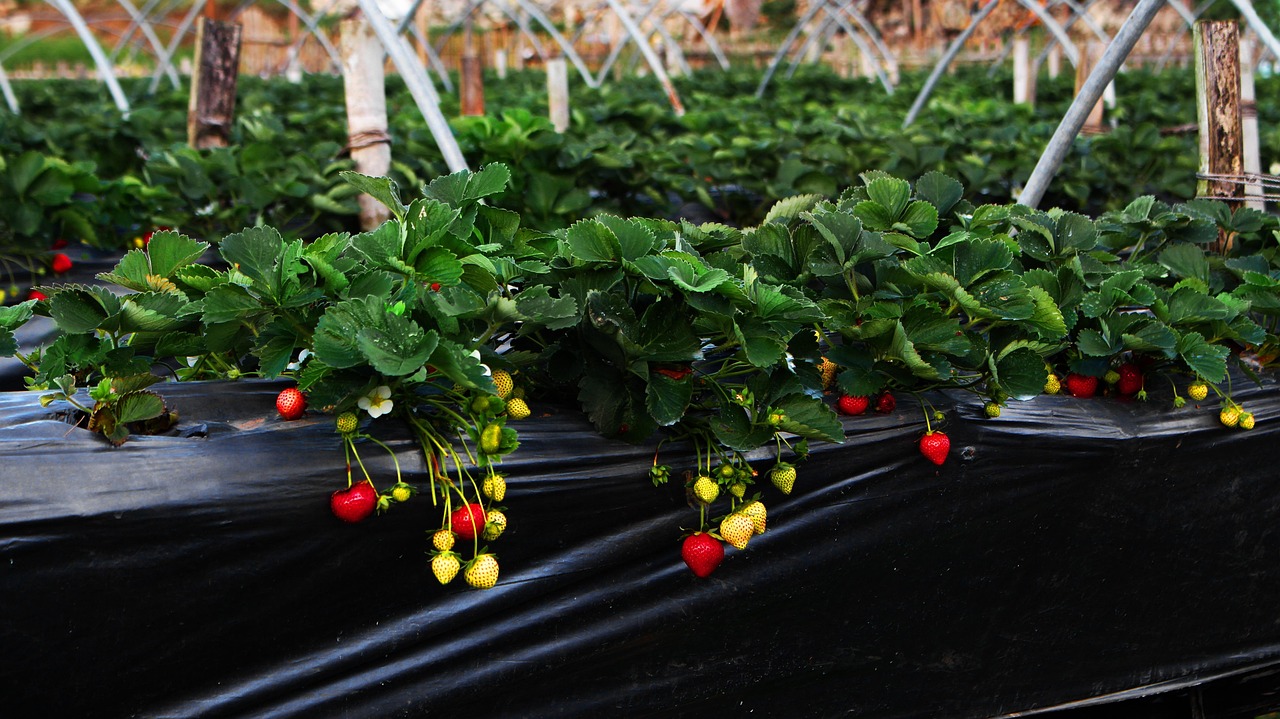
If you’re dreaming of juicy, sweet strawberries fresh from your own garden, South Florida offers a unique climate that can make that dream come true. But not every strawberry variety thrives under the hot sun and sandy soil you have to work with.
Choosing the best strawberries to grow in South Florida means picking varieties that are heat-tolerant, disease-resistant, and packed with flavor. You’ll discover which strawberry types are perfect for your backyard and how to get the most from your plants all season long.
Ready to fill your garden with vibrant, delicious berries? Let’s dive into the top choices and expert tips tailored just for you.
Top Varieties For South Florida
Choosing the right strawberry variety is essential for success in South Florida. The climate here is warm and humid, which means not all strawberries will thrive. Some varieties handle heat better and resist diseases common in this region. Selecting the best types leads to sweeter berries and bigger harvests. Below are the top strawberry varieties suited for South Florida gardens.
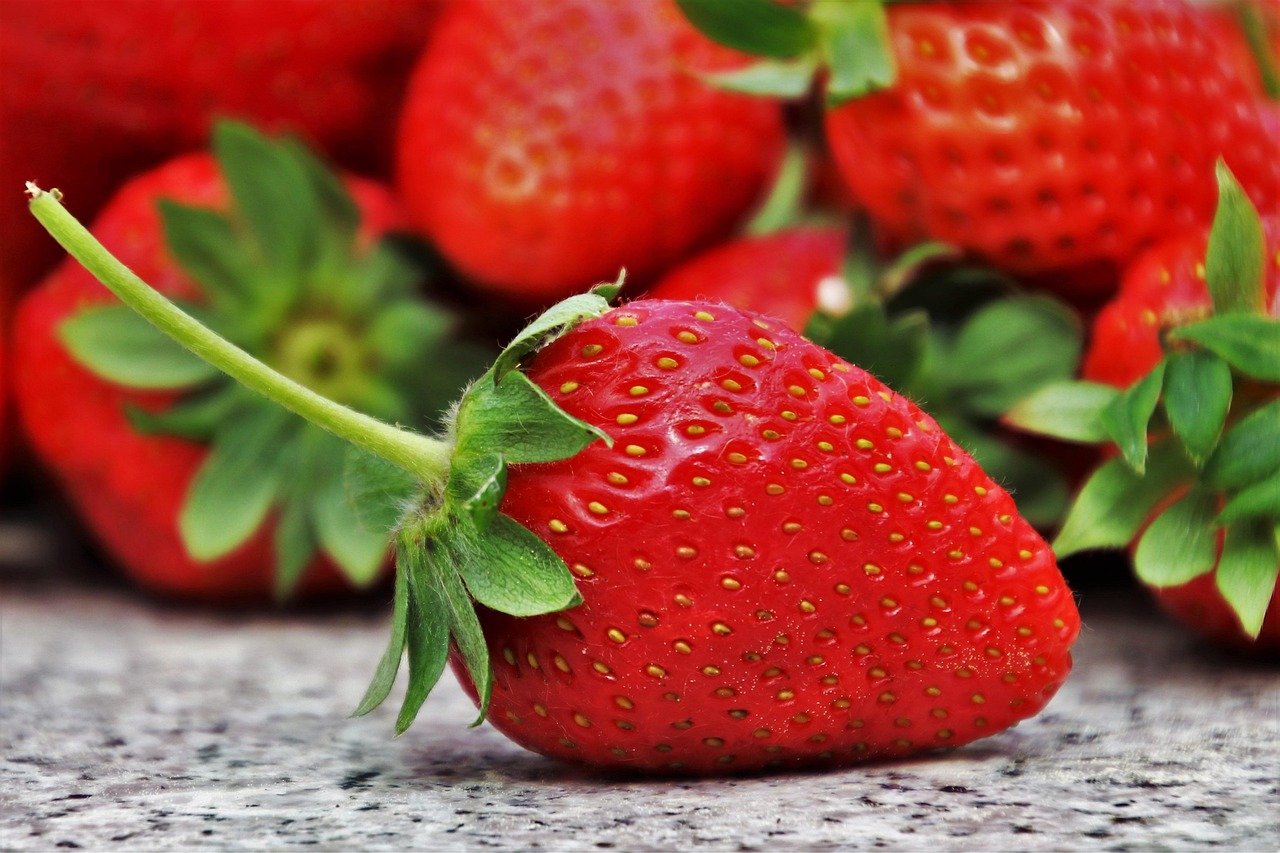
Sweet Charlie
Sweet Charlie is popular among Florida growers. It produces large, firm berries with a very sweet taste. This variety resists many diseases, making it easier to grow. It yields fruit early in the season, allowing a longer harvest period.
Festival
Festival strawberries have excellent flavor and firm texture. The berries are bright red and attractive. They travel well, so they are great for fresh eating and selling. This variety is common in both Florida and Georgia farms.
Camarosa
Camarosa strawberries have large, dark red fruit. They are firm and flavorful, perfect for eating fresh or processing. This variety adapts well to warm climates and offers a high yield.
Chandler
Chandler produces many large, firm berries with good color. The flavor is rich and sweet. It performs well in warm areas and gives a high yield, making it a favorite for many growers.
Florida Radiance
Florida Radiance is widely grown in Central Florida. This variety performs well under the state’s conditions. It offers good fruit size, flavor, and good disease resistance.
Oso Grande
Oso Grande strawberries are large, firm, and flavorful. They produce a high yield and do well in warm weather. This variety is a solid choice for South Florida gardens.
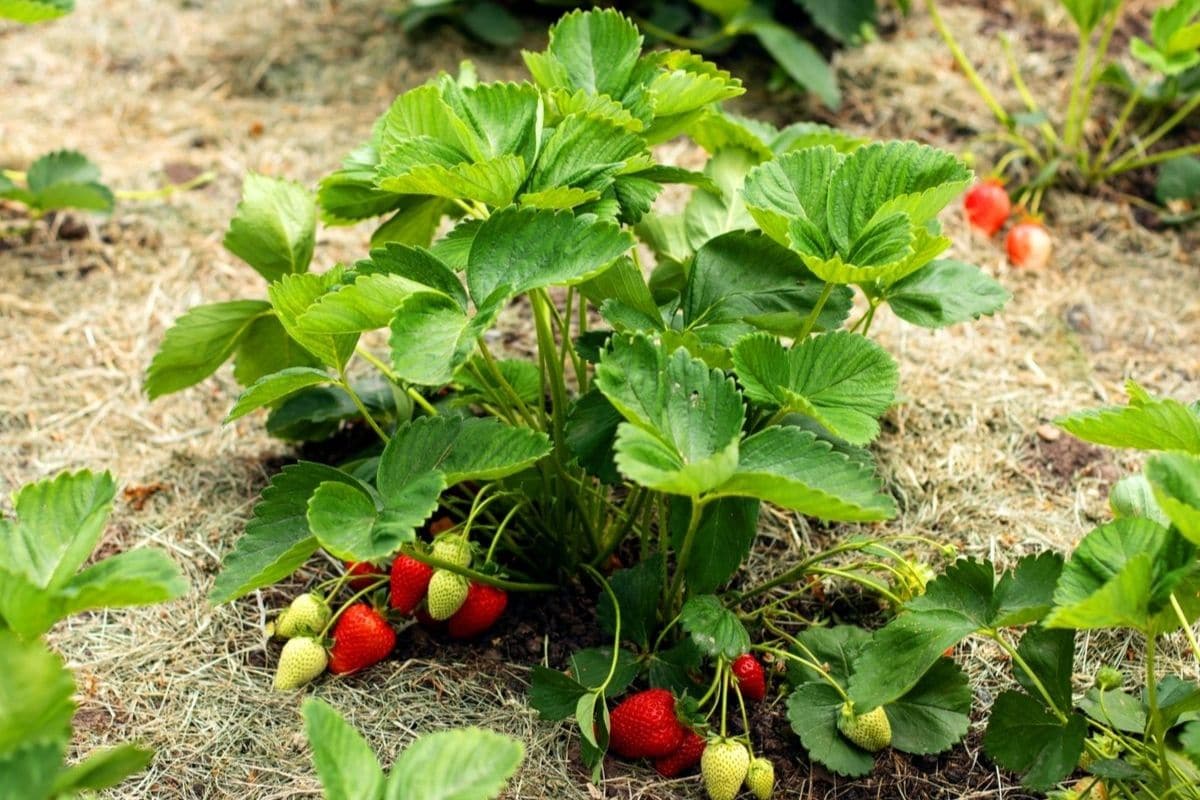
Credit: strawberryplants.org
Planting Timeline By Region
Understanding the planting timeline for strawberries in South Florida helps ensure a healthy crop. Different regions have unique climate conditions that affect when to plant. Timing impacts growth, fruit quality, and yield. Planning your planting schedule by region maximizes success.
Best Planting Months
Plant strawberries in South Florida from September to early November. Cooler fall temperatures help plants establish roots. Early planting avoids the peak heat of summer. This timing supports strong growth before winter. Avoid planting during the hot summer months to reduce stress.
Regional Differences
South Florida’s coastal areas warm faster than inland regions. Coastal gardeners can start planting closer to September. Inland areas with slightly cooler nights should wait until October. The Everglades region may require planting in mid-October. Adjust planting dates to match local temperature and rainfall patterns.
Key Tips For South Florida Growers
Growing strawberries in South Florida can be rewarding with the right approach. The region’s warm climate requires specific care to ensure healthy plants and sweet fruit. These key tips help South Florida growers get the best results from their strawberry garden.
Planting Time
Plant strawberries from September to early November. This timing helps plants establish before the heat rises. Use bare-root plants or plugs for better growth. Avoid planting during the hottest months to prevent stress.
Growing Season
Strawberries grow as an annual crop in South Florida. Expect fruit from late fall through spring. The mild winter allows a longer harvest period. Protect plants from occasional cold snaps with mulch or covers.
Ideal Conditions
Strawberries need well-drained soil and full sun. Aim for six to eight hours of sunlight daily. Keep soil moist but not soggy. Use mulch to retain moisture and reduce weeds. Good airflow helps prevent diseases common in humid areas.
Variety Mixing
Plant several strawberry varieties to extend harvest time. Combine early types like ‘Sweet Charlie’ with mid-season ones like ‘Festival’. This mix provides fruit over several months. It also reduces risk if one variety faces pests or weather issues.
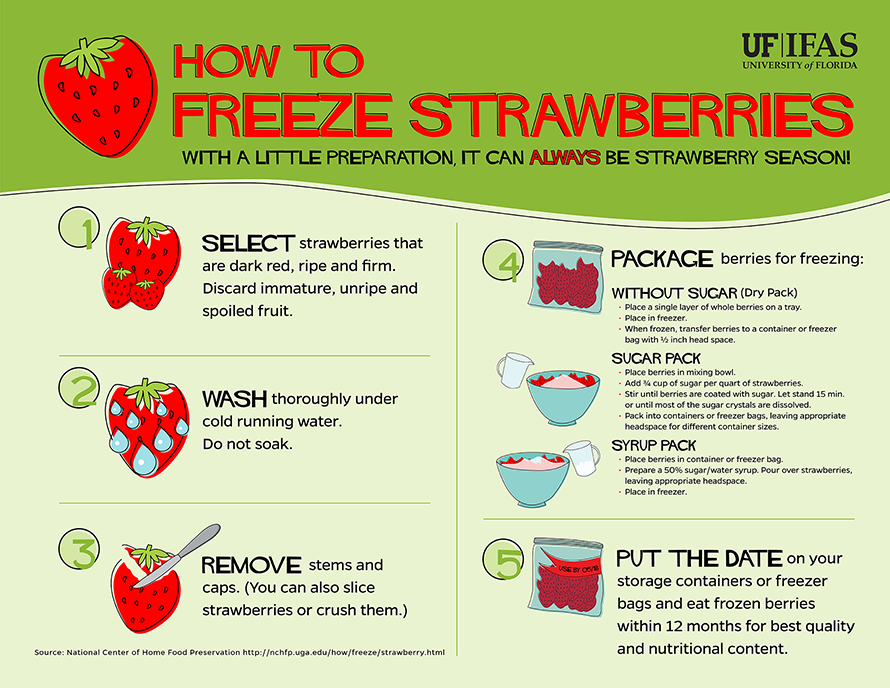
Credit: gardeningsolutions.ifas.ufl.edu
Heat-tolerant Strawberry Varieties
South Florida’s warm climate challenges many strawberry varieties. Heat-tolerant strawberries thrive despite the strong sun and high temperatures. Choosing the right type helps ensure a healthy crop and sweet harvest. These varieties handle heat better and resist common diseases. Gardeners can enjoy fresh strawberries even in hot months.
Spring-bearing Types
Spring-bearing strawberries produce fruit once per year. They bloom and ripen in spring. These types rest during the hottest months, avoiding heat stress. ‘Sweet Charlie’ is a popular spring-bearer in South Florida. It yields large, sweet berries with firm texture. Another good choice is ‘Festival,’ known for its excellent flavor and bright red color. These varieties perform well with proper watering and mulch. They suit gardens with cooler winter nights and warm days.
Day-neutral Options
Day-neutral strawberries produce fruit continuously throughout the growing season. They do not depend on daylight length to bloom. This trait makes them great for South Florida’s variable light conditions. ‘Seascape’ is a reliable day-neutral variety with good heat tolerance. It produces medium-sized, flavorful berries over many months. ‘Tristar’ also performs well, offering sweet fruit and steady yields. These plants need regular care to maintain fruit production. Day-neutral strawberries extend the harvest period in hot climates.
Choosing The Right Transplants
Choosing the right transplants is key to a successful strawberry garden in South Florida. Healthy plants start strong and resist local pests and diseases. Picking the best transplants ensures better fruit and a longer harvest. Focus on plant quality and source reliability to get the best results.
Bare-root Plants
Bare-root strawberry plants are popular in South Florida gardens. These plants come without soil around their roots, making them lightweight and easy to transport. Bare-root plants often cost less than potted ones. They establish quickly once planted in the ground. Choose bare-root plants with firm, white roots and no signs of damage. Plant them soon after purchase to avoid drying out. This type suits the fall planting season well.
Local Nursery Sources
Buying transplants from local nurseries helps ensure plants adapt well to Florida’s climate. Local nurseries often stock varieties tested for heat and humidity. Staff can offer advice on the best strawberry types for your area. Local plants are less likely to carry pests or diseases not found in your region. Visiting nurseries allows you to check plant health before buying. Choose nurseries known for quality and healthy stock to get reliable transplants.
Planting And Care Techniques
Growing strawberries in South Florida requires specific planting and care techniques. The region’s warm climate and sandy soil present unique challenges. Proper preparation and maintenance ensure healthy plants and a bountiful harvest. Focus on soil quality, watering, feeding, and pest control. These steps help strawberries thrive in South Florida’s conditions.
Soil Preparation
Strawberries prefer well-drained, sandy soil in South Florida. Test soil pH; it should range between 5.5 and 6.5. Add organic matter like compost to improve fertility and moisture retention. Clear weeds and debris before planting. Raised beds work well to avoid waterlogging. Ensure soil is loose to encourage root growth and air circulation.
Watering Practices
Strawberries need consistent moisture, especially during fruiting. Water plants deeply at least twice a week. Avoid wetting leaves to reduce disease risk. Use drip irrigation or soaker hoses for efficient watering. Mulching helps retain soil moisture and keeps fruit clean. Adjust watering during rainy or dry spells for best results.
Fertilization Tips
Feed strawberries with balanced fertilizer rich in nitrogen, phosphorus, and potassium. Apply fertilizer before planting and again after fruit harvest. Use slow-release or organic fertilizers for steady nutrient supply. Avoid over-fertilizing, which causes excessive leaf growth and fewer berries. Follow label instructions for correct amounts and timing.
Pest And Disease Management
Monitor plants regularly for pests like aphids, mites, and slugs. Use natural predators or insecticidal soaps for control. Remove damaged or diseased leaves promptly. Practice crop rotation to reduce soil-borne diseases. Keep the area clean and avoid overhead watering to minimize fungal infections. Early detection prevents severe damage.
Extending Your Harvest Season
Extending your strawberry harvest season in South Florida means more fresh berries to enjoy. The warm climate allows for multiple planting strategies. You can grow different types of strawberries to spread out fruit production. This helps avoid a short, single harvest period. Growing various varieties also keeps your plants healthier and more productive over time.
Combining Early And Mid-season Varieties
Planting early and mid-season strawberry varieties together boosts harvest length. Early types like ‘Sweet Charlie’ produce berries sooner. Mid-season varieties such as ‘Festival’ follow and keep fruit coming. This mix prevents all berries from ripening at once. It lets you pick fresh strawberries for a longer time. Staggering harvests also reduces pressure on your kitchen and freezer.
Using Day-neutral Varieties
Day-neutral strawberries bloom and fruit regardless of daylight length. They provide a steady harvest from spring through fall. These varieties suit South Florida’s mild winters and long growing season well. Day-neutral plants like ‘Seascape’ or ‘Albion’ keep producing berries continuously. This means more fresh fruit and less downtime between harvests. Adding day-neutral types creates a continuous supply of strawberries in your garden.
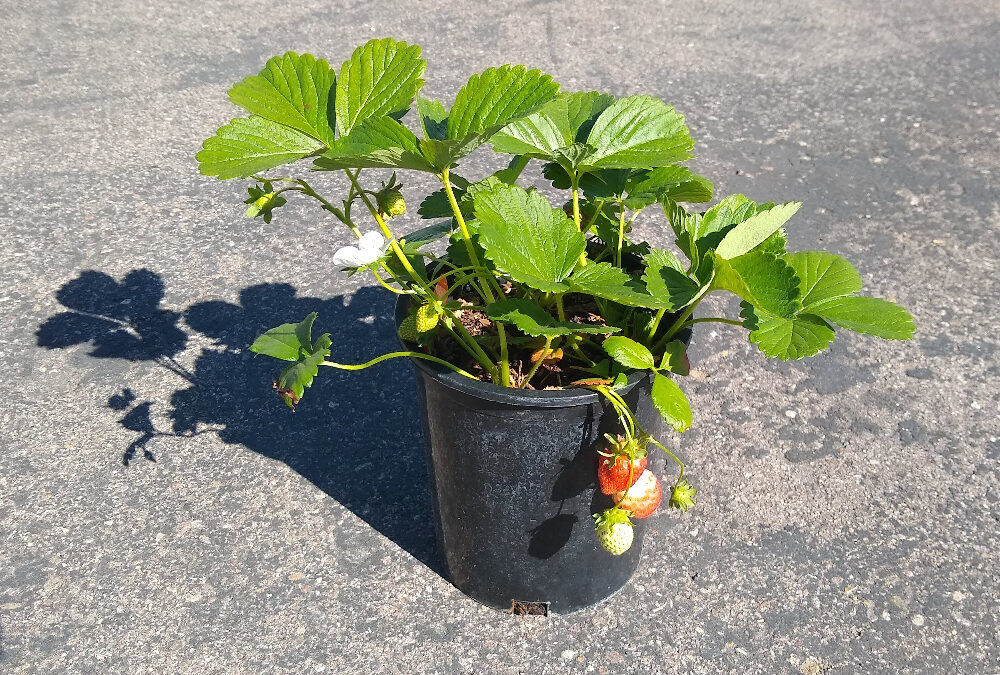
Credit: gregalder.com
Conclusion
Choosing the right strawberry variety helps you enjoy fresh fruit longer. Sweet Charlie and Festival thrive well in South Florida’s warm climate. Planting in fall gives the best chance for a good harvest. Mixing varieties can keep berries coming through different seasons.
Healthy soil and proper care boost berry size and flavor. Growing strawberries in South Florida can be fun and rewarding. Start small, learn as you go, and enjoy the sweet results.