
If you want to grow a thriving food plot in North Florida, timing is everything. Planting at the right time can mean the difference between a lush, nutrient-rich plot that attracts deer and other wildlife, and a struggling patch that barely grows.
You might be wondering: when exactly should you plant to get the best results? Whether you’re a seasoned hunter or new to food plots, knowing the ideal planting windows for North Florida’s unique climate will help you maximize your success.
Keep reading to discover the best times to plant your food plots so you can enjoy a healthy, productive plot all year round.
Credit: www.farmprogress.com
Seasons For Planting
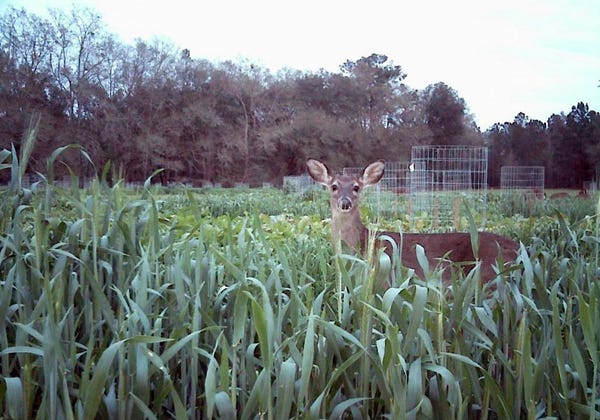
Choosing the right season to plant food plots in North Florida is vital for a healthy and productive garden. The climate in this region allows for two main planting seasons. Each season offers unique benefits for different types of crops. Understanding these windows helps improve growth and attracts wildlife effectively.
Spring Planting Window
The spring planting window runs from late February to early May. This period is ideal for warm-season crops like corn, soybeans, and clover. Soil temperatures rise enough to support seed germination and plant growth. Planting in spring takes advantage of longer daylight hours and warmer weather. This helps plants establish strong roots before the hot summer months. Managing water and soil nutrients during this time boosts crop success.
Fall Planting Window
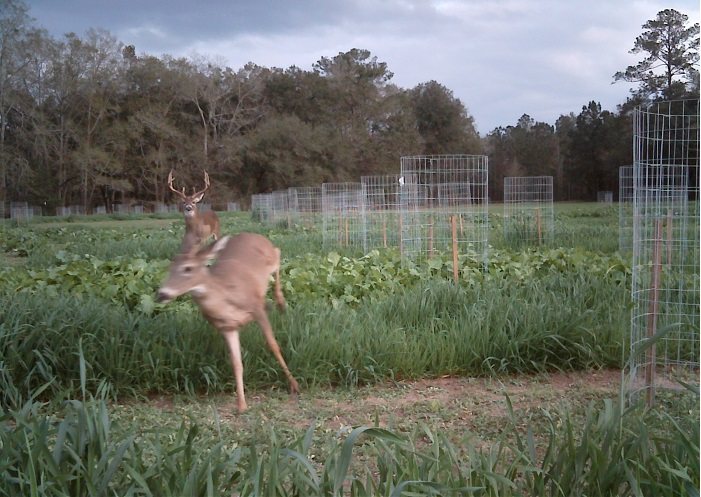
The fall planting window occurs from mid-July to early September. This season suits cool-weather crops such as oats, rye, and brassicas. Cooler temperatures and increased rainfall support better seedling survival. Fall planting often results in lush vegetation that lasts into winter. This window helps provide food and cover for wildlife during colder months. Preparing soil and selecting the right seeds improve fall plot performance.
Credit: nwdistrict.ifas.ufl.edu
Ideal Crops For North Florida
Choosing the right crops for food plots in North Florida is essential for success. The region’s climate supports both cool and warm-season plants. Selecting ideal crops ensures healthy growth and attracts wildlife. Understanding which plants thrive in North Florida helps maximize your food plot’s benefits.
Cool-season Vegetables
North Florida’s mild winters allow for a variety of cool-season vegetables. Brassicas like broccoli, cauliflower, and cabbage grow well. Leafy greens such as lettuce, kale, and spinach also thrive. Root vegetables like carrots and radishes prefer the cooler months. Plant these crops from late September to early November for best results.
Warm-season Crops
Warm-season crops flourish in North Florida’s hot summers. Corn, soybeans, and cowpeas are popular choices. These crops provide high nutrition and cover for wildlife. Plant warm-season crops from March to May to avoid frost damage. Starting seeds indoors can give young plants a strong beginning.
Best Forage For Deer
Deer prefer nutritious forage to support their health and growth. Clover is a top choice for attracting deer. Chicory offers high protein and is drought tolerant. Brassicas like turnips and kale provide food in fall and winter. Mixing different forage types keeps deer coming back to your plot.
Planting Tips And Techniques
Planting food plots in North Florida requires careful attention to timing and techniques. Proper planting methods improve seed germination and plant growth. This section covers essential tips to help you get started with your food plots. Follow these techniques for better results and healthier crops.
Starting Seeds Indoors
Starting seeds indoors gives plants a strong beginning. It protects young seedlings from cold weather and pests. Use seed trays or small pots with good drainage. Keep the soil moist but not soggy. Place the trays in a warm, bright area. Transplant seedlings outdoors when they have a few true leaves. This method works well for brassicas like broccoli and kale.
Direct Sowing Methods
Direct sowing means planting seeds straight into the soil. Prepare the soil by loosening and removing weeds. Plant root vegetables such as carrots and radishes this way. Sow seeds at the recommended depth and space. Water gently after sowing to avoid washing seeds away. This method saves time and is ideal for crops that do not transplant well.
Pest Management Strategies
Protecting your food plot from pests is crucial. Use natural methods like crop rotation and companion planting. Inspect plants regularly for signs of insects or disease. Handpick pests or use organic insecticides if needed. Keep the area clean by removing dead plants and debris. Healthy plants resist pests better and grow stronger.
Soil And Climate Considerations
Understanding soil and climate in North Florida helps pick the best planting time. Soil quality and weather affect seed growth and plant health. Proper attention to these factors boosts food plot success and wildlife attraction.
Each element plays a key role. Soil needs good preparation. Rainfall and moisture must match planting schedules. Temperature influences seed germination and growth speed. Let’s explore these points further.
Soil Preparation
Soil must be loose and rich in nutrients. Test soil pH before planting to ensure it suits your crop. Amend soil with lime or fertilizer as needed. Clear weeds and debris to reduce competition. Well-prepared soil helps seeds sprout quickly and roots grow strong.
Moisture And Rainfall Timing
Plant food plots just before consistent rains arrive. Soil moisture is critical for seed germination. Too dry soil slows growth and causes seed loss. Heavy rains after planting can wash seeds away. Monitor local weather to time planting with moderate rainfall.
Temperature Impact
Seeds need the right soil temperature to sprout. Cool-season crops do best in soil around 50-65°F. Warm-season crops need 65-85°F. Planting too early or late slows growth or kills seeds. North Florida’s mild winters allow early spring or late summer planting for best results.
Regional Variations
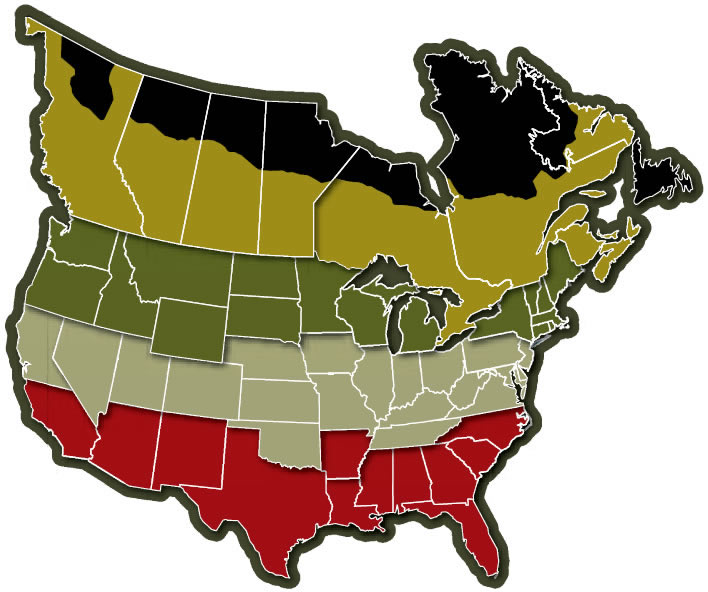
Planting food plots in North Florida requires attention to local climate differences. The state’s long shape causes weather and soil conditions to change from north to south. Knowing these regional variations helps you pick the best planting time. This knowledge improves growth and attracts more wildlife.
North Florida tends to have cooler winters and a shorter growing season. South Florida enjoys a warmer climate and longer growing periods. These differences affect what you plant and when. Understanding your specific zone ensures better results for food plots.
North Vs South Florida Differences
North Florida experiences mild winters with occasional cold snaps. This means planting cool-season crops from late September to November works well. Spring plantings should happen from February to April before summer heat arrives.
South Florida stays warmer year-round. You can plant warm-season crops almost all year. Fall plantings start later, from October to December. Spring planting begins earlier, as early as January. The long growing season allows multiple planting cycles annually.
Zone C Specifics
Zone C in North Florida faces cooler temperatures than the southern zones. Planting food plots here requires timing to avoid frost damage. Early fall plantings must finish before mid-November. Spring plantings should start after the last frost, usually mid-February.
Soil in Zone C often drains well but may need extra nutrients. Choose crops that tolerate occasional cold. Brassicas like kale and turnips grow well here. Adjust watering and fertilizing to suit the local conditions for the best yield.
Credit: www.whitetailinstituteservices.com
Timing For Food Plot Maintenance
Timing for food plot maintenance in North Florida is key to a healthy and productive plot. Proper care ensures plants grow strong and attract wildlife. Each task has an ideal schedule to keep your food plot thriving throughout the seasons.
Weed Control
Weeds compete with your food plot plants for water and nutrients. Start weed control early in the season. Use herbicides or manual removal before weeds spread. Keep monitoring your plot every two weeks. Remove weeds promptly to prevent seed formation. Maintaining a clean plot helps crops grow better and lasts longer.
Irrigation Practices
Watering your food plot depends on rainfall and soil type. North Florida can have dry spells in spring and summer. Irrigate deeply but less often to encourage strong roots. Water early in the morning to reduce evaporation. Avoid overwatering as it can cause root rot. Adjust irrigation based on weather changes for best results.
Harvest Periods
Knowing the right time to harvest food plots maximizes nutrition for wildlife. Most cool-season crops in North Florida mature between late fall and early winter. Warm-season crops are ready by late summer to early fall. Harvest when plants reach peak growth but before frost damage. Timely harvest supports healthy regrowth and continuous food supply.
Frequently Asked Questions
When To Plant Deer Food Plots In North Florida?
Plant deer food plots in North Florida from February to May for spring crops and July to September for fall crops. Choose cool-season varieties in fall to ensure growth before winter.
What Month Should You Plant Food Plots?
Plant food plots in spring from February to May or in fall from July to September, depending on your region’s climate.
What Can I Plant In October In Florida?
Plant cool-season crops like lettuce, kale, spinach, carrots, radishes, broccoli, cauliflower, and cabbage in Florida during October. South Florida can also start warm-weather crops and strawberries. Start seeds indoors for brassicas or sow root vegetables directly in the garden for best results.
What Is The Best Food Plot For Deer In Florida?
The best food plot for deer in Florida includes clover, ryegrass, chicory, and brassicas. Plant in early fall or late winter for optimal growth.
Conclusion
Planting food plots in North Florida thrives best in spring and fall. Start early to give crops time before cold weather. Choose cool-season crops like kale, spinach, and radishes for fall. Warm-season crops suit spring planting well. Prepare soil properly and watch for pests to protect young plants.
Timing and care ensure healthy, productive food plots. This helps support local wildlife and improves hunting success. Follow these tips to get the most from your North Florida food plots.