

If you’ve ever tried growing tomatoes in Florida, you know it’s not always easy. The hot sun, high humidity, and tricky pests can make your tomato plants struggle.
But what if you could learn the best way to grow juicy, healthy tomatoes right in your own backyard? Imagine biting into a fresh, sun-ripened tomato you grew yourself—full of flavor and free from chemicals. In this guide, you’ll discover simple, proven tips tailored for Florida’s unique climate.
Whether you’re a beginner or have tried before without success, this article will help you grow tomatoes that thrive. Ready to turn your garden into a tomato haven? Let’s get started!
Choosing Tomato Varieties
Choosing the right tomato varieties is key for successful growth in Florida. The state’s warm climate and humidity create unique challenges. Selecting types that handle heat and resist diseases can boost your harvest. Understanding the differences between determinate and indeterminate varieties helps match plants to your garden space and care style.
Heat-tolerant Varieties
Florida’s summer heat can stress many tomato plants. Heat-tolerant varieties thrive in high temperatures. Look for types like ‘Heatmaster,’ ‘Solar Fire,’ or ‘Phoenix.’ These keep producing fruit even in hot weather. Picking heat-tolerant tomatoes means fewer problems with flower drop and sunscald.
Disease-resistant Types
Florida’s humid climate encourages diseases like blight and wilt. Disease-resistant tomato varieties reduce the need for chemicals. Varieties such as ‘Celebrity,’ ‘Better Boy,’ and ‘Florida 91’ resist many common tomato diseases. Growing resistant types helps keep plants healthy and fruit plentiful.
Determinate Vs Indeterminate
Determinate tomatoes grow to a set height and produce fruit all at once. They suit container gardening or small spaces. Indeterminate types grow and produce fruit throughout the season. These need staking or cages for support. Choose determinate for quick harvests and indeterminate for long-term picking.
Best Planting Times
Timing plays a key role in growing healthy tomatoes in Florida. Planting at the right time helps the plants avoid extreme weather. It also improves fruit production and reduces pest issues. Florida’s unique climate means gardeners must plan carefully to get the best harvest.
Spring Planting Window
Start planting tomatoes in Florida from late February to early April. This period offers warm days and cooler nights, perfect for young plants. Spring planting lets tomatoes grow before summer heat arrives. Use disease-resistant varieties to handle Florida’s spring humidity.
Fall Planting Options
Fall planting works well from September to early November. The cooler weather helps plants grow strong. Fall tomatoes usually face fewer pests and diseases. Choose fast-maturing types to enjoy fresh tomatoes before winter sets in.
Avoiding Summer Heat
Summer in Florida gets very hot, which stresses tomato plants. High heat can stop flowers from setting fruit. Avoid planting during summer months of June to August. If you must grow in summer, provide shade and extra water. Mulching helps keep soil cool and moist.
Preparing Soil And Containers
Preparing soil and containers is the first step to growing healthy tomatoes in Florida. Good soil helps roots grow strong and supports the plant’s needs. Containers must hold enough soil and drain well to prevent waterlogging. Both soil and containers need special attention for the Florida climate. This ensures plants get nutrients and stay healthy under the heat and humidity.
Soil Requirements
Tomatoes grow best in loose, well-drained soil. Florida’s native soil can be sandy and low in nutrients. It needs to hold moisture but not stay soggy. The soil pH should be slightly acidic, between 6.0 and 6.8. This helps tomatoes absorb nutrients properly. Avoid heavy clay or very sandy soils without amendments. Good soil lets roots breathe and grow deep.
Raised Beds Vs Containers
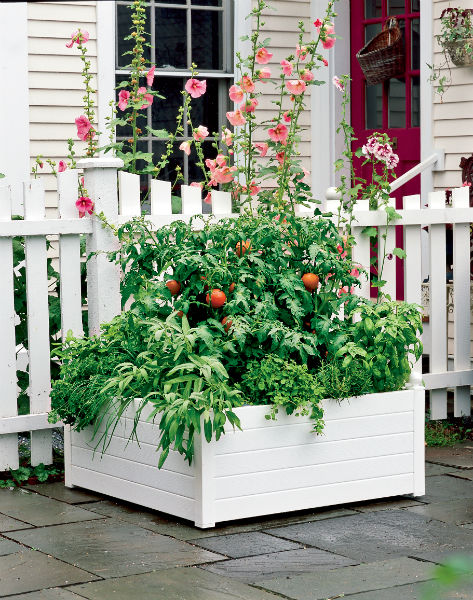
Raised beds warm up faster and drain well, perfect for Florida gardens. They allow control over soil quality and prevent soil compaction. Containers are great for small spaces or patios. Use pots at least five gallons in size for each tomato plant. Make sure containers have drainage holes to stop water buildup. Both options protect plants from poor native soil and pests.
Soil Amendments And Fertilizers
Add organic matter like compost or aged manure to improve soil texture and nutrients. This helps sandy Florida soil hold water better. Use balanced fertilizers with nitrogen, phosphorus, and potassium. Start with a fertilizer designed for vegetables. Apply according to package instructions to avoid overfeeding. Mulch the soil surface to keep moisture and reduce weeds. Healthy soil means healthier tomatoes with better fruit.

Credit: www.gardenersbasics.com
Planting Techniques
Proper planting techniques make a big difference in growing tomatoes in Florida. The right depth, spacing, and handling of seedlings help plants develop strong roots and resist Florida’s heat and humidity. Careful transplanting ensures young plants adjust well to outdoor conditions. Follow these simple steps for healthier, more productive tomato plants.
Depth And Spacing
Plant tomatoes deeper than their nursery pots. Bury the stem up to the first set of leaves. This encourages extra roots to grow along the buried stem. Space plants 24 to 36 inches apart. This distance allows good air circulation and reduces disease risks. Proper spacing helps plants get enough sunlight and nutrients.
Starting From Seedlings
Choose healthy seedlings with strong stems and dark green leaves. Start seeds indoors 6 to 8 weeks before the last frost date. Use seed trays with quality seed-starting mix. Keep the soil moist but not wet. Provide plenty of light to avoid leggy seedlings. Harden off seedlings by slowly exposing them to outdoor conditions for a week.
Transplanting Tips
Transplant seedlings on a cool, cloudy day or in the late afternoon. Water seedlings well before moving them. Dig holes slightly larger than the root ball. Handle plants gently to avoid root damage. Firm soil around roots to remove air pockets. Water plants immediately after transplanting to settle the soil. Mulch around plants to keep soil moist and reduce weeds.
Watering And Mulching
Watering and mulching play key roles in growing healthy tomatoes in Florida. Proper water helps plants absorb nutrients and stay strong under the hot sun. Mulching keeps soil moist and cool, reducing the need for frequent watering. Both practices protect tomato roots and promote better fruit growth.
Optimal Watering Schedule
Water tomato plants early in the morning. This timing lowers water evaporation. It also prevents leaves from staying wet overnight, which can cause diseases. In Florida’s hot climate, water deeply two to three times per week. Adjust the schedule during rainy periods or extreme heat. Check soil moisture to decide if plants need water.
Mulching Benefits
Mulch helps keep soil temperature steady. It stops weeds from growing around tomato plants. Mulch also holds moisture in the soil longer. Use organic mulch like straw, pine bark, or grass clippings. Apply a 2 to 3 inch layer around the base of plants. Keep mulch a few inches away from stems to avoid rot.
Avoiding Overwatering
Too much water harms tomato roots. It leads to root rot and weak plants. Water only when the top inch of soil feels dry. Use well-draining soil to prevent water buildup. Avoid watering leaves directly to reduce fungal risks. Proper watering helps tomatoes grow strong and produce tasty fruit.
Supporting Tomato Plants
Supporting tomato plants is key to a healthy and productive garden in Florida. Strong support keeps the plants upright and prevents fruit from touching the ground. This reduces the risk of rot and pest damage. Proper support also improves air circulation around the plants, lowering disease chances. It makes harvesting easier and keeps your garden tidy.
Staking Methods
Staking is a simple way to support tomato plants. Use wooden or metal stakes about 5 to 6 feet tall. Drive the stake into the soil near the plant. Tie the main stem loosely to the stake with soft garden twine. Add ties every 8 to 12 inches as the plant grows. This method keeps plants vertical and saves space in small gardens.
Using Cages
Tomato cages are wire frames that surround the plant. They support branches and hold fruit off the ground. Choose cages that are at least 3 feet tall and wide. Place the cage over the young plant soon after planting. Guide branches inside the cage as the plant grows. Cages work well for bushy varieties and reduce the need for pruning.
Pruning For Growth
Pruning helps tomato plants focus energy on producing fruit. Remove the small shoots that grow between the main stem and branches. These shoots are called suckers. Pinch or cut suckers when they are small. Pruning improves air flow and sunlight reach. It also prevents plants from becoming too heavy and falling over.
Fertilization Strategies
Fertilization plays a key role in growing healthy tomatoes in Florida. The warm climate and sandy soils often lack enough nutrients for strong growth. Using the right fertilization strategies helps your tomato plants develop robust roots, vibrant leaves, and juicy fruits. Understanding what fertilizers to use, when to feed, and how much to apply prevents common problems and boosts your harvest.
Choosing Fertilizers
Tomatoes need a balanced mix of nitrogen, phosphorus, and potassium. Look for fertilizers labeled as 10-10-10 or 5-10-10 for good results. Organic options like compost or fish emulsion also work well. They improve soil health and provide slow nutrient release. Avoid fertilizers with too much nitrogen, which can cause leafy growth but fewer fruits.
Feeding Schedule
Start feeding young tomato plants two weeks after transplanting. Apply fertilizer every three to four weeks during the growing season. Use a liquid fertilizer for faster nutrient absorption. Reduce feeding once fruits start to develop to encourage ripening. Regular feeding keeps plants strong and supports fruit production in Florida’s hot weather.
Avoiding Over-fertilization
Too much fertilizer harms tomato plants. Excess nitrogen causes weak stems and fewer fruits. Over-fertilized soil can burn roots and reduce water uptake. Follow package instructions carefully and do not double the dose. Watch plants closely for signs of stress like yellow leaves or slow growth. Healthy fertilization means steady, balanced feeding without overdoing it.
Pest And Disease Control
Controlling pests and diseases is vital for healthy tomato plants in Florida. The warm, humid climate creates a perfect environment for many tomato pests and diseases. Protecting your crop ensures better fruit quality and higher yields. Regular monitoring helps catch problems early before they spread. Use a combination of methods to keep your tomato plants safe and productive.
Common Pests In Florida
Florida gardens often face pests like tomato hornworms, whiteflies, and aphids. Hornworms can quickly strip leaves and damage fruit. Whiteflies spread diseases and weaken plants by sucking sap. Aphids cluster on new growth, causing distortion and sticky residue. Spider mites and thrips also cause damage in hot weather. Check plants regularly for these pests and remove them by hand or spray.
Disease Prevention
Prevent diseases by choosing resistant tomato varieties suited for Florida. Use well-draining soil to avoid root rot and fungal problems. Water plants early in the day to let leaves dry before night. Mulching helps reduce soil splash and weed growth. Remove and destroy infected leaves or plants to stop disease spread. Rotate your tomato crops yearly to prevent soil-borne diseases.
Organic And Chemical Treatments
Use organic treatments like neem oil or insecticidal soap for mild pest problems. These products are safe and break down quickly in the environment. For severe infestations, select chemical pesticides labeled for tomatoes and Florida use. Always follow label instructions to protect beneficial insects and avoid overuse. Combine treatments with good cultural practices for the best results.
Harvesting And Maintenance
Harvesting and maintaining your tomato plants in Florida requires attention and care. Proper harvesting ensures the best flavor and continued production. Maintenance keeps plants healthy and productive throughout the growing season. These steps help you enjoy fresh tomatoes longer and avoid common problems.
Signs Of Ripeness
Tomatoes are ripe when they show full color. For red varieties, look for deep red skin with no green spots. Feel the fruit gently; it should be firm but slightly soft. A ripe tomato will detach easily from the vine with a light twist. Avoid picking green or overly soft tomatoes to ensure good taste and texture.
Regular Plant Care
Water tomatoes deeply once or twice a week, depending on rain. Keep soil moist but not waterlogged to prevent root rot. Remove yellow or dead leaves to improve air circulation. Check plants regularly for pests like aphids or whiteflies. Use natural pest control or insecticidal soap if needed. Support plants with stakes or cages to keep fruit off the ground.
End Of Season Tips
As temperatures drop, reduce watering to slow plant growth. Harvest all ripe tomatoes before frost or heavy cold hits. Remove old plants to prevent disease buildup in soil. Add compost or mulch to enrich soil for next season. Consider planting cover crops to protect and improve soil health during winter months.

Credit: www.gardenary.com
Credit: gardenerd.com
Frequently Asked Questions
How To Grow Tomatoes In Florida For Beginners?
Plant disease-resistant tomato varieties during Florida’s cooler seasons. Use deep planting and large, well-drained pots. Water in the morning, mulch, and stake plants. Fertilize moderately and monitor regularly for pests. Rotate planting sites yearly to prevent soil-borne diseases.
Do Tomatoes Grow Better In Containers Or In The Ground?
Tomatoes grow well both in containers and ground. Containers offer mobility and control; ground provides more space and natural nutrients. Choose based on space, soil quality, and climate. Ensure proper drainage and sunlight for healthy growth in either method.
Why Put An Egg In The Hole When Planting Tomatoes?
Placing an egg in the hole adds nutrients like calcium to prevent blossom end rot. It also enriches soil for healthier tomato growth.
When’s The Best Time To Plant Tomatoes In Florida?
The best time to plant tomatoes in Florida is from February to April and September to October. Avoid the intense summer heat. Choose disease-resistant varieties for better growth.
Conclusion
Growing tomatoes in Florida can be simple with the right steps. Choose disease-resistant varieties and plant during cooler seasons. Use deep planting to encourage strong roots. Water early in the day and mulch to keep soil moist. Support plants with stakes or cages to protect fruit.
Watch for pests and act quickly to keep plants healthy. Following these tips helps you enjoy fresh, homegrown tomatoes all year. Give your garden care and patience, and the harvest will reward you well.