Discover the best Hedge Plants for South Florida gardens, offering privacy, beauty, and ecological benefits. This comprehensive guide explores top evergreen choices, essential planting tips, and expert care advice for creating resilient and stunning green fences in the unique South Florida climate.
Hedges are more than just green walls; they are living boundaries that define spaces, offer crucial privacy, dampen noise, and provide a lush backdrop to your garden. In the vibrant, often challenging, climate of South Florida, selecting the right plants is paramount. With intense sun, high humidity, occasional droughts, and the threat of hurricanes, hedging success hinges on choosing species that thrive in these specific conditions. This guide will help you navigate the options, ensuring your South Florida garden boasts beautiful, resilient, and effective green screens.
Why Choose Hedges for Your South Florida Landscape?
Hedge plants offer a multitude of benefits tailored for the South Florida environment:
Enhanced Privacy: Create a natural barrier protecting your outdoor living spaces from prying eyes.
Noise Reduction: Dense foliage can significantly muffle street noise and create a more tranquil atmosphere.
Windbreak & Shelter: Protect more delicate plants and outdoor areas from strong coastal winds and summer storms.
Increased Property Value: Well-maintained hedges add curb appeal and a sense of establishment to any home.
Ecological Benefits: Provide shelter and food for local wildlife, including birds and butterflies, contributing to biodiversity.
Aesthetic Appeal: Add year-round greenery, texture, and often vibrant blooms, enhancing the overall beauty of your garden.
Choosing the Right Hedge Plants for South Florida’s Climate
When selecting hedge plants for South Florida, consider these critical factors to ensure long-term success:
Sunlight Exposure: Most popular hedging plants thrive in full sun (6+ hours daily), but some tolerate partial shade.
Soil Type & Drainage: South Florida often features sandy or alkaline soils. Choose plants tolerant of these conditions or amend your soil.
Mature Size: Account for the plant’s mature height and width. Don’t select a giant tree if you only need a 6-foot hedge.
Maintenance Level: Consider how much pruning, watering, and feeding you’re willing to commit to.
Salt Tolerance: If you live near the coast, select species known to withstand salty air and occasional saltwater spray.
Hurricane Resilience: Opt for plants with strong root systems and flexible branches that can better withstand strong winds.
Top Hedge Plants for South Florida Gardens
Here are some of the most popular and effective South Florida hedge plants, offering diverse options for any landscaping need:

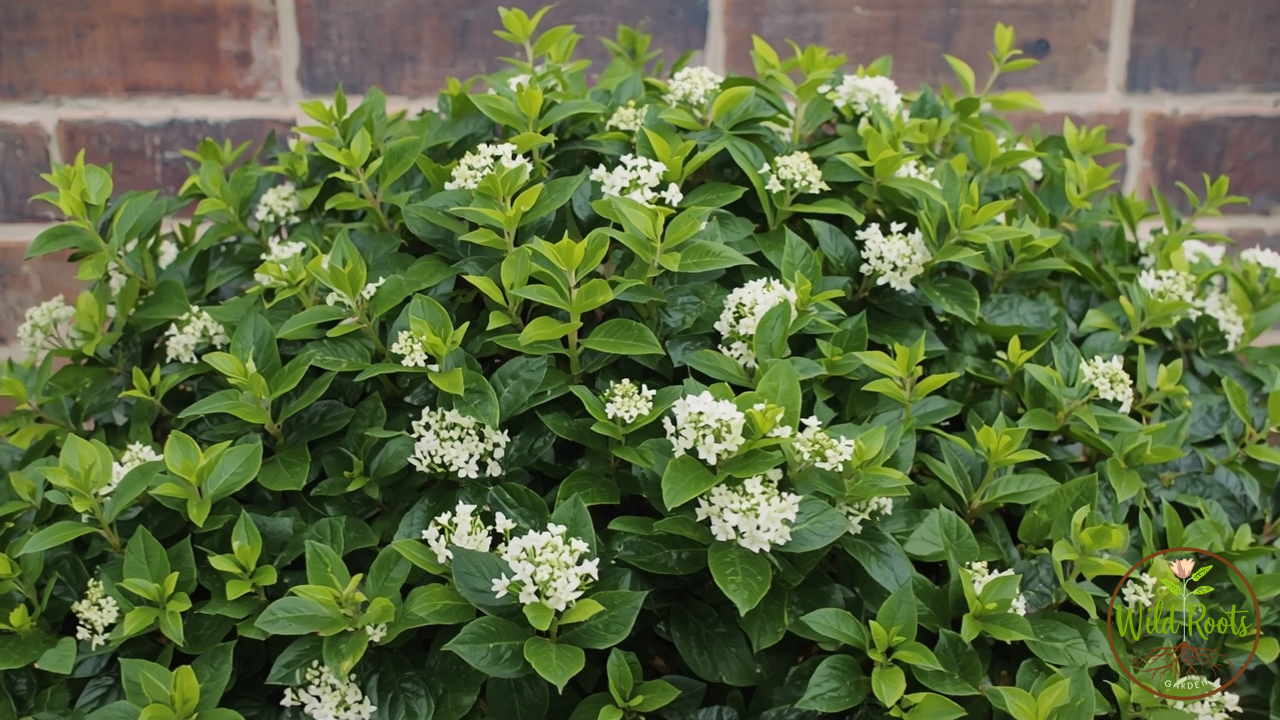
1. Sweet Viburnum (Viburnum odoratissimum)
Characteristics: Fast-growing, dense, evergreen with glossy green leaves. Produces small white flowers in spring followed by red berries.
Benefits for SF: Extremely hardy, tolerant of various soil types, and relatively fast-growing to create privacy quickly. Can grow up to 15-20 feet tall.
Care: Prefers full sun to partial shade. Regular watering when establishing, then moderate. Prune to shape.
2. Podocarpus (Podocarpus macrophyllus)
Characteristics: Upright, narrow, evergreen shrub or small tree with dark green, needle-like leaves.
Benefits for SF: Versatile, excellent for formal hedges, can be kept very narrow, tolerates a wide range of conditions, and is relatively pest-free.
Care: Adaptable to sun or partial shade. Drought-tolerant once established. Responds well to frequent shearing for a formal look.
3. Ficus (Ficus nitida / Ficus altissima)
Characteristics: Fast-growing evergreen with attractive glossy green leaves. Can grow into a very large tree if untrimmed.
Benefits for SF: Creates a dense, impenetrable screen quickly. Excellent for noise reduction and blocking views.
Care: Needs regular pruning to maintain hedge form. Important: Roots can be aggressive; plant at least 10 feet from structures, sidewalks, and pipes.
4. Clusia (Clusia rosea) – Autograph Tree
Characteristics: Leathery, paddle-shaped leaves, unique aesthetic. Moderately growing evergreen.
Benefits for SF: Extremely salt-tolerant, drought-tolerant once established, and highly resistant to pests and diseases. Great for coastal areas.
Care: Low maintenance. Prefers full sun. Can tolerate some shade.
5. Areca Palm (Dypsis lutescens)
Characteristics: Multi-stemmed palm with feathery, yellow-green fronds. Grows in clumps.
Benefits for SF: Provides a tropical, softer hedge. Excellent for light filtering privacy and adding architectural interest. Can grow 15-20 feet tall.
Care: Prefers partial shade to full sun. Needs consistent moisture, especially when young. Minimal pruning required.
6. Cocoplum (Chrysobalanus icaco)
Characteristics: Native Florida shrub with round, leathery leaves. Comes in green and ‘Red Tip’ varieties. Produces small edible fruits.
Benefits for SF: Salt-tolerant, drought-tolerant, great for attracting wildlife, and low maintenance. Provides a natural, informal look.
Care: Thrives in full sun to partial shade. Very adaptable to various soil conditions.
7. Ixora (Ixora coccinea series)
Characteristics: Flowering shrub with vibrant clusters of red, orange, pink, or yellow flowers.
Benefits for SF: Adds continuous color to your hedge. Available in various sizes, from dwarf to tall. Attracts butterflies.
Care: Needs full sun to partial shade and regular watering. Sensitive to cold, so avoid exposed, windy spots. Fertilize regularly for best blooms.
Planting and Care Guidelines for South Florida Hedges
Proper planting and ongoing care are essential for healthy, thriving South Florida hedge plants.
1. Site Preparation
Soil Amendment: Dig a trench rather than individual holes. Amend poor sandy soil with compost or organic matter to improve water retention and nutrient levels.
Drainage: Ensure good drainage. If your soil is heavy clay, consider raising the bed.
Spacing: Follow the plant’s recommended spacing for hedging. Planting too close can lead to poor air circulation and disease; too far apart will leave gaps. Generally, 2-4 feet apart, depending on the mature width.
2. Watering
Initial Watering: Water deeply and regularly (daily or every other day) for the first few weeks to months after planting, especially during dry spells.
Established Plants: Once established, most South Florida selections are moderately drought-tolerant. Adjust watering based on rainfall and soil moisture.
3. Fertilization
Fertilize new hedges with a slow-release granular fertilizer formulated for palm and tropical plants shortly after planting.
For established hedges, fertilize 2-3 times a year (spring, summer, fall) with a balanced granular fertilizer to promote lush growth.
4. Pruning and Trimming
Training: Begin shaping your hedge when it’s young to encourage dense growth from the base.
Regular Trimming: In South Florida’s rapid growth environment, hedges may need trimming every 4-8 weeks during the growing season (spring through fall) to maintain shape and density.
Shape: Trim hedges slightly wider at the bottom than the top to ensure sunlight reaches all parts of the plant, preventing a bare base.
5. Pest and Disease Management
Regularly inspect your hedges for signs of pests (e.g., scale, mealybugs, whiteflies) or diseases (e.g., fungal spots).
* Address issues promptly with appropriate organic or chemical treatments as needed. Proper air circulation (adequate spacing and pruning) helps prevent many problems.
FAQs About Hedge Plants for South Florida
Q1: What is the fastest-growing hedge plant for South Florida?
A: Ficus (Ficus nitida) and Sweet Viburnum (Viburnum odoratissimum) are among the fastest-growing options for South Florida, establishing quickly and providing rapid privacy. Remember to consider the extensive root system of Ficus.
Q2: How far apart should I plant my hedge plants?
A: Spacing depends on the specific plant and your desired density. A general rule of thumb is to plant them 2 to 4 feet apart, but always check the plant’s tag for specific recommendations. Planting closer creates a denser hedge faster but can lead to overcrowding.
Q3: Do I need to fertilize my hedges in South Florida?
A: Yes, regular fertilization is crucial for healthy, vigorous growth in South Florida’s often nutrient-poor soils. Fertilize 2-3 times a year with a balanced slow-release fertilizer designed for tropical plants.
Q4: Are there salt-tolerant hedge plants suitable for coastal South Florida?
A: Absolutely! Cocoplum (Chrysobalanus icaco), Clusia (Clusia rosea), Sea Grape (Coccoloba uvifera), and certain varieties of Pittosporum (Pittosporum tobira) are excellent salt-tolerant choices.
Q5: How often should I trim my hedges in South Florida?
A: Due to our warm climate, hedges in South Florida grow quickly. Expect to trim them every 4-8 weeks during the growing season (typically spring through fall) to maintain a neat shape and encourage dense foliage. Less frequent trimming may be needed in winter.
Conclusion
Creating a beautiful and effective hedge in your South Florida garden is an investment that pays dividends in privacy, beauty, and ecological benefits. By carefully selecting the right hedge plants for South Florida that are suited to our unique climate, and by providing them with proper planting and ongoing care, you can establish a stunning green screen that enhances your outdoor living space for years to come. Embrace the lush growth of the tropics and transform your yard with resilient, vibrant hedges!