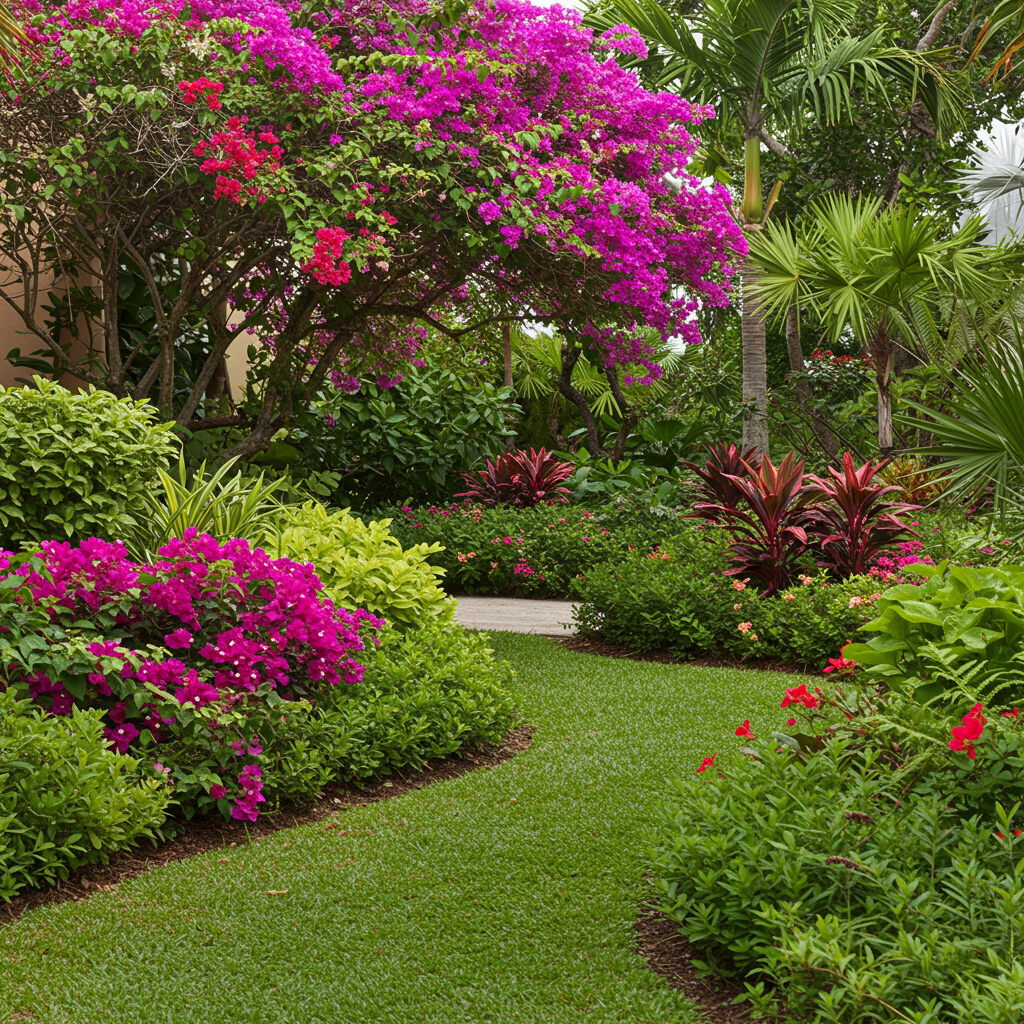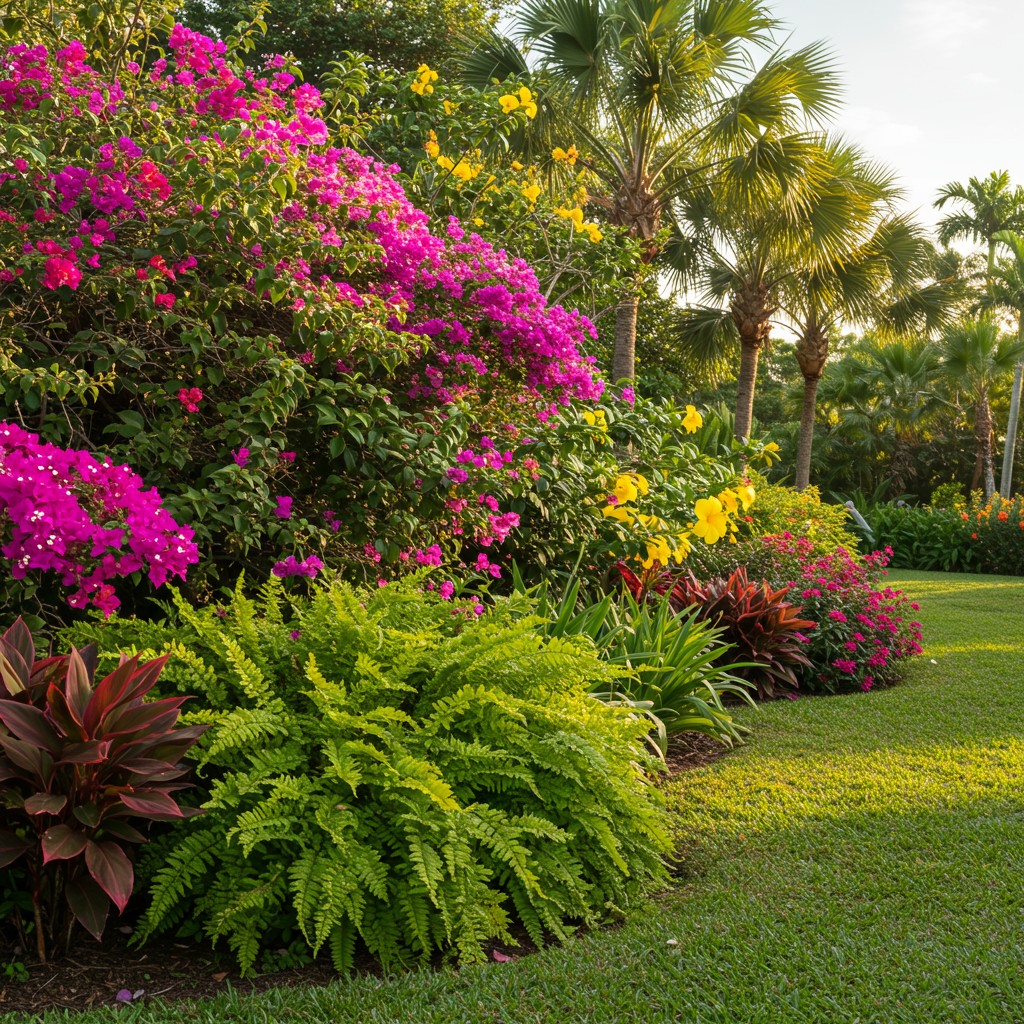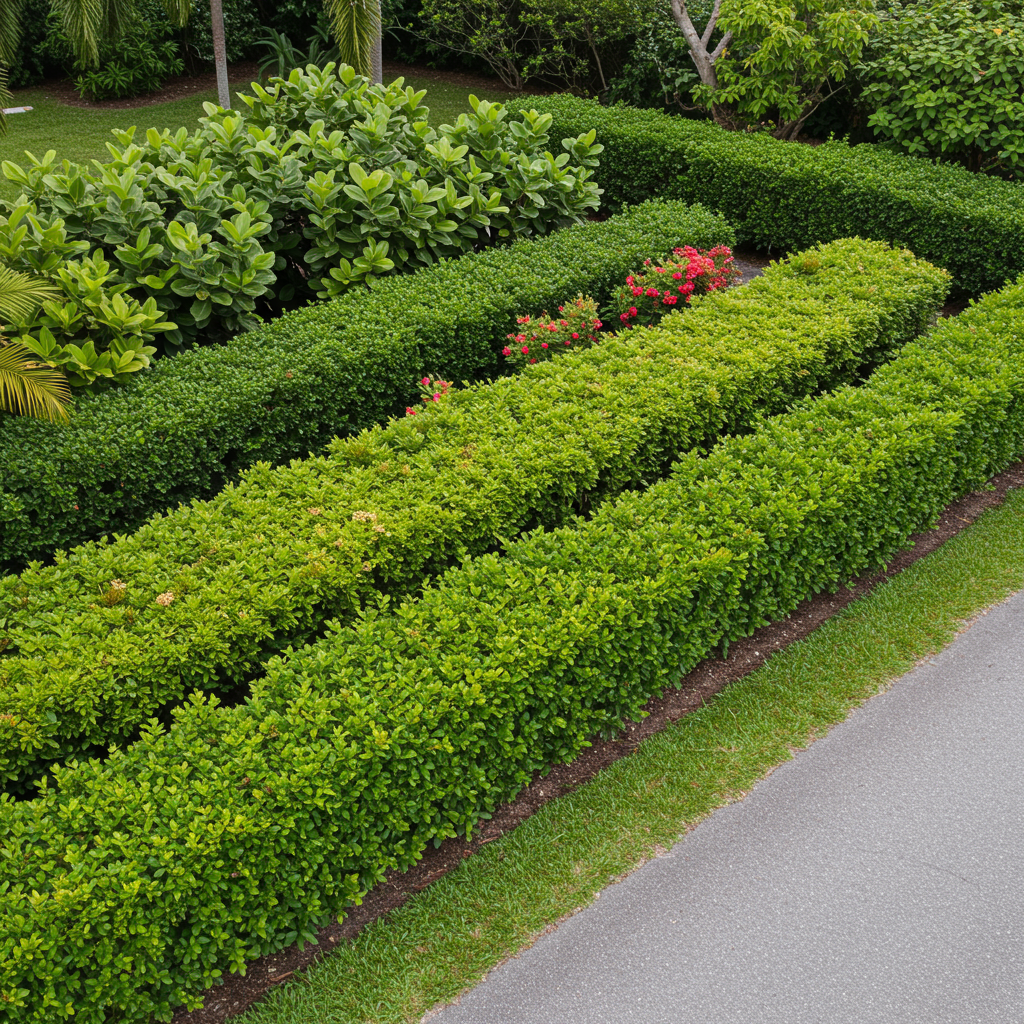
Transform your outdoor space with the best Hedge Plants South Florida has to offer. Discover top picks, essential care tips, and design ideas to create beautiful, functional, and private landscapes that thrive in our unique climate.
South Florida’s vibrant environment offers a perfect backdrop for lush, green hedges. Whether you’re aiming for a private sanctuary, a stunning botanical border, or a natural windbreak, choosing the right hedge plants is key. Our tropical to subtropical climate allows for a remarkable variety of species to flourish, providing year-round beauty and practical benefits. But with so many options, how do you pick the best ones for your specific needs? This guide will unveil the top selections and provide insights into making your South Florida hedge dreams a reality.
Why Choose Hedge Plants for Your South Florida Landscape?
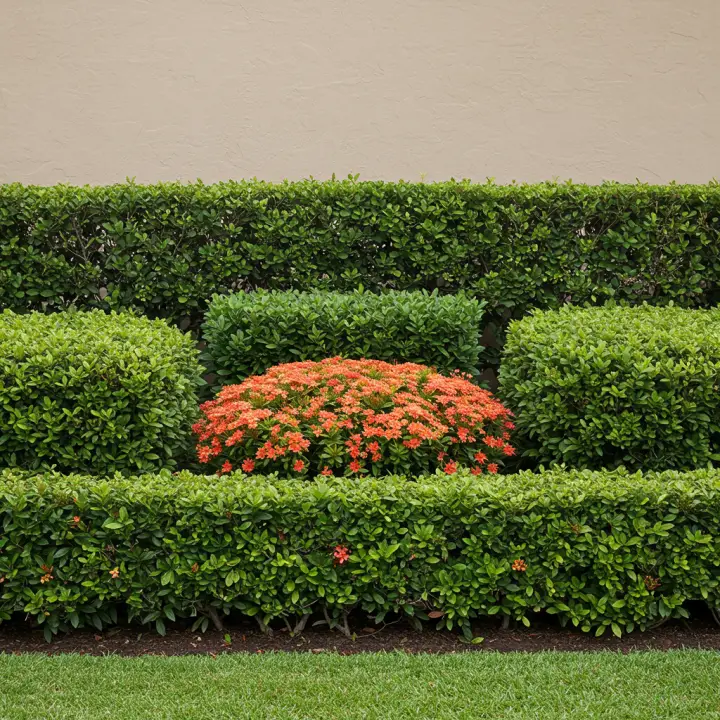
Hedge plants are more than just green walls; they are living elements that significantly enhance any property. In South Florida, their benefits are particularly amplified by the climate and lifestyle.
Privacy and Security
One of the primary reasons homeowners opt for hedges is to create a natural privacy screen. Dense foliage can effectively block views from neighbors or passersby, offering a secluded retreat. They also act as a soft barrier, enhancing security without the harsh look of a fence.
Aesthetic Appeal
Hedges add structure, depth, and beauty to your landscape design. They can define property lines, frame garden beds, or create stunning backgrounds for other ornamental plants. With various textures and leaf colors, they offer year-round visual interest.
Noise Reduction and Windbreak
A thick hedge can surprisingly dampen street noise and filter out dust. They also serve as an excellent windbreak, protecting more delicate plants and making outdoor living spaces more comfortable, especially during breezy days.
Habitat for Wildlife
Native and Florida-Friendly hedges can provide food, shelter, and nesting sites for local birds, butterflies, and other beneficial wildlife, contributing to a healthy ecosystem.
Increased Property Value
A well-maintained, attractive hedge can significantly boost your home’s curb appeal and overall property value. It shows care for the landscape and adds a touch of natural elegance.
Top Picks for Hedge Plants in South Florida
Selecting the right plant is crucial for a thriving hedge. Here are some of the most popular and suitable options for South Florida, known for their resilience, beauty, and adaptability.
Viburnum (Viburnum odoratissimum)
Often called Sweet Viburnum or Shiny Leaf Viburnum, this is a popular choice for its fast growth and dense, glossy green foliage. It responds well to pruning, making it ideal for both formal and informal hedges. It tolerates a range of soil types and sun exposures, from full sun to partial shade.
Ligustrum (Ligustrum japonicum)
Known as Japanese Privet, Ligustrum is a classic hedging plant thanks to its quick growth and ability to form a thick, impenetrable screen. It has small, dark green leaves and can be trimmed into very precise shapes. It’s hardy and drought-tolerant once established.
Podocarpus (Podocarpus macrophyllus)
Also known as Japanese Yew, Podocarpus is an evergreen with slender, dark green leaves. It’s excellent for formal hedges, tolerating heavy pruning. It’s relatively slow-growing, which means less frequent maintenance, but offers long-term density and elegance. It’s also very adaptable to various light conditions.
Clusia (Clusia rosea ‘Guttifera’)
The ‘Guttifera’ variety of Clusia, or Autograph Tree, is a fantastic choice for a modern, architectural hedge. Its thick, paddle-shaped, dark green leaves are distinct and robust. It’s salt-tolerant, great for coastal areas, and remarkably low-maintenance once established, requiring less water than many other options.
Sea Grape (Coccoloba uvifera)
For a truly native and salt-tolerant option, the Sea Grape is outstanding, especially in coastal zones. Its large, round, leathery leaves turn red in cooler months, adding seasonal interest. It can be left to grow naturally for an informal hedge or pruned to maintain shape.
Ixora (Ixora coccinea)
If you desire a flowering hedge, Ixora is a beautiful choice. With clusters of bright red, orange, pink, or yellow flowers, it adds a tropical splash of color. It prefers full sun and well-drained, acidic soil. It’s excellent for lower hedges or as accents within a border.
Ficus (Ficus microcarpa ‘Green Island’)
While some Ficus varieties are known for aggressive roots, ‘Green Island’ Ficus is a more compact, well-behaved choice for hedges, especially where space management is a concern. It features small, rounded, glossy leaves and forms a dense, attractive hedge with regular pruning. It thrives in full sun and provides excellent screening.
Bahama Coffee (Psychotria nervosa)
A wonderful native choice, Bahama Coffee offers beautiful dark green, textured leaves and small white flowers followed by red berries, attracting birds. It’s excellent for shadier spots or as an understory hedge, contributing to the native ecosystem.
Factors to Consider When Selecting Your South Florida Hedge
Making the right choice involves more than just liking the look of a plant. Consider these factors to ensure your hedge thrives.
Desired Height and Width
How tall and wide do you want your hedge to be? Some plants grow rapidly into large screens, while others are better suited for lower borders. Research the mature size of your chosen species.
Growth Rate
Fast-growing plants provide quick privacy but require more frequent pruning. Slower-growing options demand less maintenance but take longer to establish.
Sun Exposure Requirements
South Florida sun can be intense. Ensure your chosen plant can handle the amount of direct sunlight your specific planting area receives. Some prefer full sun, others partial shade.
Soil Type and Drainage
While South Florida soils vary, many are sandy. Check if your chosen plant needs specific soil conditions or if amendments (like compost) are necessary for optimal growth. Good drainage is almost always essential.
Salt Tolerance (Coastal Areas)
If you live near the coast, salt spray can be a major issue. Select plants that are specifically known for their salt tolerance to prevent damage.
Maintenance Needs (Pruning, Watering)
Consider how much time you’re willing to dedicate to your hedge. Some plants are naturally neater and require less pruning, while others need regular shaping to maintain their aesthetic.
Pest and Disease Resistance
Opt for plants that are naturally resistant to common South Florida pests and diseases to minimize chemical use and plant stress.
Essential Care Tips for Thriving Hedge Plants in South Florida
Once planted, proper care ensures your hedge remains healthy and beautiful for years to come.
Watering Schedule
Most newly planted hedges require regular watering until established. Once mature, many South Florida-appropriate hedges are drought-tolerant, but deep watering during dry spells or extreme heat can be beneficial. Avoid overwatering, which can lead to root rot.
Fertilization
Hedges benefit from a balanced granular fertilizer designed for evergreen shrubs, applied typically two to three times a year during the growing season (spring, summer, early fall). Always follow package directions for application rates.
Pruning Techniques
Pruning is vital for shaping your hedge and encouraging dense growth.
Initial Pruning: Start shaping your hedge when it’s young, encouraging outward growth from the base.
Maintenance Pruning: Regular trimming helps maintain shape and size. For formal hedges, prune more frequently. For informal hedges, selective pruning to remove dead or overgrown branches is usually sufficient.
Tools: Use sharp, clean pruning shears or electric trimmers.
Pest and Disease Management
Keep an eye out for common pests like aphids, scale, or whiteflies. Early detection is key. Often, strong jets of water can dislodge pests, or organic insecticidal soaps can be used. Ensure good air circulation to prevent fungal diseases.
Integrating Hedges into Your Landscape Design
Hedges offer incredible versatility in landscape design.
Formal vs. Informal Hedges
Formal Hedges: Achieved with regular, precise pruning, these hedges create clean lines and a manicured look. Plants like Ligustrum or Podocarpus are excellent choices.
* Informal Hedges: These are allowed to grow into their natural shape with minimal pruning, offering a softer, more naturalistic feel. Sea Grape or Bahama Coffee are great for this style.
Combining with Other Plants
Use hedges as a backdrop to showcase colorful flowering plants, or to define distinct garden rooms. Low hedges can border pathways, while taller ones can hide utilities or provide privacy for patios.
Placement for Optimal Impact
Consider the purpose of your hedge. For privacy, plant them along property lines. For a windbreak, orient them to block prevailing winds. For aesthetic appeal, place them to frame a view or define a garden area.
Frequently Asked Questions About Hedge Plants in South Florida
Q1: What’s the fastest-growing hedge plant for South Florida?
A1: Viburnum (Sweet Viburnum) and Ligustrum are among the fastest-growing hedge plants suitable for South Florida, providing quick privacy and coverage.
Q2: Do I need to fertilize my hedge plants often?
A2: Generally, fertilizing 2-3 times a year during the growing season (spring, summer, early fall) with a balanced granular fertilizer is sufficient for most hedges in South Florida. Always check specific plant needs and soil conditions.
Q3: What’s the best time to plant a new hedge in South Florida?
A3: The best time to plant new hedges in South Florida is during the cooler, drier months, typically from late fall to early spring (October to March). This allows plants to establish roots before the intense summer heat and heavy rains.
Q4: Are there any native hedge plants suitable for South Florida?
A4: Yes! Sea Grape, Bahama Coffee, and Simpson’s Stopper (Myrcianthes fragrans) are excellent native options that are well-adapted to the local climate and support wildlife.
Q5: How do I choose between a formal and informal hedge?
A5: Consider your desired aesthetic and maintenance commitment. Formal hedges require frequent, precise pruning for a neat, structured look. Informal hedges allow plants to grow more naturally, requiring less frequent, more selective pruning, and offer a soft, relaxed feel.
Conclusion:
Choosing the right Hedge Plants South Florida has available can dramatically transform your landscape. From creating essential privacy screens to adding stunning visual appeal and supporting local wildlife, hedges are an invaluable addition to any outdoor space. By considering factors like growth rate, sun exposure, and maintenance needs, and selecting from our top picks, you’ll be well on your way to a beautiful, thriving, and functional hedge that perfectly complements your South Florida lifestyle. Embrace the natural beauty and array of benefits that these wonderful living fences offer!