Planning your landscape doesn’t have to be complicated or expensive, especially when you choose plants perfectly suited to their environment. This guide explores the most stunning & easy Northeast Florida plants that thrive in our unique climate, offering beauty, resilience, and low maintenance for your garden.
Discover the beauty and benefits of incorporating Northeast Florida plants into your landscape design. From vibrant flowers to resilient shrubs and majestic trees, choosing native and well-adapted species ensures a stunning, low-maintenance garden that supports local wildlife and conserves resources. Learn how to create a thriving, beautiful outdoor space with ease.
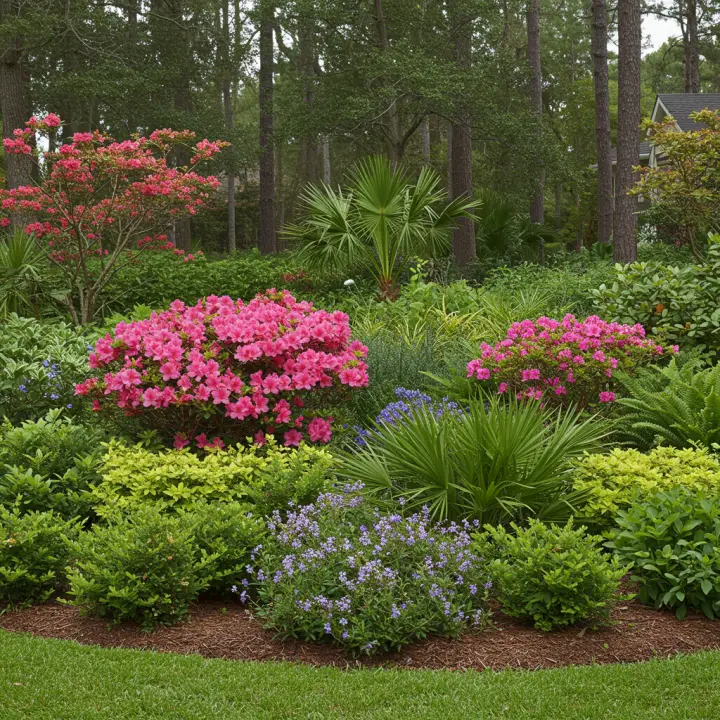
Unlock the Beauty: Why Choose Northeast Florida Plants?
Creating a beautiful landscape in Northeast Florida involves more than just picking pretty plants. It means selecting species that naturally thrive in our sandy soils, humid climate, and specific sunlight conditions. When you opt for native or well-adapted plants, you’re not just planting a garden; you’re building a resilient ecosystem that offers numerous benefits:
Low Maintenance: These plants are designed for our environment, meaning less watering, less fertilizing, and less pest control once established.
Drought Tolerance: Many native plants are naturally drought-tolerant, significantly reducing your water bill and environmental footprint.
Supports Local Wildlife: Native plants provide essential food and shelter for local pollinators, birds, and other beneficial creatures, enhancing your garden’s biodiversity.
Disease & Pest Resistance: Having evolved in this region, native plants often possess a natural resistance to common local pests and diseases.
Cost-Effective: Less maintenance translates to savings on water, fertilizers, and replacement plants over time.
Vibrant & Versatile: Top Shrubs for Easy Landscaping
Shrubs form the backbone of many landscapes, providing structure, privacy, and continuous interest. These Northeast Florida favorites are both stunning and simple to care for:
Firebush (Hamelia patens): A hummingbird magnet! This fast-growing native features vibrant red-orange tubular flowers that bloom almost year-round. It’s heat-tolerant and thrives in full sun to partial shade.
Coontie Palm (Zamia integrifolia): An ancient native cycad, the Coontie offers a tropical, fern-like texture. It’s incredibly drought-tolerant and a vital host plant for the Atala butterfly. Perfect for shaded areas or as an understory plant.
Walter’s Viburnum (Viburnum obovatum): A versatile native shrub that can be shaped into a hedge or left to grow naturally. It boasts small white flowers in spring and attractive red berries, providing year-round interest and food for birds.
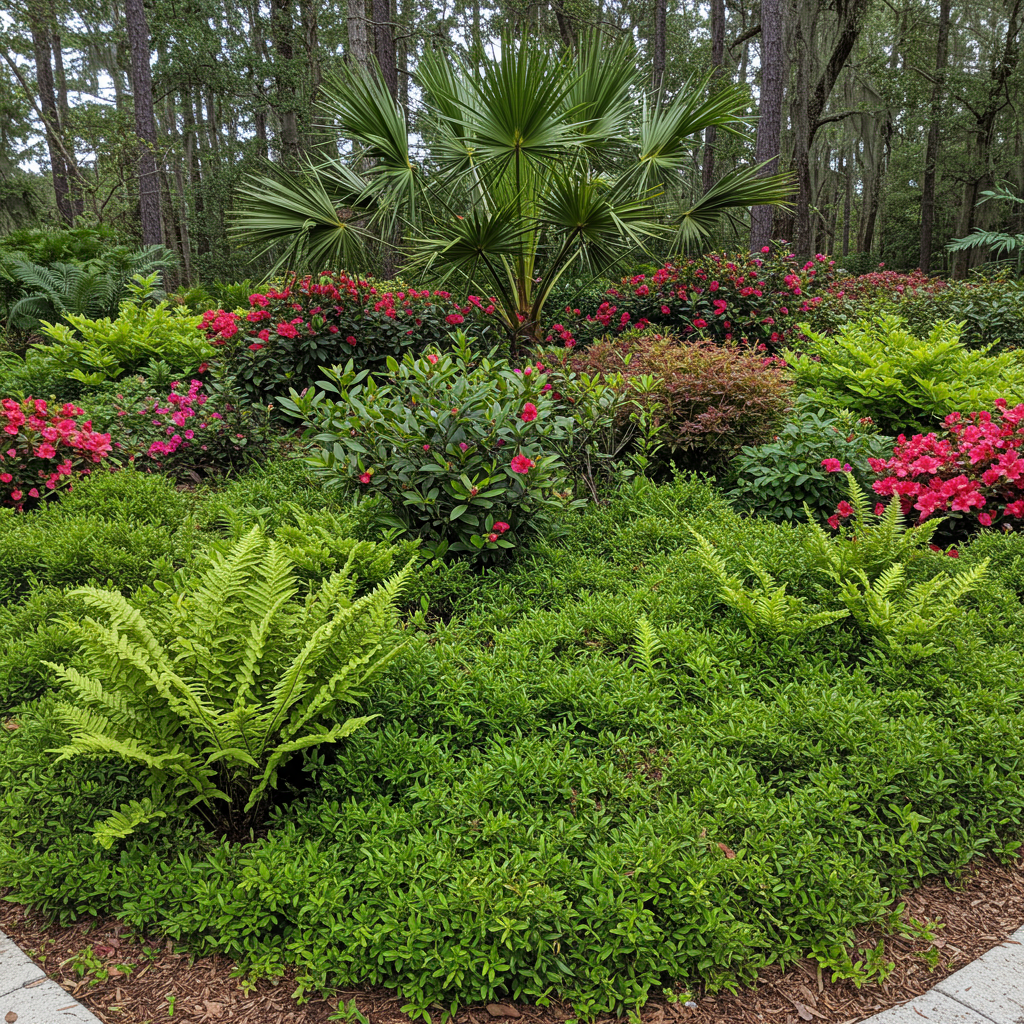
Saw Palmetto (Serenoa repens): An iconic Florida native, this tough plant is extremely drought, salt, and fire tolerant. It offers unique fan-shaped leaves and provides excellent habitat and food for wildlife.
Blooms & Groundcovers: Perennials That Pop
Add splashes of color and cover bare ground with these easy-to-grow Northeast Florida perennials and groundcovers:
Sunshine Mimosa (Mimosa strigillosa): A delightful groundcover with fern-like leaves that close when touched and small, fluffy pink flowers. It’s incredibly drought-tolerant, handles full sun, and spreads nicely without being aggressive.
Dune Sunflower (Helianthus debilis): Perfect for sunny spots, especially in sandy or coastal areas. This native produces an abundance of bright yellow, daisy-like flowers that attract butterflies and bees. It’s fast-growing and very hardy.
Tropical Sage (Salvia coccinea): With its spikes of vibrant red, pink, or white flowers, Tropical Sage is a true pollinator powerhouse. It’s easy to grow from seed, tolerates various conditions, and provides continuous blooms throughout the warmer months.
Lanceleaf Coreopsis (Coreopsis lanceolata): Florida’s state wildflower! This native perennial offers cheerful yellow, daisy-like flowers that bloom in spring and summer. It’s drought-tolerant, attracts butterflies, and thrives in full sun.
Reaching for the Sky: Easy Trees for Northeast Florida
Trees provide shade, privacy, and a sense of permanence to your landscape. Choose these hardy options for long-term enjoyment:
Red Maple (Acer rubrum): A beautiful native shade tree known for its striking red fall foliage, even in warmer climates. It adapts well to various soil conditions and provides valuable habitat.
Sweetbay Magnolia (Magnolia virginiana): A smaller, more adaptable native magnolia than its southern cousin. It features fragrant white flowers in late spring/early summer and attractive silvery-green leaves. It prefers moist to wet soils but tolerates average conditions once established.
Southern Red Cedar (Juniperus virginiana): An excellent evergreen native for screening or as a specimen tree. It’s incredibly tough, tolerates a wide range of soils and conditions (including salt spray), and its berries are a favorite food for birds.
Live Oak (Quercus virginiana): While it needs ample space, no list of Florida trees is complete without the majestic Live Oak. Iconic, long-lived, and providing dense shade, it’s a testament to Florida’s natural beauty. Consider its size carefully before planting.
Designing Your Easy Northeast Florida Landscape
Thoughtful planning can make your landscape even more successful:
1. Assess Your Site: Understand your yard’s sun exposure (full sun, partial shade, full shade), soil type (sandy, loamy, wet), and existing drainage.
2. Right Plant, Right Place: Match plants to their ideal conditions. Don’t force a sun-lover into shade or a moisture-lover into dry, sandy soil.
3. Group by Needs: Place plants with similar water and sunlight requirements together. This makes watering more efficient and helps all your plants thrive.
4. Consider Mature Size: Always research how large a plant will grow. This prevents overcrowding and costly removals later.
5. Layer Your Landscape: Combine shrubs for structure, perennials for color, and groundcovers for texture at different heights to create visual interest.
6. Think Seasonally: Choose plants that offer interest throughout the year—different bloom times, evergreen foliage, or attractive berries.
Caring for Your Easy Northeast Florida Plants
Even easy-care plants need a little attention to get established:
Initial Watering: Water newly installed plants regularly until their root systems are well-established, typically for the first 3-6 months.
Mulch: Apply a 2-3 inch layer of organic mulch (pine bark, pine straw) around your plants. This helps retain moisture, suppress weeds, and regulate soil temperature.
Pruning: Most native plants require minimal pruning. Remove dead or damaged branches, or prune lightly to maintain shape if desired.
Fertilizer: Native and well-adapted plants generally require little to no fertilization once established, especially in good soil. If needed, use a slow-release, organic fertilizer sparingly.
Observation: Regularly inspect your plants for signs of stress, pests, or disease. Early detection makes treatment easier.
Frequently Asked Questions about Northeast Florida Plants
Q1: What are the main benefits of choosing native plants in Northeast Florida?
A1: Native plants are naturally adapted to the local climate and soil, making them low-maintenance, drought-tolerant, and resistant to local pests and diseases. They also provide crucial habitat and food sources for local wildlife, supporting biodiversity.
Q2: Do I still need to water native plants?
A2: Yes, initially. Native plants need regular watering during their establishment period (the first few months after planting) to develop strong root systems. Once established, most native plants are highly drought-tolerant and require significantly less supplemental watering than non-native species.
Q3: Can Northeast Florida plants attract butterflies and hummingbirds?
A3: Absolutely! Many native plants are excellent for attracting pollinators. Firebush, Tropical Sage, Dune Sunflower, and various Coreopsis species are just a few examples that will bring these beautiful creatures to your garden.
Q4: Are there good salt-tolerant plant options for coastal Northeast Florida?
A4: Yes, numerous native plants thrive in salty conditions. Examples include Dune Sunflower, Saw Palmetto, Southern Red Cedar, Sea Oats, and various Yaupon Hollies.
Q5: Where can I buy native Northeast Florida plants?
A5: You can often find native plants at local independent nurseries that specialize in Florida-friendly landscaping. Botanical gardens and nature centers in the region may also host native plant sales or provide lists of recommended suppliers.
Conclusion: Cultivate Beauty with Ease
Embracing Northeast Florida plants for your landscaping is a wise choice, offering a harmonious blend of stunning beauty and effortless maintenance. By selecting species naturally suited to our region, you create a vibrant, resilient garden that saves you time and resources while contributing positively to the local ecosystem. Start exploring the incredible diversity of our local flora, and transform your outdoor space into a thriving sanctuary you’ll cherish for years to come.