Picture this: a warm Central Florida afternoon, a gentle breeze rustling through leaves, and the sweet promise of ripe mangoes hanging from your own tree. Dreaming of fresh, homegrown fruit? You’re not alone! Many Floridians dream of cultivating these tropical delights. Finding the best mango tree to grow in central florida requires a little research to ensure success. This guide provides detailed information on varieties suited to the region, and how to successfully grow them. You’ll gain valuable knowledge to choose the right tree, from selecting the ideal cultivar to practical care tips, making your backyard mango dreams a delicious reality. You’ll also learn the essential elements to help your mango tree thrive.
The 10 Best Mango Trees for Central Florida
Central Florida’s climate offers a unique opportunity to cultivate a variety of delicious mango trees, provided you choose the right cultivars. The region’s warm temperatures and occasional winter dips require a careful selection process, focusing on varieties that demonstrate cold hardiness and disease resistance. This guide will take you through a curated list of ten top-performing mango trees, each specifically chosen for their suitability to Central Florida’s environmental conditions. You will explore various flavors, sizes, and care needs to find the perfect mango tree to enhance your home garden. From the popular ‘Tommy Atkins’ to the less-common but equally flavorful options, discover the possibilities awaiting you! This list focuses on varieties that can withstand typical Central Florida conditions, ensuring a bountiful harvest year after year. Let’s explore the best selections for your garden.
1. Tommy Atkins Mango
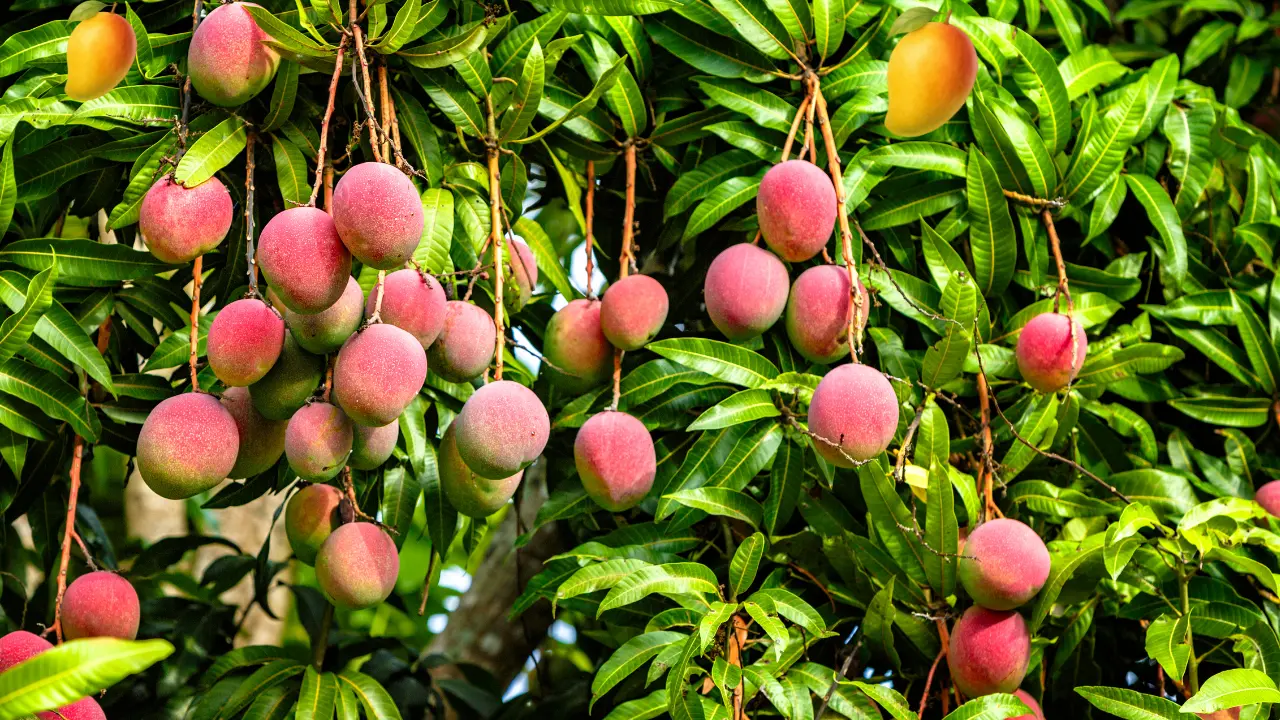
The Tommy Atkins mango is the most widely planted commercial mango cultivar in the world, and for good reason! It’s a reliable producer, known for its vibrant red and yellow skin and fibrous, sweet flesh. This variety is relatively cold-hardy compared to many other mangoes, making it a good choice for Central Florida. It is important to note that the flavor is not as complex as some other varieties. This can be one of the best best mango tree to grow in central florida.
Key Features of Tommy Atkins:
- Appearance: The fruit is large, oval-shaped, and develops a beautiful red blush with yellow patches when ripe.
- Flavor Profile: Sweet with a slightly acidic tang, and a noticeable amount of fiber.
- Cold Tolerance: Considered moderately cold-hardy, it can withstand brief periods of freezing temperatures, especially once established.
- Production: Produces large quantities of fruit, typically in the summer months.
The Tommy Atkins mango tree generally reaches a height of 20-30 feet, making it a medium-sized tree. Its adaptability makes it a popular choice for both home gardens and commercial orchards. Because it’s a hardy variety, it can handle slight frosts. You can expect fruit production to begin in 3-5 years after planting. The Tommy Atkins mango has strong disease resistance. To encourage fruit production, make sure the tree receives adequate sunlight and well-draining soil. It is also good to protect the tree from strong winds, especially when young, by planting it in a sheltered area. Be aware of the fibrous texture of the fruit. This can be a turn-off for some consumers, but it’s a minor trade-off for its ease of growth and productivity.
2. Kent Mango
The Kent mango is highly regarded for its excellent flavor and quality. This variety produces large, oval-shaped fruit with a rich, sweet, and non-fibrous flesh. It has a complex flavor profile that many consider superior to the Tommy Atkins. While not as cold-hardy as the Tommy Atkins, it still performs well in Central Florida with proper care and protection, making it a wonderful addition to your garden and one of the best mango tree to grow in central florida.
Key Characteristics of Kent Mango:
- Fruit Quality: Exceptional flavor with a smooth, non-fibrous texture, making it great for eating fresh.
- Appearance: The fruit has a dark red blush with green and yellow patches, often reaching a large size.
- Cold Sensitivity: More sensitive to cold than Tommy Atkins, requiring more protection during freezes.
- Harvest Time: Typically ripens in late summer, extending the mango season.
The Kent mango tree usually reaches a height of 25-35 feet, forming a rounded canopy. Its growth is vigorous, and it can begin bearing fruit in 3-5 years. To thrive, the Kent mango needs well-drained soil, regular watering, and protection from frost, particularly when young. Mulching around the base of the tree can help retain moisture and regulate soil temperature. It will need protection if temperatures drop to 32 degrees Fahrenheit or lower. Regular fertilization is important. This helps provide the nutrients needed to support healthy growth and a good harvest. The taste and texture will make it a crowd-pleaser.
3. Glenn Mango
Glenn mangoes are known for their bright yellow and red skin, and their excellent taste. This variety is highly regarded for its rich, sweet flavor and aromatic qualities. It is well-suited for Central Florida gardens, especially in areas with slightly better cold protection. This makes it a great choice when looking for the best mango tree to grow in central florida.
Glenn Mango Highlights:
- Fruit Appearance: Beautiful golden-yellow skin with a red blush, often with a slight beak at the end.
- Flavor Profile: Rich, sweet taste with a hint of citrus and a very pleasant aroma.
- Cold Tolerance: More cold-sensitive than Tommy Atkins, it needs protection during colder weather.
- Fruit Quality: Excellent eating quality with minimal fiber and a smooth texture.
The Glenn mango tree is a medium-sized tree, typically reaching a height of 20-25 feet. It can start producing fruit within 3-5 years after planting. This variety needs a sunny location and well-drained soil to do well. Protecting it from cold weather is important, especially during the first few years. Regular pruning will help maintain its shape. The taste of the Glenn mango is very appealing and it can be a great choice for home use. The fruit is easy to eat and its unique flavor makes it a favorite among mango lovers. Consider the need for frost protection when planting. This will help protect your tree during winter freezes.
4. Haden Mango
The Haden mango is a classic variety, and a parent of many popular mango cultivars, including Tommy Atkins. It’s known for its vibrant red skin with yellow and green accents, and its flavorful flesh. This tree has proven to be adaptable to Central Florida’s climate, making it a good choice. This is another contender for the best mango tree to grow in central florida, especially for those who appreciate a slightly more complex flavor.
Haden Mango Characteristics:
- Fruit Color: Stunning red blush over a yellow and green background.
- Taste: Sweet with a pleasant, slightly spicy undertone.
- Cold Hardiness: Moderate cold hardiness, similar to Glenn.
- Production: Produces large crops, especially when mature.
The Haden mango tree is moderately sized, reaching up to 25-30 feet tall. It is able to begin producing fruit within 3-5 years. To maintain good fruit production, it needs a sunny location and well-drained soil. It also requires the same cold protection as Glenn mangoes. Pruning is key for managing the tree’s shape and to allow for air circulation. The Haden mango is also known for its good disease resistance, which makes it a good option. The flavor is slightly more complex compared to Tommy Atkins. The tree’s aesthetic appeal adds to its value as a landscaping choice. Its adaptability and delicious fruit make it a popular selection.
5. Valencia Pride Mango
The Valencia Pride mango is a late-season variety that is highly prized for its exceptional flavor and lack of fiber. It is a good selection for Central Florida gardens. The fruit is large and colorful, making it a beautiful addition to any landscape. This can be the best mango tree to grow in central florida for the right conditions.
Valencia Pride Mango Features:
- Fruit Features: Large, with a beautiful blend of red, orange, and yellow hues.
- Flavor: Rich, sweet taste with a smooth texture and very little fiber.
- Cold Sensitivity: More cold-sensitive than Tommy Atkins, but can do well with proper care.
- Harvest Time: Ripens in late summer or early fall, extending the harvest season.
The Valencia Pride mango tree is a moderately sized tree, reaching a height of approximately 25 feet. It usually begins to bear fruit within 3-5 years after planting. It thrives in well-drained soil and needs plenty of sunlight. Winter protection is a necessity in colder years. Pruning can help manage the tree’s size and improve fruit production. The fruit is delicious and known for its non-fibrous texture. It also extends the availability of fresh mangoes. The Valencia Pride is a wonderful addition to any Florida garden for its late-season harvest. Be prepared to provide winter protection during freezing weather to help it succeed.
6. Edward Mango
The Edward mango is highly prized for its excellent flavor and overall eating quality. The fruit is known for its rich, sweet taste and creamy texture with very little fiber. This variety is generally considered a good choice for Central Florida gardens. It is also a good choice to find the best mango tree to grow in central florida.
Key Qualities of Edward Mango:
- Appearance: The fruit is oval-shaped, with a beautiful yellow skin and a red blush when ripe.
- Flavor Profile: The taste is exceptionally sweet and creamy, with a smooth, non-fibrous texture.
- Cold Tolerance: Moderately cold-hardy, although it requires protection during freezing weather.
- Ripening: Ripens in mid-season, usually during the summer.
The Edward mango tree typically grows to a height of about 20-30 feet. It is able to start producing fruit within 3-5 years. This tree performs best in a sunny location and well-drained soil. Regular watering during the growing season is beneficial, and frost protection is needed during winter. Pruning will improve air circulation and sunlight exposure. The flavor and smooth texture make this variety a favorite among mango lovers. It is also good for those with sensitive palates. Consider the care requirements. This will help you decide if it is a suitable choice for your yard. Your taste buds will thank you for the wonderful experience the Edward mango will provide.
7. Coconut Cream Mango
Coconut Cream mangoes are a newer variety, and quickly gaining popularity for their unique flavor profile. This mango is noted for its sweet taste. It also has a creamy texture, and a subtle hint of coconut, hence the name. The tree is generally well-suited for Central Florida gardens, especially if given some protection from cold. This can be the best mango tree to grow in central florida for those who enjoy the exotic flavor.
Highlights of the Coconut Cream Mango:
- Flavor: The taste is incredibly sweet, with a distinct creamy texture and a faint coconut flavor.
- Appearance: The fruit’s skin is typically a mix of yellow and green when ripe.
- Cold Sensitivity: Moderately cold-hardy, requiring some winter protection.
- Production: Produces a good crop when mature, with fruit available during the summer.
The Coconut Cream mango tree grows to a medium size, generally reaching a height of 20-25 feet. It is able to start bearing fruit within 3-5 years after planting. To thrive, this variety needs full sun and well-drained soil. It also benefits from regular watering and protection during cold snaps. Pruning helps to maintain its shape and improve fruit production. The unique flavor of the Coconut Cream mango offers a refreshing change from the standard taste. Its creamy texture and hint of coconut make it a great selection for anyone looking to grow mangoes. Consider the protection it may need during colder months. The exotic flavor profile makes it a standout choice for your home garden.
8. Lancetilla Mango
Lancetilla is a lesser-known variety that produces large, flavorful fruit with very little fiber. This mango has gained recognition for its impressive size and exceptional taste. It is an excellent choice for Central Florida gardens. Choosing the best mango tree to grow in central florida can be challenging, but this one is an excellent choice for a variety of reasons.
Key Features of Lancetilla:
- Size: Produces very large fruit, often weighing over a pound each.
- Flavor: The taste is rich, sweet, and complex, with minimal fiber.
- Cold Tolerance: More cold-sensitive, requires protection.
- Production: Can produce large quantities of fruit, if cared for properly.
The Lancetilla mango tree is a substantial grower. It can reach heights of 30 feet or more. The tree will begin to fruit within 3-5 years after planting. It demands full sun exposure and well-drained soil. Frequent watering during dry periods is also necessary. Protection during cold snaps is extremely important. Regular pruning helps to maintain shape. The large size of the fruit and its delicious taste make it a very desirable choice. The size and quality are something to consider when selecting a mango tree. Take into account the climate needs. This ensures your tree thrives and produces great fruit.
9. Julie Mango
Julie mangoes are a popular Caribbean variety known for their small size. It is also known for their intense sweetness and fiber content. It’s well-regarded for its exceptional flavor. Although this is not one of the easiest to grow, it is a rewarding choice in Central Florida with the correct care, which makes it worthy of the best mango tree to grow in central florida.
Key Details of Julie Mango:
- Size: The fruit is small to medium-sized.
- Flavor: The taste is intensely sweet and aromatic. It can be complex.
- Fiber Content: High in fiber, which is characteristic of the variety.
- Cold Tolerance: Moderately cold-hardy, but it needs good protection when young.
The Julie mango tree is of small stature, usually reaching 15-20 feet in height. It can begin to fruit within 2-4 years after planting. This variety needs full sun and well-drained soil. It also needs protection from cold and frost. Pruning is key to manage its size and to improve fruit production. The intense sweetness and unique taste make it a favorite for many. Be prepared for a higher-fiber experience compared to other options. This will help you appreciate its distinctive taste. The Julie mango can provide a flavorful harvest. You will have to provide extra care during the cold season.
10. Nam Doc Mai Mango
Nam Doc Mai mangoes are an extremely popular variety in Southeast Asia, appreciated for their excellent flavor. This mango is known for its long, slender shape and honey-sweet taste. The tree can be a success in Central Florida gardens with the right care. It may be the best mango tree to grow in central florida, especially for those seeking a unique flavor and shape.
Nam Doc Mai Mango Highlights:
- Fruit Form: The fruit is long and slender.
- Flavor Profile: The taste is sweet, with a hint of honey, and a smooth texture.
- Cold Tolerance: Needs a warm climate.
- Harvest Time: Ripens in the summer.
The Nam Doc Mai mango tree generally grows to a medium size, approximately 20-25 feet tall. It can start fruiting in 3-5 years after planting. This mango tree needs full sun and well-drained soil. It needs protection from any cold weather. Regular watering during the growing season will help it thrive. Proper pruning will allow for good air circulation and sunlight exposure. The tree’s shape, texture, and taste are attractive. This fruit is a favorite among mango enthusiasts. It is also a good choice for gardens. Make sure to provide protection from any cold snaps and to enjoy the unique flavor of the Nam Doc Mai mango.
Key Considerations for Growing Mango Trees in Central Florida
To successfully cultivate mango trees in Central Florida, several key factors come into play. Understanding these elements will significantly increase your chances of a bountiful harvest. These considerations will assist you in having the best mango tree to grow in central florida.
1. Climate and Cold Protection
- Cold Hardiness: Choose varieties known for their tolerance to cooler temperatures. While Central Florida offers warm weather, occasional freezes can damage or kill mango trees.
- Protection Strategies: Have a plan ready for cold snaps. This could include covering young trees with blankets or tarps, using heat lamps, or planting them near a building for added shelter.
- Microclimates: Take advantage of microclimates in your yard. Planting near a south-facing wall or in a protected area can help shield trees from cold winds and frost.
Central Florida’s climate can fluctuate. Be sure to select mango varieties that are suited to the region’s climate. Be prepared to implement protection strategies for cold snaps, particularly for younger trees. Evaluate microclimates within your yard. This will allow you to make the most of warmer pockets. This could be in areas near buildings or along walls.
2. Soil and Planting
- Soil Drainage: Mango trees need well-drained soil to prevent root rot. Heavy clay soils are not ideal. Amend the soil with organic matter. This will help improve drainage.
- Sunlight: Mango trees need at least 6-8 hours of direct sunlight daily for optimal fruit production.
- Planting Location: Plant your tree in a location protected from strong winds. Make sure you leave enough space for the tree to grow to its mature size.
Proper soil and planting methods are also important for successful mango production. Improve soil drainage and plant in a sunny location. Plant the tree in a location away from strong winds and where it will have room to grow. These factors greatly contribute to the tree’s overall health and fruit yields. The best mango tree to grow in central florida also depends on the proper planting methods.
3. Watering and Fertilizing
- Watering: Water young trees regularly, especially during dry periods. Once established, they are more drought-tolerant.
- Fertilizing: Use a balanced fertilizer specifically formulated for mango trees. Follow the instructions on the product label and fertilize during the growing season.
- Mulching: Use mulch around the base of the tree to retain moisture. Be sure to control weeds, and help regulate soil temperature.
Proper watering, fertilizing, and mulching are key components of mango tree care. Provide regular water, especially during the initial stages. Use a balanced fertilizer to support healthy growth and fruit production. Mulch around the tree to retain moisture and control weeds. This will help your tree stay healthy and productive, and find the best mango tree to grow in central florida.
4. Pruning and Pest Control
- Pruning: Prune your mango tree annually. This will maintain its shape, and promote good air circulation, and fruit production. Remove any dead or diseased branches.
- Pest Control: Be vigilant for common mango pests. These include mango scale, mites, and fruit flies. Use appropriate pest control methods when needed.
- Disease Management: Look out for diseases such as anthracnose. Practice good sanitation. Use fungicides if necessary.
Pruning, pest control, and disease management are essential for maintaining the health and productivity of your mango tree. Prune annually to encourage air circulation and fruit growth. Inspect for pests and diseases. Manage any issues by using proper pest control methods. Proactive care will guarantee a healthy tree.
5. Choosing the Right Variety
- Flavor Preference: Consider your preferred flavor profile. Do you like a sweet, tart, or complex taste?
- Cold Tolerance: Assess your local microclimate and choose a variety accordingly.
- Fruit Quality: Consider the texture, size, and fiber content of the fruit.
Choosing the right variety is the first step in successful mango cultivation. Look at the flavors, cold tolerance, and fruit qualities. Match the tree to your preferences and conditions. Be mindful of your local climate and personal taste. You can find the best choice by doing your research.
Common Myths Debunked
Myth 1: Mango Trees Can Grow Anywhere in Central Florida
Reality: While Central Florida offers a favorable climate for mango cultivation, not all areas are created equal. Mango trees have their unique needs. The location should offer protection from freezes and have well-drained soil. You may need to select varieties that are best suited to your area. This will determine if it is the best mango tree to grow in central florida.
Myth 2: Mango Trees Require Constant Watering
Reality: Young mango trees require regular watering to establish strong roots. Once established, they can tolerate periods of drought. Overwatering can lead to root rot. Well-established trees need less frequent watering. You should always ensure the soil has adequate drainage. It is important to know the watering needs of your tree.
Myth 3: All Mangoes Taste the Same
Reality: There are hundreds of mango varieties, and each has its unique flavor profile. Some mangoes are sweet with a smooth texture. Others are tangier, or have fibrous flesh. Choosing the right mango variety is like choosing a wine. It is all about personal preference. There are a variety of tastes and textures that you will want to consider.
Myth 4: Mango Trees Are Immune to Pests and Diseases
Reality: Like other fruit trees, mango trees can be affected by pests and diseases. Common issues include scale, mites, and anthracnose. Routine inspection and preventive measures like pruning and proper sanitation will help control these issues. Proper care is important in any garden setting.
Myth 5: You Can’t Grow Mangoes in Pots
Reality: Dwarf or semi-dwarf mango varieties can be grown in large containers. This is an excellent option for those with limited space or who want to move their trees indoors. This offers freeze protection. It is important to select the right pot size. Use well-draining potting mix, and make sure to fertilize and water regularly. Proper care will allow you to enjoy homegrown mangoes, even without a yard.
Frequently Asked Questions
Question: How long does it take for a mango tree to produce fruit?
Answer: It usually takes 3-5 years for a mango tree to start producing fruit. The exact time can vary depending on the variety, care, and growing conditions.
Question: What’s the best way to protect mango trees from cold?
Answer: During freezes, cover young trees with blankets or tarps. You can also use heat lamps or Christmas lights to provide warmth. Plant them in sheltered areas of your yard, such as near a building or wall.
Question: What type of soil do mango trees need?
Answer: Mango trees need well-drained soil. Heavy clay soil can cause root rot. Adding organic matter to the soil can improve drainage. The soil should be slightly acidic to neutral (pH 6.0-7.0).
Question: How often should I fertilize my mango tree?
Answer: Fertilize your mango tree during the growing season (spring and summer) using a balanced fertilizer designed for mangoes. Follow the directions on the product label. Young trees should be fertilized more frequently. Mature trees need less fertilizer.
Question: How do I know when my mangoes are ripe?
Answer: Ripe mangoes will have a distinct color. They will often have a pleasant aroma. The fruit will also feel slightly soft when gently squeezed. The ripening time can vary based on the mango variety.
Final Thoughts
Choosing the best mango tree to grow in central florida requires knowledge and preparation. Select a variety that suits your taste. Consider the climate of your location. The Tommy Atkins, Kent, and Glenn mangoes are all great choices. Remember that cold protection is essential during winter. By giving your tree proper care and attention, you can harvest fresh mangoes. The process is rewarding. The taste of your own homegrown fruit will be unmatched. Follow the guidelines and enjoy the process of growing your own mangoes! You can enjoy a taste of the tropics right in your backyard. The effort will be worth it as you savor the fruits of your labor.