This Florida vegetable planting guide provides comprehensive information on the best times and essential tips for planting and growing a thriving vegetable garden in Florida’s unique subtropical climate. From choosing the right vegetables to understanding Florida’s distinct growing seasons, this guide will help you achieve a bountiful harvest.
Introduction to Vegetable Gardening in Florida
Florida’s subtropical climate presents both opportunities and challenges for vegetable gardeners. The long growing season allows for multiple harvests, but the heat, humidity, and distinct wet and dry seasons require careful planning and execution. This guide will equip you with the knowledge to navigate these conditions and create a thriving garden.

Understanding Florida’s Growing Seasons
Florida’s growing season is generally divided into two main periods:
Warm Season (Spring/Summer)
The warm season, spanning from spring to summer, is characterized by high temperatures and humidity. This period is ideal for growing heat-loving vegetables like tomatoes, peppers, beans, squash, and corn.
Spring Planting (February-April): Begin planting warm-season crops as the last frost passes. Pay close attention to soil temperatures, which should ideally be above 60°F (15°C).
Summer Planting (May-September): Continue planting succession crops to ensure a continuous harvest throughout the summer. Focus on heat-tolerant varieties and provide adequate shade during the hottest parts of the day.
Cool Season (Fall/Winter)
The cool season, from fall to winter, offers milder temperatures and lower humidity. This is the perfect time for cool-season vegetables such as broccoli, cauliflower, lettuce, carrots, and peas.
Fall Planting (September-November): Start planting cool-season crops as temperatures begin to cool down. Prepare the soil by adding compost or other organic matter to improve drainage and fertility.
Winter Planting (December-February): Continue planting cool-season crops, taking precautions against occasional frosts. Consider using row covers or cold frames to protect delicate plants.
Choosing the Right Vegetables for Florida
Selecting the right vegetables is crucial for success in Florida gardening. Consider the following factors:
Vegetable Selection by Season
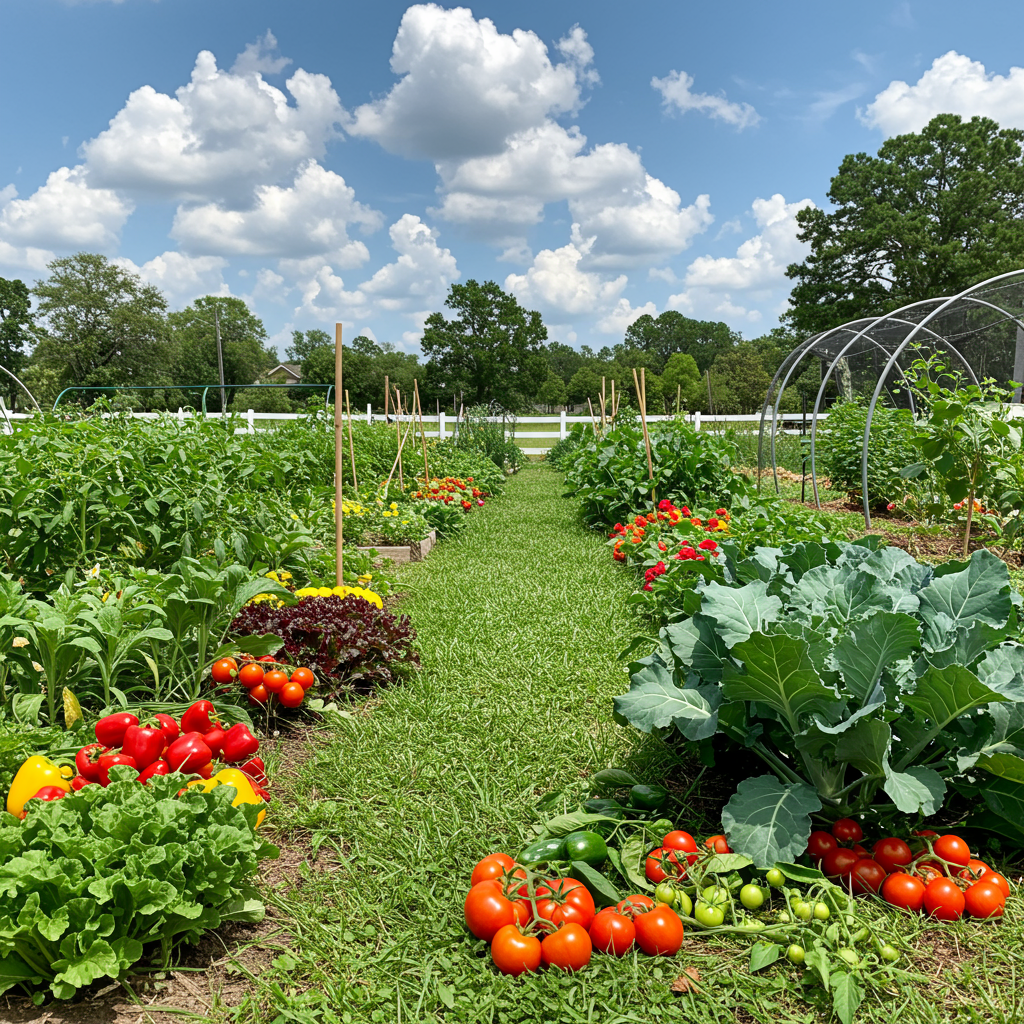
Warm Season: Tomatoes, peppers, eggplant, beans, squash, cucumbers, melons, corn, okra.
Cool Season: Broccoli, cauliflower, cabbage, kale, lettuce, spinach, carrots, radishes, peas, beets.
Matching Vegetables to Your Space
Small Spaces: Bush beans, compact cucumbers, patio tomatoes, peppers, herbs, radishes.
Large Gardens: Vining crops like melons and squash, corn, sweet potatoes, watermelons.
Essential Tips for Florida Vegetable Gardening
Successful vegetable gardening in Florida requires specific strategies to address the unique climate and growing conditions.
Soil Preparation
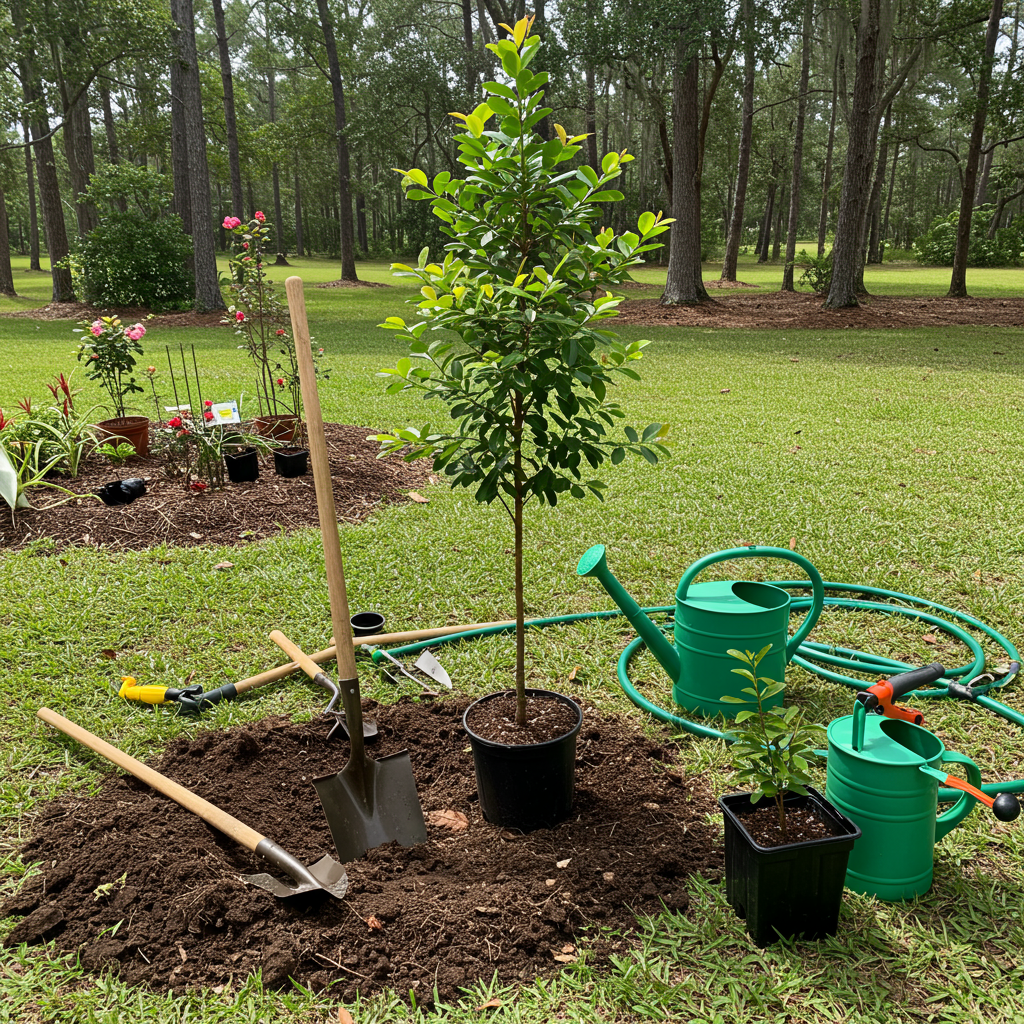
Amend with Organic Matter: Florida soils are often sandy and lack nutrients. Improve soil structure and fertility by incorporating compost, manure, or other organic matter.
Proper Drainage: Good drainage is essential to prevent root rot. Amend clay soils with organic matter to improve drainage. Raised beds or containers can also help.
Soil Testing: Test your soil’s pH and nutrient levels to determine if amendments are needed.
Watering and Irrigation
Consistent Watering: Water deeply and regularly, especially during the dry season. Monitor soil moisture to avoid overwatering or underwatering.
Mulching: Apply a layer of mulch around plants to conserve moisture, suppress weeds, and regulate soil temperatures.
Efficient Irrigation: Consider drip irrigation or soaker hoses for efficient watering and to minimize water waste.
Pest and Disease Control
Integrated Pest Management: Implement preventative measures like crop rotation, companion planting, and introducing beneficial insects to minimize pest problems.
Disease Prevention: Select disease-resistant varieties and practice good sanitation to prevent the spread of diseases.
Natural Pest Control: Use natural pesticides like neem oil or insecticidal soap to control pests if necessary.
Fertilizing
Balanced Fertilizer: Choose a balanced fertilizer formulated for vegetables. Follow the instructions carefully to avoid over-fertilizing.
Side-Dressing: Apply fertilizer along the sides of the rows throughout the growing season to provide a continuous nutrient supply.
Foliar Feeding: Supplement soil fertilization with foliar feeding, which delivers nutrients directly to the leaves for faster absorption.
FAQs: Florida Vegetable Gardening
Here are some frequently asked questions about vegetable gardening in Florida:
Q: When is the best time to plant tomatoes in Florida? A: The best time to plant tomatoes in Florida is late winter/early spring (February-April) and again in the fall (September-November).
Q: How can I protect my plants from the intense Florida sun? A: Provide shade cloth or plant taller crops to offer shade during the hottest parts of the day.
Q: What are some common pests in Florida gardens, and how can I control them? A: Common pests include aphids, whiteflies, and nematodes. Implement integrated pest management strategies like beneficial insects, crop rotation, and natural pesticides.
Q: What are the best vegetables to grow in Florida during the winter? A: Cool-season vegetables like broccoli, cauliflower, lettuce, carrots, and peas thrive in Florida’s mild winters.
* Q: How can I improve the drainage in my heavy clay soil? A: Amend the soil with organic matter like compost or consider building raised beds or using containers.
Conclusion
Growing vegetables in Florida presents unique challenges and rewards. By understanding the state’s distinct growing seasons, selecting appropriate vegetables, and implementing the tips outlined in this guide, you can create a thriving vegetable garden and enjoy a bountiful harvest year-round. With careful planning and dedication, you can experience the satisfaction of growing your own fresh, delicious produce right in your backyard.