If you’re ready to enjoy juicy, homegrown tomatoes right from your own garden, choosing the right varieties for Central Florida is key. The unique climate here means not all tomatoes will thrive, but with the best picks, you can grow flavorful, healthy fruit despite the heat and humidity.
Whether you want a bountiful fall harvest or fresh tomatoes in early summer, knowing which varieties handle Florida’s weather will save you time and frustration. Keep reading to discover the top tomato types that will flourish in your Central Florida garden and learn simple tips to maximize your success.
Your perfect tomato harvest is closer than you think!

Credit: pindersnursery.com
Planting Seasons
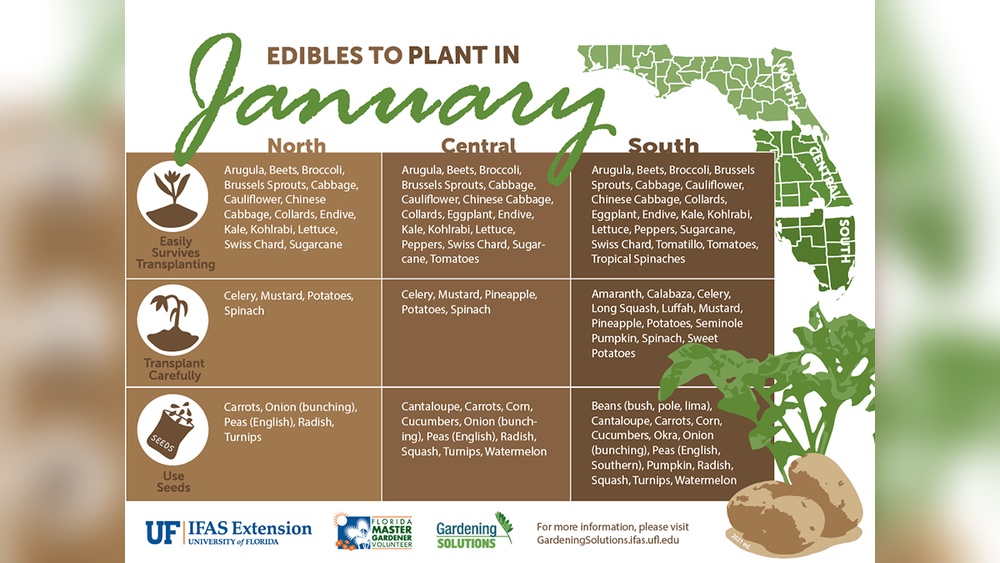
Tomatoes thrive best when planted during specific seasons in Central Florida. Proper timing helps plants avoid extreme heat and frost. It ensures strong growth and better fruit production. Understanding the planting seasons is key to a successful tomato harvest.
Late Summer For Fall Harvest
Plant tomatoes in late summer, around August or September. This timing lets plants grow as temperatures cool down. The cooler weather helps flowers set fruit more easily. It also avoids the harsh summer heat that can stop fruit from forming. Tomatoes planted now will produce fruit through fall and into winter. Choose heat-tolerant varieties to handle the warm days still common in early fall.
Spring Planting Window
Start planting tomatoes in mid-February to mid-March. This window uses mild spring temperatures after frost risk ends. Plants grow strong before the summer heat arrives. Protect young plants from possible early spring frost using covers or moveable containers. Pick varieties that can handle Florida’s heat once summer comes. This planting time leads to fresh tomatoes in late spring and early summer.
Choosing Varieties
Choosing the right tomato varieties is key for a successful garden in Central Florida. The climate here can be hot and humid. This means some types of tomatoes perform better than others. Picking varieties that handle heat, resist disease, and fit your taste helps you get the best results.
Focus on tomatoes that thrive in Central Florida’s unique conditions. Heat tolerance and disease resistance are top priorities. Cherry tomatoes also do well and offer sweet, bite-sized fruits. Let’s explore these categories to help you choose the best types for your garden.
Heat-tolerant Types
Tomatoes that handle heat well are essential in Central Florida. These varieties keep producing even during warm spells. Examples include ‘Solar Fire’, ‘Heatmaster’, and ‘Phoenix’. They resist flower drop caused by high temperatures. Choose these to enjoy a longer harvest season.
Cherry Tomatoes
Cherry tomatoes are small but mighty. They ripen quickly and tolerate heat better than larger types. Varieties like ‘Sweet 100’, ‘Sun Gold’, and ‘Juliet’ are popular choices. Their sweet flavor makes them perfect for salads and snacking. Plus, they often produce a large yield.
Disease-resistant Varieties
Central Florida’s humidity can cause tomato diseases. Selecting disease-resistant varieties reduces crop loss. Look for types labeled as resistant to fusarium wilt, verticillium wilt, and nematodes. ‘Celebrity’, ‘Better Boy’, and ‘Mountain Magic’ are reliable picks. These tomatoes stay healthier with less effort.
Growth Habits
Understanding tomato growth habits helps choose the right variety for Central Florida gardens. Growth habits affect plant size, fruit production, and care needs. Selecting between indeterminate and determinate types guides how you manage space and harvest.
Indeterminate Varieties
Indeterminate tomatoes grow tall and keep producing fruit all season. They can reach over six feet in height and require strong support. These plants need regular pruning to encourage airflow and healthy growth. Fruit appears gradually, giving a continuous harvest over many weeks. Indeterminate varieties suit gardeners with space and time for ongoing care. They thrive in Central Florida’s long growing season.
Determinate Varieties
Determinate tomatoes grow to a set size, usually three to four feet tall. They stop growing once fruit sets on the top bud. These plants produce most of their fruit in a short period. Determinate types need less pruning and are easier to manage in small spaces. They work well for container gardens or raised beds. Central Florida gardeners benefit from their compact size and concentrated harvest.
Soil And Location
Choosing the right soil and location is key to growing healthy tomatoes in Central Florida. Tomatoes need specific conditions to thrive. Understanding sunlight, soil quality, and drainage will help you grow the best tomatoes here.
Sunlight Requirements
Tomatoes need at least six to eight hours of direct sunlight daily. Full sun helps plants produce more fruit and strong stems. Avoid shady spots because they reduce yield and increase disease risks.
Soil Preparation
Start with rich, loose soil that drains well. Mix organic matter like compost or aged manure into the soil. This improves nutrients and soil texture. Test soil pH and keep it between 6.0 and 6.8 for best growth.
Drainage Needs
Good drainage prevents root rot and other problems. Avoid low spots where water collects after rain. Raised beds or mounds can improve drainage in heavy clay soils common in Central Florida.
Watering Techniques
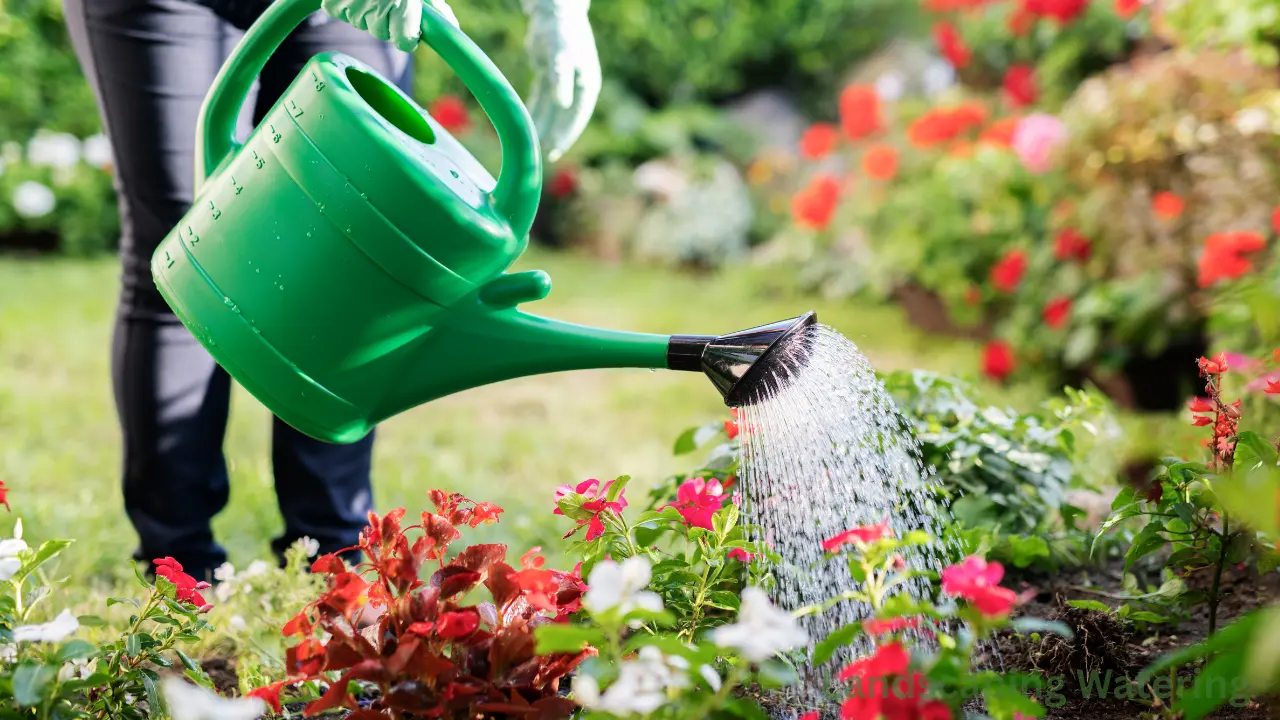
Proper watering is key to growing healthy tomatoes in Central Florida. The region’s sandy soil and warm climate demand careful water management. Using the right watering techniques helps plants develop strong roots and produce juicy fruit. Avoid stress caused by dry spells or waterlogged soil. Follow these simple watering tips to keep your tomato plants thriving.
Consistent Moisture
Tomatoes need steady moisture for best growth. Water the plants regularly to keep the soil evenly moist. Dry soil can cause fruit to crack or drop prematurely. Avoid letting the soil dry out completely between waterings. Check soil moisture by touching the top inch of soil. If it feels dry, it is time to water. Consistent moisture supports steady fruit development and reduces plant stress.
Drip Irrigation Benefits
Drip irrigation delivers water directly to the plant roots. This method saves water and reduces evaporation. It also keeps leaves dry, lowering the risk of fungal diseases. Drip systems provide slow, steady watering that tomatoes prefer. Installing drip irrigation helps maintain consistent moisture levels. It saves time and water, making it ideal for Central Florida gardeners.
Avoiding Overwatering
Too much water can harm tomato plants. Overwatering leads to root rot and weak plants. Waterlogged soil prevents roots from getting oxygen. Signs of overwatering include yellowing leaves and wilting. Water deeply but less often to encourage strong root growth. Ensure good drainage in your garden bed or containers. Proper watering balance helps tomatoes grow healthy and productive.

Credit: www.sandiaseed.com
Pest And Disease Management
Managing pests and diseases is key to growing healthy tomatoes in Central Florida. The region’s warm and humid climate encourages various pests and fungal problems. Protecting your plants early helps improve fruit yield and quality. Understanding common threats and prevention methods keeps your garden thriving.
Common Pests In Central Florida
Tomato plants in Central Florida face many pests. Aphids feed on leaves and spread diseases. Whiteflies cause leaf yellowing and weaken plants. Tomato hornworms are large caterpillars that eat leaves quickly. Spider mites create tiny webs and cause leaf spots. Regular checks help catch these pests early.
Disease Prevention Tips
Water tomato plants at the base to keep leaves dry. Avoid overhead watering to reduce fungal infections. Space plants properly for good air flow and sunlight. Remove dead or diseased leaves immediately. Rotate crops yearly to prevent soil-borne diseases. Clean garden tools between uses to stop disease spread.
Resistant Varieties
Choose tomato varieties that resist common diseases. Look for labels with “V” for Verticillium wilt resistance. “F” means resistance to Fusarium wilt. “N” shows tolerance to nematodes in soil. Cherry tomatoes often have better disease resistance. Selecting these varieties reduces the need for chemicals.
Supporting Plants
Supporting tomato plants is key to a healthy and productive garden. Tomatoes grow best when their stems and branches get proper support. Without support, plants may bend or break under the weight of fruits. Support also helps improve air flow around the plant. This reduces the risk of diseases common in Central Florida’s humid climate. Good support makes harvesting easier and keeps fruits cleaner. Below are simple, effective ways to support your tomato plants.
Staking And Pruning
Staking is a popular method to keep tomato plants upright. Use a strong wooden or metal stake about 6 feet tall. Drive the stake deep into the soil near the plant base. Tie the main stem loosely to the stake with garden twine or soft strips. Pruning helps direct the plant’s energy into fruit production. Remove small suckers that grow between main stem and branches. This prevents overcrowding and allows sunlight to reach all parts of the plant. Pruned plants stay healthier and produce larger tomatoes.
Using Cages And Trellises
Cages provide sturdy support for tomato plants. Wire tomato cages are easy to place around young plants. They hold branches up and prevent sprawling. Trellises are another great option, especially for indeterminate tomato varieties. Build a trellis from wood or metal and secure it firmly in the ground. Train tomato vines to grow vertically using soft ties or clips. Vertical growth saves space and improves air circulation. Both cages and trellises reduce fruit damage and keep plants neat.
Harvesting Tips
Harvesting your tomatoes at the right time ensures the best flavor and texture. Proper handling and storage keep your tomatoes fresh longer. Follow these simple tips to enjoy your homegrown tomatoes at their peak.
When To Pick Tomatoes
Pick tomatoes when they show full color. For red varieties, look for deep red skin. For yellow or orange types, wait for bright, even color.
The fruit should feel firm but slightly soft to the touch. Avoid picking green tomatoes unless you plan to ripen them indoors. Harvest in the morning when temperatures are cooler. This helps preserve flavor and firmness.
Handling And Storage
Handle tomatoes gently to avoid bruises. Use both hands when picking to support the fruit. Store tomatoes at room temperature, away from direct sunlight.
Do not refrigerate fresh tomatoes as cold can reduce flavor. Keep them stem side down to prevent moisture loss. Use ripe tomatoes within a few days for the best taste.

Credit: pindersnursery.com
Frequently Asked Questions
When Should I Plant Tomatoes In Central Florida?
Plant tomatoes in Central Florida in late summer (August-September) for fall harvest or mid-February for spring harvest. Choose heat-tolerant varieties and provide consistent moisture for best results.
Which Is Better, Roma Or San Marzano Tomatoes?
San Marzano tomatoes have a sweeter, less acidic flavor ideal for sauces. Roma tomatoes are meatier and firmer, great for canning and cooking. Choose based on taste preference and recipe needs.
What Is The Number One Best Tasting Tomato?
The number one best tasting tomato is the Brandywine. It offers rich, sweet, and complex flavors loved by gardeners and chefs.
Why Should You Sprinkle Baking Soda Around Your Tomato Plants?
Sprinkling baking soda around tomato plants helps prevent fungal diseases like powdery mildew. It creates an alkaline environment that inhibits fungal growth. This natural method protects plants without harmful chemicals, promoting healthier tomatoes and better yields. Use it sparingly to avoid soil imbalance.
Conclusion
Choosing the right tomato varieties makes growing in Central Florida easier. Plant in late summer or early spring for best results. Heat-tolerant types handle Florida’s warm climate well. Keep soil moist but avoid waterlogging your plants. Use drip irrigation to help prevent diseases.
With proper care, your tomato garden will thrive here. Enjoy fresh, homegrown tomatoes all season long. Happy gardening!