If you’re eager to grow juicy, flavorful tomatoes right in your Texas backyard, knowing the best time to plant is your first step to success. Planting too early or too late can mean wasted effort and disappointing harvests.
But don’t worry—this guide will help you pinpoint the perfect planting window so your tomato plants thrive under the Texas sun. Whether you’re in Austin or anywhere else in the Lone Star State, you’ll discover simple tips that make growing tomatoes easier and more rewarding.
Ready to find out when to get your hands dirty and start planting? Keep reading to unlock the secrets to a bountiful tomato season in Texas!
Credit: bonnieplants.com
Texas Climate And Tomato Growth
Texas offers a unique climate for growing tomatoes. Warm temperatures and long growing seasons favor tomato plants. Yet, the climate varies widely across the state. Understanding these differences helps choose the best planting time. Proper timing ensures strong growth and a good harvest. Below, we explore how Texas’ climate zones affect tomato planting schedules.
Regional Climate Zones
Texas has several climate zones. Coastal areas have mild winters and hot, humid summers. Central Texas faces hot summers with occasional cold snaps in winter. West Texas is arid and has large temperature swings. East Texas is humid with more rainfall. Each zone impacts how tomatoes grow and when to plant.
Impact On Planting Schedule
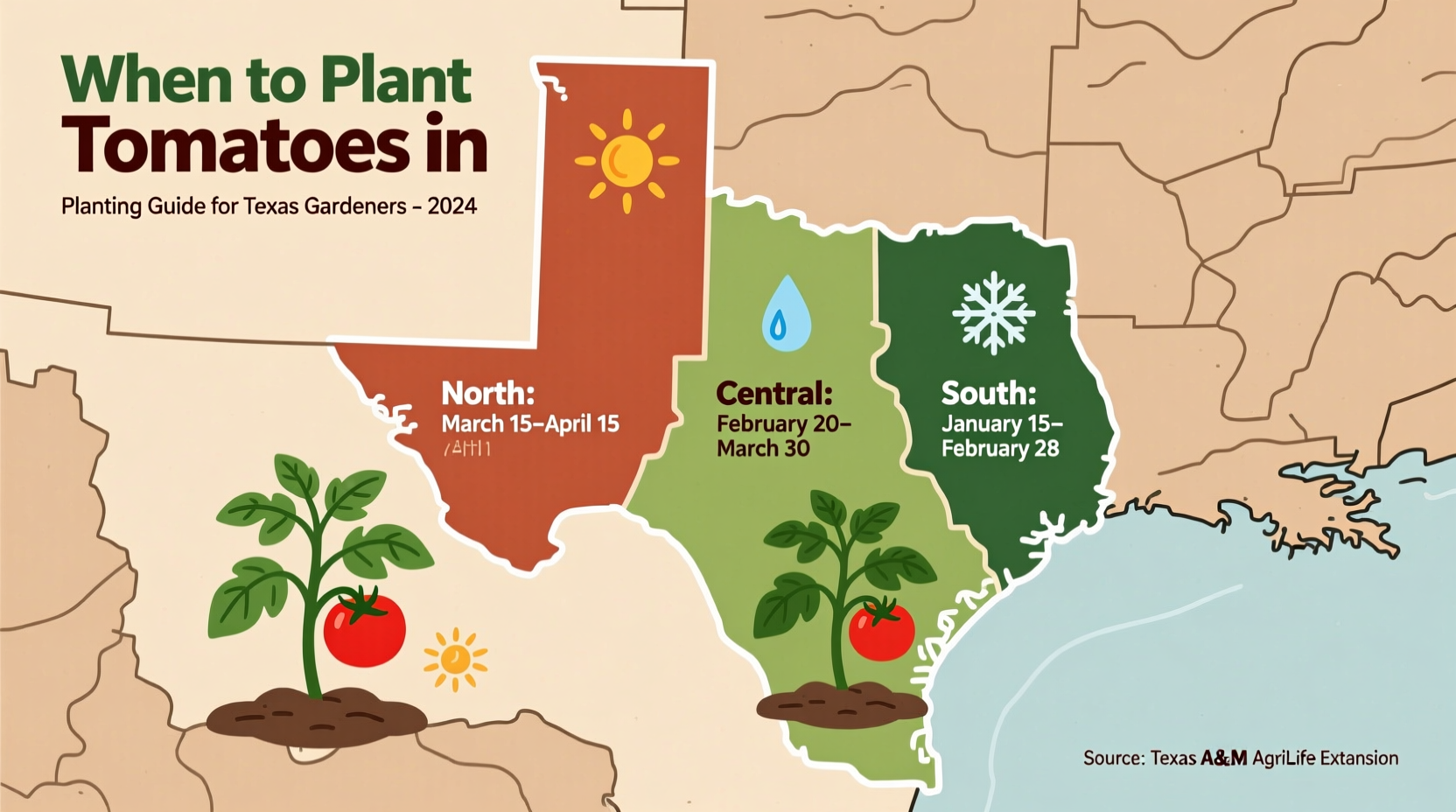
Planting times vary by zone. Coastal Texas allows early spring planting due to mild winters. Central Texas gardeners plant after the last frost, usually in late March or early April. West Texas needs careful timing to avoid late frosts and summer heat. East Texas benefits from a longer growing season but watch for heavy rain. Adjust planting based on local climate for best results.
Ideal Planting Months
Choosing the right months to plant tomatoes in Texas is key to a healthy harvest. The climate varies across the state, so timing can affect growth and fruit quality. Understanding the ideal planting months helps gardeners avoid extreme heat and frost. This ensures tomato plants thrive and produce well.
Spring Planting Window
In most parts of Texas, spring planting starts as soon as the danger of frost passes. This usually happens between late February and early April. Planting in this window lets tomatoes grow in warming soil and mild weather. Seedlings or transplants do well with steady sunlight and moderate temperatures. Early planting also gives tomatoes time to produce fruit before the summer heat sets in.
Gardeners should watch local frost dates closely. Plant too early, and cold can damage young plants. Plant too late, and hot weather may stress them. This balance is crucial for a successful spring tomato crop.
Fall Planting Opportunities
Texas also offers a second chance to plant tomatoes in the fall. This window typically opens from late August to early September. Fall planting takes advantage of cooler temperatures after the summer peak. It allows tomatoes to develop fruit with less heat stress.
Starting tomatoes indoors in July or August helps prepare strong seedlings for fall planting. Determinate tomato varieties work best in fall gardens. They produce fruit quickly before cold weather arrives. Gardeners should maintain consistent watering and soil care to support growth during this season.
Choosing Tomato Varieties
Choosing the right tomato variety is essential for successful gardening in Texas. The state’s climate challenges gardeners with high heat and long growing seasons. Picking varieties suited to these conditions helps plants thrive and produce better fruit. This section highlights key types and offers recommendations for Texas gardeners.
Heat-tolerant Types
Tomatoes that handle heat well perform better in Texas summers. These varieties resist sunscald and keep producing fruit despite hot days. Look for names like ‘Heatmaster,’ ‘Solar Fire,’ and ‘Phoenix.’ They have been bred specifically to withstand temperatures above 85°F. Growing heat-tolerant types reduces the risk of plant stress and fruit drop.
Determinate Vs Indeterminate
Determinate tomatoes grow to a fixed size and ripen fruit all at once. They are good for gardeners who want a large harvest in a short time. Indeterminate types keep growing and producing fruit throughout the season. These are ideal for longer Texas growing periods. Choose based on your garden space and how often you want to pick fresh tomatoes.
Best Varieties For Texas
Many tomato varieties do well in Texas gardens. ‘Celebrity’ is popular for its disease resistance and high yield. ‘Better Boy’ offers large, tasty fruit and handles heat well. ‘Arkansas Traveler’ thrives in hot, humid areas. For small spaces, ‘Patio’ tomato plants produce plenty of fruit in a compact size. Selecting local favorites increases your chances of success.

Credit: lettucegrowsomething.com
Starting Seeds Indoors
Starting tomato seeds indoors gives Texas gardeners a strong head start. It protects young plants from unpredictable weather and pests. This method helps tomatoes develop healthy roots and leaves before moving outdoors. Indoor seed starting lets you control temperature and light for better growth. It also extends the growing season, especially in cooler parts of Texas. Careful timing and proper transplanting ensure a successful tomato harvest.
Timing For Seed Starting
Start tomato seeds indoors 6 to 8 weeks before the last frost date. In most Texas areas, this means planting seeds in late January to early February. Use a seed tray with good drainage and fill it with seed-starting mix. Keep the soil moist but not soggy. Place trays in a warm spot with temperatures around 70-75°F. Provide 12 to 16 hours of light daily using grow lights or a sunny window.
Transplanting Seedlings
Move seedlings outdoors 1 to 2 weeks after the last frost date in your area. Harden off seedlings by gradually exposing them to outdoor conditions over a week. Plant them deep, covering the stem up to the first set of true leaves. Space plants 18 to 24 inches apart for good air flow. Water seedlings well after transplanting and keep soil moist. Choose a sunny spot with at least 6 hours of direct sunlight each day.
Planting Techniques
Planting tomatoes successfully in Texas requires careful attention to techniques. Proper methods help plants grow strong and yield plenty of fruit. This section covers key steps to get your tomato plants off to a great start.
Soil Preparation
Start with well-drained soil rich in organic matter. Mix compost or aged manure into the soil before planting. Test soil pH to keep it between 6.0 and 6.8 for best results. Remove weeds and debris to reduce competition. Loosen the soil to a depth of 12 inches to help roots spread easily.
Planting Depth And Spacing
Plant tomato seedlings deep, burying two-thirds of the stem. This encourages strong root growth along the buried stem. Space plants about 24 to 36 inches apart to allow air circulation. Proper spacing reduces disease risk and helps plants get enough sunlight. Avoid crowding to keep plants healthy and productive.
Watering And Sunlight Needs
Tomatoes need consistent moisture but not soggy soil. Water deeply at the base to keep leaves dry and prevent disease. Aim for at least six hours of direct sunlight daily. Morning sun is best to dry dew and reduce fungal problems. Adjust watering based on weather and soil conditions to avoid stress.
Fall Tomato Planting Tips
Planting tomatoes in the fall offers a great chance to enjoy fresh fruit before winter. The cooler temperatures help reduce pest problems. Fall tomato planting also avoids the extreme summer heat that can stress plants. Success depends on timing and proper care. These tips focus on using transplants and avoiding common late-season issues for Texas gardeners.
Using Transplants
Start with healthy transplants for a strong fall crop. Transplants grow faster than seeds and give tomatoes a head start. Choose disease-free plants from a local nursery or start your own indoors. Plant transplants deeply to encourage sturdy roots. Space them well to improve air flow. Water regularly to keep soil moist but not soggy. Mulch around plants to keep soil temperature steady and reduce weeds. Transplants adapt better to the shorter daylight of fall than seeds.
Avoiding Late-season Challenges
Watch out for cooler nights and early frosts in Texas fall. Protect plants with row covers or light blankets if frost threatens. Keep an eye on watering to prevent root problems. Avoid overhead watering to reduce fungal diseases. Prune lower leaves to improve air circulation. Use fertilizer with calcium to stop blossom end rot. Harvest tomatoes before frost damages them. Picking fruit early also encourages more production. These steps help secure a healthy fall tomato harvest.
Soil And Fertilizer Advice
Healthy soil is the foundation for growing juicy tomatoes in Texas. Good soil and fertilizer help plants grow strong and produce tasty fruit. Pay attention to soil conditions and nutrients for best results. This section covers key tips on soil acidity, micronutrients, and a simple trick to enhance tomato sweetness.
Soil Acidity Management
Tomatoes prefer slightly acidic soil with a pH between 6.0 and 6.8. Test your soil to check acidity levels before planting. If the soil is too acidic, add lime to raise the pH slowly. For alkaline soils, organic matter like compost can help balance acidity. Proper pH helps tomatoes absorb nutrients better and grow healthier.
Micronutrient Importance
Besides nitrogen, phosphorus, and potassium, tomatoes need micronutrients. Calcium prevents blossom end rot, a common tomato problem. Magnesium and iron support leaf growth and color. Use a balanced fertilizer that includes these micronutrients. In Texas, supplement soil with compost or a micronutrient mix for best tomato health.
Using Baking Soda For Sweetness
Sprinkling baking soda lightly around tomato plants can reduce soil acidity. This small change helps tomatoes develop sweeter flavors, not sour ones. Dissolve a teaspoon of baking soda in water and spray or pour near the plant base. This simple method has helped many Texas gardeners enjoy sweeter, more delicious tomatoes.
Pest And Disease Control
Controlling pests and diseases is crucial for growing healthy tomato plants in Texas. Pests and diseases can damage leaves, stems, and fruit. This reduces the yield and quality of your tomatoes. Proper pest and disease control helps your plants stay strong and productive throughout the growing season.
Texas warm climate can attract many tomato pests and diseases. Early detection and action protect your garden. Understanding common pests and preventive measures keeps your tomatoes safe and thriving.
Common Tomato Pests In Texas
Several pests attack tomato plants in Texas. Aphids suck plant sap, causing leaves to curl and yellow. Tomato hornworms are large caterpillars that can strip leaves quickly. Whiteflies feed on the underside of leaves and spread disease. Spider mites cause tiny yellow spots and webbing on leaves. Cutworms cut young plants at the soil line. These pests weaken tomato plants and reduce fruit production.
Preventive Measures
Start with healthy seedlings and clean soil to reduce pests. Use row covers to protect young plants from insects. Regularly inspect plants for early signs of pests and remove them by hand. Water at the base to keep leaves dry and prevent fungal diseases. Rotate crops yearly to avoid soil-borne diseases. Mulch around plants to keep soil moist and reduce weeds. Use natural predators like ladybugs to control aphids. Apply organic insecticides only if necessary to minimize harm to beneficial insects.
Harvesting For Maximum Yield
Harvesting tomatoes at the right time improves both taste and yield. Picking tomatoes too early leads to less flavor. Picking too late risks fruit damage or loss. Watching your plants closely helps you know the perfect time to harvest. Careful harvesting also encourages the plant to produce more fruit. This way, you get more tomatoes throughout the growing season in Texas.
Signs Of Ripe Tomatoes
Ripe tomatoes show a deep, rich color that matches their variety. The skin should be smooth and slightly soft to the touch. A ripe tomato will come off the vine easily with a gentle twist. Check for a sweet, fresh smell near the stem end. Avoid tomatoes with green spots or hard areas. These signs help pick the best tomatoes for eating or cooking.
Extending The Harvest Season
Pick tomatoes regularly to keep the plant producing longer. Remove any damaged or rotting fruit to prevent disease spread. Use shade cloth during extreme Texas heat to protect fruit. Water plants deeply and consistently to reduce stress. Prune lower leaves to improve air flow and reduce pests. These steps help you enjoy fresh tomatoes for many weeks.
Credit: spice.alibaba.com
Frequently Asked Questions
What Month Should I Plant Tomatoes In Texas?
Plant tomatoes in Texas from late February to early April for spring crops. For fall harvest, transplant seedlings in August or September. Choose heat-tolerant varieties and ensure six hours of sunlight daily. Avoid direct outdoor seed planting in September; start seeds indoors instead.
What Are The Best Tomatoes To Grow In Texas?
The best tomatoes for Texas include Heatmaster, Celebrity, and Solar Fire. These varieties tolerate heat and resist diseases well. Choose determinate types for consistent, early harvests. Plant in spring or early fall for optimal growth and fruit production.
Why Sprinkle Baking Soda Around Tomato Plants?
Sprinkling baking soda around tomato plants helps reduce soil acidity and prevents fungal diseases like powdery mildew. It promotes healthier, sweeter tomatoes.
Can I Still Plant Tomatoes In September?
You can plant tomato transplants in September for a fall harvest. Choose heat-tolerant, determinate varieties. Start seeds indoors earlier. Provide daily watering and six hours of sunlight.
Conclusion
Planting tomatoes at the right time in Texas boosts your harvest success. Early spring or late summer works best for most areas. Choose heat-tolerant varieties to handle Texas’s warm climate. Start seeds indoors if planting late to get a strong start.
Water regularly and give plants enough sunlight for healthy growth. Healthy soil and proper care help prevent common tomato problems. Follow these simple steps for tasty, homegrown tomatoes. Enjoy fresh tomatoes all season long!