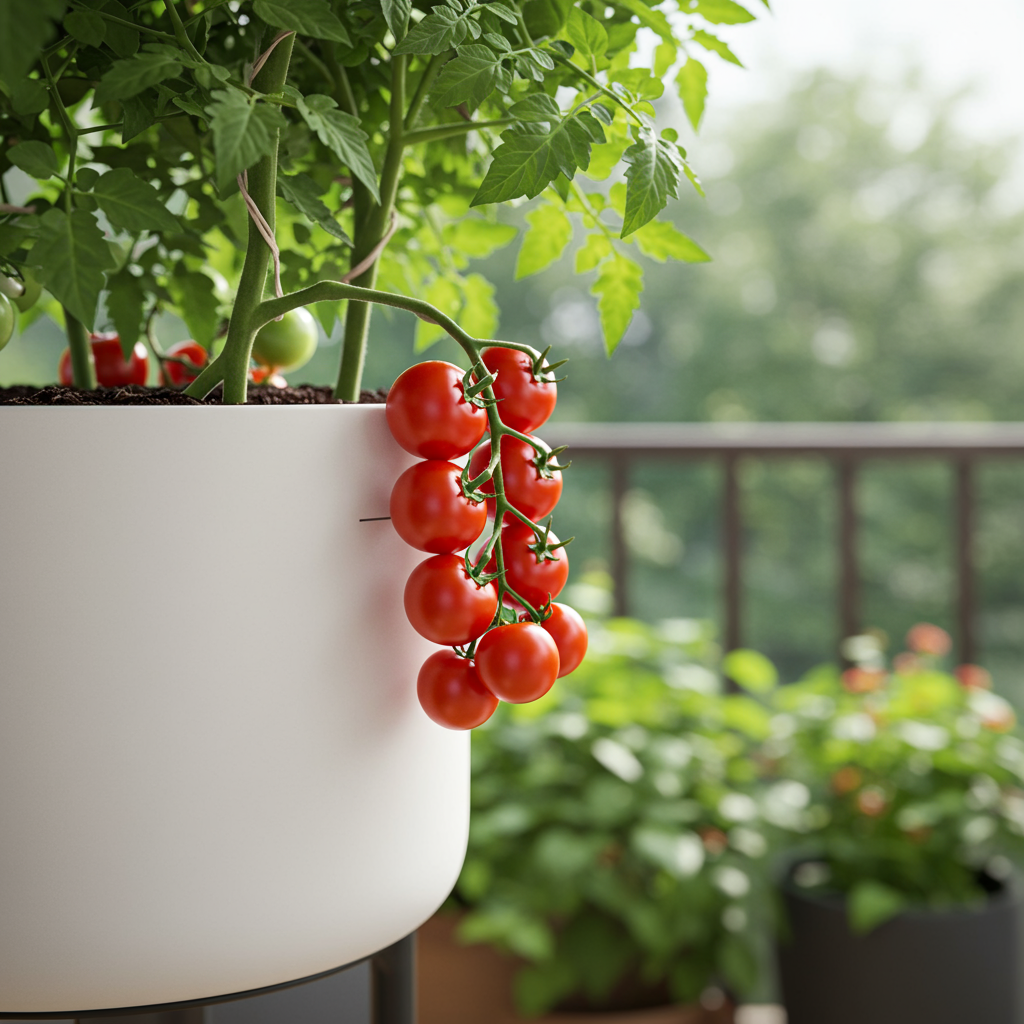
An upside down tomato planter is an intriguing concept that has captured the imagination of gardeners for years, especially those with limited space. It presents a novel solution to traditional gardening challenges, promising a cascade of vibrant, ripe tomatoes from a hanging container, seemingly defying gravity and convention. For urban dwellers with nothing more than a balcony, patio, or a sunny porch, this method offers the dream of a homegrown harvest without a single patch of soil to call their own. But is this vertical gardening marvel just a gimmick, or can it truly deliver the stunning yields it promises?
This comprehensive guide will delve deep into the world of inverted gardening. We will explore the science and theory behind why it works, meticulously weigh the pros and cons, and provide a step-by-step blueprint for success. Whether you’re a seasoned gardener looking for a new experiment or a complete beginner eager for your first taste of a homegrown tomato, you’ll find everything you need to know to turn this fascinating concept into a fruitful reality.
What Exactly Is an Upside Down Tomato Planter?
At its core, an upside-down tomato planter is a container—often a specially designed bag or a modified bucket—that is hung from a sturdy support. Instead of planting on the top surface, a hole is made in the bottom of the container. A young tomato plant is carefully threaded through this hole so that its root ball is inside the container and its stem and leaves hang downwards. The container is then filled with soil, watered from the top, and suspended in a sunny location.
The fundamental idea is that as the plant grows, it will hang downwards, allowing gravity to support the weight of the developing fruit. This eliminates the need for stakes, cages, or trellises, while theoretically creating an ideal growing environment that protects the plant from common ground-level threats.
The Proposed Advantages: Why Go Inverted?
The allure of this method is built on a foundation of several compelling benefits that address common gardening headaches.
1. Supreme Space Efficiency
This is arguably the biggest draw. For those without a yard, the ability to utilize vertical space is revolutionary. A single planter can hang from a porch rafter, a strong balcony beam, or a shepherd’s hook, transforming unused air space into a productive mini-farm. You can grow a substantial tomato plant in a footprint of virtually zero square feet.
2. Superior Pest and Disease Control
By elevating the plant off the ground, you create a physical barrier against a host of soil-dwelling pests. Cutworms, slugs, and snails, which can devastate young seedlings at ground level, simply can’t reach a hanging plant. Furthermore, many fungal diseases, like blight and septoria leaf spot, spread when soil splashes onto the lower leaves during watering. In an inverted system, this risk is dramatically reduced, promoting healthier foliage.
3. Enhanced Air Circulation
A plant hanging in the open air enjoys unparalleled air circulation around its leaves and stems. This is crucial for plant health. Good airflow helps the leaves dry quickly after rain or watering, which is a primary defense against the development of fungal and bacterial diseases that thrive in damp, stagnant conditions.
4. No More Staking or Caging
One of the most tedious tasks of traditional tomato growing is providing support. As indeterminate tomato varieties grow, they require constant tying, staking, or caging to keep the heavy, fruit-laden vines off the ground. With an upside-down planter, gravity becomes your support system. The stem naturally hangs, and the fruit develops without the risk of rotting on the ground.
5. A Weed-Free Environment
Weeding is a constant battle in a traditional garden bed. In a self-contained, hanging planter, competition from weeds is completely eliminated, ensuring that all water and nutrients in the soil are directed solely to your tomato plant.
The Unvarnished Truth: Challenges and Considerations
While the benefits are enticing, a successful harvest requires understanding and mitigating the significant challenges inherent in this method. Ignoring these can lead to frustration and a disappointing yield.
The Watering Dilemma
This is the single most critical factor for success. A hanging container is exposed to sun and wind from all sides, causing the soil to dry out with astonishing speed, especially on hot, windy days. You will likely need to water your planter every single day, and sometimes twice a day during a heatwave. The soil must be kept consistently moist, not waterlogged and not bone-dry. Inconsistent watering leads to blossom end rot, a common tomato ailment caused by calcium deficiency that is exacerbated by fluctuating moisture levels.
The Gravity of the Situation: Weight and Support
A 5-gallon container filled with damp soil, a growing tomato plant, and developing fruit can easily weigh 50-60 pounds (22-27 kg) or more. This is not a trivial amount of weight. You absolutely must have an incredibly sturdy and reliable support structure. A flimsy decorative hook will not suffice. You need to anchor it into a structural beam, a reinforced pergola, or a heavy-duty, purpose-built stand. A falling planter is not only a loss of your hard work but also a serious safety hazard.
The Plant’s Natural Instincts: Phototropism
Plants have a natural tendency to grow towards their light source, a phenomenon known as phototropism. A tomato plant hanging upside down will still try to grow up towards the sun. This results in the main stem forming a distinct “U” shape as it bends upwards. This can put significant stress on the stem right at the exit point of the container, potentially causing it to crimp or snap, especially under the weight of fruit or in strong winds.
Sunlight and Heat Exposure
While tomatoes love sun, the container itself can get extremely hot. A dark-colored plastic pot can absorb intense heat, effectively cooking the root system and stressing the plant. Opting for lighter-colored containers or fabric bags that allow for better root aeration can help mitigate this problem.
How to Achieve Stunning Yields with Your Upside Down Tomato Planter
Success is not guaranteed, but it is certainly achievable with careful planning and consistent attention. Follow this step-by-step guide to maximize your chances of a bountiful, cascading harvest.
Step 1: Choose the Right Planter
You can purchase commercially available upside-down planter bags or create your own from a 5-gallon bucket.
Commercial Bags: These are often made of a breathable fabric that helps prevent overheating and promotes healthy root growth through “air pruning.” They are convenient and ready to use.
DIY Bucket: A standard 5-gallon food-grade bucket is a cheap and effective option. Drill a 2-inch hole in the center of the bottom. You can also drill a few smaller drainage holes around the top perimeter to prevent waterlogging from heavy rain.
Step 2: Select the Perfect Tomato Variety
This is non-negotiable. Not all tomatoes are suited for inverted growing. You must choose a variety that is both compact and produces smaller fruit.
Determinate vs. Indeterminate: Choose determinate or “bush” varieties. These plants grow to a predetermined, compact size, which is much more manageable in a hanging planter. Indeterminate “vining” varieties, which can grow to be over 10 feet long, will become too heavy and unwieldy.
Fruit Size: Stick to cherry, grape, or other small-fruited varieties. Large, heavy beefsteak tomatoes will put far too much strain on the stem.
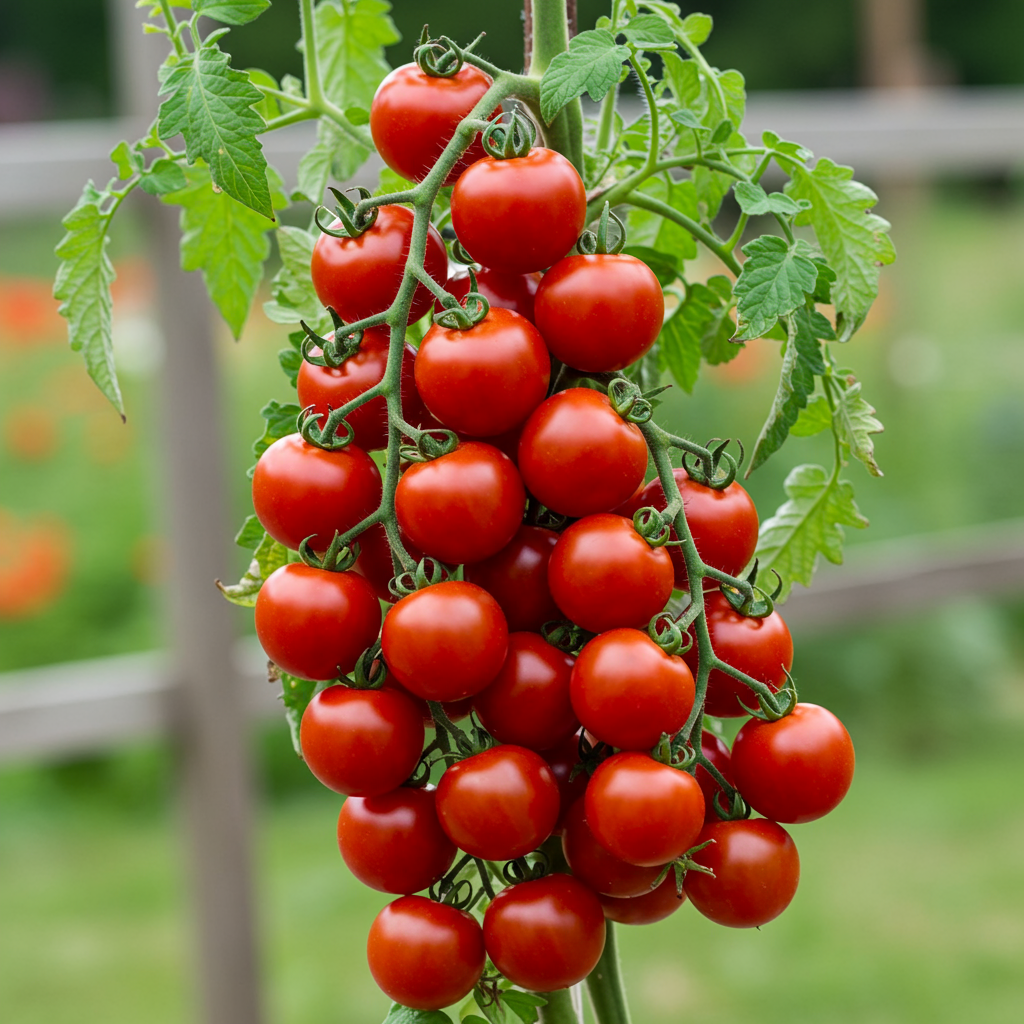
Recommended Varieties: ‘Tumbling Tom Red/Yellow’, ‘Patio Princess’, ‘Bush Early Girl’, ‘Hundreds & Thousands’, and most varieties of cherry tomatoes like ‘Sweet Million’ or ‘Sun Gold’ are excellent choices.
Step 3: Create the Ideal Soil Mix
The growing medium needs to be a perfect balance of moisture-retentive and lightweight. Standard garden soil is far too heavy and will compact, suffocating the roots.
The Perfect Recipe:
60% high-quality potting mix (not garden soil)
20% perlite or vermiculite to improve aeration and drainage
20% compost or well-rotted manure for nutrients
A handful of slow-release fertilizer pellets
(Optional but recommended) A few scoops of water-retaining polymer crystals to help combat the rapid drying issue.
Mix these ingredients thoroughly in a separate tub before adding them to your planter.
Step 4: The Planting Process
This is the trickiest part. Be gentle to avoid damaging the young plant.
1. Lay the empty planter on its side.
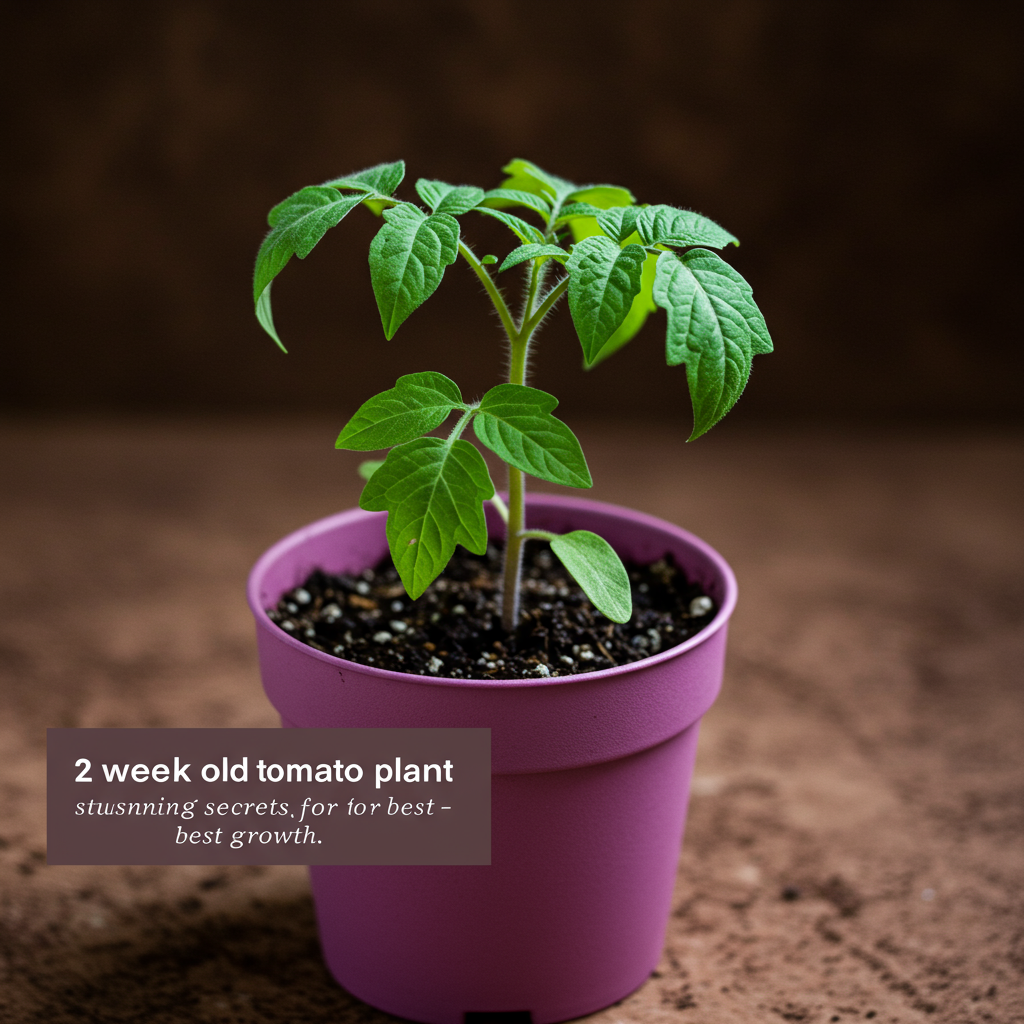
2. Gently wrap the leaves and stem of your tomato seedling together. You can use a piece of newspaper or a paper towel to create a cone around it, protecting the delicate foliage.
3. From the outside of the container, carefully thread the wrapped-up top of the plant through the hole in the bottom.
4. Once the root ball is near the hole on the inside, gently pull it into place and remove the protective wrapping. You may need a small piece of foam or cloth around the stem at the hole to create a gentle seal and prevent soil from falling out.
5. With the planter still on its side, begin filling it with your prepared soil mix, packing it gently around the root ball.
6. Fill the planter to within two inches of the top, leaving space for watering.