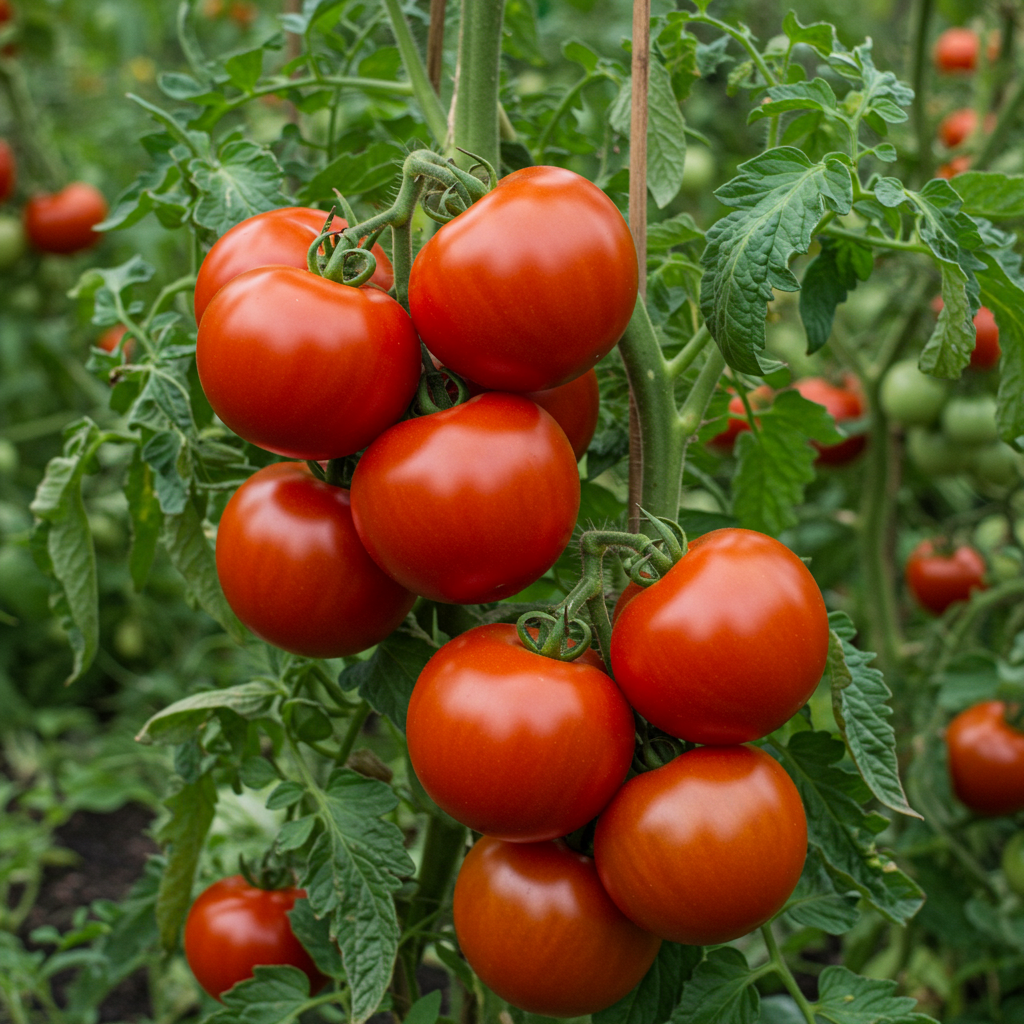
Miracle-Gro Tomato Food is often the secret ingredient that transforms a struggling tomato patch into a vibrant, fruit-laden paradise. Every gardener dreams of walking out to their garden and plucking a perfectly sun-ripened, juicy tomato straight from the vine. The flavor, the texture, the deep red color—it’s the pinnacle of home gardening. Yet, the path to that perfect tomato is often fraught with challenges: yellowing leaves, stunted growth, scarce blossoms, and the dreaded blossom-end rot. While sunlight, water, and good soil are the pillars of gardening, tomatoes have a secret fourth pillar: targeted nutrition. This comprehensive guide will explore why this specific plant food is essential for achieving the healthiest, most abundant tomato harvest you’ve ever had.
Why Your Tomatoes Are So Hungry: Understanding the Needs of a “Heavy Feeder”
Before we delve into the solution, it’s crucial to understand the problem. Tomatoes are what gardeners call “heavy feeders.” This means they have a voracious appetite and rapidly deplete nutrients from the soil as they grow from a tiny seedling into a large, fruit-bearing plant. Think of the incredible energy required to produce not just lush green foliage but also dozens of flowers and, ultimately, heavy, water-rich fruits.
An all-purpose fertilizer might give them a general boost, but it doesn’t cater to their specific dietary needs throughout their life cycle. A tomato plant’s nutritional requirements are unique and change as it matures.
The Big Three: N-P-K Explained for Tomatoes
All plant fertilizers are labeled with three numbers, known as the N-P-K ratio. These represent the percentage of three primary macronutrients essential for plant life:
Nitrogen (N): This is the engine for vegetative growth. Nitrogen is a core component of chlorophyll, the pigment that allows plants to convert sunlight into energy. In the early stages, a tomato plant needs ample nitrogen to develop a strong frame with plenty of healthy, green leaves. These leaves are the solar panels that will power future fruit production.
Phosphorus (P): Phosphorus is the “root and bloom” nutrient. It plays a vital role in transferring energy within the plant. It encourages strong root development, which is the foundation of a healthy plant, and is absolutely critical for setting blossoms. Without enough phosphorus, you can have a big, beautiful green plant with very few flowers, and no flowers means no tomatoes.
Potassium (K): Often called the “quality” nutrient, potassium is the master regulator. It helps the plant manage water, resist disease, and develop high-quality fruit. Potassium is directly linked to fruit size, flavor, color, and firmness. As tomato plants begin to set and develop fruit, their need for potassium skyrockets.
A generic lawn fertilizer, for instance, is extremely high in nitrogen to promote lush green grass. If you used that on your tomatoes, you’d get a gigantic, sprawling green bush with almost no fruit. This is where a specialized formula makes all the difference.
Beyond the Basics: The Importance of Micronutrients
Just like humans need vitamins and minerals in addition to carbs, proteins, and fats, plants need micronutrients. For tomatoes, two are particularly critical:
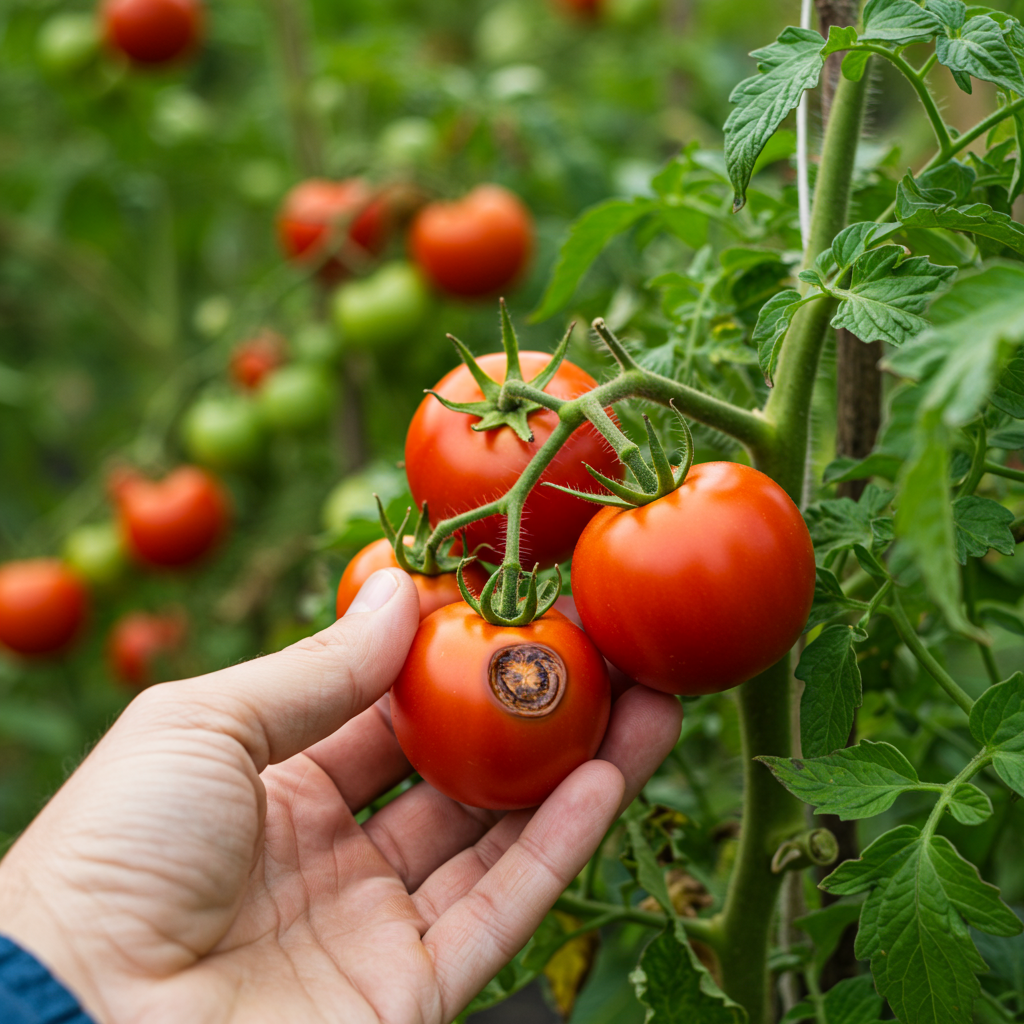
Calcium: A calcium deficiency is the primary cause of blossom-end rot—that frustrating black, sunken spot on the bottom of your ripening tomatoes. The plant needs a steady supply of calcium to build strong cell walls, especially in the rapidly developing fruit.
Magnesium: This is a central component of the chlorophyll molecule. A lack of magnesium often presents as yellowing between the leaf veins on older, lower leaves. It’s essential for photosynthesis and overall plant vigor.
An In-Depth Look at Miracle-Gro Tomato Food
So, what makes this specific product so effective? It’s engineered to provide the precise balance of macro and micronutrients that tomato plants crave. The typical N-P-K ratio for Miracle-Gro Water Soluble Tomato Plant Food is 18-18-21. Let’s break down why this formulation is so ideal:
Balanced Nitrogen and Phosphorus (18-18): It provides enough nitrogen for healthy leaf growth without going overboard, while the strong phosphorus content fuels robust root systems and prolific flowering. This balance ensures the plant builds a solid foundation before it starts the energy-intensive process of fruiting.
High Potassium (21): The slightly higher potassium number is the key to a successful harvest. This focus on potassium directly supports the development of large, flavorful, and disease-resistant fruits. It’s precisely what tomato plants need most as they mature.
Fortified with Essential Micronutrients: Critically, Miracle-Gro Tomato Food includes the micronutrients that tomatoes desperately need, including calcium to help prevent blossom-end rot and magnesium for vibrant green foliage and efficient energy production.
By using this specially formulated food, you are not just feeding your plant; you are providing a scientifically tailored diet designed to take it from a healthy seedling to a fruit-producing powerhouse.
Your Guide to Using Miracle-Gro Tomato Food for Maximum Impact
Knowing what to use is only half the battle. Knowing how and when to use it is what separates good gardeners from great ones. The water-soluble version is the most popular and versatile, so we will focus our instructions on that formula.
Step 1: Getting Started
Begin feeding your tomato plants about 7-14 days after transplanting them into their final location, whether it’s a garden bed or a large container. For plants started from seed, you can begin feeding once they have developed their first set of “true leaves” (the second set of leaves that appear), but it’s best to use a half-strength solution for very young seedlings.
Step 2: The Right Mix
The standard mixing ratio is a crucial detail.
For Outdoor Plants: Mix 1 ½ tablespoons (the large end of the included scoop) of the plant food for every 1 ½ gallons of water.
For Indoor/Container Plants: Use a gentler mix of ½ teaspoon (the small end of the scoop) per gallon of water.
Stir the mixture until the blue crystals are fully dissolved. It’s important to use the correct ratio. More is not better when it comes to fertilizer and can lead to “burning” the plant’s roots.
Step 3: Application and Frequency
The key to success with this product is consistency.
Frequency: Feed your tomato plants every 7 to 14 days throughout the growing season. A weekly feeding schedule provides a very steady stream of nutrients, which is ideal for heavy feeders in containers. For in-ground plants, every 14 days is often sufficient.
Application Method: Slowly pour the solution directly onto the soil at the base of the plant. Try to avoid soaking the foliage, as wet leaves can encourage fungal diseases like blight. Apply enough of the solution to thoroughly saturate the root zone. A good rule of thumb is to apply about a half-gallon of the mixed solution for a medium-sized plant.
Pro-Tips and Common Mistakes to Avoid
To truly elevate your results, pay attention to these advanced tips and common pitfalls.
1. Never Fertilize a Thirsty Plant
This is the golden rule of fertilizing. If the soil is bone dry, the fertilizer salts can be too concentrated and can damage or “burn” the plant’s delicate roots. Always water your plants thoroughly with plain water first, allow it to soak in, and then apply the fertilizer solution. Think of it as hydrating the plant before serving it a big meal.
2. Consistency is Everything
Tomatoes thrive on a predictable schedule. Sporadic feedings can cause stress and inconsistent growth, which can lead to issues like cracked fruit. Mark your calendar or set a reminder on your phone to feed your plants on the same day each week or every other week.
3. Container Gardening Requires More Attention
If you’re growing tomatoes in pots or containers, remember that every time you water, some nutrients are leached out through the drainage holes. This means container-grown tomatoes rely more heavily on you for their nutrition and will benefit greatly from a consistent weekly feeding schedule.
4. Observe Your Plants
Your tomato plants will tell you what they need.
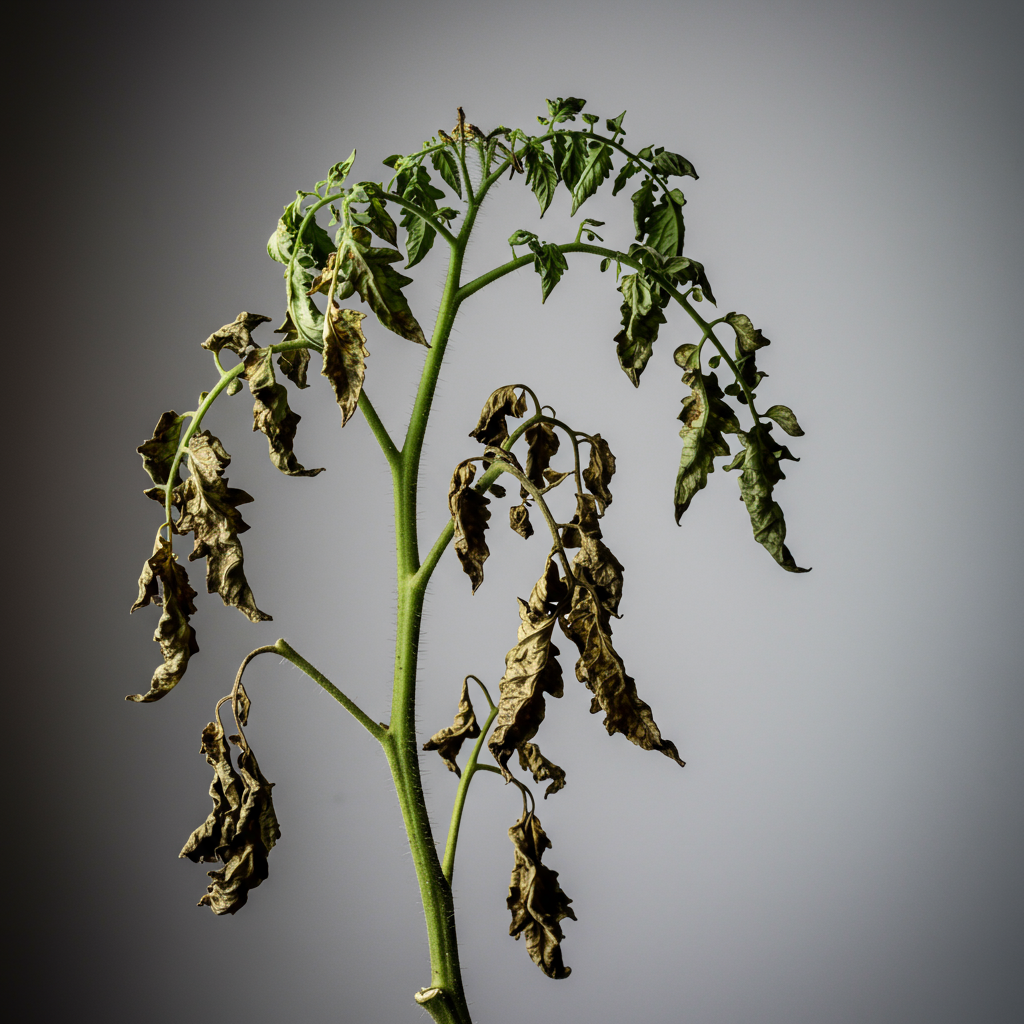
Yellowing Lower Leaves: This is often a sign of a nitrogen deficiency. If you see this, you may be waiting too long between feedings.
Lush, Dark Green Foliage but No Flowers: This can be a sign of too much nitrogen. While Miracle-Gro is well-balanced, this could happen if your base soil or compost is already extremely nitrogen-rich.
Purple-Tinged Leaves: This can indicate a phosphorus deficiency, often exacerbated by cold soil in the early spring which prevents the plant from absorbing it.
5. It’s a Supplement, Not a Replacement for Good Soil
The most potent fertilizer in the world cannot fix poor soil. For the absolute best results, start with soil that is rich in organic matter. Amending your garden beds with compost or well-rotted manure before planting creates a healthy foundation. The fertilizer then acts as a powerful, targeted supplement to ensure your plants have everything they need, exactly when they need it.
Frequently Asked Questions (FAQ)
Q: Can I use Miracle-Gro Tomato Food on other plants?
A: Absolutely. While it’s formulated for tomatoes, it’s also excellent for other heavy-feeding, fruit-bearing vegetables like peppers, squash, cucumbers, and eggplants. They share similar nutritional needs for flowering and fruiting.
Q: What is the difference between this and the all-purpose Miracle-Gro?
A: The main difference is the N-P-K ratio and the inclusion of specific micronutrients. The all-purpose formula (often 24-8-16) is much higher in nitrogen, making it great for leafy green plants and general flowers. The tomato food’s balanced profile with higher potassium is specifically designed to promote fruit production over excess foliage.