
Are you ready to grow your own delicious blueberries right in your North Florida backyard? Knowing the best time to plant blueberry bushes can make all the difference between a few berries and a bountiful harvest.
If you plant too early or too late, your bushes might struggle to thrive. But when you get the timing just right, you set your plants up for strong roots, healthy growth, and juicy fruit season after season. In this guide, you’ll discover exactly when and how to plant blueberries in North Florida, so you can enjoy fresh, homegrown berries with ease.
Keep reading to find out how to give your blueberry bushes the perfect start!

Credit: floridafruitgeek.com
Planting Window
Choosing the right planting window is key for growing blueberries in North Florida. The timing affects root growth and overall plant health. Understanding the best months helps you start strong and enjoy a healthy harvest.
Planting during the right season allows the roots to settle before hot weather arrives. It also reduces stress on the young plants. Let’s explore the best periods and their benefits.
Optimal Months
In North Florida, the best months to plant blueberries are October through February. This period offers cool weather and moist soil. October and November are ideal for fall planting. December to February works well for winter planting.
Planting during these months gives roots time to grow before spring. The soil stays warm enough for root development but cool enough to slow top growth. This balance helps the plant establish deeply.
Fall Planting Benefits
Planting blueberries in fall, especially October, helps roots develop before winter. The soil is warm and moist, which encourages root growth. Fall planting allows the bush to settle in without heat stress.
Roots keep growing in fall and early winter when the ground is not frozen. This leads to stronger plants in spring. Fall planting also reduces the need for frequent watering compared to summer planting.
Winter Planting Considerations
Winter planting from December to February can be successful in North Florida. The ground rarely freezes, letting roots grow slowly. Plants enter dormancy with established roots, ready to grow in spring.
During winter, avoid planting on very cold or wet days. Make sure the soil drains well to prevent root rot. Winter planting requires less watering but needs good preparation.

Credit: www.tallahassee.com
Soil And Site
Choosing the right soil and site is key for growing healthy blueberry bushes in North Florida. Blueberries need specific soil conditions to thrive. The correct location ensures good growth and fruit production. Understanding these needs helps you plant at the best time and get the best results.
Soil Requirements
Blueberries grow best in acidic soil with a pH between 4.5 and 5.5. The soil must be rich in organic matter. Sandy or loamy soils work well in North Florida. Avoid heavy clay soils that hold too much water. Good soil promotes strong roots and healthy plants.
Sunlight And Drainage
Blueberries need full sun for at least six hours daily. Choose a sunny spot to boost fruit production. Proper drainage is crucial to prevent root rot. Plant on raised beds or slopes if water tends to collect. Well-drained soil keeps roots healthy and plants vigorous.
Soil Preparation Tips
Start by testing soil pH and nutrient levels. Add sulfur to lower pH if needed. Mix in plenty of organic matter like peat moss or pine bark. Clear weeds and debris before planting. Prepare the soil a few weeks before planting to give it time to settle.
Blueberry Varieties
Choosing the right blueberry variety is key for a healthy, fruitful garden in North Florida. Different types adapt differently to the climate and soil here. Knowing which varieties thrive helps you pick the best plants for your space. This section explains popular blueberry types and which ones suit North Florida’s unique conditions.
Southern Highbush
Southern Highbush blueberries grow well in mild winters and warm summers. They need fewer chill hours than northern types. This makes them a good fit for North Florida’s climate. These bushes produce large, tasty berries. They start fruiting earlier than some other types. Southern Highbush plants prefer well-drained, acidic soil rich in organic matter.
Rabbiteye Blueberries
Rabbiteye blueberries are native to the Southeast. They handle heat and humidity better than other types. Rabbiteye bushes are hardy and can tolerate North Florida’s summer conditions. These plants need more chill hours than Southern Highbush but less than northern varieties. Rabbiteye blueberries produce abundant crops and have a longer harvest season.
Variety Selection For North Florida
Pick varieties that match North Florida’s climate and soil. Southern Highbush and Rabbiteye types are top choices here. Combining both types can extend your harvest time. Choose disease-resistant varieties to reduce garden problems. Look for plants with proven success in Florida gardens. Good selection leads to stronger plants and better blueberry yields.
Planting Steps
Planting blueberries in North Florida requires careful preparation. Following the right steps helps your bushes grow strong and healthy. Preparing the soil and planting correctly gives your plants the best start. Below are the key steps to plant your blueberry bushes properly.
Digging The Hole
Start by digging a hole wider than the root ball. Make it about twice as wide to allow roots to spread easily. The hole should be deep enough so the plant sits at the same level as in its pot or nursery bed. Loose soil around the hole helps roots grow well.
Planting Depth
Place the blueberry bush in the hole carefully. The top of the root ball should be level with the ground surface. Avoid planting too deep; it can cause root rot. For bare-root plants, plant to the soil “tide mark” on the stem. Firm the soil gently around the roots to remove air pockets.
Watering And Mulching
Water the plant thoroughly after planting to settle the soil. Keep the soil moist but not soggy during the first weeks. Apply a 2-4 inch layer of mulch around the base, avoiding the stem. Mulch helps retain moisture and controls weeds. Pine bark or pine needles work well for blueberries.
Care After Planting
After planting your blueberry bushes in North Florida, proper care is key to healthy growth and a strong harvest. Young plants need attention to thrive. Water, mulch, and frost protection help plants settle and grow well. Follow these steps to keep your blueberries healthy and productive.
Watering Schedule
Water your blueberry plants deeply after planting. Keep the soil moist but not soggy. Water 2 to 3 times each week during dry spells. Early morning watering reduces disease risks. Avoid letting the soil dry out completely. Consistent moisture encourages strong root growth.
Mulching Benefits
Apply a 2 to 4 inch layer of mulch around the base. Mulch helps keep soil cool and moist. It also prevents weeds that compete for nutrients. Pine bark or pine needles are good mulch choices. Mulching improves soil acidity, which blueberries prefer. Refresh mulch yearly to maintain benefits.
Protection From Frost
North Florida can have unexpected cold snaps. Cover young plants with frost cloths or blankets during frost warnings. Remove covers in the morning to avoid overheating. Mulch also helps protect roots from freezing. Protecting your plants keeps buds safe and ensures fruit production.
Common Mistakes
Planting blueberries in North Florida can be rewarding. Avoiding common mistakes helps your plants thrive. Many beginners face issues that stunt growth or reduce fruit yield. Knowing these errors saves time and effort.
Improper Timing
Planting blueberries at the wrong time harms their development. The best period in North Florida is mid-December to mid-February. Planting too early or too late stresses the plants. Roots may not establish well before hot weather arrives. This reduces the plant’s ability to survive and produce fruit.
Poor Soil Conditions
Blueberries need acidic soil to grow well. Soil with a pH between 4.5 and 5.5 is ideal. Many make the mistake of planting in neutral or alkaline soil. This causes nutrient deficiencies and weak plants. Adding organic matter like pine bark or peat moss improves soil quality. Good drainage is also essential to prevent root rot.
Overwatering
Overwatering blueberry plants can be as harmful as underwatering. Too much water drowns roots and causes diseases. Blueberries prefer moist but not soggy soil. Water only when the top inch of soil feels dry. Proper watering encourages deep root growth and healthy fruit production.
Boosting Growth
Boosting the growth of blueberry plants in North Florida requires careful attention to key gardening practices. Healthy growth leads to better fruit production and stronger plants. Simple steps can improve plant health and yield. Focus on fertilizing, pruning, and pest control to support your blueberry bushes.
Fertilizing Tips
Use acidic fertilizer designed for blueberries. Apply fertilizer in early spring before new growth starts. Avoid over-fertilizing; it can harm roots. Spread fertilizer evenly around the base of the plant. Water the plants well after fertilizing. Repeat fertilizing once more in late spring for best results.
Pruning Techniques
Prune blueberry bushes every winter while they are dormant. Remove dead or weak branches first. Thin out crowded areas to allow sunlight inside. Cut back old branches to encourage new growth. Use sharp, clean tools to avoid damage. Proper pruning improves air circulation and fruit size.
Pest And Disease Control
Check plants regularly for signs of pests or diseases. Common pests include aphids, mites, and blueberry maggots. Use insecticidal soap or neem oil to control pests safely. Remove and destroy infected leaves or branches. Keep the area around plants clean and free of debris. Healthy plants resist diseases better and produce more fruit.
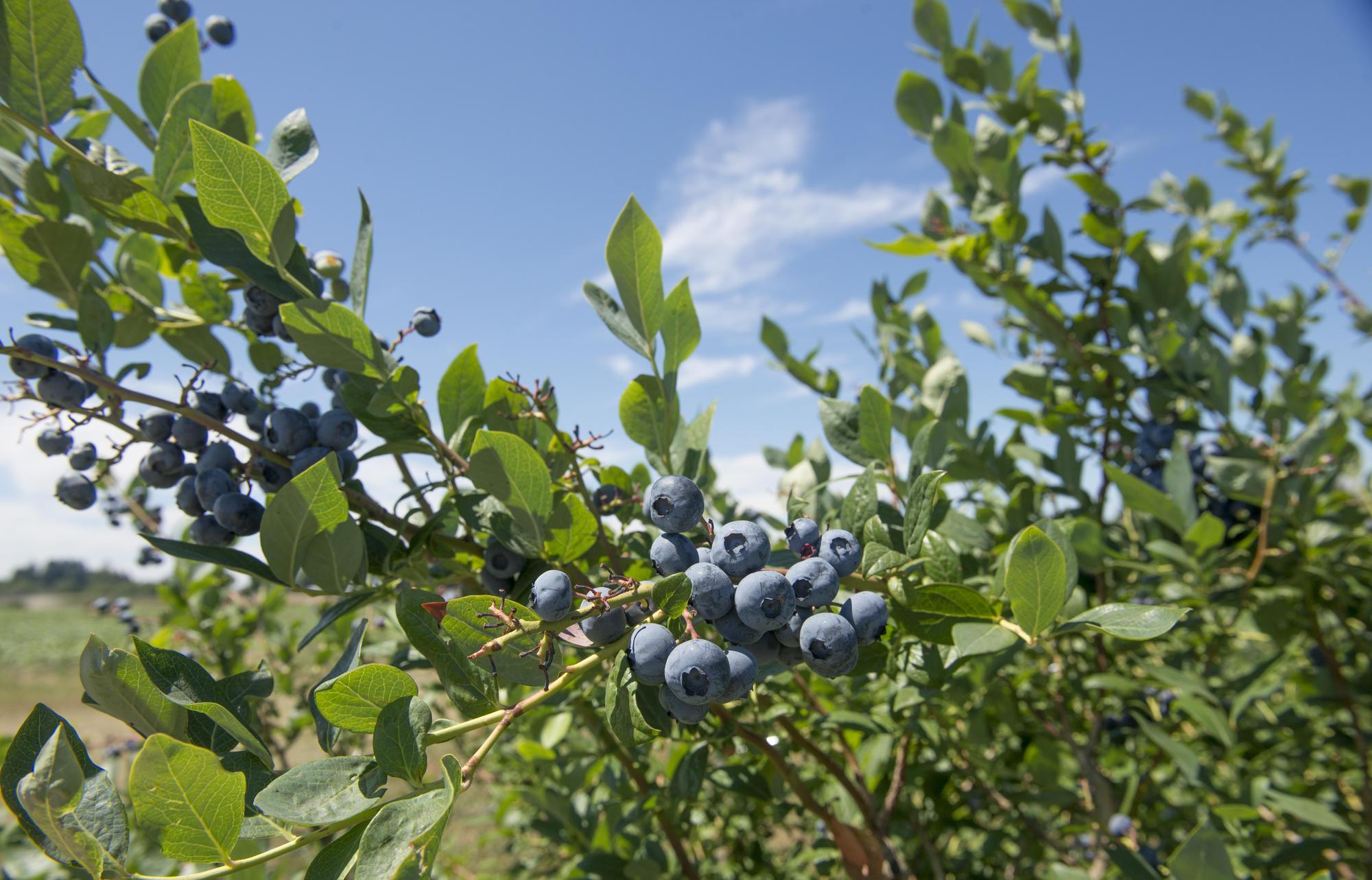
Credit: extension.oregonstate.edu
Frequently Asked Questions
When Should You Plant Blueberry Bushes In Florida?
Plant blueberry bushes in Florida from mid-December to mid-February for best growth. October planting also works well for root establishment. Choose well-drained, acidic soil with organic matter and ensure adequate sunlight for healthy bushes. Water thoroughly after planting to settle the soil around roots.
Can I Plant A Blueberry Bush In October?
Yes, planting blueberry bushes in October works well. The soil stays warm, helping roots establish before winter dormancy. Choose acidic, well-drained soil and ensure good sunlight. Water thoroughly after planting to settle roots. This timing promotes strong growth and better fruit production in spring.
What Is The Secret To Growing Blueberries?
The secret to growing blueberries is planting in acidic, well-drained soil with organic mulch. Ensure full sun and consistent moisture.
Which Blueberries Grow Best In Florida?
Rabbiteye and Southern Highbush blueberries grow best in Florida. They thrive in acidic, well-drained soil with full sun exposure.
Conclusion
Planting blueberries in North Florida between October and February works best. The soil stays warm enough for roots to grow strong. Choose a sunny spot with good drainage for healthy plants. Water your bushes well after planting to help roots settle.
Starting early gives your blueberries a good chance to produce fruit. Patience and care will reward you with fresh, tasty berries. Keep these tips in mind for a fruitful blueberry garden.