Schema markup, often called structured data, is a form of microdata. It acts like a vocabulary for search engines, helping them understand the context of content on your website. By adding specific schema markup to your HTML, you’re explicitly telling search engines what information a page contains, improving how your site appears in search results. This structured data makes it easier for search engines to present richer, more informative results, often appearing as rich snippets, which can include reviews, ratings, or product availability directly in the search engine results pages (SERPs). Implementing schema can significantly enhance your organic visibility and user experience.
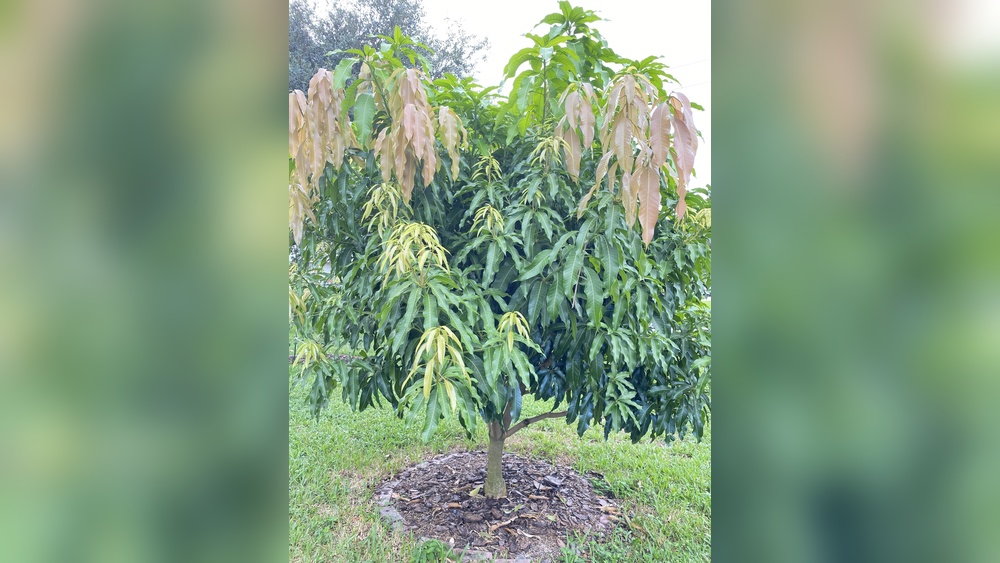
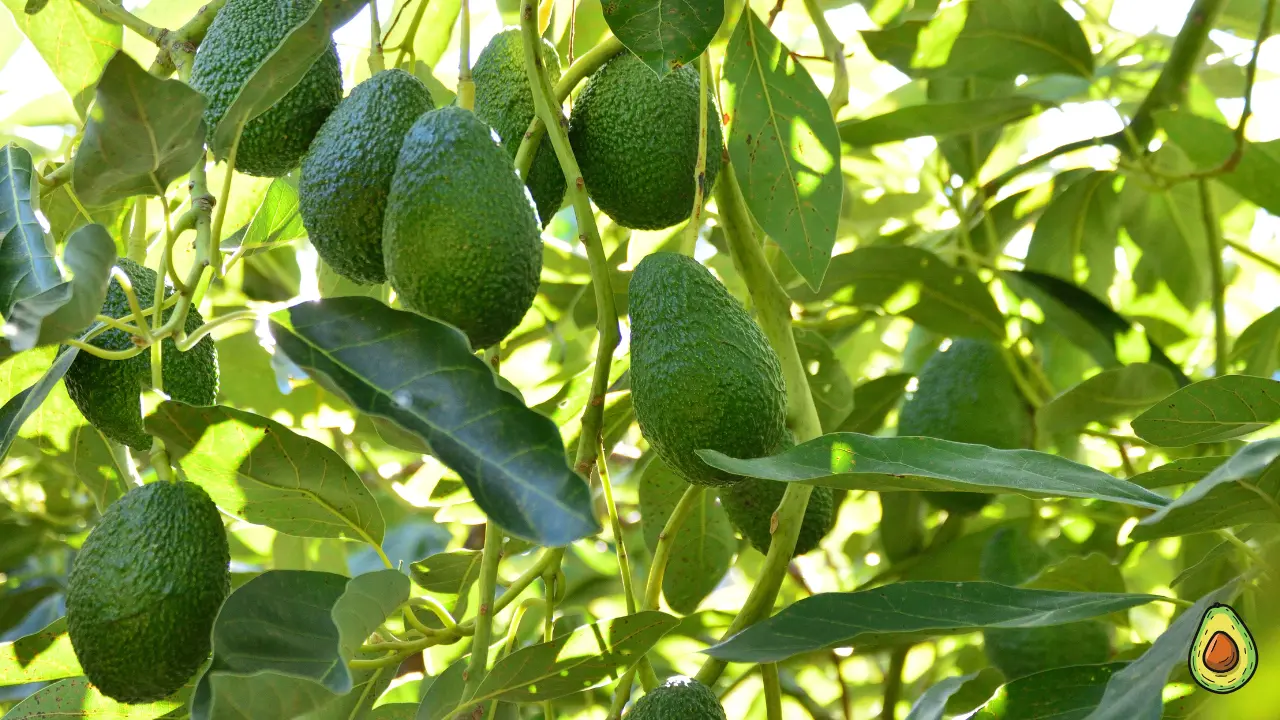
Tag: tropical fruit Florida
A 301 redirect is a permanent redirection from one URL to another, signaling to web browsers and search engines that a webpage has permanently moved. Implementing a 301 redirect is crucial for maintaining your website’s search engine optimization (SEO) when relocating content or restructuring your site. This ensures that valuable link equity and traffic are passed from the old page to the new one, preventing broken links and preserving your search rankings.
The Internet of Things (IoT) connects everyday physical devices to the internet, allowing them to collect and exchange data. This network of devices operates with embedded sensors, software, and other technologies, enabling seamless communication between various objects and systems. IoT applications are transforming industries by enhancing efficiency, automating tasks, and providing valuable insights from real-time data analysis. From smart homes to industrial automation, IoT integration is driving innovation and creating more interconnected environments to improve daily life and operational processes.
Topic: Title Tag SEO Optimization
Keywords: title tag best practices, SEO title, meta title SEO, optimize title tag
Content Summary: Explain the importance of title tags for SEO, describe core optimization principles, and suggest character limits.
A sitemap, at its core, is a file that lists the URLs of a website. It acts as a detailed map for search engine crawlers, guiding them through all the important pages on your domain. This navigational aid helps ensure that search engines like Google can efficiently discover and index your content, improving your website’s visibility in search results. Think of it as a comprehensive directory for bots, making their work of understanding your site’s structure much easier and contributing to better SEO.
A sitemap is a file on your website that lists all the important pages you want search engines to crawl and index. Think of it as a comprehensive map for search bots, guiding them through your site’s structure and ensuring they discover all your valuable content. This XML sitemap helps improve your website’s visibility in search results by clearly communicating its organization.
A **canonical tag**, or `rel=canonical`, is an HTML element that helps **search engines** understand the preferred (canonical) version of a **web page**. When multiple pages have very similar or identical content, the canonical tag tells Google and other search engines which URL is the main one to index and rank in **search results**. This prevents issues like **duplicate content** penalties and consolidates ranking signals to a single, authoritative page, improving a website’s **SEO** performance and ensuring the correct page appears for relevant **queries**.
A {topic} is a {content_summary}. Understanding how {topic}s work is crucial for effective {keyword1} and {keyword2} because they directly impact {keyword3} and overall system performance.
Dreaming of fresh Florida limes? Discover the perfect planting time and expert tips to grow a thriving lime tree right in your backyard, ensuring juicy harvests for years!
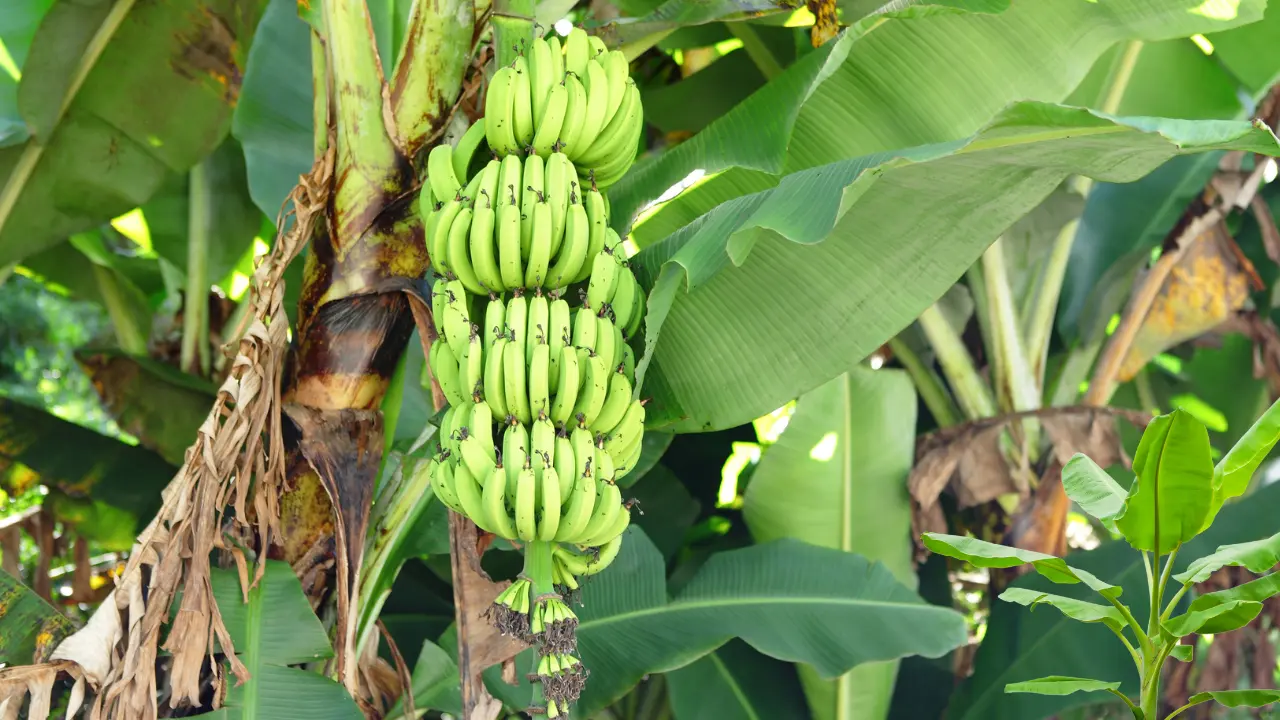
Dreaming of delicious, homegrown bananas in your Florida garden? We’ll help you pick the perfect banana plant that thrives in the Sunshine State, so you can enjoy fresh, flavorful fruit right from your backyard!