If you’re thinking about growing peas in your Florida garden, you might be wondering which varieties will thrive best in the Sunshine State’s unique climate. Not all peas are created equal when it comes to heat and humidity, and choosing the right type can make the difference between a bountiful harvest and a disappointing crop.
You’ll discover the best peas to grow in Florida, how to care for them, and tips to maximize your yield. Whether you’re a seasoned gardener or just starting out, these insights will help you enjoy fresh, sweet peas straight from your backyard.
Keep reading to find out which pea varieties will flourish in your garden and how to grow them successfully.
Pea Varieties For Florida Gardens
Choosing the right pea varieties is important for a successful Florida garden. Florida’s warm climate needs peas that tolerate heat and humidity. Some peas thrive in cooler months, while others handle warmer weather well. Select varieties that grow well in Florida’s unique conditions. This helps ensure a healthy, bountiful harvest.
Sugar Snap Peas
Sugar Snap peas are popular for Florida gardens. They produce sweet, crunchy pods you can eat whole. These peas grow well in cooler seasons. They prefer full sun and well-drained soil. Provide support for their climbing vines. Sugar Snap peas mature quickly, giving you fresh peas sooner.
Wando Peas
Wando peas are heat-tolerant and adapt well to Florida’s climate. They are a type of southern pea with creamy texture and mild flavor. Wando peas grow best in late winter to early spring. They resist common pea diseases and pests. Wando peas add variety to your garden with their unique taste.
Spanish Skyscraper Peas
Spanish Skyscraper peas handle Florida’s hot weather better than most. This Canadian heirloom grows tall and produces large, tasty pods. It thrives in warm, sunny spots with good soil. These peas have a longer growing season. They can be eaten fresh or dried for later use.
Heirloom Pea Options
Heirloom peas bring flavor and history to your garden. Many heirloom varieties suit Florida’s climate well. They offer unique colors, shapes, and tastes. Heirlooms often have natural resistance to pests. Growing heirloom peas supports seed diversity and garden health.

Credit: www.revivalgardening.com
Growing Conditions In Florida
Florida’s climate presents unique challenges for growing peas. Warm temperatures and high humidity affect growth. Understanding the right conditions helps peas thrive here.
Choosing the right soil, sunlight, water, and temperature is key. These factors influence the plant’s health and yield. Let’s explore each one in detail.
Soil Requirements
Peas grow best in loose, well-drained soil. Sandy loam or loamy soil works well in Florida. The soil should have a pH between 6.0 and 7.0. Adding organic matter improves soil fertility and moisture retention. Avoid heavy clay soils that hold too much water.
Sunlight Needs
Peas need full sun to produce sweet pods. Aim for six to eight hours of direct sunlight daily. Morning sun is better than harsh afternoon sun. In Florida, partial shade helps during the hottest months. This prevents the plants from wilting or drying out.
Watering Tips
Consistent moisture is important for pea plants. Water deeply once or twice a week, depending on rain. Avoid overwatering, which can cause root rot. Mulch around plants helps keep soil moist and cool. Use drip irrigation or a soaker hose to reduce leaf wetness.
Temperature Considerations
Peas prefer cool weather between 55°F and 70°F. Florida’s winter and early spring offer the best growing window. High temperatures above 80°F slow growth and reduce pod production. Choose heat-tolerant varieties for warmer periods. Plant early to avoid the summer heat.
Planting Schedule For Peas
Understanding the planting schedule is vital for growing peas successfully in Florida. The state’s warm climate requires careful timing to avoid the hottest months. Planting peas at the right time ensures strong growth and a healthy harvest. Gardeners should focus on cooler periods for sowing seeds. Proper scheduling helps peas avoid heat stress and produce tender pods.
Best Planting Months
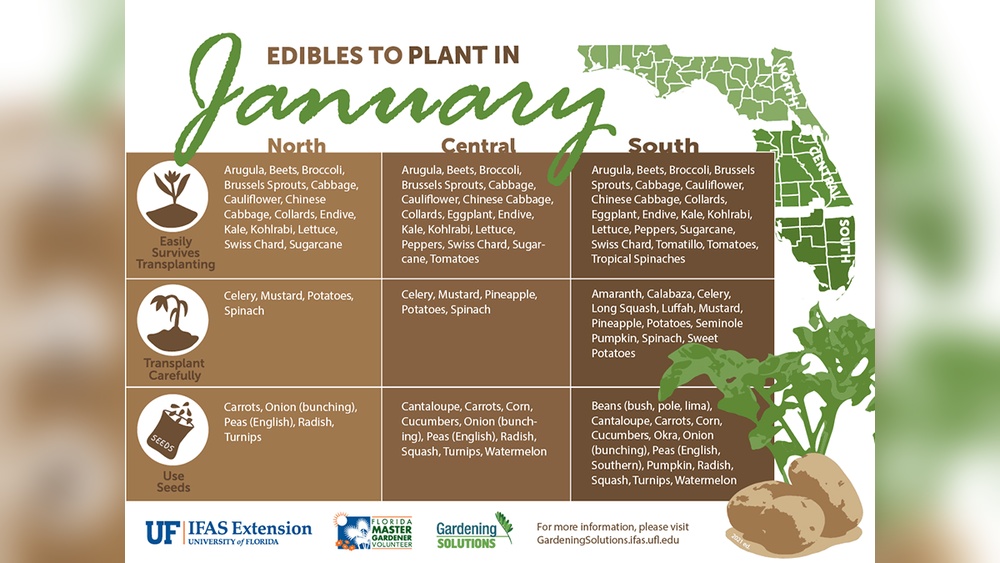
Peas grow best in Florida’s mild winter months. Ideal planting times are from October to January. These months offer cooler temperatures and less humidity. Early fall planting can also work in some regions. Avoid planting peas in the summer as heat can stunt growth. Timing planting during cooler months boosts germination and yield.
Planting In September
September planting can be tricky but possible with care. Soil may still be warm, so choose heat-tolerant varieties. Start seeds indoors or in shaded areas to protect from harsh sun. Monitor soil moisture closely to prevent drying out. Transplant seedlings once cooler weather sets in. This approach extends the growing season in Florida.
Seed Depth And Spacing
Plant pea seeds about 1 inch deep for best results. Space seeds 2 to 3 inches apart in rows. Rows should be 18 to 24 inches apart to allow air circulation. Proper spacing reduces disease risk and promotes healthy growth. Cover seeds lightly with soil and water gently after planting. Maintain consistent moisture until seeds sprout.
Supporting Pea Growth
Supporting pea growth in Florida requires attention to several key factors. Peas thrive best with proper physical support, balanced nutrition, and protection from pests and diseases. These practices help plants grow strong and produce a healthy harvest. Understanding how to manage these elements can improve your pea garden’s success.
Trellis And Climbing Supports
Peas are natural climbers. They use tendrils to grab onto supports and grow upward. Using a trellis or netting helps keep pea plants off the ground. This improves air circulation and reduces disease risk. Wooden stakes, wire mesh, or string lines work well as supports. Place them early so plants can climb as they grow. Proper supports also make harvesting easier and prevent damage to the vines.
Fertilization Practices
Peas benefit from soil rich in nutrients but do not need heavy fertilization. Use a balanced fertilizer with equal parts nitrogen, phosphorus, and potassium. Adding compost before planting improves soil health. Avoid high nitrogen fertilizers, as peas fix nitrogen naturally. Apply fertilizer lightly during growth to support flowering and pod development. Regular watering helps nutrients absorb better and keeps plants healthy.
Pest And Disease Management
Florida’s warm climate can attract pests and diseases that affect peas. Watch for aphids, pea weevils, and spider mites. Handpick pests or use insecticidal soap to control infestations. Crop rotation helps prevent soil-borne diseases like root rot and powdery mildew. Keep the garden clean of debris and water plants at the base to reduce fungal problems. Early detection and care protect your pea plants and improve yields.
Companion Planting With Peas
Companion planting with peas is a smart way to boost your garden’s health and yield. Peas add nitrogen to the soil, which helps nearby plants grow better. Planting peas alongside the right companions can protect them from pests and improve flavor. Choosing the correct neighbors creates a balanced garden ecosystem that supports strong, healthy plants.
Good Companion Plants
Carrots grow well near peas because they do not compete for nutrients. Radishes also make great companions as they help break up the soil. Lettuce benefits from peas’ nitrogen, growing faster and healthier. Spinach and cucumbers thrive when planted next to peas. Herbs like mint and coriander can help repel pests that harm peas.
Plants To Avoid Near Peas
Onions and garlic are bad companions as they stunt pea growth. Fennel releases chemicals that inhibit peas and other plants. Potatoes compete with peas for nutrients and space. Beans, especially other legumes, should not be planted close to peas. Avoid planting peas near members of the allium family to prevent poor development.
Effects Of Bad Companions
Bad companions can reduce pea growth and lower yields. Peas near onions or garlic may produce fewer pods. Soil quality can decline if peas share space with incompatible plants. Pests may increase if peas are planted next to unsuitable neighbors. Avoiding bad companions helps peas grow strong and healthy for a great harvest.

Credit: www.motherearthnews.com
Harvesting And Using Peas
Harvesting and using peas in Florida is a rewarding part of growing these tasty vegetables. Knowing the right time to pick peas ensures the best flavor and texture. After harvest, peas can be enjoyed fresh or stored for later use. Proper drying and storage keep peas edible for months. This section explains how to harvest and use peas effectively in Florida’s climate.
When To Harvest
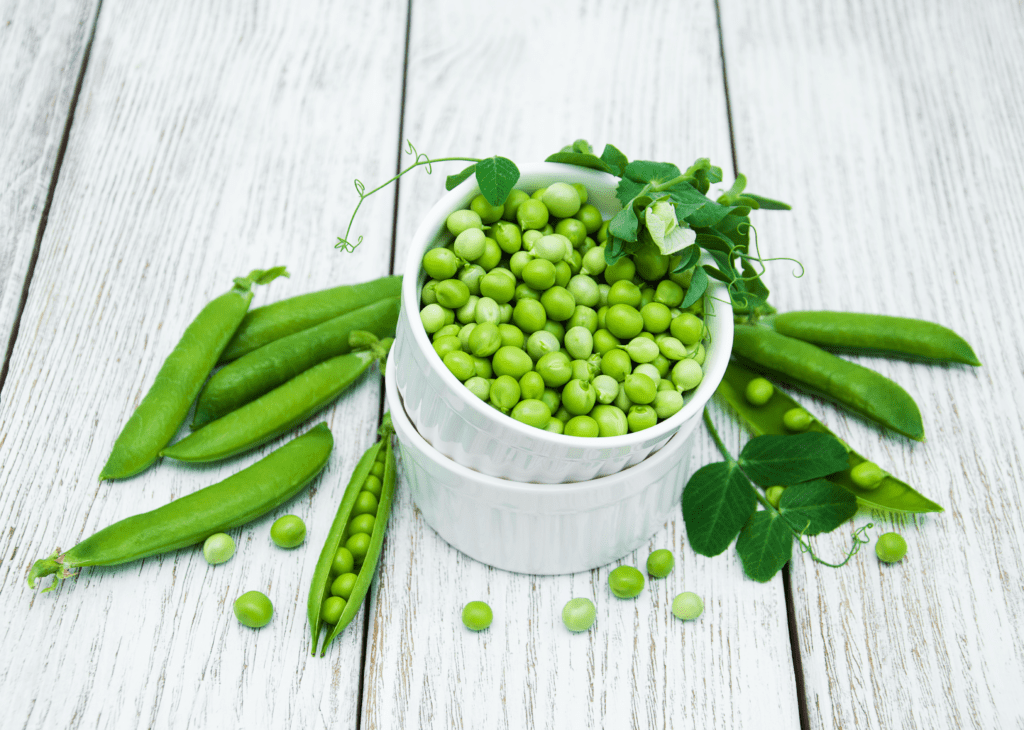
Peas are ready to harvest when pods are full and firm. Pick snap peas when pods are crisp and seeds inside feel small. For shelling peas, wait until seeds fill the pod but stay tender. Avoid letting pods get too large or tough. Harvest early in the morning for best freshness. Frequent picking encourages more pea growth.
Fresh Uses
Fresh peas are sweet and crunchy. Eat snap peas raw in salads or as snacks. Shell peas can be boiled, steamed, or added to soups. Peas cook quickly and keep their bright green color. Use fresh peas within a few days for best taste. They add a fresh burst of flavor to many dishes.
Drying And Storage
Dry peas to save them for months. Shell peas fully and spread them on a dry surface. Let them dry in a warm, airy place away from direct sun. Once fully dry, store peas in airtight containers. Keep containers in a cool, dark place. Dried peas are perfect for soups and stews in off-seasons.
Credit: readgardens.com
Frequently Asked Questions
What Are The Easiest Peas To Grow In Florida?
The easiest peas to grow in Florida are Sugar Snap and Wando varieties. Plant them in full sun with rich soil. Provide support for climbing and maintain consistent watering and nutrients for the best harvest.
What Are The Best Peas For Hot Weather?
The best peas for hot weather include Spanish Skyscraper, a heat-tolerant heirloom. Sugar Snap and Wando varieties also perform well in warm climates. Choose peas that handle heat and provide support, water, and nutrients for optimal growth.
Can Peas Be Planted In September?
Peas can be planted in September in mild climates for a fall harvest. Choose heat-tolerant varieties and ensure well-drained soil. Provide support for climbing peas and water regularly. Avoid planting peas near onions, garlic, or beans to prevent growth issues.
What Should You Not Plant Next To Peas?
Avoid planting peas near alliums like onions, garlic, chives, other legumes such as beans, potatoes, bell peppers, and pak choi. These plants compete for nutrients, stunt pea growth, or attract pests, harming your pea crop’s health and yield.
Conclusion
Growing peas in Florida can be simple and rewarding. Choose heat-tolerant varieties like Sugar Snap or Spanish Skyscraper. Plant peas in sunny spots with rich soil and support for climbing. Water regularly to keep plants healthy and productive. Avoid planting peas near onions or beans to prevent growth issues.
With the right care, your Florida garden will yield fresh, tasty peas. Enjoy the crisp sweetness of homegrown peas all season long.