If you’re looking to create a vibrant, thriving garden in Texas, choosing the right plants is key. The Texas climate can be tough, with hot summers and occasional droughts, but the good news is there are plenty of plants that not only survive but flourish here.
Whether you want colorful flowers, sturdy shrubs, or low-maintenance greenery, knowing which plants work best will save you time, money, and frustration. In this guide, you’ll discover the best plants for Texas that will bring beauty and resilience to your garden all year round.
Keep reading to find out how to make your outdoor space bloom like never before!

Credit: greenup-lawncare.com
Drought Tolerance In Texas
Texas faces frequent dry spells and intense heat. Plants need to survive with little water. Choosing drought-tolerant plants helps gardens thrive despite these harsh conditions. These plants save water and stay healthy longer. Understanding drought tolerance is key for Texas gardeners.
Climate Challenges
Texas has hot summers and irregular rainfall. Some areas get very little rain for months. Soil often dries out quickly under the strong sun. High temperatures increase water evaporation from plants. This makes gardening without extra watering very hard. Plants must adapt to survive these tough conditions.
Benefits Of Drought-resistant Plants
Drought-resistant plants use water efficiently. They need less watering, saving time and resources. These plants reduce garden maintenance and lower water bills. Their deep roots help them find water deep in the soil. Many also resist pests and diseases better. They keep landscapes green and lively through dry periods.
Top Shrubs For Texas Gardens
Choosing the right shrubs for Texas gardens makes all the difference. Shrubs add color, structure, and life to outdoor spaces. They survive the Texas heat and adapt well to dry soil. These shrubs need little water once settled. They also attract butterflies and bees, helping local wildlife thrive. Here are some top shrubs perfect for Texas gardens.
Texas Sage
Texas Sage is a woody evergreen shrub. It handles dry soil and hot sun easily. Its gray-green leaves create a soft, silvery look. Purple flowers bloom in spring and summer, attracting bees and butterflies. This shrub grows well in poor soil and needs little care. It can reach four to five feet tall, making a lovely hedge or border.
Autumn Sage
Autumn Sage blooms from spring to fall with bright flowers. Colors include red, pink, and orange. It loves full sun and tolerates drought well. The plant grows about two to three feet tall. Hummingbirds and butterflies love its nectar-rich flowers. Autumn Sage adds vibrant color and lively movement to any garden.
Lantana
Lantana is a tough, heat-loving shrub. It produces clusters of small, colorful flowers. The blooms change colors as they age, adding visual interest. Lantana attracts butterflies and bees all summer long. It spreads easily and can cover ground or climb fences. This shrub requires little water and thrives in hot, sunny spots.
Turk’s Cap
Turk’s Cap is a shade-tolerant shrub with unique red flowers. Its bright blooms appear from summer through fall. The plant grows well under trees or in partial shade. Turk’s Cap attracts hummingbirds and butterflies. It needs moderate watering and is very hardy. This shrub adds a splash of color in less sunny garden areas.
Popular Perennials For Heat
Texas gardens face intense heat and dry spells. Choosing perennials that thrive in these conditions helps your garden stay vibrant and healthy. Popular heat-tolerant perennials bring color and texture without demanding much water or care.
These plants survive hot days and warm nights, making them perfect for Texas landscapes. They attract pollinators and add beauty throughout the growing season. Here are some favorites that handle Texas heat well.
Mexican Mint Marigold
Mexican Mint Marigold is a tough perennial with bright yellow flowers. It has a unique licorice-like scent. This plant blooms mainly in fall, adding late-season color. It requires little water and grows well in full sun.
Its strong fragrance can help repel pests naturally. This makes it a helpful plant for organic gardens. Mexican Mint Marigold spreads easily but stays manageable with occasional trimming.
Purple Coneflower
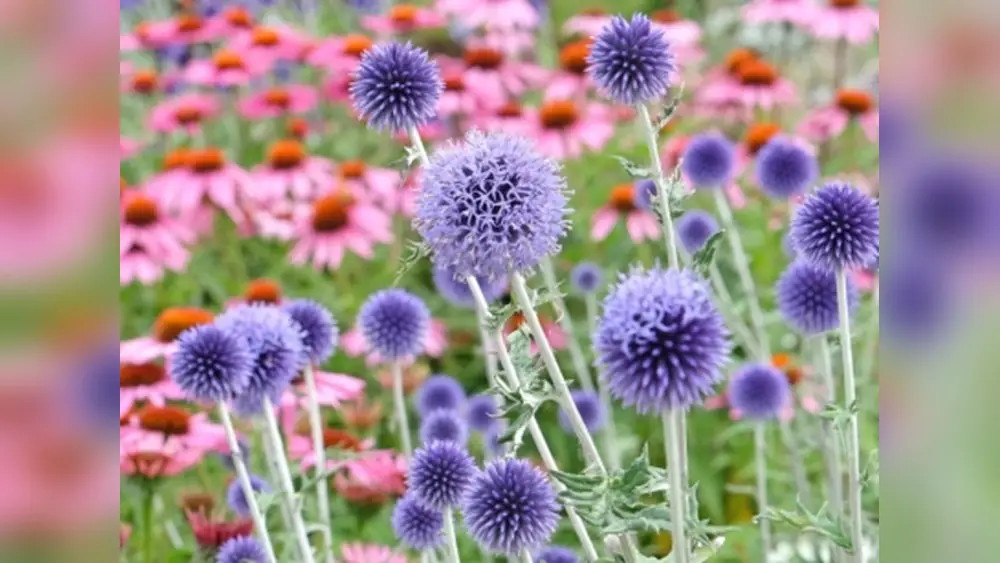
Purple Coneflower is a classic Texas favorite. It displays large purple flowers with a spiky center. This plant thrives in full sun or partial shade. It needs regular watering but tolerates dry spells once established.
Its long-lasting blooms attract butterflies and bees. Purple Coneflower also produces seeds that birds love in winter. It grows well in various soil types, making it versatile for many gardens.
Mexican Bush Sage
Mexican Bush Sage offers deep purple flower spikes that bloom in late summer. It prefers full sun and well-drained soil. This plant is drought-tolerant and can handle Texas heat with ease.
Its aromatic leaves add fragrance to the garden. Mexican Bush Sage attracts hummingbirds and butterflies. Pruning after blooming encourages new growth and keeps the plant tidy.
Cast-iron Plant
Cast-Iron Plant is known for its extreme hardiness. It grows well in heavy shade and tolerates heat and drought. Its dark green leaves provide lush texture to shady garden spots.
This plant needs very little care and stays evergreen year-round. Cast-Iron Plant works well as ground cover or in containers. It adds greenery where other plants might struggle.
Credit: cflandscapes.com
Succulents And Evergreens
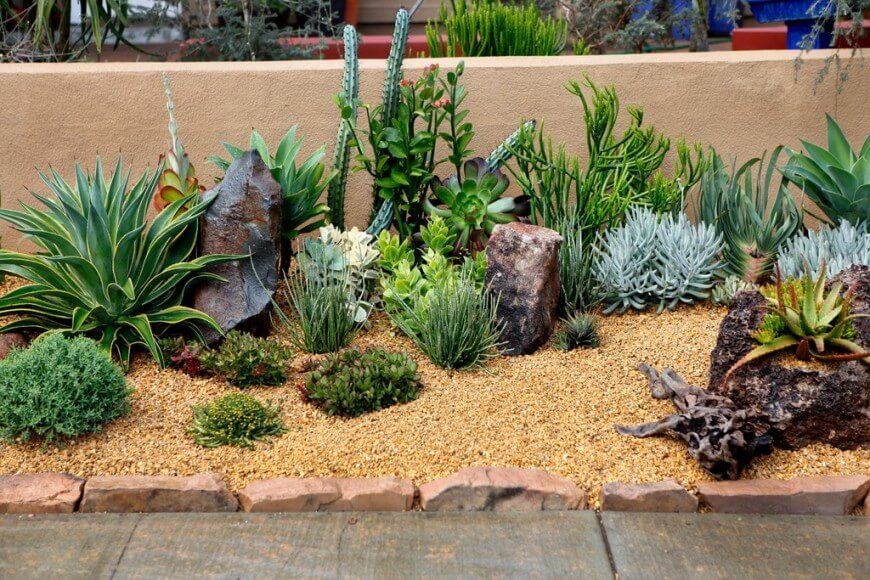
Succulents and evergreens are excellent choices for Texas gardens. These plants handle heat and drought well. They add texture and color year-round. Their low water needs make them perfect for dry climates. Both types provide structure and beauty with little care.
Yucca
Yucca plants thrive in Texas heat. Their sharp leaves and tall flower spikes create striking shapes. They need full sun and well-drained soil. Yucca withstands drought and poor soil conditions. It attracts birds and pollinators with its white flowers. This evergreen stays green throughout the year, adding interest to any landscape.
Agave
Agave is a tough succulent for Texas gardens. Its thick, fleshy leaves store water efficiently. Agave prefers sunny spots and dry soil. It grows slowly but can reach impressive sizes. This plant is very drought-resistant and requires minimal watering. Its unique rosette shape makes it a garden focal point. Agave also works well as a container plant on patios.
Trees That Thrive In Texas
Texas offers a unique climate that challenges many trees. Choosing the right trees can ensure they grow well and add beauty to your garden. Trees that thrive in Texas withstand heat, drought, and sometimes poor soil. They provide shade, color, and even attract wildlife. Here are some excellent tree choices for Texas landscapes.
Texas Mountain Laurel
The Texas Mountain Laurel is a small evergreen tree. It grows well in dry, rocky soil and full sun. This tree produces beautiful purple flowers in spring. The flowers smell like grapes, attracting bees and butterflies. It stays green year-round, adding color even in winter. The Texas Mountain Laurel is low maintenance and drought-tolerant.
Texas Redbud
The Texas Redbud is a popular native tree. It blooms bright pink flowers in early spring. This tree grows well in many soil types and light conditions. It can handle heat and occasional dry spells. The heart-shaped leaves turn yellow in fall. Birds and pollinators love the Texas Redbud. It adds charm and color to any yard.
Pride Of Barbados
Pride of Barbados is a fast-growing flowering shrub or small tree. It blooms vibrant red flowers most of the year. This plant thrives in full sun and well-drained soil. It tolerates drought once established. Pride of Barbados attracts hummingbirds and butterflies. It works well as a screen or accent plant in Texas gardens.
:strip_icc()/plumbago-flower-de685c91-1bd74229564c4a17a3bcf86c4ef82208.jpg "Best Plants for Texas: Top Drought-Resistant Beauties to Grow 4")
Credit: www.bhg.com
Vines For Texas Landscapes
Vines add vertical interest and lush greenery to Texas landscapes. They climb fences, trellises, and walls, creating natural privacy screens. Vines also provide shade and attract pollinators like hummingbirds and butterflies.
Choosing vines suited to Texas heat and soil is essential. Many native and adapted vines thrive with minimal care. They handle drought and high temperatures well, making them perfect for local gardens.
Crossvine
Crossvine is a vibrant, fast-growing vine native to Texas. It produces bright orange and yellow trumpet-shaped flowers. These flowers bloom in spring and attract hummingbirds.
Crossvine can grow on fences, arbors, and walls. It tolerates heat and drought once established. Its thick, woody stems provide good structure and support.
This vine needs full sun to part shade for best growth. It is low maintenance and deer resistant. Crossvine adds bold color and texture to any Texas garden.
Groundcovers And Other Plants
Groundcovers and other low-growing plants are essential for Texas gardens. They help control erosion, reduce weed growth, and add color and texture. These plants thrive in the Texas heat and dry soil, making them perfect for local landscapes. Choosing the right groundcover can save water and time while enhancing your garden’s beauty.
Mely Blue Sage
Mely Blue Sage is a hardy groundcover native to Texas. It produces beautiful blue flowers that attract bees and butterflies. This plant grows well in full sun and tolerates drought. It spreads quickly, creating a soft, colorful carpet. Mely Blue Sage needs little care once established.
Silver Pony Foot
Silver Pony Foot is a drought-tolerant groundcover with silver-green leaves. It grows close to the ground and spreads easily. This plant adds a unique color contrast in your garden. Silver Pony Foot thrives in full sun and poor soil. It requires minimal watering and maintenance.
Brazilian Red Hots
Brazilian Red Hots is a vibrant perennial groundcover with bright red flowers. It blooms from summer to fall, attracting hummingbirds. This plant prefers well-drained soil and full sun. Brazilian Red Hots withstands Texas heat and drought well. Its striking color makes it a garden standout.
Attracting Pollinators
Creating a garden that attracts pollinators helps support local wildlife and boosts plant health. Bees, butterflies, and hummingbirds play key roles in pollination. Selecting the right plants encourages these visitors to stay and thrive in your Texas garden. Choose plants that offer nectar and pollen throughout the growing season. Native plants work well because they are adapted to Texas climate and soil.
Flowering Shrubs
Flowering shrubs provide both beauty and food for pollinators. Texas Sage is a popular choice with its gray-green leaves and purple blooms. It withstands drought and heat while attracting bees and butterflies. Another great shrub is the Turk’s Cap. Its red, tubular flowers are favorites of hummingbirds. Gardenias and hibiscus also add color and fragrance. These shrubs bloom for long periods and provide nectar sources during Texas summers.
Perennials That Draw Pollinators
Perennials come back year after year, giving continuous support to pollinators. Autumn Sage produces bright red, pink, or coral flowers that bloom from spring to fall. Lantana is drought-tolerant and blooms in clusters of yellow, orange, or pink flowers. Purple Coneflower is easy to grow and attracts butterflies with its large, daisy-like blooms. Mexican Mint Marigold has fragrant flowers that appeal to bees. These perennials add color and life to your garden while feeding pollinators.
Low-maintenance Care Tips
Choosing plants that thrive with little care saves time and effort in Texas gardens. Understanding simple care tips helps keep your plants healthy and vibrant. Focus on watering and sunlight needs for best results.
Watering Strategies
Water deeply but less often to encourage strong roots. Early morning watering reduces evaporation. Use drip irrigation or soaker hoses to save water. Check soil moisture before watering to avoid overwatering. Mulch around plants to keep soil moist and cool.
Soil And Sunlight Needs
Use well-draining soil to prevent root rot. Mix compost to improve soil quality and nutrients. Most Texas plants prefer full sun but some tolerate partial shade. Observe your garden to find the best spots for each plant. Adjust placement based on sunlight and soil conditions.
Frequently Asked Questions
What Plant Grows Best In Texas?
Texas plants that thrive include Texas Sage, Lantana, Agave, Yucca, Autumn Sage, and Turk’s Cap. These tolerate heat and drought well. Roses, hibiscus, and azaleas also bloom beautifully in Texas’ hot climate. Choose plants suited for full sun or partial shade for best growth.
What Plants Grow Best In Texas Heat?
Plants that thrive in Texas heat include Texas Sage, Lantana, Agave, Yucca, Autumn Sage, Hibiscus, and Marigolds. These drought-tolerant, heat-resistant plants require minimal water and bloom beautifully in full sun. They attract pollinators and withstand long, hot summers, making them ideal for Texas gardens.
What Are The Low Maintenance Plants In Texas?
Low-maintenance Texas plants include Texas Sage, Yucca, Agave, Lantana, Autumn Sage, Turk’s Cap, and Texas Mountain Laurel. These drought-tolerant plants thrive in heat and need minimal watering once established. They suit various sun exposures and attract pollinators, making them ideal for easy Texas gardening.
What Is The 70 30 Rule In Gardening?
The 70 30 rule in gardening means planting 70% edible plants and 30% decorative plants to balance beauty and productivity.
Conclusion
Choosing the right plants helps your Texas garden thrive year-round. Drought-tolerant species save water and reduce care needs. Native plants attract local birds and pollinators naturally. Bright flowers like lantana and coneflowers add color and life. Succulents such as agave and yucca offer unique textures and strength.
With these plants, your garden stays healthy in Texas heat. Enjoy a beautiful, low-maintenance outdoor space that suits your climate well. Start planting today and watch your Texas garden grow strong and vibrant.