So, you’ve got a patch of sunshine and a dream of picking your own ripe fruit right in your backyard. Florida’s climate is a fruit-grower’s paradise, but choosing the right tree can feel a bit overwhelming. Don’t worry, we’ve all been there, staring at saplings, wondering which one will thrive and give us the sweetest rewards. This guide will help you pinpoint the best fruit tree to grow outside in Florida, making your gardening dreams a delicious reality and saving you from wasted effort. You’ll learn about varieties perfect for your soil and local weather, ensuring a bountiful harvest for years to come.
The 10 Best Fruit Trees To Grow Outside In Florida
Florida’s warm climate and abundant sunshine create a fantastic environment for growing a wide variety of fruit trees. From juicy citrus to tropical delights, there’s a fruit for almost every palate and gardening space. Choosing the right tree is key to success, and it involves considering factors like your specific USDA hardiness zone within Florida, soil type, sunlight exposure, and how much space you have. Some fruit trees require more care and specific pollination partners, while others are quite forgiving and produce fruit with minimal fuss. This list explores ten of the most popular and rewarding fruit trees that flourish when planted outside in the Sunshine State, offering a mix of common favorites and exciting tropical options. Each selection has been chosen for its adaptability to Florida’s conditions and its potential for a generous harvest.
1. The Classic Florida Citrus Orange Tree
When you think of Florida, oranges are likely one of the first fruits that come to mind. Growing an orange tree in your backyard is a classic choice for a reason. These trees are relatively hardy, provided they are planted in the right location and receive proper care. The sweet fragrance of orange blossoms in spring is a delightful bonus, and nothing beats the taste of a freshly picked orange. Valencia oranges are a popular choice for Florida due to their late-season production, meaning you can enjoy them well into the summer. Another excellent option is the Hamlin orange, known for its early ripening and seedless sweetness.
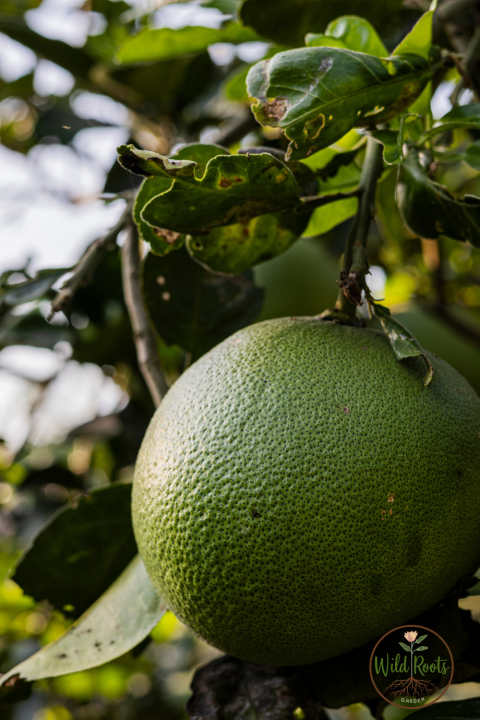
Orange trees prefer full sun and well-drained soil. They are susceptible to frost, so choosing a variety known for its cold tolerance or having a plan for frost protection is important, especially in North Florida. Regular watering is essential, particularly during dry spells, but avoid waterlogged roots, which can lead to root rot. Fertilizing your orange tree several times a year with a citrus-specific fertilizer will promote healthy growth and fruit production.
A real-life example of success is a homeowner in Orlando who planted a Valencia orange tree in their sunny backyard. Despite a few light frosts over the years, with occasional covering at night, the tree consistently produces a bounty of sweet, juicy oranges each year, providing enough fruit for their family and for sharing with neighbors. The homeowner attributes their success to consistent watering and a good citrus fertilizer.
* Sunlight Needs: Orange trees thrive in full sun, requiring at least 6-8 hours of direct sunlight per day. Insufficient sunlight can lead to fewer flowers and less fruit.
* Soil Preferences: Well-drained soil is critical. If your soil tends to hold water, consider amending it with organic matter or planting your tree on a slight mound to improve drainage.
* Frost Sensitivity: Young trees are more vulnerable to frost than mature ones. Protecting them during cold snaps with frost cloths or blankets can prevent damage.
2. The Versatile Florida Avocado Tree
Avocado trees are a fantastic addition to any Florida garden, offering not just delicious fruit but also beautiful, lush foliage. Florida is home to several avocado varieties that are well-suited to the subtropical climate. Unlike the Hass avocado, which is more common in California, Florida-grown avocados often have a creamier texture and a milder flavor. The Lula and Reed varieties are popular choices that do well in South Florida. For areas with slightly cooler temperatures, the Homestead variety has shown good resilience.
Avocado trees require full sun and well-draining soil. They can be sensitive to heavy clay soils and waterlogged conditions, so proper site preparation is important. Grafted trees are recommended as they tend to produce fruit sooner and have improved disease resistance compared to seedlings. Watering needs to be consistent, especially during the establishment phase and during dry periods, but overwatering should be avoided. Avocado trees benefit from a balanced fertilizer, applied according to the manufacturer’s instructions.
A homeowner in Fort Lauderdale planted a Lula avocado tree. Within three years, the tree began producing a significant amount of large, creamy avocados. They noted that consistent watering, especially during the dry winter months, and a yearly application of mulch around the base of the tree helped maintain soil moisture and temperature, contributing to the tree’s health and productivity.
* Pollination Needs: Most avocado varieties are either Type A or Type B, which influences their pollination. While some trees can produce fruit with self-pollination, planting two different types can significantly increase fruit set.
* Watering Requirements: Consistent moisture is important, but avocados do not like wet feet. Aim for deep watering when the top few inches of soil are dry.
* Soil Drainage: Excellent drainage is paramount. If planting in an area with heavy clay soil, consider raised beds or amending the soil with compost and sand.
3. The Tropical Mango Tree
The mango tree is a quintessential tropical fruit tree, and Florida’s climate is ideal for growing many varieties. Mangoes offer a sweet, rich flavor that is unmatched. There’s a vast array of mango cultivars available, each with unique taste profiles, ripening times, and growth habits. Popular choices for Florida include the ‘Tommy Atkins’, which is widely grown commercially and has good disease resistance; the ‘Haden’, known for its sweet, mild flavor; and the ‘Kent’, which produces large, fiberless fruit. For those with limited space, dwarf varieties like ‘Cogshall’ or ‘Irwin’ are excellent options.
Mango trees need full sun and well-draining soil. They are relatively drought-tolerant once established but will produce more fruit with adequate watering, especially during dry periods. Fertilization is important for young trees to encourage growth and for mature trees to support fruit production. A balanced fertilizer or one specifically formulated for tropical fruit trees is recommended. Mango trees can be susceptible to anthracnose disease, so proper pruning for air circulation and watchful monitoring can help prevent issues.
A successful example is a garden enthusiast in Tampa who planted an ‘Irwin’ mango tree. Within four years, the tree began producing prolifically, yielding fruits that were sweet, smooth, and relatively quick to ripen. They found that consistent watering and a light annual pruning to maintain shape and encourage fruiting branches were key to their tree’s success.
* Fruiting Season: Mangoes typically ripen during the summer months, with different varieties offering harvests from late spring through early fall.
* Disease Management: Anthracnose is a common fungal disease that can affect mangoes. Good air circulation through proper pruning and avoiding overhead watering can help prevent it.
* Growth Habit: Mango trees can grow quite large, so consider their mature size when selecting a spot in your yard. Dwarf varieties are suitable for smaller spaces.
4. The Sweet And Tangy Guava Tree
Guava trees are a fantastic choice for Florida gardens, offering delicious, aromatic fruit and attractive, often fast-growing trees. The fruit itself is packed with vitamin C and has a distinctively sweet and tangy flavor. Several types of guava thrive in Florida, including the common guava (Psidium guajava) and the strawberry guava (Psidium cattleianum). Common guavas come in pink or white flesh varieties, both being very flavorful. Strawberry guavas are smaller, deep red fruits that are also very tasty and can be used for jellies and jams.
Guava trees prefer full sun to partial shade and well-draining soil. They are quite adaptable and can tolerate a range of soil types, but good drainage is important to prevent root issues. Guava trees are generally hardy and can withstand some cooler temperatures, making them suitable for many parts of Florida. Regular watering is beneficial, especially during dry spells and when the tree is fruiting. Fertilizing with a balanced fertilizer during the growing season will promote healthy growth and fruit production. Pruning can help manage size and encourage a more productive canopy.
In South Florida, a homeowner planted a pink-fleshed guava tree. The tree quickly established and began producing a steady supply of sweet, fragrant fruit within two years. The homeowner found that once a year, they would prune back any overgrown branches to keep the tree manageable and stimulate new fruiting wood, which resulted in a more consistent harvest.
* Flesh Colors: Guavas are available with white or pink flesh, both offering unique flavor profiles. Pink-fleshed varieties are often sweeter.
* Hardiness: Guava trees are relatively hardy and can tolerate some light frosts, especially when mature.
* Propagation: Guavas can be grown from seed, but grafted trees will produce fruit more quickly and with predictable characteristics.
5. The Prolific Papaya Tree
Papaya trees are a popular choice for Florida gardeners due to their fast growth and abundant tropical fruit production. While technically a large herb rather than a tree, it grows in a tree-like fashion and provides delicious, soft, orange-fleshed fruit. Varieties like the ‘Solo’ papaya are common and well-suited to the Florida climate. The ‘Sunrise Solo’ is a popular cultivar known for its sweetness and disease resistance. Papayas are rich in vitamins A and C and are a healthy addition to any diet.
Papaya plants require full sun and fertile, well-draining soil. They are very sensitive to waterlogged conditions, so ensuring good drainage is critical. Papayas are tropical plants and are susceptible to frost, so they are best grown in South Florida or protected during colder months in other parts of the state. Regular watering is necessary, especially during dry periods, but avoid overwatering. Papaya plants are heavy feeders and benefit from regular fertilization with a balanced fertilizer, often applied monthly during the growing season.
A gardener in Miami successfully grew a ‘Sunrise Solo’ papaya plant. The plant grew rapidly, producing fruit within a year of planting. They ensured it was in a sunny spot with excellent drainage, and a consistent monthly feeding schedule, which resulted in a continuous harvest of sweet, flavorful papayas throughout the year.
* Growth Speed: Papaya plants are known for their rapid growth, often producing fruit within 6-12 months of planting.
* Drainage Requirement: Excellent drainage is paramount. Papayas will quickly develop root rot if their roots sit in water.
* Sex of Flowers: Papaya plants can be male, female, or hermaphroditic. For fruit production, you need at least one female plant, ideally pollinated by a male or a hermaphroditic plant.
6. The Charming Fig Tree
Fig trees are a delightful addition to many Florida gardens, offering sweet, luscious fruit and attractive, lobed leaves. They are relatively easy to grow and can adapt to various soil conditions, as long as they have good drainage. Several fig varieties do exceptionally well in Florida’s climate, including the ‘Brown Turkey’ fig, which is very common and reliable, producing medium-sized, sweet, reddish-brown fruit. Another excellent choice is the ‘Celeste’ fig, known for its small to medium-sized, sweet, purple-brown fruit.
Fig trees prefer full sun but can tolerate some partial shade. They are quite drought-tolerant once established but will produce more and better-tasting fruit with regular watering, especially during dry spells and when the fruit is developing. Figs do not require heavy fertilization; an application of balanced fertilizer in spring is usually sufficient. Pruning is beneficial for managing size, improving air circulation, and encouraging fruit production. Figs can be grown in the ground or in large containers.
A homeowner in St. Augustine planted a ‘Brown Turkey’ fig tree. Despite experiencing occasional mild freezes, the tree consistently produced fruit each summer. They found that a good annual pruning helped keep the tree manageable and healthy, ensuring a steady supply of their favorite sweet figs.
* Fruiting Habits: Many fig varieties produce two crops per year: a breba crop in spring on last year’s wood, and a main crop in summer on new growth.
* Drought Tolerance: Once established, fig trees are quite drought-tolerant, making them a good choice for water-wise gardening.
* Pruning Benefits: Pruning helps maintain tree shape, improves air circulation, and can increase fruit yield by encouraging new fruiting wood.
7. The Sweet And Tart Passion Fruit Vine
Passion fruit vines are a unique and rewarding choice for Florida gardeners, offering exotic, flavorful fruit and beautiful, intricate flowers. The fruit is intensely aromatic and has a tropical, tangy-sweet taste, perfect for juices, desserts, and eating fresh. The most common variety grown in Florida is the ‘Purple Passion Fruit’ (Passiflora edulis), which produces round, purple fruits. Another option is the ‘Yellow Passion Fruit’, which is often larger and more tart.
Passion fruit vines thrive in full sun and require well-draining soil. They are vigorous growers and need a sturdy support structure, such as a trellis, arbor, or fence, to climb on. Regular watering is important, especially during dry periods and when the vine is flowering and fruiting. Passion fruit vines benefit from regular fertilization with a balanced fertilizer to support their rapid growth and fruit production. Pruning helps manage the vine’s size, encourages fruiting, and removes dead or damaged wood.
A garden center in Fort Myers advised a customer to plant a passion fruit vine on a south-facing trellis. Within a year, the vine was covering the structure and producing a steady stream of delicious purple passion fruits. The customer found that consistent watering and a light fertilization every few months kept the vine healthy and productive.
* Support System: Passion fruit vines are climbers and require a strong support system like a trellis or arbor to grow on.
* Watering Needs: Consistent moisture is key for good fruit production. Avoid letting the soil dry out completely.
* Pruning Strategy: Regular pruning of the vine helps manage its growth, improve air circulation, and stimulate more flowering and fruiting.
8. The Tropical Star Fruit Tree
Star fruit, or carambola, is a beautiful and delicious tropical fruit that thrives in Florida’s warm climate. When sliced, the fruit forms a distinctive star shape, making it a visually appealing addition to fruit salads and garnishes. The flavor ranges from tart to sweet, depending on the variety. The ‘Carambola’ variety is common and has a balanced sweet-tart flavor. For a sweeter option, the ‘Kaga’ variety is often preferred.
Star fruit trees prefer full sun and well-draining soil. They are moderately hardy but are best suited for South Florida’s warmer regions, as they are sensitive to frost. If planting in cooler areas, choose a protected location or be prepared to provide frost protection. Regular watering is essential, especially during dry spells and when the tree is fruiting. Fertilize with a balanced fertilizer during the growing season. Star fruit trees can be pruned to manage their size and shape and to encourage fruit production.
A community garden in Homestead successfully cultivates several star fruit trees. These trees, planted in a sunny, protected area, produce abundant crops of star-shaped fruit each year. The garden volunteers noted that consistent watering and occasional fertilization were the main keys to their trees’ high yields.
* Fruit Shape: The distinctive star shape of sliced star fruit makes it a visually appealing fruit for salads and desserts.
* Frost Sensitivity: Star fruit trees are tropical and can be damaged by frost. Planting in warmer zones or providing protection is important.
* Flavor Range: The taste of star fruit can vary from quite tart to pleasantly sweet, depending on the specific cultivar.
9. The Hardy Loquat Tree
Loquat trees are a wonderfully resilient and attractive option for Florida gardeners, producing delicious, apricot-like fruit in late winter or early spring, before many other fruits begin to ripen. The fruit is sweet and slightly tart, with a flavor often compared to a plum or apricot. Loquats have beautiful, glossy green leaves and fragrant white flowers, making them ornamental as well as productive. ‘Gold Nugget’ and ‘Big Jim’ are popular varieties known for their good fruit quality and productivity in Florida.
Loquat trees are remarkably adaptable and can tolerate a wide range of soil conditions, as long as they are well-drained. They prefer full sun but can also grow in partial shade. Loquats are quite drought-tolerant once established, making them a low-maintenance choice. However, regular watering will lead to better fruit quality and production. Fertilize lightly in spring with a balanced fertilizer. Pruning is mainly for shaping and removing any dead or damaged branches.
A resident in Gainesville found their loquat tree to be one of their most reliable fruit producers. Despite occasional cold snaps, the tree reliably fruits each year in late winter. They appreciate that it requires minimal care beyond occasional watering during dry spells, making it an easy choice for a home gardener.
* Early Ripening: Loquats are one of the earliest fruits to ripen, offering a sweet harvest in late winter or early spring.
* Adaptability: These trees are quite forgiving and can grow in various soil types and tolerate some drought once established.
* Ornamental Value: With their glossy leaves and fragrant flowers, loquat trees add beauty to the landscape throughout the year.
10. The Sweet And Juicy Fig Tree
Fig trees are a delightful addition to many Florida gardens, offering sweet, luscious fruit and attractive, lobed leaves. They are relatively easy to grow and can adapt to various soil conditions, as long as they have good drainage. Several fig varieties do exceptionally well in Florida’s climate, including the ‘Brown Turkey’ fig, which is very common and reliable, producing medium-sized, sweet, reddish-brown fruit. Another excellent choice is the ‘Celeste’ fig, known for its small to medium-sized, sweet, purple-brown fruit.
Fig trees prefer full sun but can tolerate some partial shade. They are quite drought-tolerant once established but will produce more and better-tasting fruit with regular watering, especially during dry spells and when the fruit is developing. Figs do not require heavy fertilization; an application of balanced fertilizer in spring is usually sufficient. Pruning is beneficial for managing size, improving air circulation, and encouraging fruit production. Figs can be grown in the ground or in large containers.
A homeowner in St. Augustine planted a ‘Brown Turkey’ fig tree. Despite experiencing occasional mild freezes, the tree consistently produced fruit each summer. They found that a good annual pruning helped keep the tree manageable and healthy, ensuring a steady supply of their favorite sweet figs.
* Fruiting Habits: Many fig varieties produce two crops per year: a breba crop in spring on last year’s wood, and a main crop in summer on new growth.
* Drought Tolerance: Once established, fig trees are quite drought-tolerant, making them a good choice for water-wise gardening.
* Pruning Benefits: Pruning helps maintain tree shape, improves air circulation, and can increase fruit yield by encouraging new fruiting wood.
Common Myths Debunked
Myth 1: All Fruit Trees Need A Lot Of Space
The reality is that many fruit trees can be grown in containers or are naturally dwarf varieties, making them perfect for smaller yards or even balconies. You don’t need acres of land to enjoy homegrown fruit. Many citrus varieties, figs, and even some dwarf mangoes can thrive in large pots. Choosing the right variety and providing proper care are more important than having a vast orchard.
Myth 2: Fruit Trees Are Too Difficult To Care For
While all plants require some care, many fruit trees are surprisingly resilient and forgiving, especially those adapted to Florida’s climate. Trees like loquats and certain fig varieties are known for their low maintenance. The key is selecting a tree suited to your specific location and understanding its basic needs for sunlight, water, and well-draining soil. With a little attention, you can achieve success.
Myth 3: You Need Special Pollinator Trees For Every Fruit Tree
This is only true for some fruit trees. Many popular Florida fruit trees, such as oranges, avocados, mangoes, figs, papayas, guavas, and passion fruit, are self-pollinating or produce fruit through parthenocarpy (fruit development without fertilization). While some trees, like certain avocado varieties, benefit from cross-pollination with another type, it’s not a universal requirement for all fruit-bearing trees.
Frequently Asked Questions
Question: What is the best location for planting a fruit tree in Florida?
Answer: The best location generally receives at least 6-8 hours of direct sunlight per day and has well-draining soil. Avoid areas that tend to stay waterlogged after rain.
Question: How often should I water my new fruit tree?
Answer: Newly planted fruit trees need consistent moisture. Water deeply whenever the top few inches of soil feel dry, which might be every few days to once a week, depending on weather.
Question: When is the best time to plant fruit trees in Florida?
Answer: The ideal time is generally during the cooler, drier months, from late fall through early spring (October to March), allowing the roots to establish before the heat and potential drought of summer.
Question: My fruit tree is not producing fruit. What could be wrong?
Answer: Reasons can include insufficient sunlight, improper pollination (for some species), lack of adequate nutrients, or stress from over or under-watering. Sometimes, trees need a few years to mature before they fruit.
Question: Can I grow fruit trees in containers in Florida?
Answer: Yes, many fruit trees, especially dwarf varieties and citrus, can be successfully grown in containers. Ensure the container is large enough and has excellent drainage.
Final Thoughts
Choosing the best fruit tree to grow outside in Florida opens up a world of delicious possibilities right in your own backyard. From the vibrant sweetness of oranges to the tropical allure of mangoes and the unique charm of star fruit, there’s a perfect tree for nearly every Florida resident. Remember that success often comes down to understanding your local microclimate within Florida and selecting a tree variety that is well-suited to those specific conditions.
Prioritizing well-draining soil and adequate sunlight will give any fruit tree a strong start. Don’t shy away from research specific to the varieties that catch your eye; understanding their water needs, potential for frost sensitivity, and any unique care requirements like pollination partners will make all the difference. Even with limited space, dwarf varieties and container gardening offer accessible ways to enjoy homegrown fruit. With a little planning and consistent care, you’ll be enjoying the unparalleled taste of freshly picked fruit from your own Florida garden.